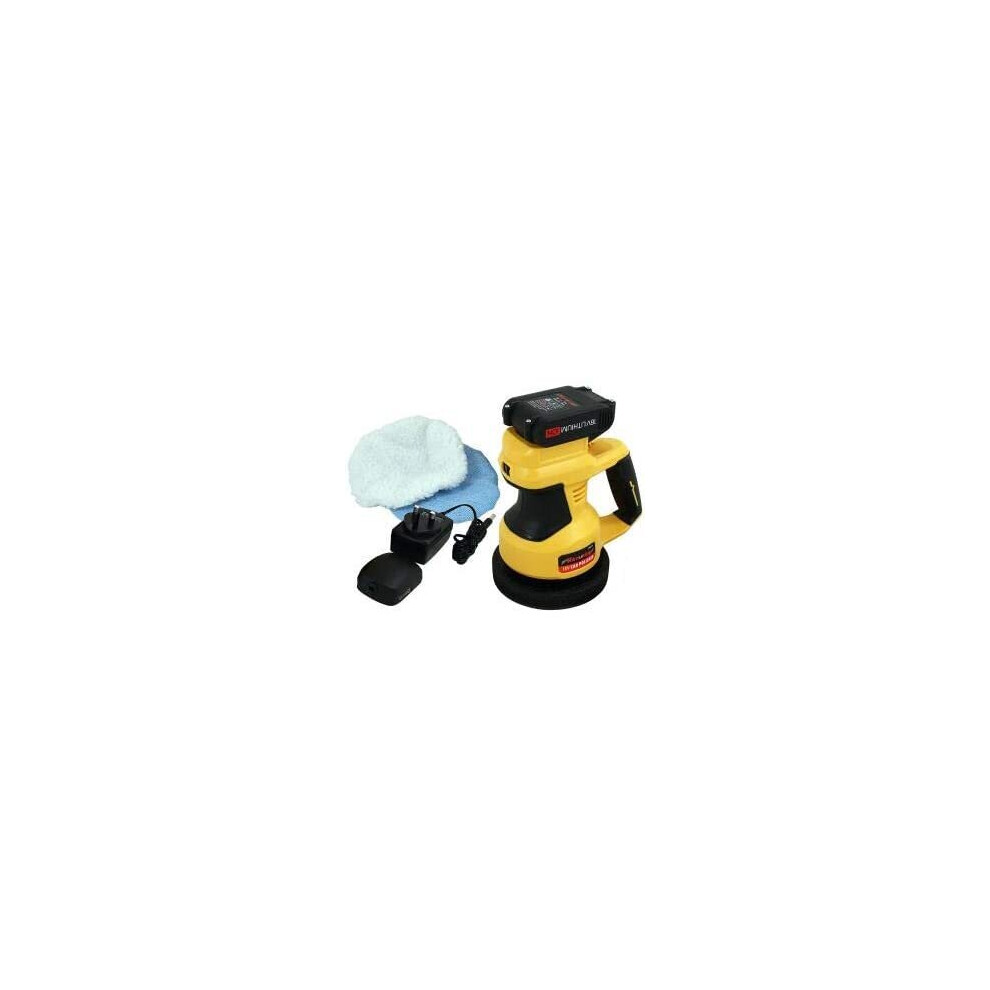
Polishers & Buffers
How to choose polishers & buffers
Sub-type
Tool or hardware: a powered polisher (Tools) does the correction, while a pad set (Hardware) only helps if you already own a machine.
Power
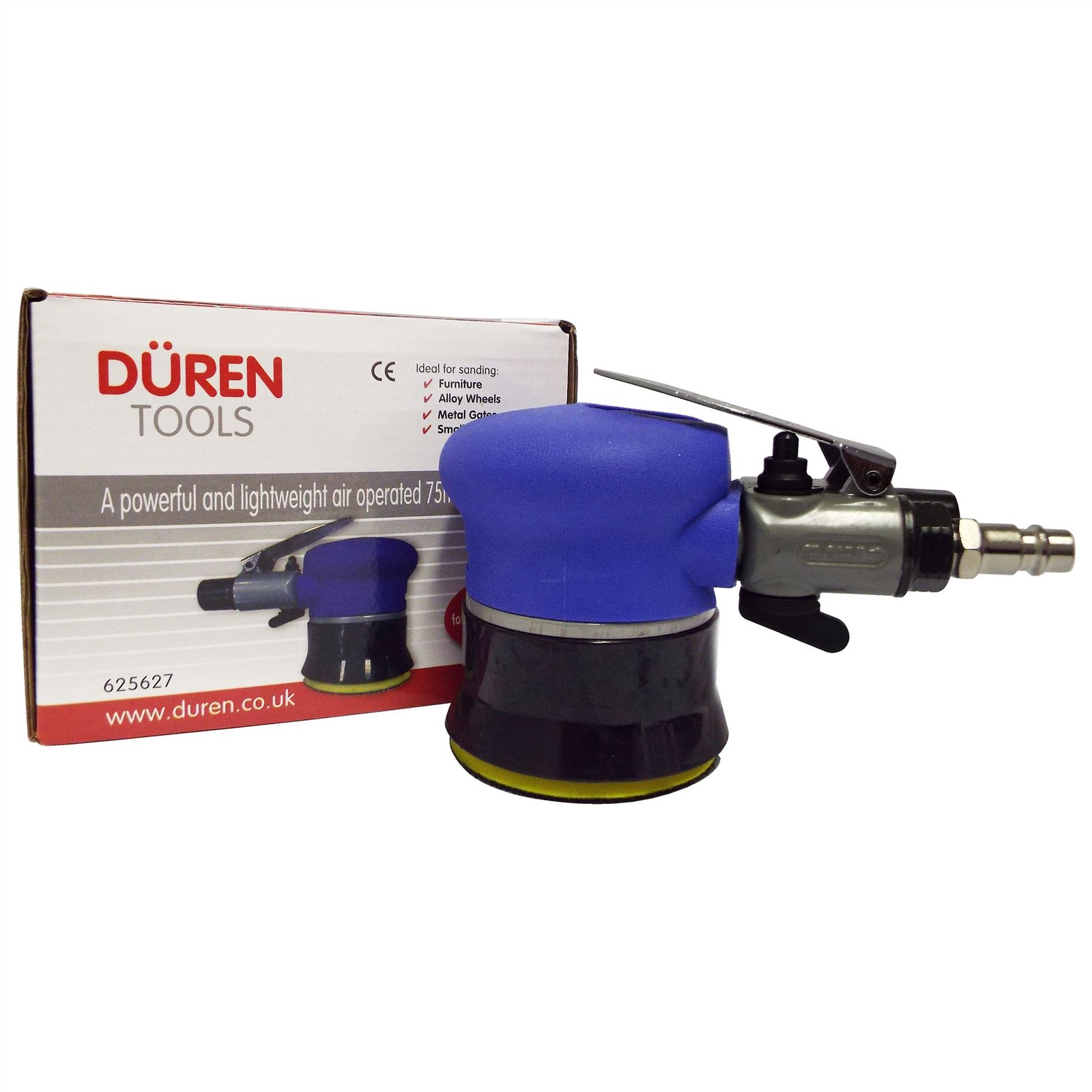
Power source: corded gives endless runtime for big jobs, cordless adds portability, pneumatic stays lightest but needs a compressor.
Size and material
Pad size and material: 75mm finger sanders reach arches, 180mm plates cover panels fast; wool refines finish, plastic keeps weight down.
Build
Body build: metal and aluminium housings survive trade use, plastic suits occasional home tasks; colour (black/orange, silver, etc.) is personal.
Action
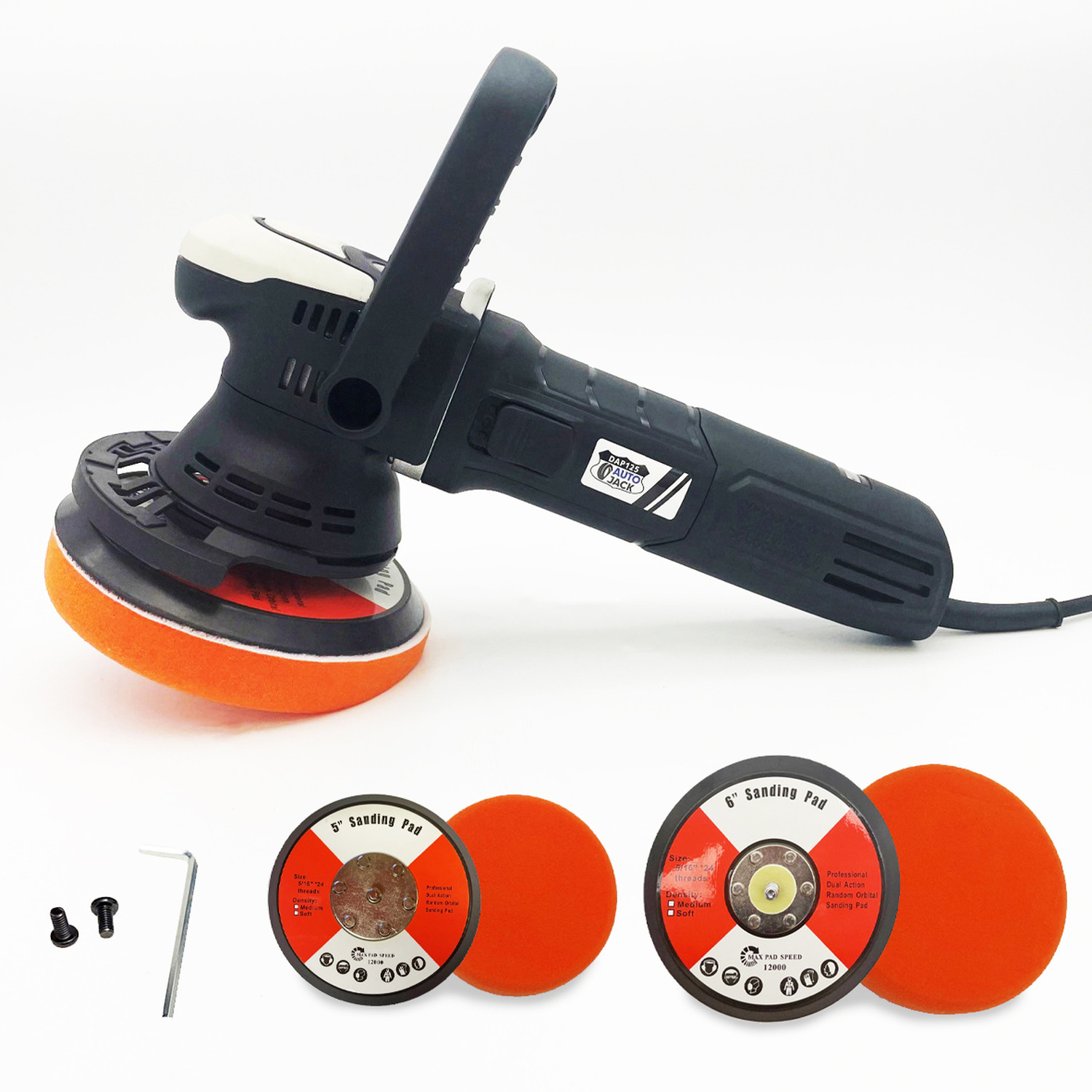
Action type: random orbital (150mm cordless class) is safer for learners, rotary is faster for seasoned users tackling deep scratches.
What's good
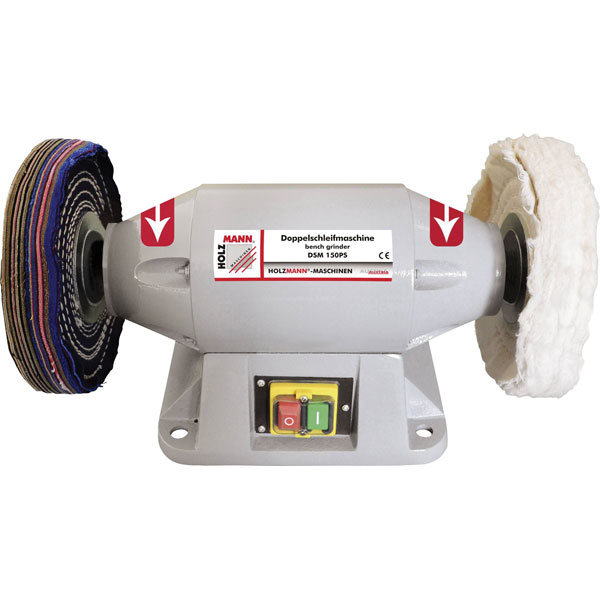
- Cordless bare tools and compact 12V polishers free you from the mains lead, handy for car detailing away from a socket.
- Pneumatic air-operated units stay light and cool, which suits long sessions in a workshop with compressor.
- Random orbital action (seen in 150mm cordless types) cuts swirl risk versus rotary, good for newer users.
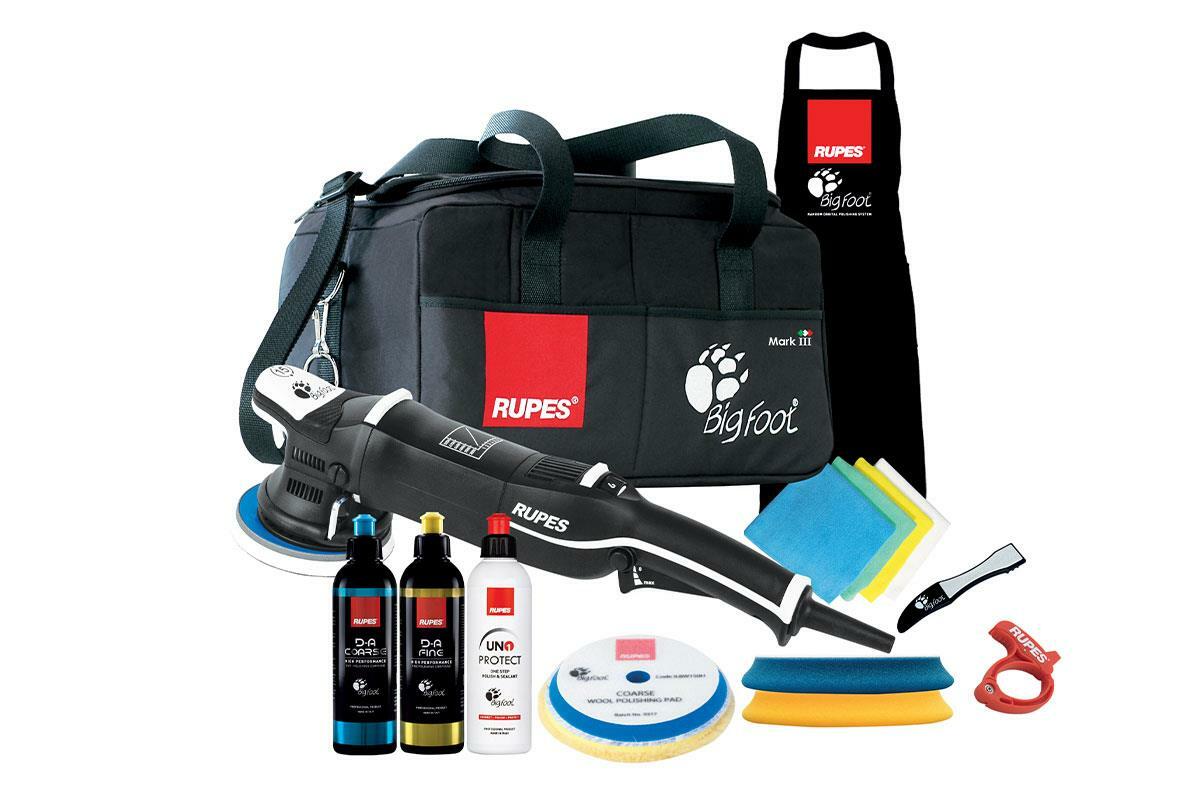
- Hardware pad sets, including wool and wax materials, let you shift from cutting to finishing without a new machine.
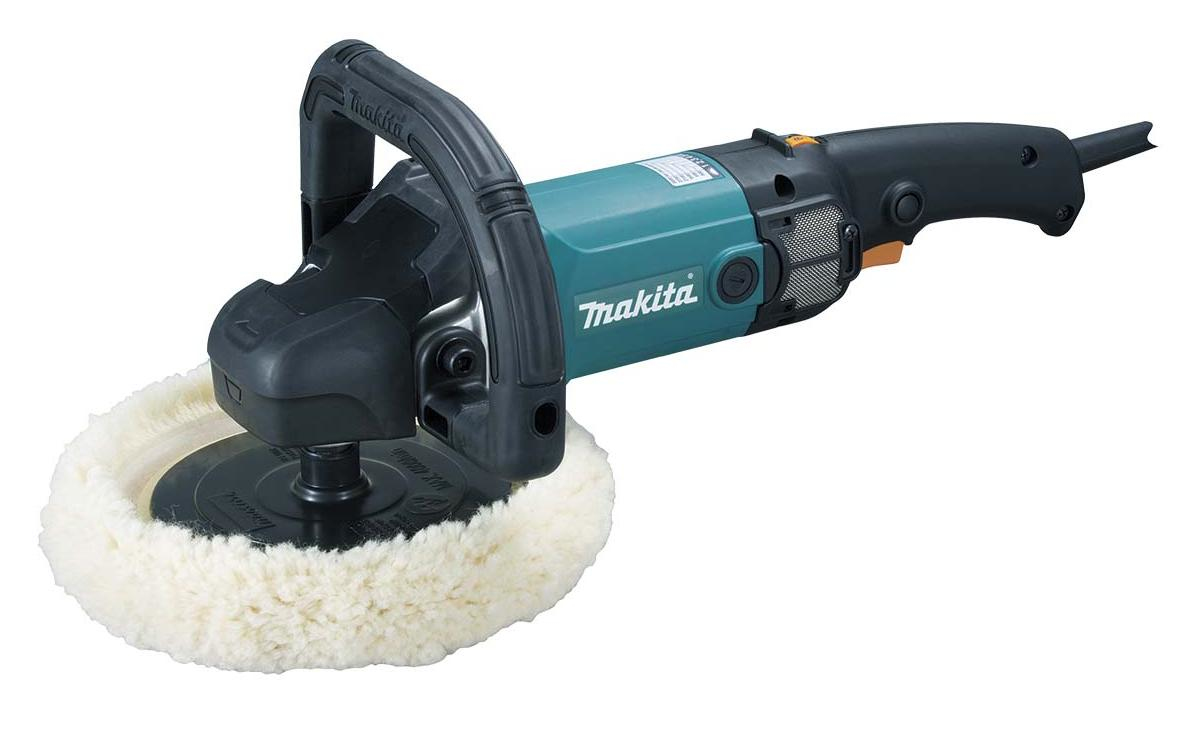
- Corded 1200W variable speed machines (1600-3500rpm) hold steady power on large panels, unlike batteries that fade.
Things to watch
- Air-operated (pneumatic) polishers are useless without a steady compressor supply, so they suit workshop owners rather than home driveway users.
- Compact cordless units with 71mm pads handle tight spots but crawl on full-size doors and bonnets, wrong for whole-car detailing.
- Rotary action cuts fast yet risks burning paint if mishandled, a poor pick for first-time paint correction.
- Bare cordless tools arrive without battery or charger, limiting them to those already in that power ecosystem.
- Wool and wax pads need washing and eventual replacement, adding upkeep a bare machine alone avoids.
Care & maintenance
Clean pads
Rinse wool and wax pads after each pass to stop compound hardening.
Protect metal
Wipe steel or aluminium shafts with light oil to ward off rust in damp sheds.
Care for air tools
Store pneumatic tools dry and drain compressor moisture to protect internal seals.
Check plates
Inspect rubber backing plates for splits before use, as a failed plate throws pads.
Frequently Asked Questions
What should I look for when buying polishers & buffers?
When shopping for polishers & buffers, consider factors such as quality, price, brand reputation, and customer reviews. Compare prices across multiple retailers to ensure you're getting the best deal. Look for products that match your specific needs and budget.
How do I choose the right polishers & buffers?
Choosing the right polishers & buffers depends on your individual needs, budget, and preferences. Research different options, read customer reviews, and compare specifications. Consider what features are most important to you and look for products that offer the best value for money.
Where can I find the best deals on polishers & buffers?
You can find the best deals on polishers & buffers by comparing prices across multiple retailers. Our price comparison tool helps you find the lowest prices from trusted UK retailers including Amazon, eBay, and other major online stores. Check regularly as prices and deals change frequently.
Are polishers & buffers products worth the investment?
The value of polishers & buffers products depends on your specific needs and how you plan to use them. Quality products from reputable brands often provide better long-term value, even if they cost more initially. Consider your budget and requirements when making your decision.
What's the difference between different types of polishers & buffers?
Different types of polishers & buffers vary in features, quality, price, and intended use. Some may offer premium features while others focus on affordability. Research the specific differences between models or brands to find the option that best suits your needs and budget.