Measuring Tools & Sensors
How to choose measuring tools & sensors
Sub-type fit
Pick Tools for hands-on measuring, or Electrical Testing Tools for signal analysis.
Material tradeoff
Choose steel or stainless steel for rough sites, plastic/metal for light hobby use.
Colour choice
Bright red or green colours help locate small items, while grey or silver hide grime.
Hardware vs Tools
If you need fixed repeats, Hardware templates beat a handheld level.
Transducer use case
Transducers fit monitoring builds, not casual home fixes.
What's good
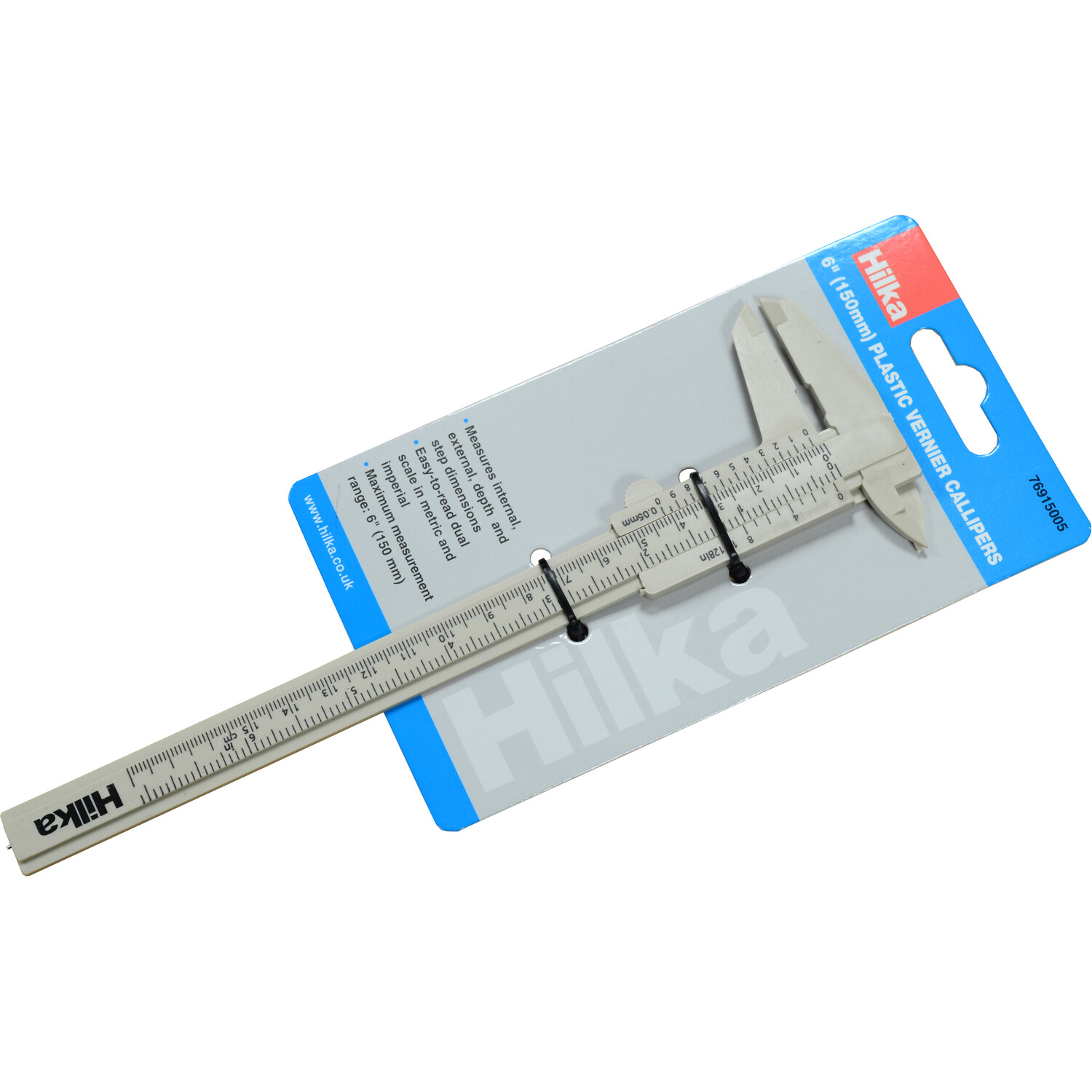
- Manual Tools in plastic or wood are light to carry and need no batteries.
- Electrical Testing Tools give live signal readouts that a simple ruler cannot show.
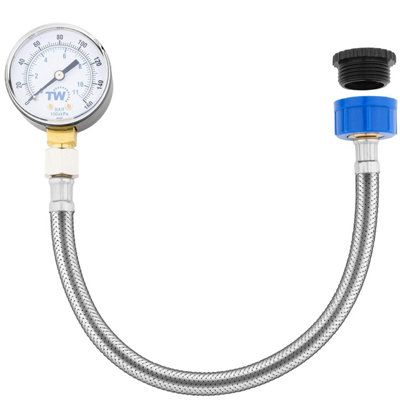
- Transducers feed physical readings into other systems for constant monitoring.
- The range includes bright colours like orange or yellow, so small items stay visible on a busy bench.
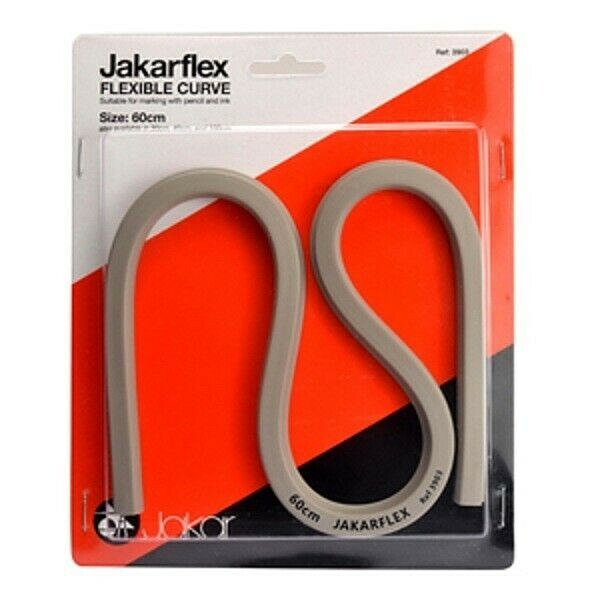
- Hardware such as cutting templates speeds repeated marking jobs that freehand work would slow down.
Things to watch
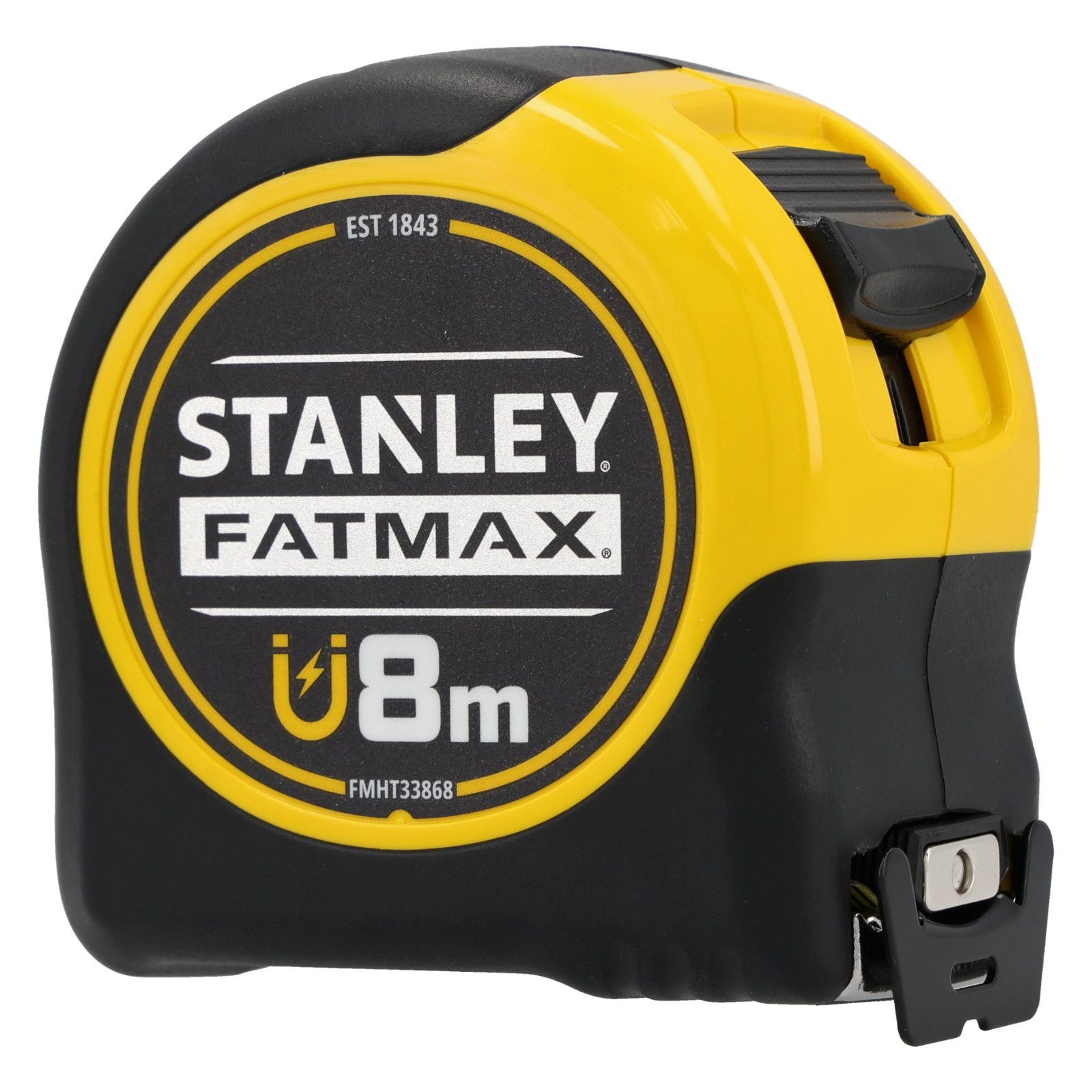
- Basic tape measures and spirit levels in the Tools sub-type rely on your eye, so long spans risk error.
- Electrical Testing Tools need a power source and weigh more than a steel rule.
- Transducers are wrong for a quick one-off measure because they need separate display gear.
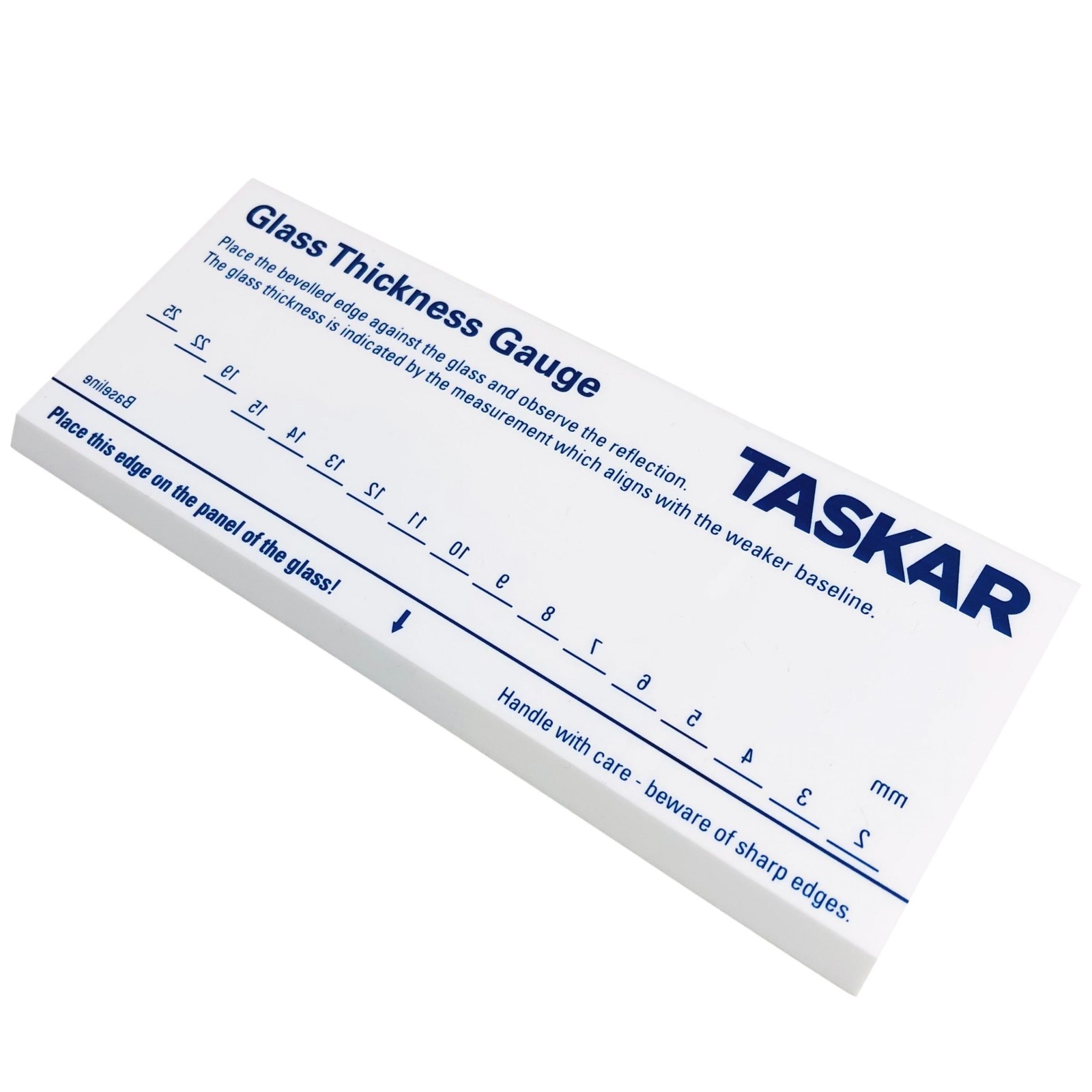
- Acrylic or wood Tools look neat but scratch easier than stainless steel versions.
- Hardware pieces suit one task only, so they clutter a kit if that job is rare.
Care & maintenance
Tape care
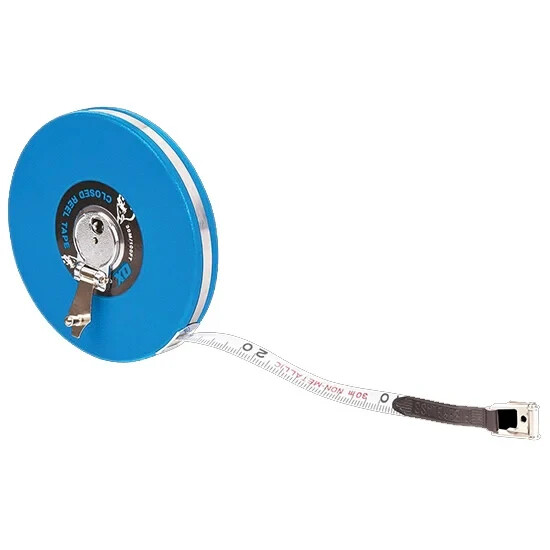
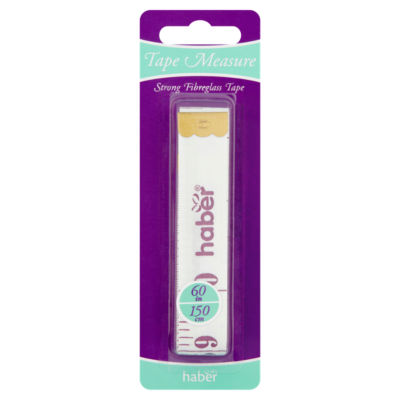
Retract tape measures after use to keep the spring tight, a small duty that manual Tools demand.
Metal care
Wipe stainless steel or aluminium rules dry to stop corrosion before storage.
Acrylic care
Keep acrylic measuring items out of direct sun to avoid warping.
Testing tool checks
Check the contacts on Electrical Testing Tools before each session to avoid dead reads.
Frequently Asked Questions
What should I look for when buying measuring tools & sensors?
When shopping for measuring tools & sensors, consider factors such as quality, price, brand reputation, and customer reviews. Compare prices across multiple retailers to ensure you're getting the best deal. Look for products that match your specific needs and budget.
How do I choose the right measuring tools & sensors?
Choosing the right measuring tools & sensors depends on your individual needs, budget, and preferences. Research different options, read customer reviews, and compare specifications. Consider what features are most important to you and look for products that offer the best value for money.
Where can I find the best deals on measuring tools & sensors?
You can find the best deals on measuring tools & sensors by comparing prices across multiple retailers. Our price comparison tool helps you find the lowest prices from trusted UK retailers including Amazon, eBay, and other major online stores. Check regularly as prices and deals change frequently.
Are measuring tools & sensors products worth the investment?
The value of measuring tools & sensors products depends on your specific needs and how you plan to use them. Quality products from reputable brands often provide better long-term value, even if they cost more initially. Consider your budget and requirements when making your decision.
What's the difference between different types of measuring tools & sensors?
Different types of measuring tools & sensors vary in features, quality, price, and intended use. Some may offer premium features while others focus on affordability. Research the specific differences between models or brands to find the option that best suits your needs and budget.