Water & Flood Detectors
How to choose water & flood detectors
Sub type first
Start with sub type. Home & Garden covers room alarms, Flood covers tank level, Fire & Gas Safety covers flame detection.
Material matters
Material trades weight for life. Plastic is light, stainless steel or copper survives damp conditions better.
Cable length
Cable length, seen as 5m options, helps deep tank fitting but adds slack for surface alarms.
Colour choice
Colour (white, black, silver, gold, blue, yellow, grey) is cosmetic. Pick to match the room, not for performance.
Power match
Voltage differs. Float switches handle 220V, induction sticks need 12V. Match to your existing wiring.
What's good
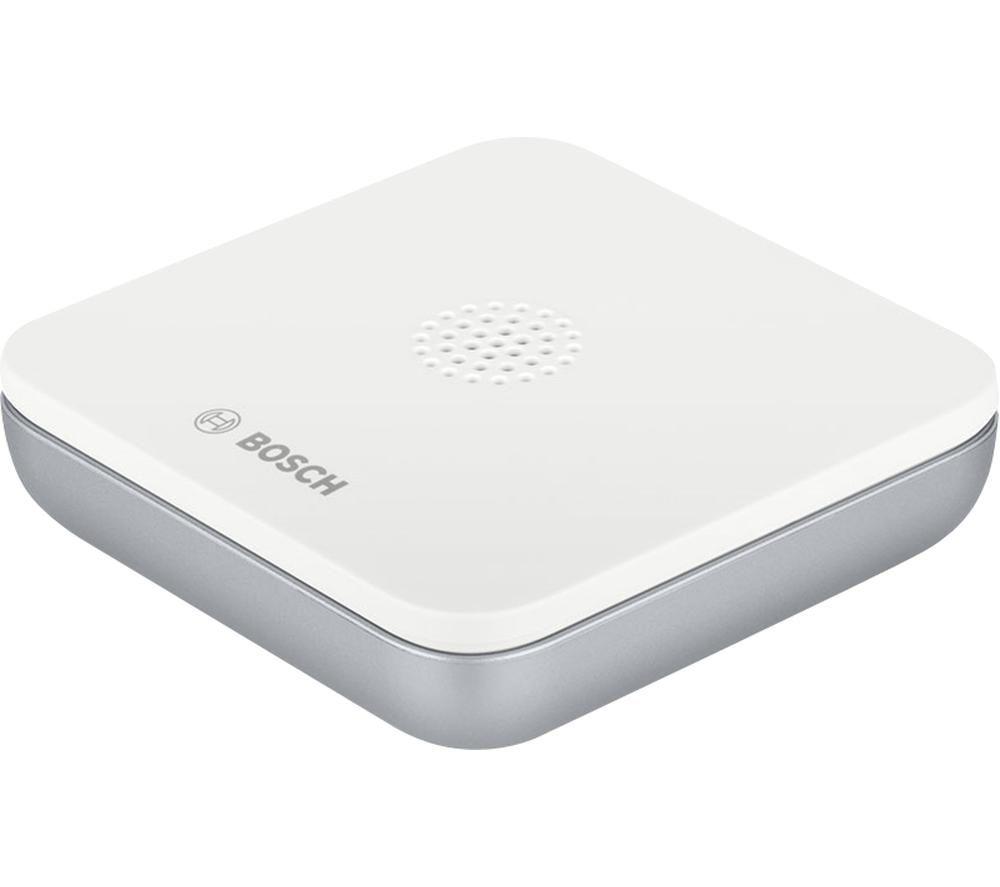
- Home & Garden leak alarms emit a 90 to 95 dB warning in bathrooms, basements and kitchens. They suit anyone wanting a simple alert to a spreading puddle.
- Flood float switches use stainless steel or polypropylene bodies to track tank liquid level at 220V. They give automatic control where a basic alarm cannot.
- Non contact induction sensors read water without touching the metal poles. This avoids corrosion in damp tanks.
- Fire & Gas Safety listings include flame detectors for combustion appliances. That broadens the category beyond water alone.
Things to watch
- Basic Home & Garden alarm sensors only sound a local alarm. They will not stop the leak or warn you when you are away from the house.
- Float switches with 5m cable and steel build are heavier and need fitting into a tank. They are wrong for a floor leak in a laundry room.
- Non contact sensors need a 12V supply and a flat mount. They are overkill for an attic where a basic alarm works.
- Flame detectors in the Fire & Gas Safety sub type serve a narrow need. Buyers focused only on flooding will find them irrelevant.
Care & maintenance
Keep housings clean
Wipe the plastic or stainless steel housing so sensor poles stay clear of dust.
Test audible alarms
Confirm the 90 dB alarm still sounds every few months by triggering the probe.
Check float cables
Inspect the 5m cable on a float switch for kinks where it meets the tank wall.
Clean non contact face
Keep the face of a non contact sensor clean, as grime reduces its induction range.
Frequently Asked Questions
What should I look for when buying water & flood detectors?
When shopping for water & flood detectors, consider factors such as quality, price, brand reputation, and customer reviews. Compare prices across multiple retailers to ensure you're getting the best deal. Look for products that match your specific needs and budget.
How do I choose the right water & flood detectors?
Choosing the right water & flood detectors depends on your individual needs, budget, and preferences. Research different options, read customer reviews, and compare specifications. Consider what features are most important to you and look for products that offer the best value for money.
Where can I find the best deals on water & flood detectors?
You can find the best deals on water & flood detectors by comparing prices across multiple retailers. Our price comparison tool helps you find the lowest prices from trusted UK retailers including Amazon, eBay, and other major online stores. Check regularly as prices and deals change frequently.
Are water & flood detectors products worth the investment?
The value of water & flood detectors products depends on your specific needs and how you plan to use them. Quality products from reputable brands often provide better long-term value, even if they cost more initially. Consider your budget and requirements when making your decision.
What's the difference between different types of water & flood detectors?
Different types of water & flood detectors vary in features, quality, price, and intended use. Some may offer premium features while others focus on affordability. Research the specific differences between models or brands to find the option that best suits your needs and budget.