Audio & Video Cables
How to choose audio & video cables
Signal type
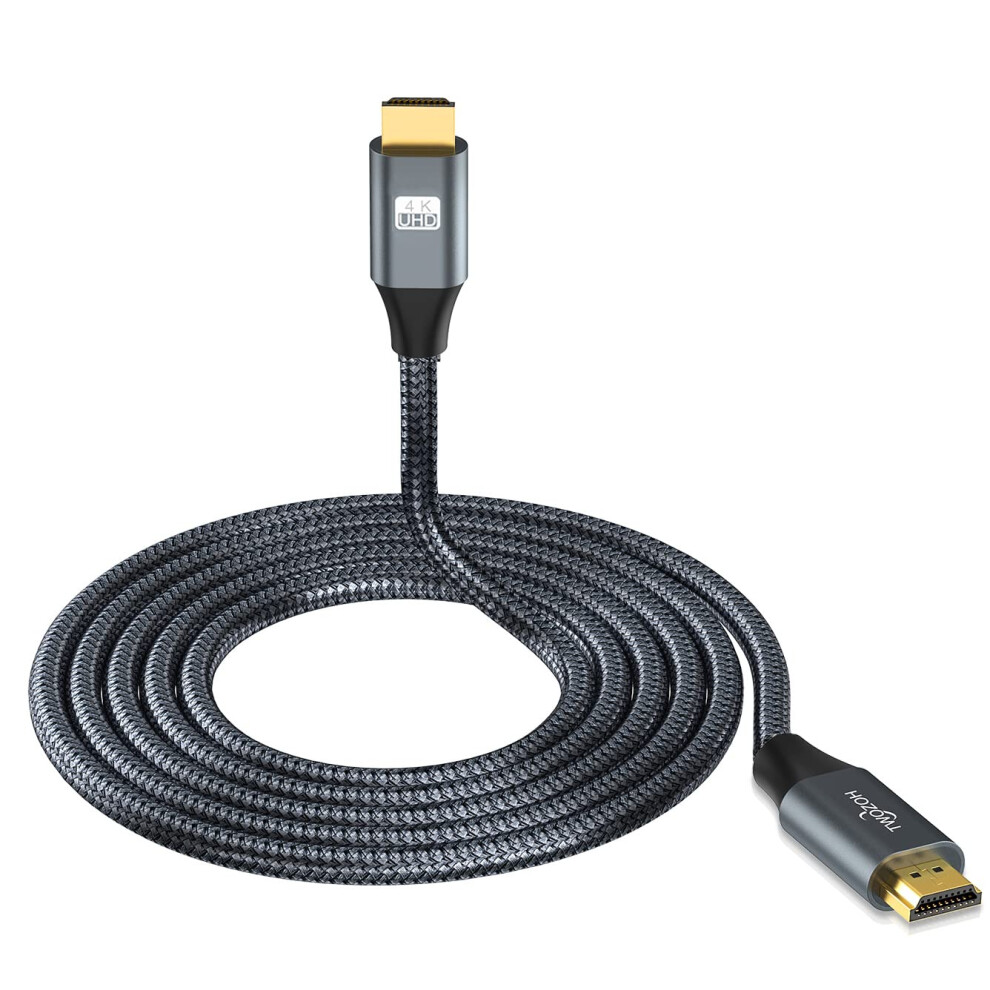
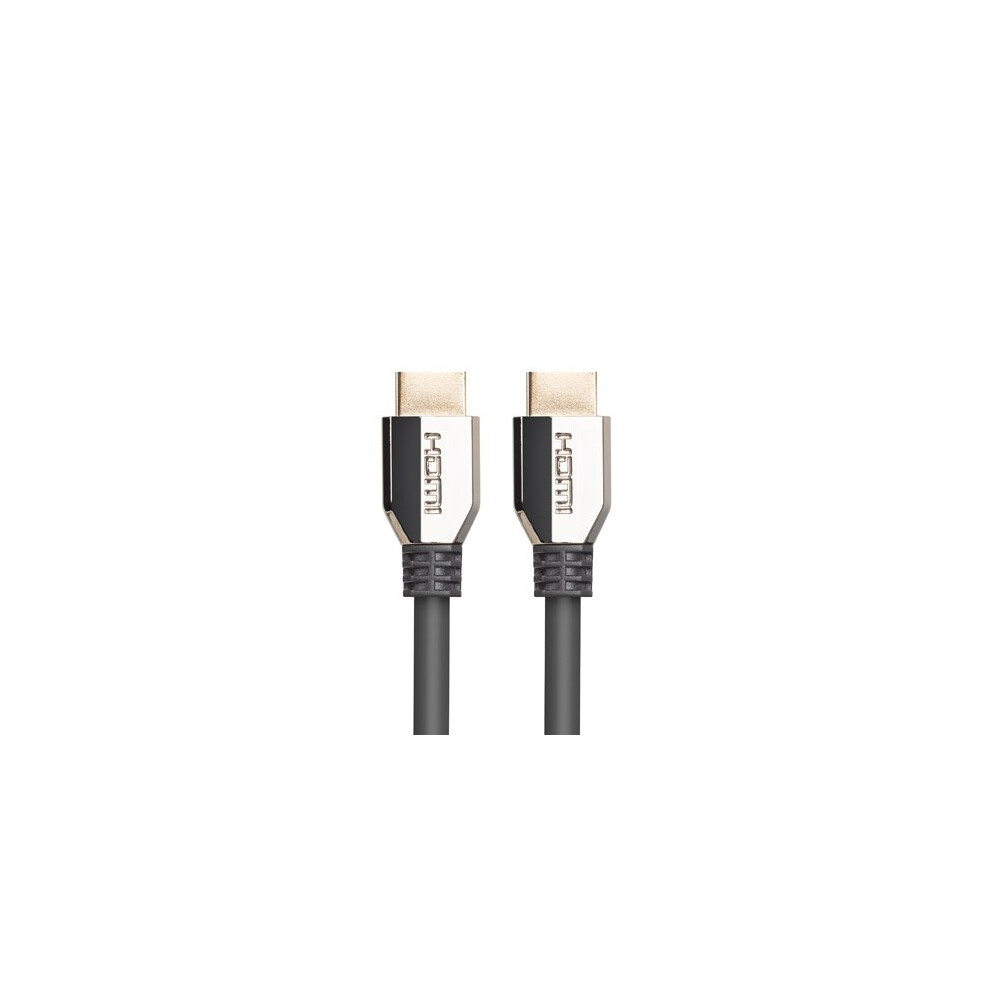
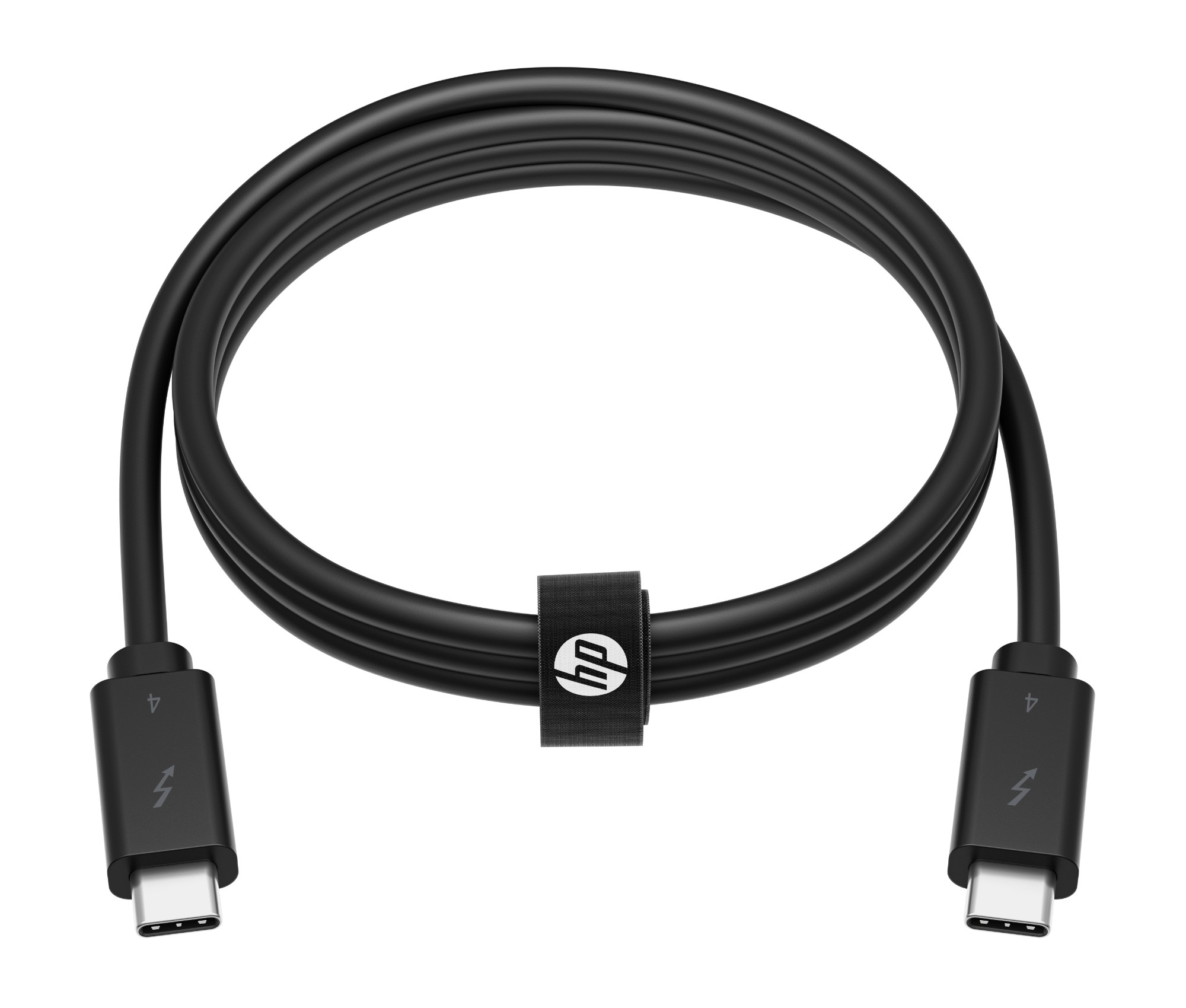
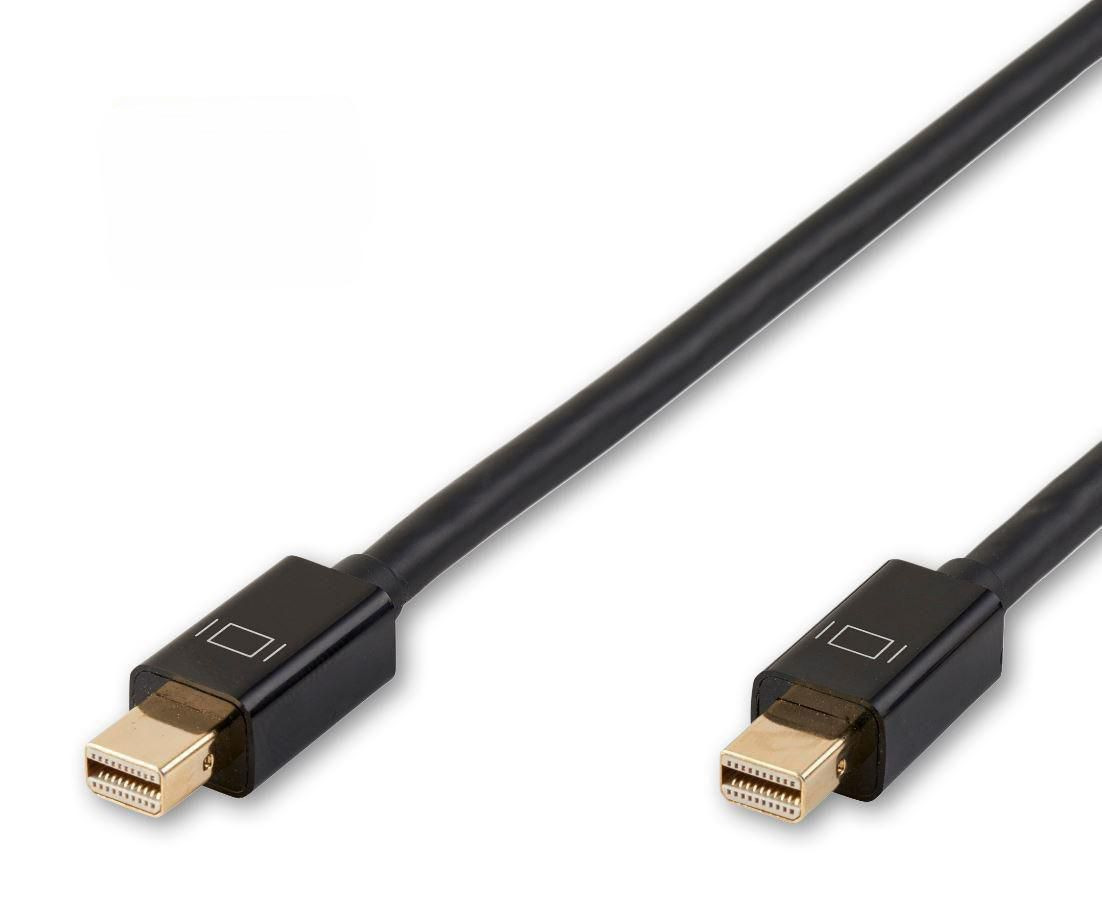
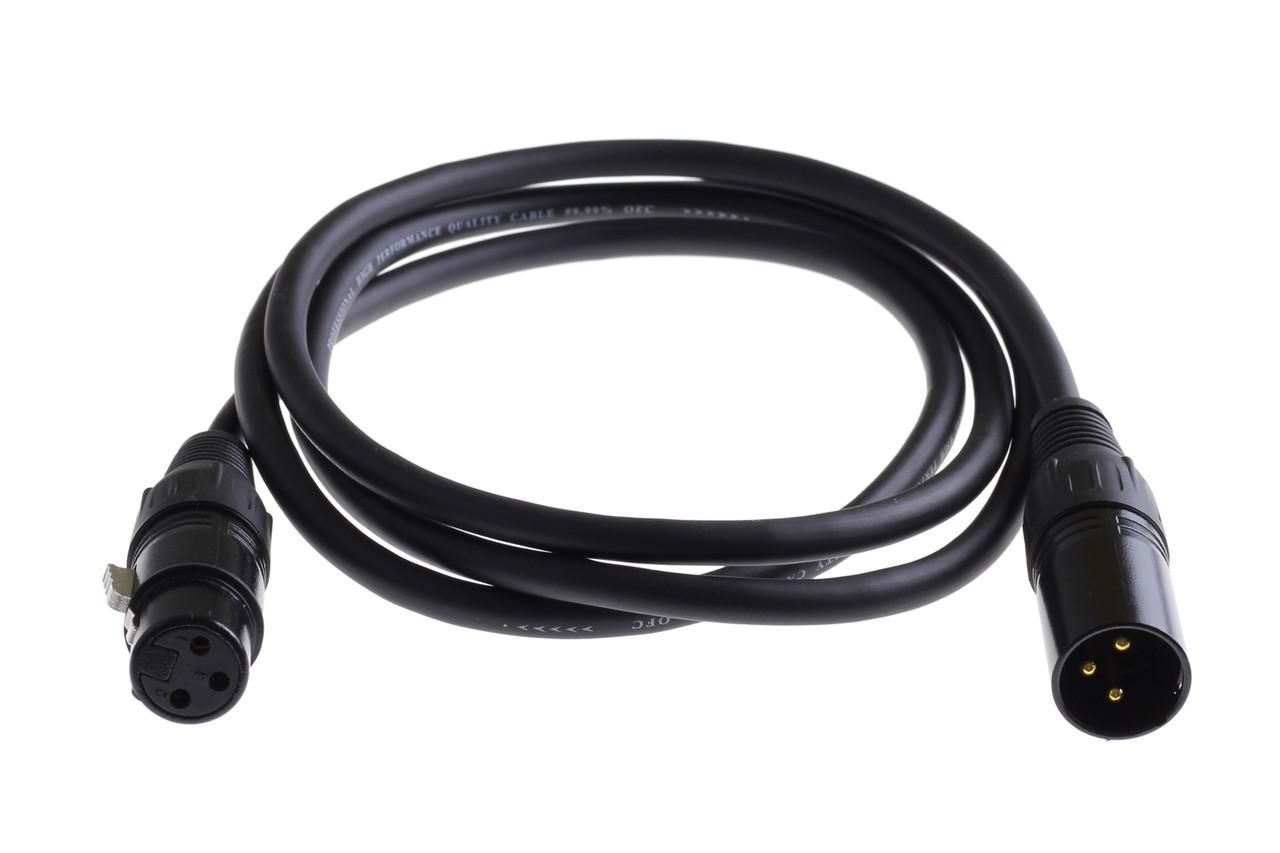
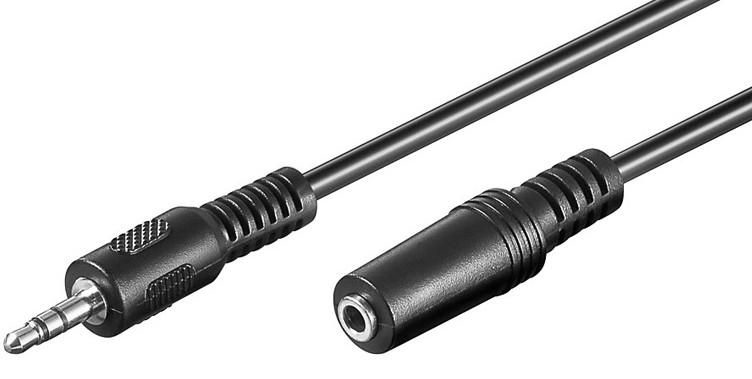
The category lists Cables, Electronics and Electronics Accessories, but signal defines your pick: HDMI for video, Toslink or 3.5mm to RCA for audio, XLR for balanced mic or DMX.
Connector material
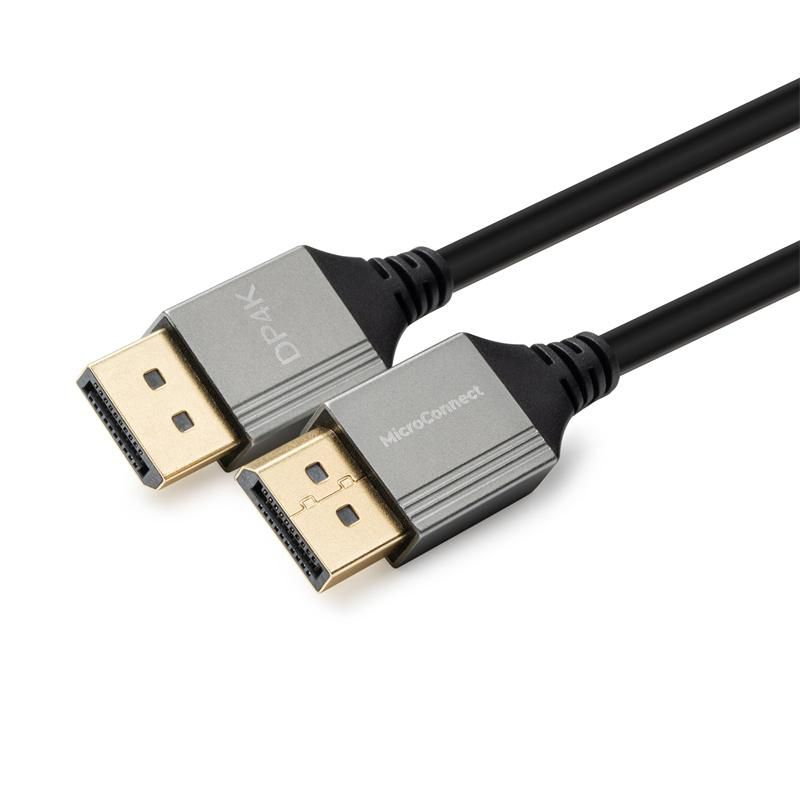
Material tradeoff: gold or silver plate resists corrosion but weighs more than plain copper or plastic.
Colour
Colour choice: black, grey or blue vanish in racks, while red/black or green trace easily on stage.
Length and pack
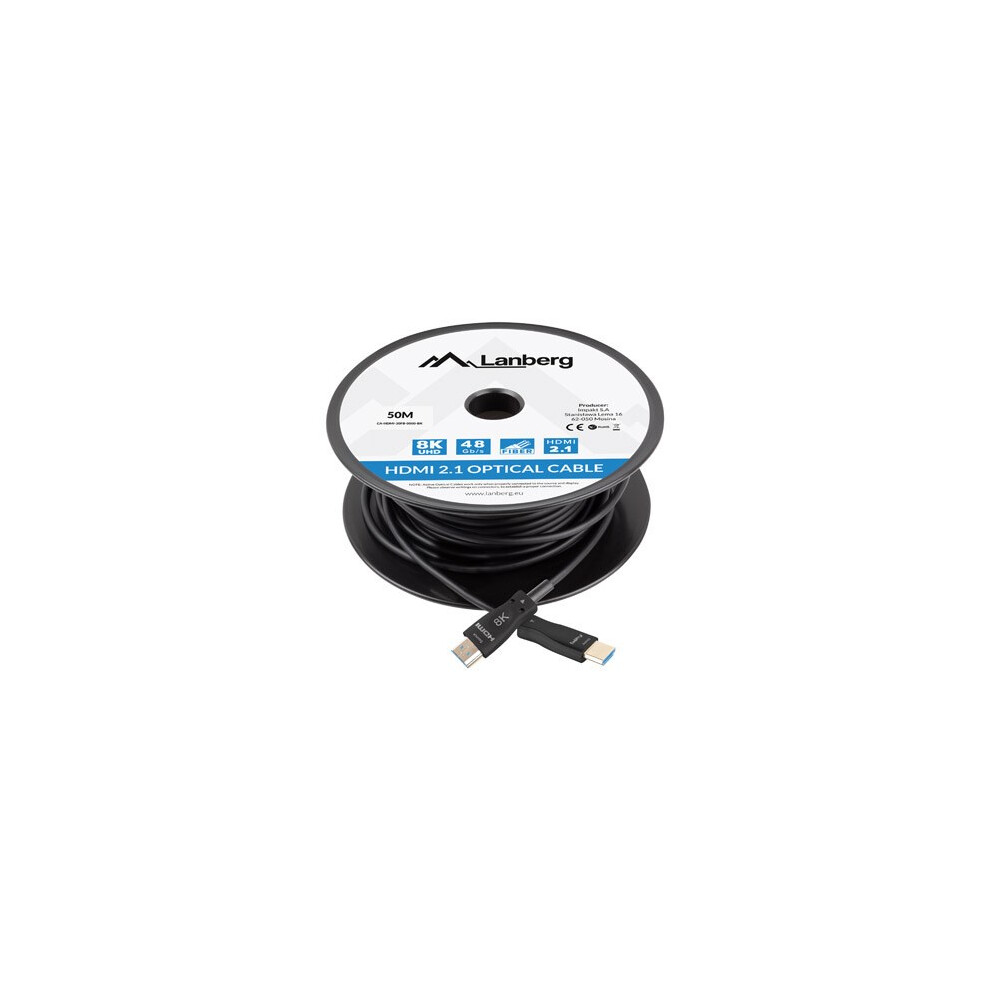
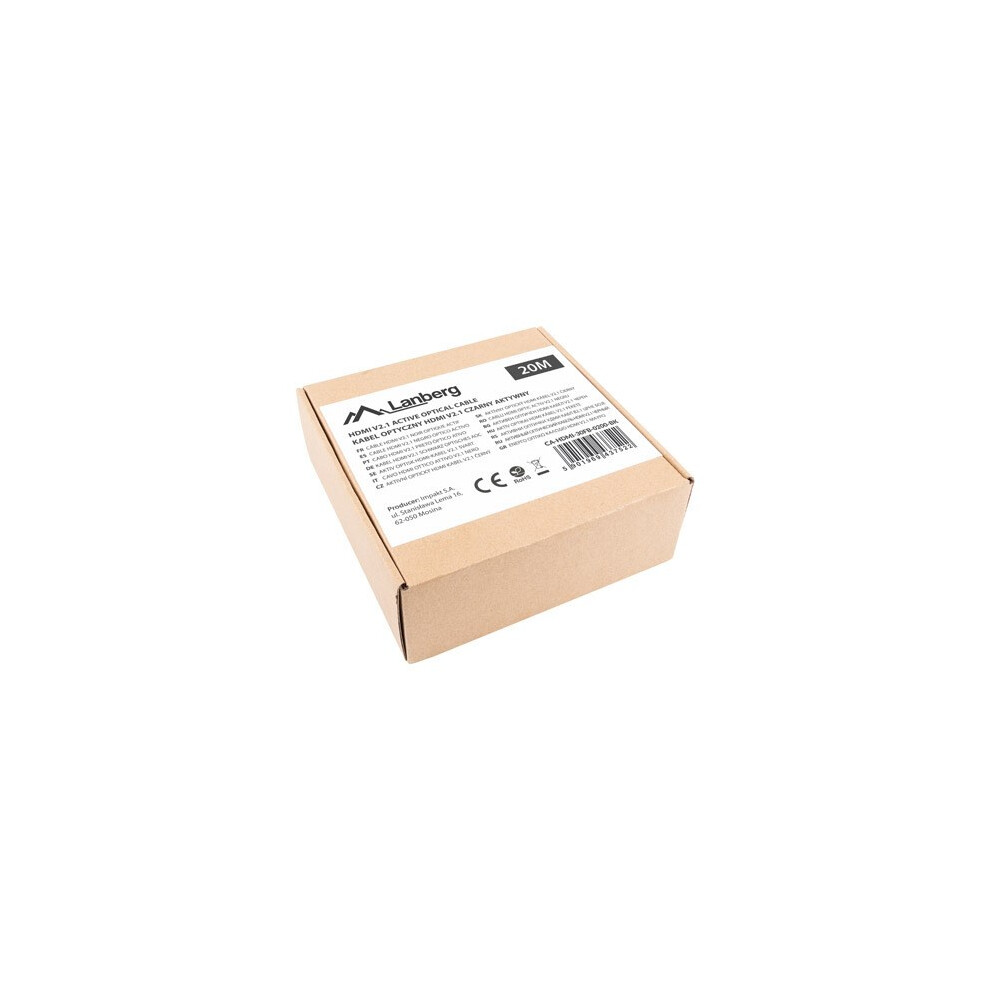
Pack size: a 2M lead fixes a desk, a 100M reel fits a venue needing custom cuts from one spool.
Build
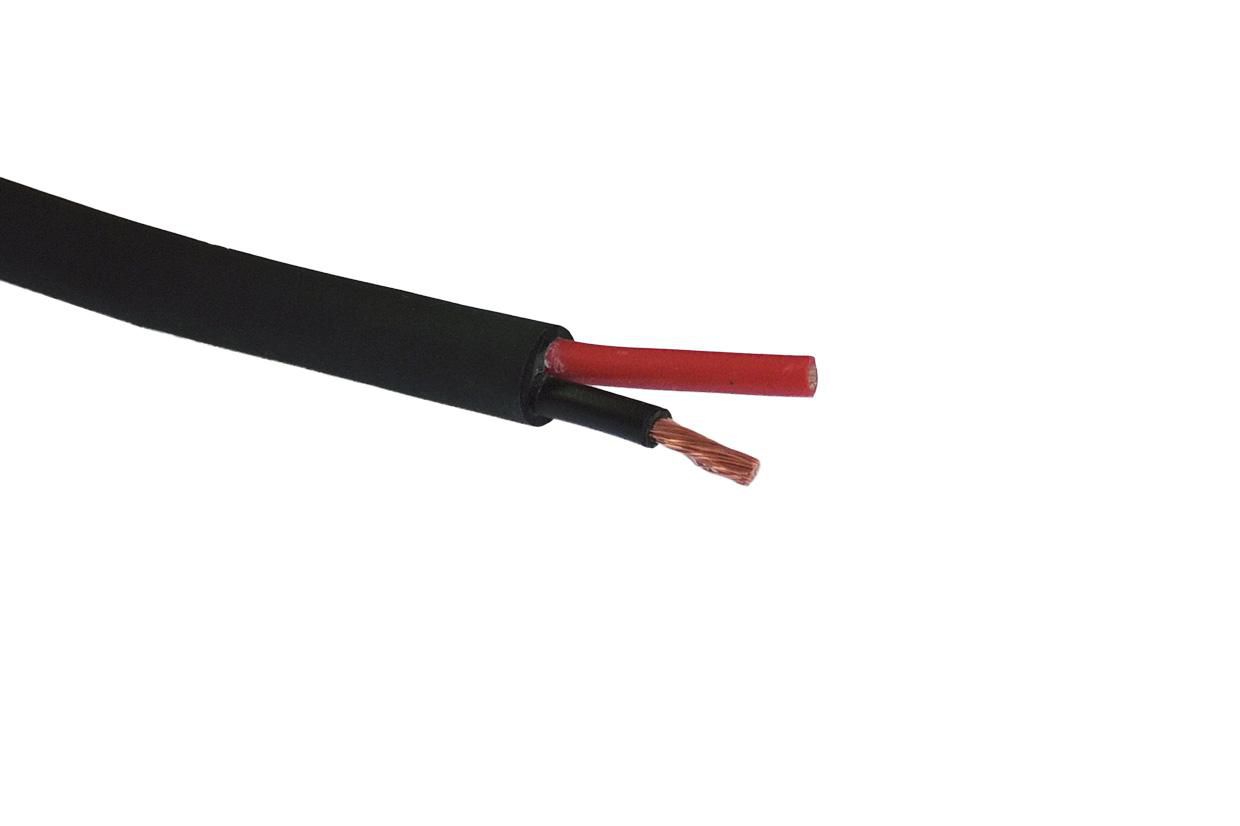
Construction: 32 strand figure-8 speaker cable bends tighter than 3mm single core screened cable at terminals.
What's good
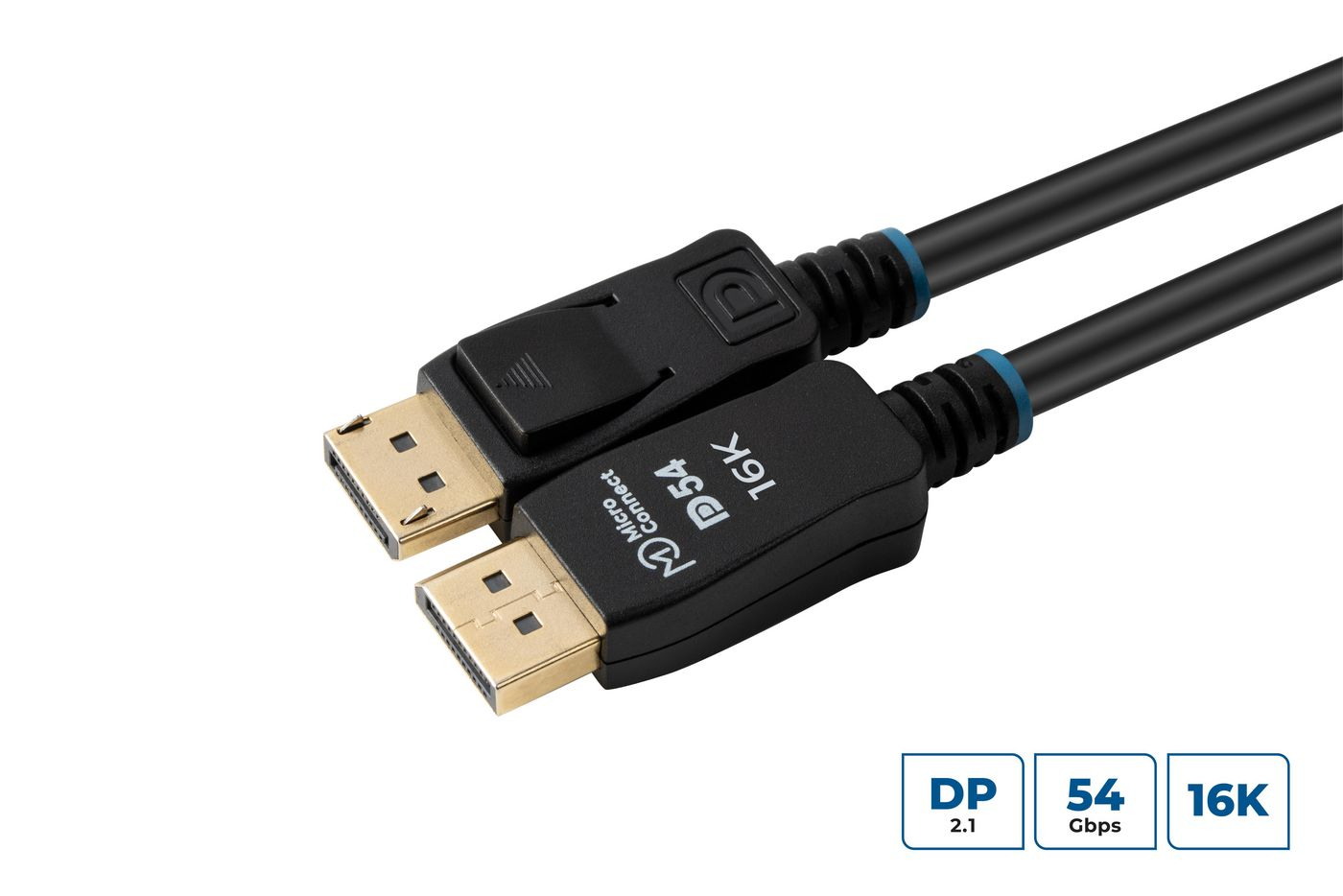
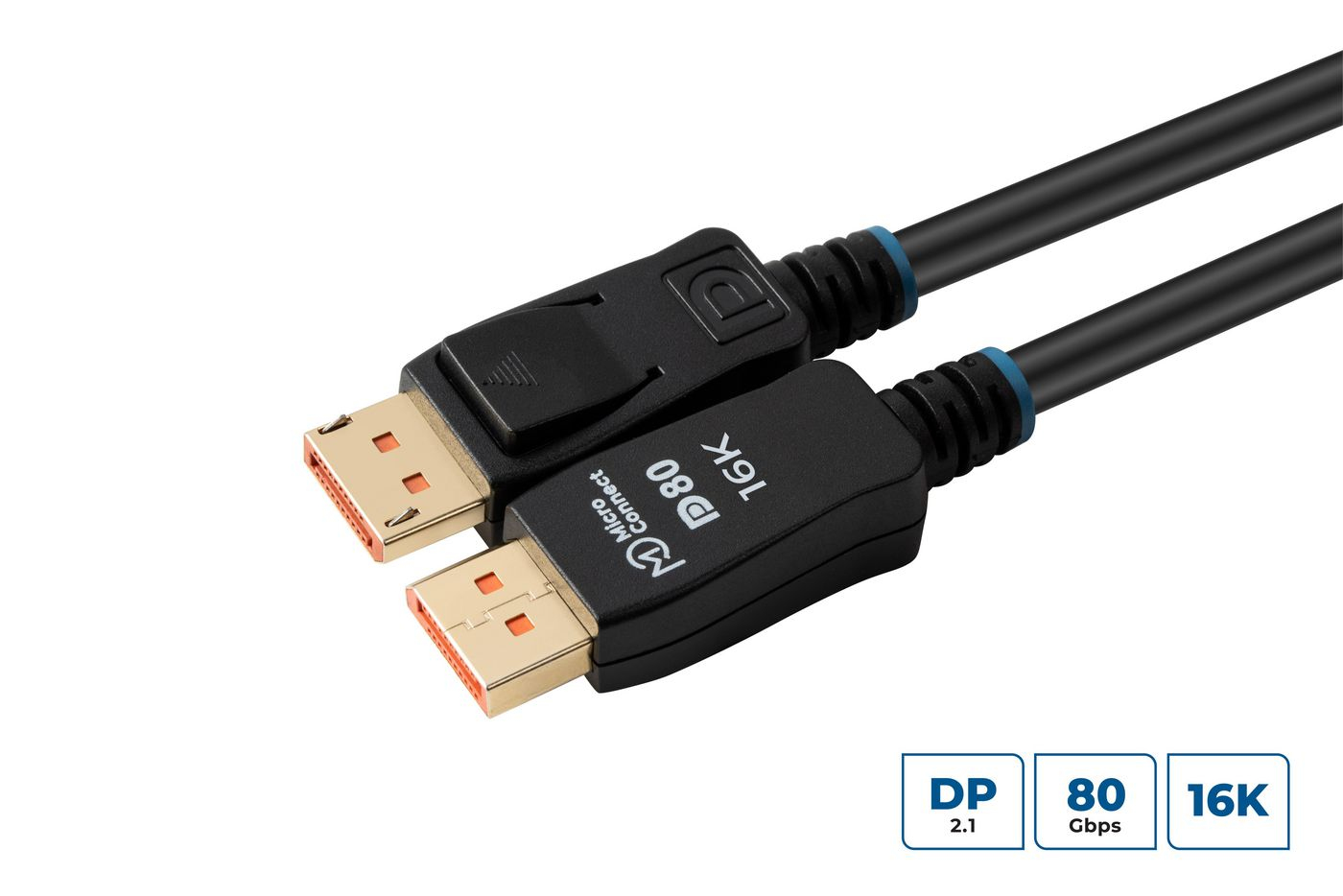
- Ultra High Speed 8K certified HDMI leads handle 60Hz video for current and future screens.
- Balanced microphone cables on 100M reels let you cut exact lengths for a studio or stage.
- Gold or silver plated connectors, including copper/gold and lead/gold, resist tarnish in fixed installs.
- Figure-8 and single core speaker cables in white or black sit unnoticed against skirting boards.
- XLR DMX leads use locked pins that stay put through a live lighting rig.
Things to watch
- Bulk 100M reels need cutting and terminating, so they are wrong for a plug-and-play swap.
- Lead/gold or copper/gold builds add weight, making long cable runs harder to route in tight trunking.
- Splitter leads like 3-pin XLR to 3-way XLR add joints that can fail where a single lead would not.
- White or grey plastic and nylon jackets show scuffs faster than black or red/black in busy rooms.
- Polished lens optical Toslink needs gentle insertion, as the tip is easy to crack if forced.
Care & maintenance
Connector care
Wipe gold, silver, copper/gold or lead/gold connectors with a dry cloth after use to slow oxidation.
Coiling
Coil HDMI, XLR and speaker cables in loose loops so the internal copper does not kink.
Storage
Keep 100M reels of raw copper or lead cable dry, because moisture attacks exposed metal.
Routing
Route plastic and nylon jackets away from sharp edges to avoid splits on figure-8 or single core types.
Frequently Asked Questions
What should I look for when buying audio & video cables?
When shopping for audio & video cables, consider factors such as quality, price, brand reputation, and customer reviews. Compare prices across multiple retailers to ensure you're getting the best deal. Look for products that match your specific needs and budget.
How do I choose the right audio & video cables?
Choosing the right audio & video cables depends on your individual needs, budget, and preferences. Research different options, read customer reviews, and compare specifications. Consider what features are most important to you and look for products that offer the best value for money.
Where can I find the best deals on audio & video cables?
You can find the best deals on audio & video cables by comparing prices across multiple retailers. Our price comparison tool helps you find the lowest prices from trusted UK retailers including Amazon, eBay, and other major online stores. Check regularly as prices and deals change frequently.
Are audio & video cables products worth the investment?
The value of audio & video cables products depends on your specific needs and how you plan to use them. Quality products from reputable brands often provide better long-term value, even if they cost more initially. Consider your budget and requirements when making your decision.
What's the difference between different types of audio & video cables?
Different types of audio & video cables vary in features, quality, price, and intended use. Some may offer premium features while others focus on affordability. Research the specific differences between models or brands to find the option that best suits your needs and budget.