Solder & Flux
How to choose solder & flux
Form and sub-type
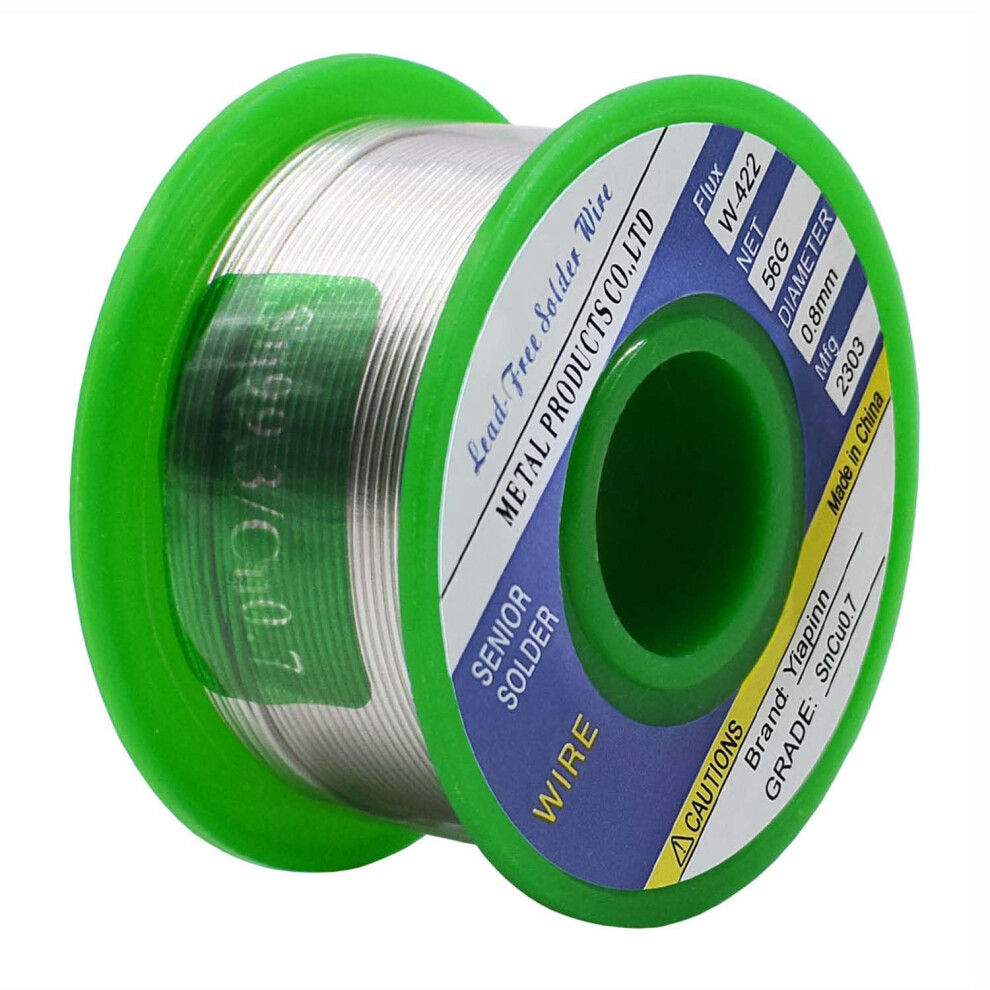
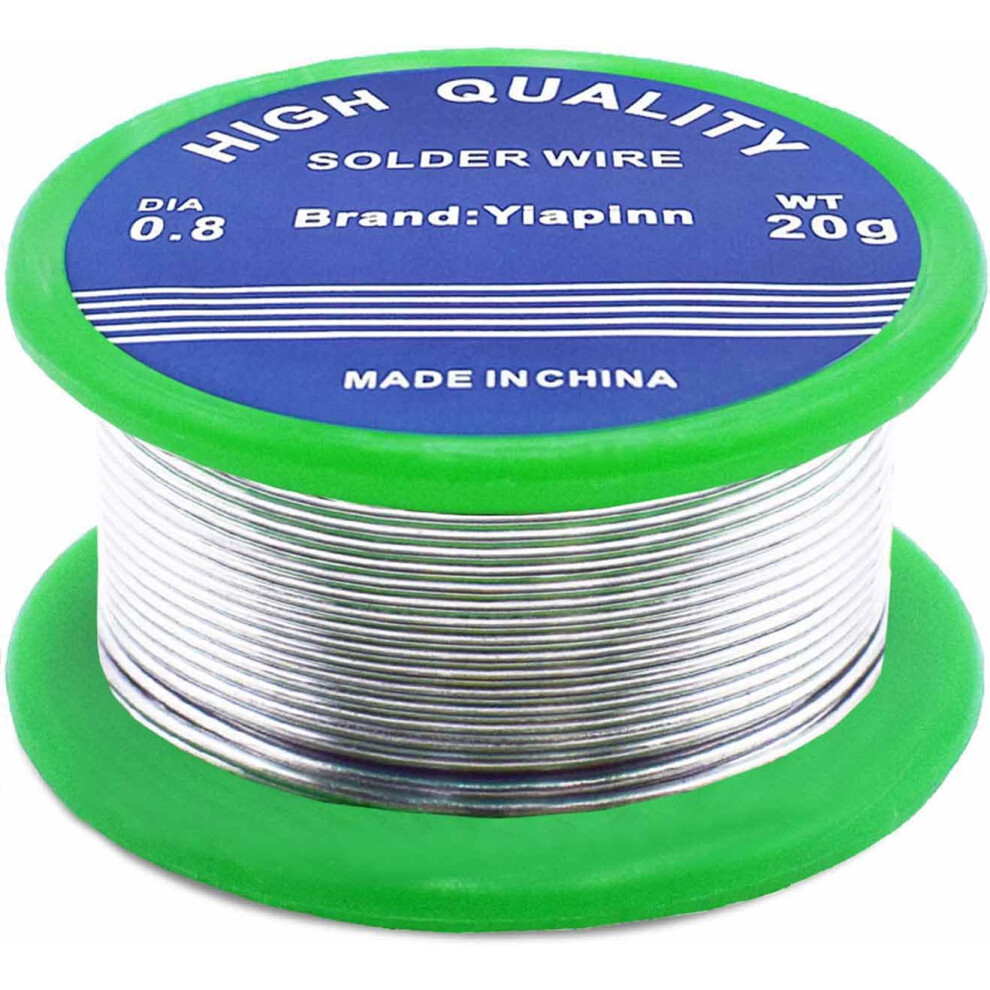
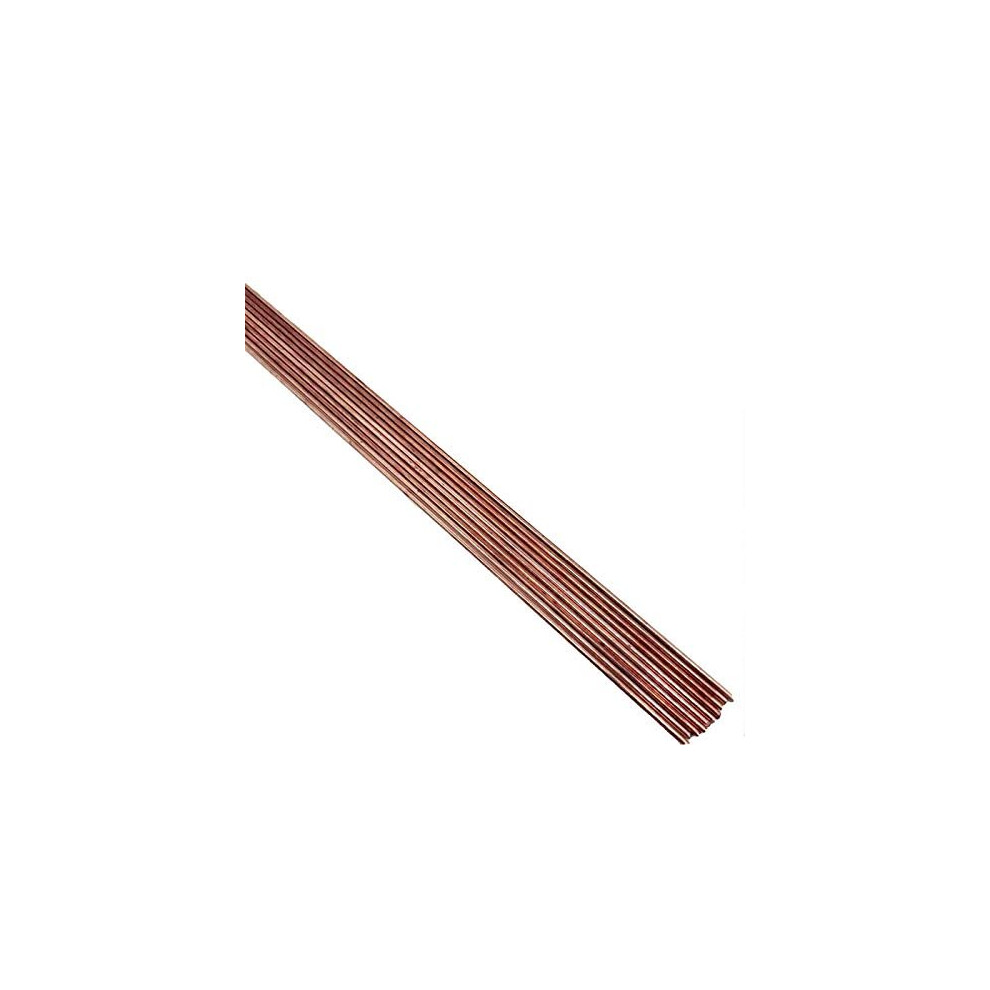
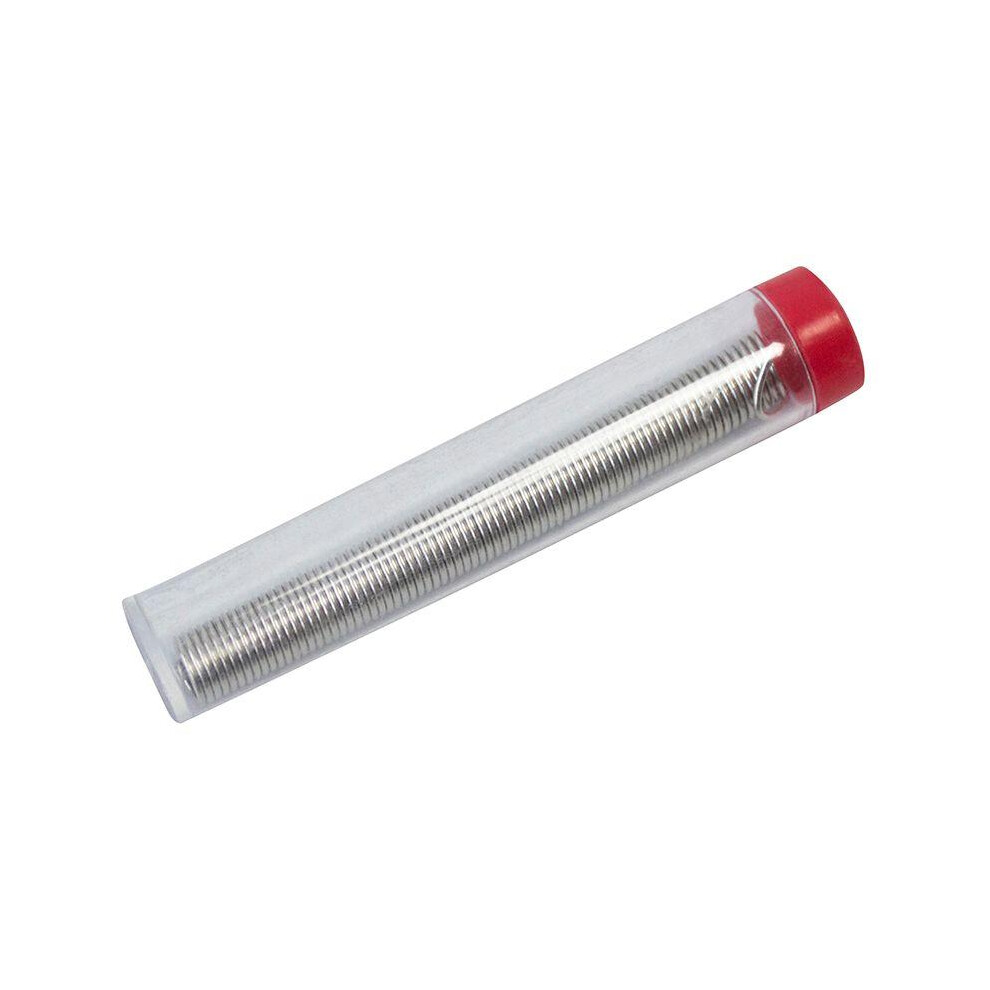
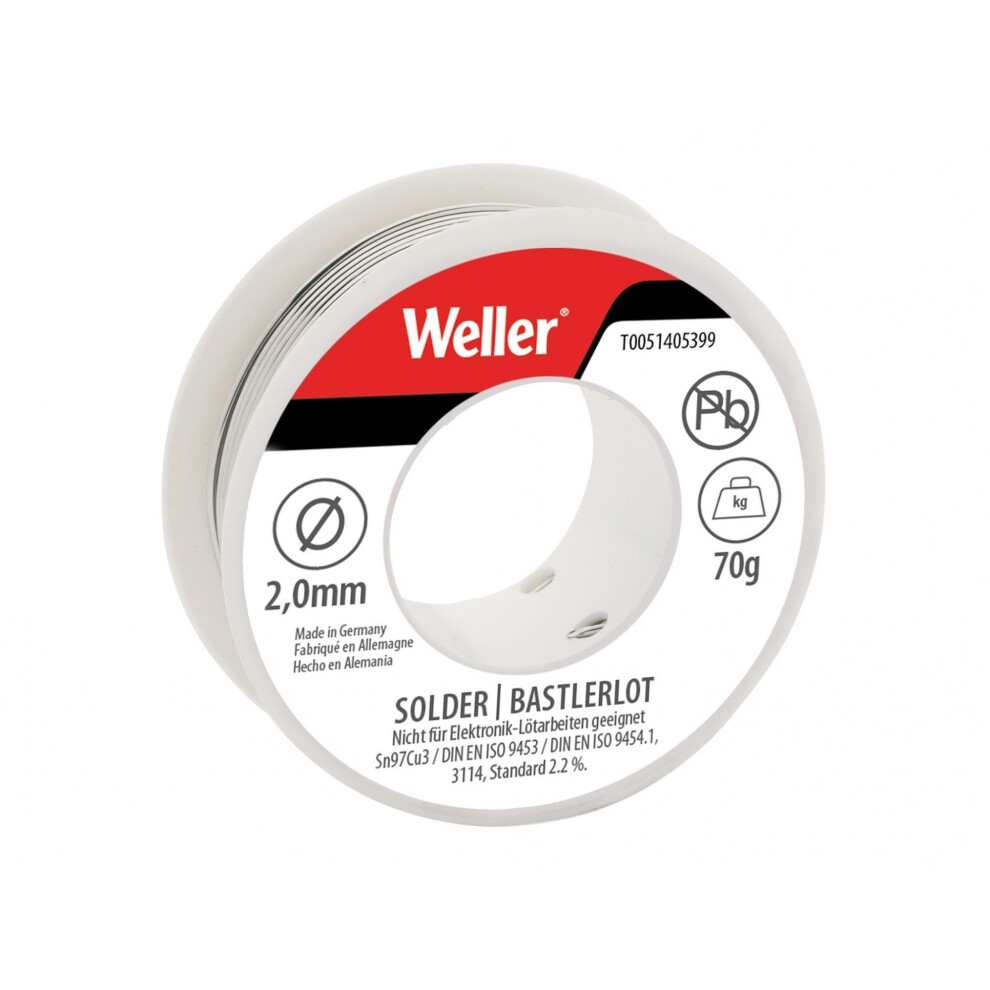
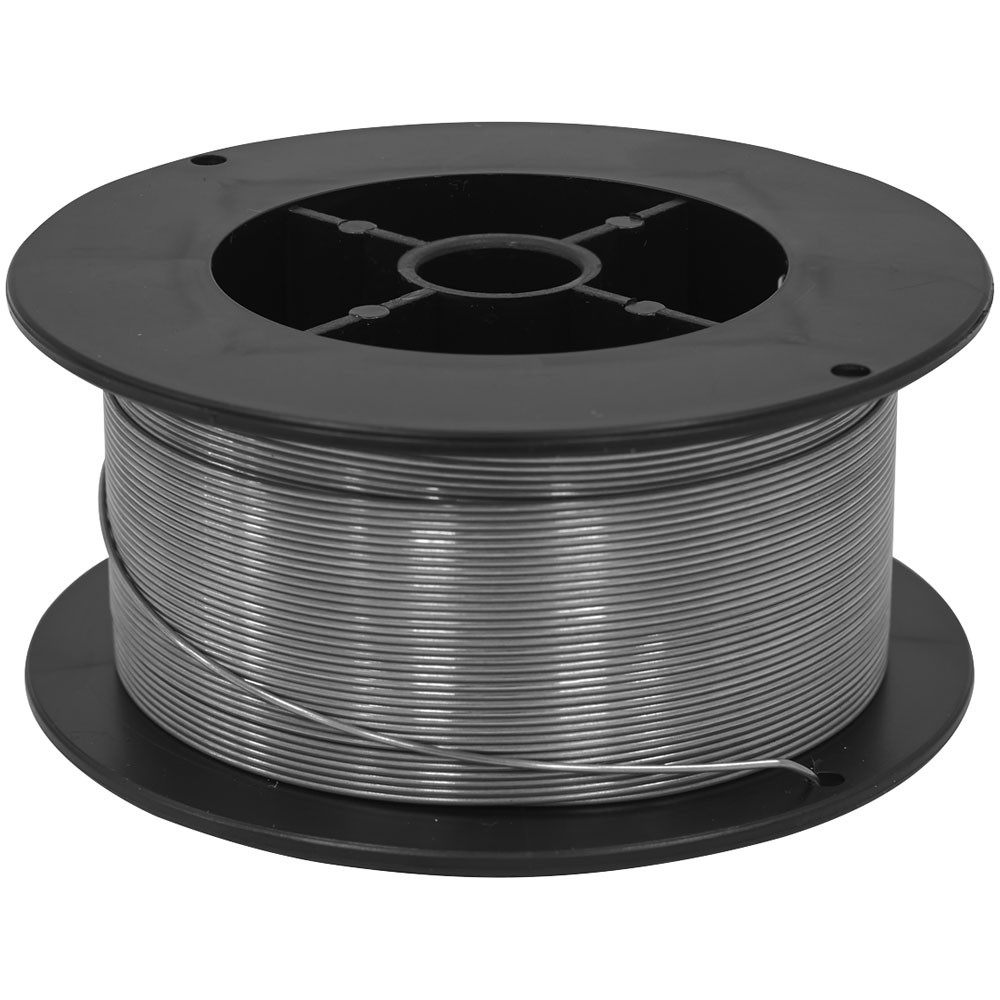
Choose the Building Consumables form first: wire for new joints, paste for rework, pellets for volume. Each favours a different task.
Alloy and heat
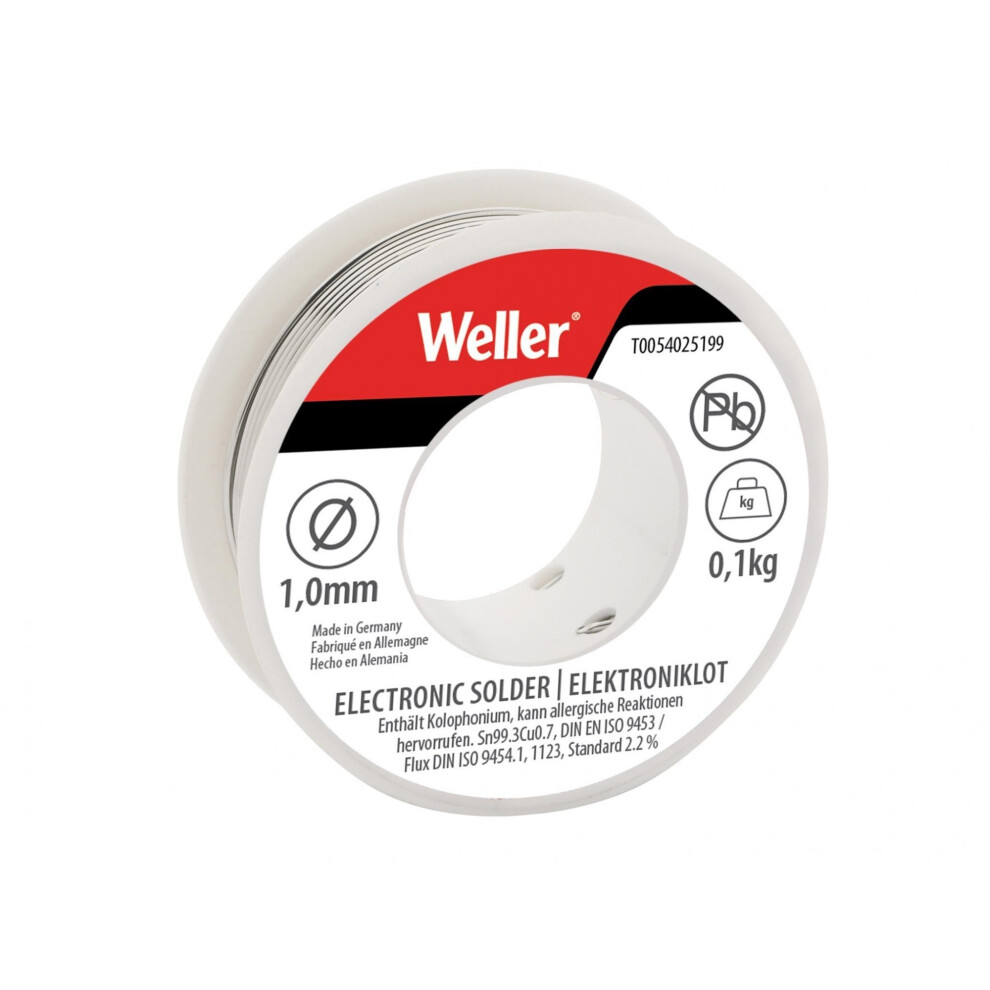
Material drives the tradeoff. Tin/lead melts low (around 215°C) and protects delicate parts, while lead-free tin or silver/copper avoids lead but asks for more heat.
Hardware build
Hardware material splits by use. Steel or stainless steel stays put but adds weight, plastic is portable but less stable.
Colour coding
Colour options like silver, bronze or gold help a shared workshop sort alloys, but limited shades may not match your current stock.
See live range
Once you fix the spec, the live grid below shows the current options for that mix and size.
What's good
- Solder wire in tin/lead melts at lower temperatures, which protects heat-sensitive components during small repairs.
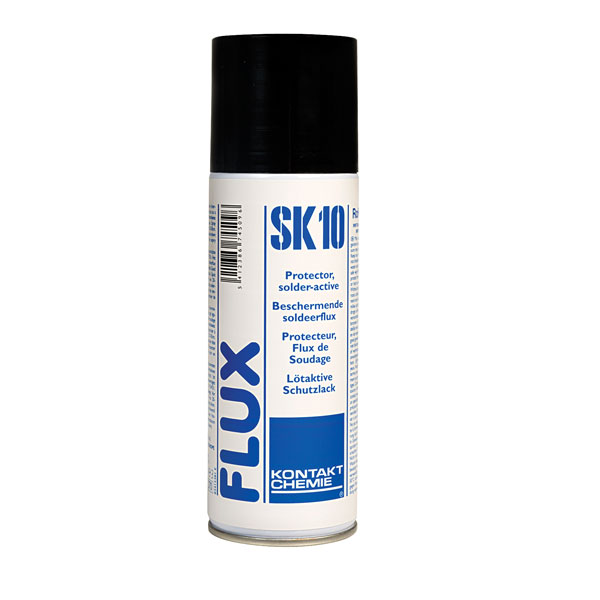
- Flux pens and small paste pots (Building Consumables) give controlled application, so you waste less on each joint.
- Hardware made from stainless steel or plastic sits steady on the bench and resists rust near flux fumes.
- Colour choices like silver, bronze or gold help a workshop tell alloys apart without reading labels.
Things to watch
- Lead-free solder in tin or silver/copper needs higher iron temperatures, which is wrong for older boards that warp under heat.
- Solder pellets sit under Building Consumables but are awkward to feed by hand, so they suit reflow or bulk jobs rather than quick fixes.
- Plastic Hardware lacks the mass of steel versions, and can slide on the bench during precise joins.
- Bright coloured fluxes such as red, green or blue can leave stains on visible work, a nuisance on clean finishes.
Care & maintenance
Dry storage
Keep wire, pellets and paste in a dry box, because copper and silver/copper tarnish in damp air.
Tip care
Wipe flux pen tips and paste lids after use, or the no-clean formula will dry and block the nozzle.
Metal upkeep
Wipe steel or stainless steel Hardware free of residue, since flux left on metal attracts corrosion.
Heat distance
Store lead and tin/lead items away from radiators to avoid softening or melting before use.
Frequently Asked Questions
What should I look for when buying solder & flux?
When shopping for solder & flux, consider factors such as quality, price, brand reputation, and customer reviews. Compare prices across multiple retailers to ensure you're getting the best deal. Look for products that match your specific needs and budget.
How do I choose the right solder & flux?
Choosing the right solder & flux depends on your individual needs, budget, and preferences. Research different options, read customer reviews, and compare specifications. Consider what features are most important to you and look for products that offer the best value for money.
Where can I find the best deals on solder & flux?
You can find the best deals on solder & flux by comparing prices across multiple retailers. Our price comparison tool helps you find the lowest prices from trusted UK retailers including Amazon, eBay, and other major online stores. Check regularly as prices and deals change frequently.
Are solder & flux products worth the investment?
The value of solder & flux products depends on your specific needs and how you plan to use them. Quality products from reputable brands often provide better long-term value, even if they cost more initially. Consider your budget and requirements when making your decision.
What's the difference between different types of solder & flux?
Different types of solder & flux vary in features, quality, price, and intended use. Some may offer premium features while others focus on affordability. Research the specific differences between models or brands to find the option that best suits your needs and budget.