Watering Globes & Spikes
How to choose watering globes & spikes
Material
Material matters. Glass looks clean but breaks, polypropylene and plastic take knocks, clay breathes yet clogs.
Flow rate
Flow rate selects the tier. Pick 2L/h for small pots, 8L/h for bigger beds, match to plant need.
Pressure type
Pressure type decides evenness. Choose pressure compensating for long runs or slopes, non-pressure for compact flat gardens.
Colour
Colour blends with decor. Home & Garden items span green, bronze, yellow and more, select to suit your patio.
Category fit
Category fit guides scope. Watering & Irrigation serves greenhouse rows, Home & Garden fits indoor displays, Lawn & Garden covers broader outdoor watering.
What's good
- Glass watering bulbs (Home & Garden) show water level at a glance. They come in clear, pink, blue and other colours to match your pots. These suit windowsill herbs but are wrong for large outdoor borders.
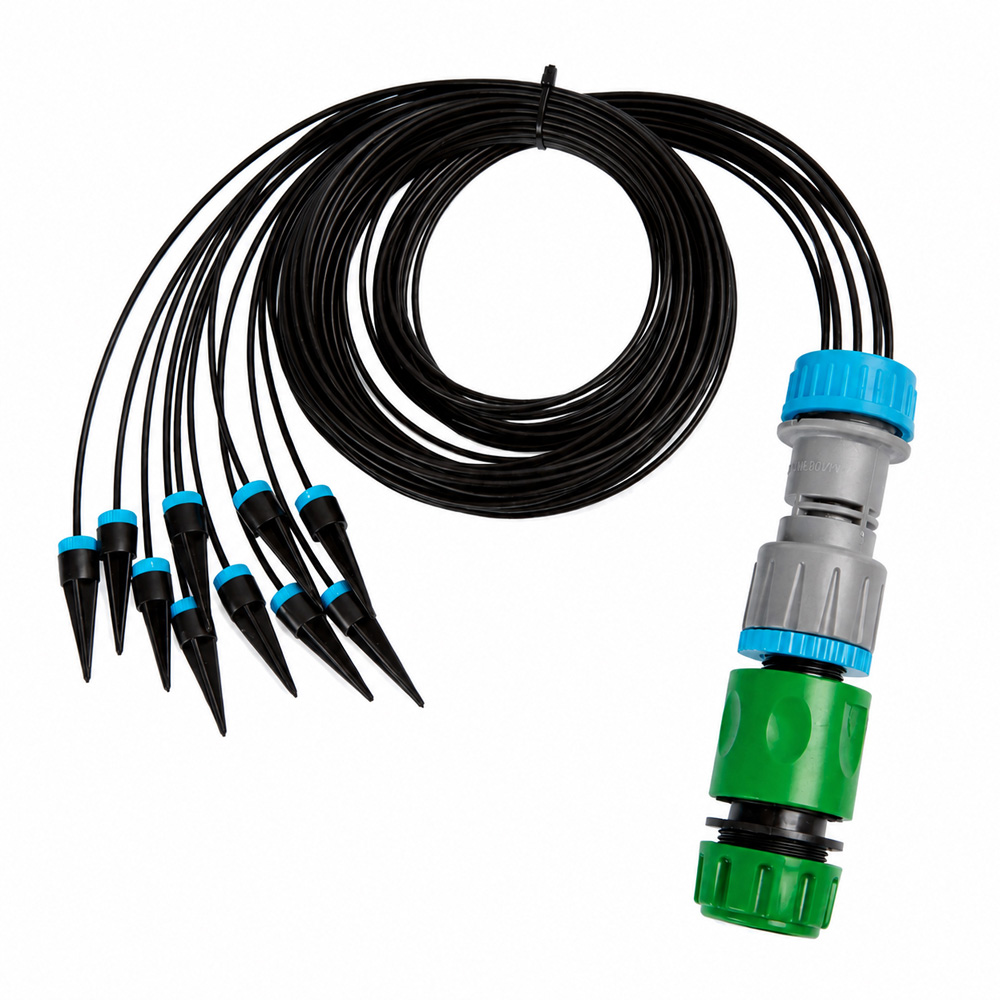
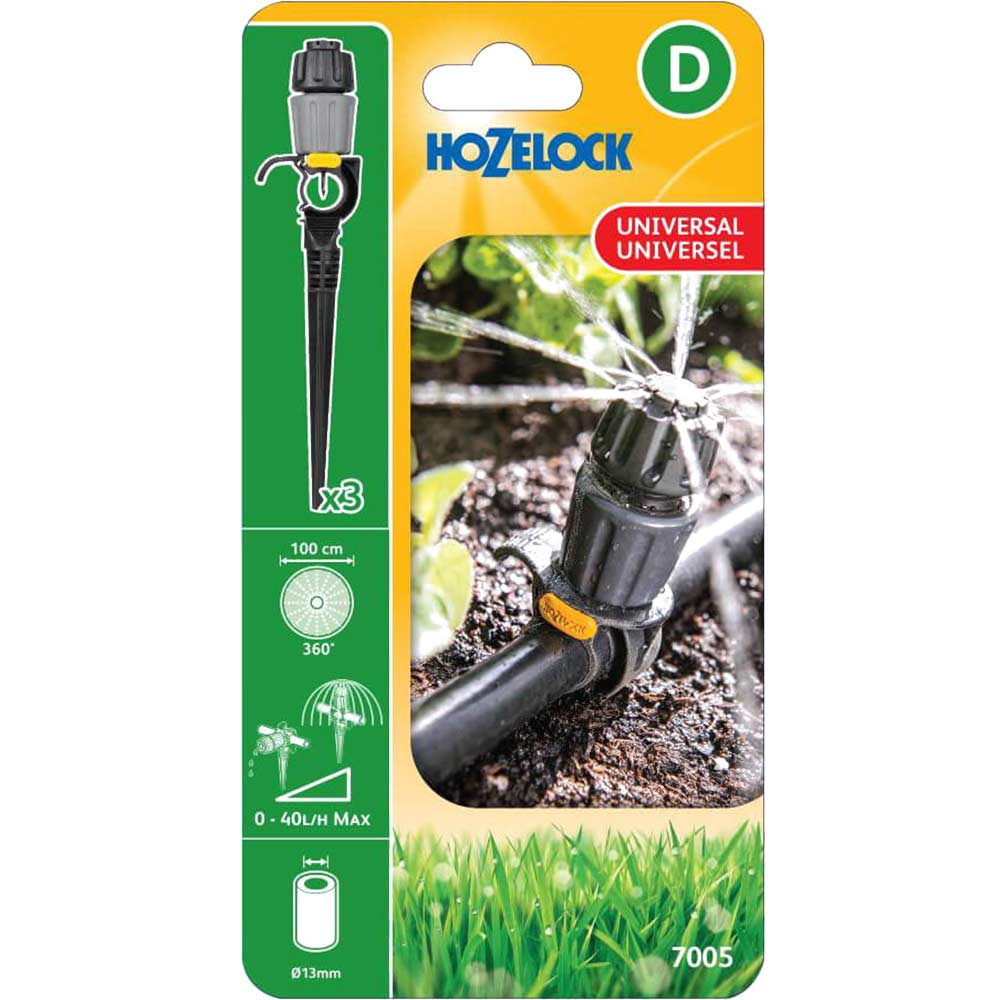
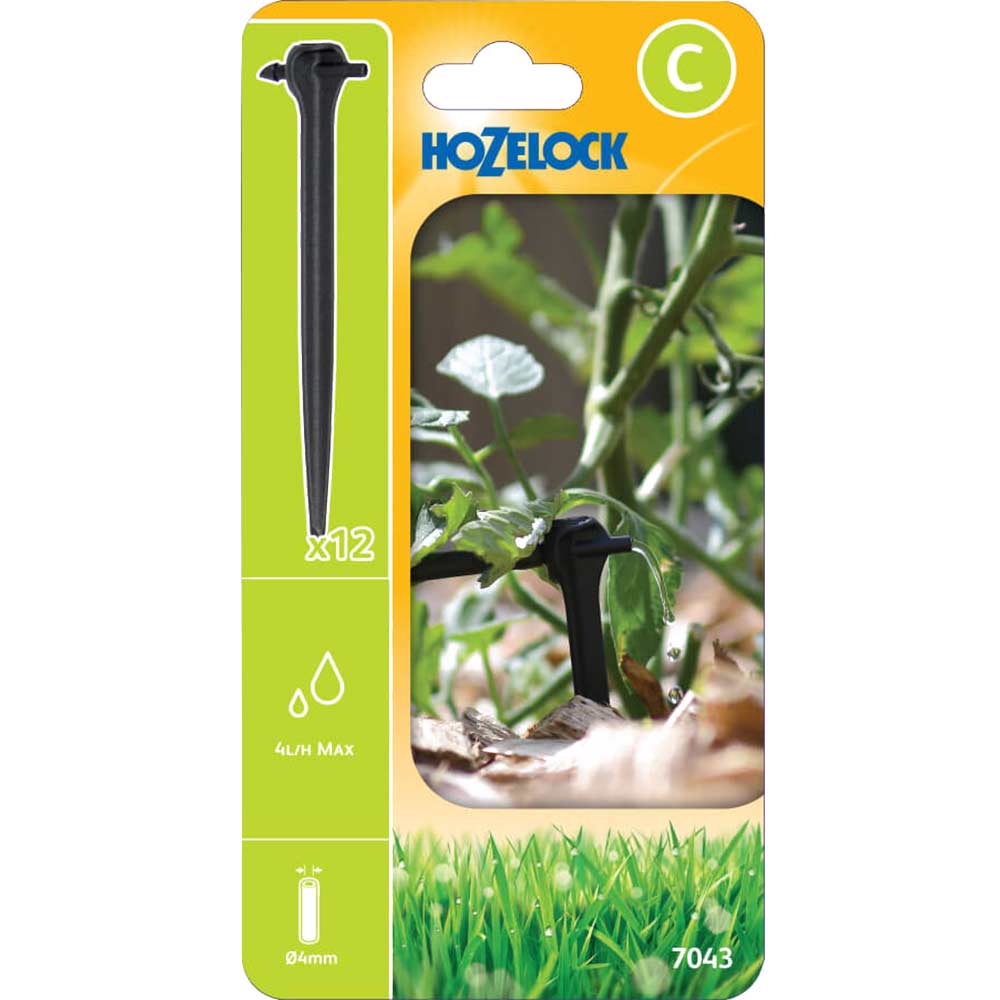
- Drip emitters in the Watering & Irrigation type offer 2L/h or 8L/h flow. You can match delivery to pot size or row length. Pressure compensating models keep output steady on slopes, while non-pressure types suit flat small plots.
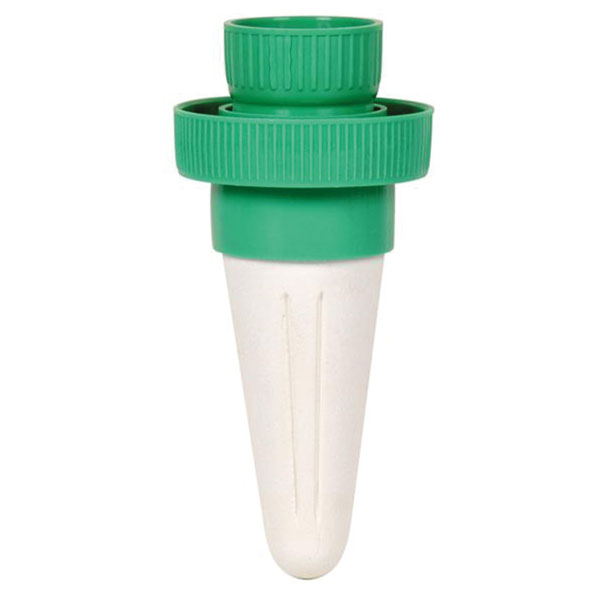
- Self-watering cones in plastic or clay/plastic push into the soil. They keep 45-60cm houseplants fed for around 15 days. This frees up your time on holiday, though they will not sustain deep shrubs.
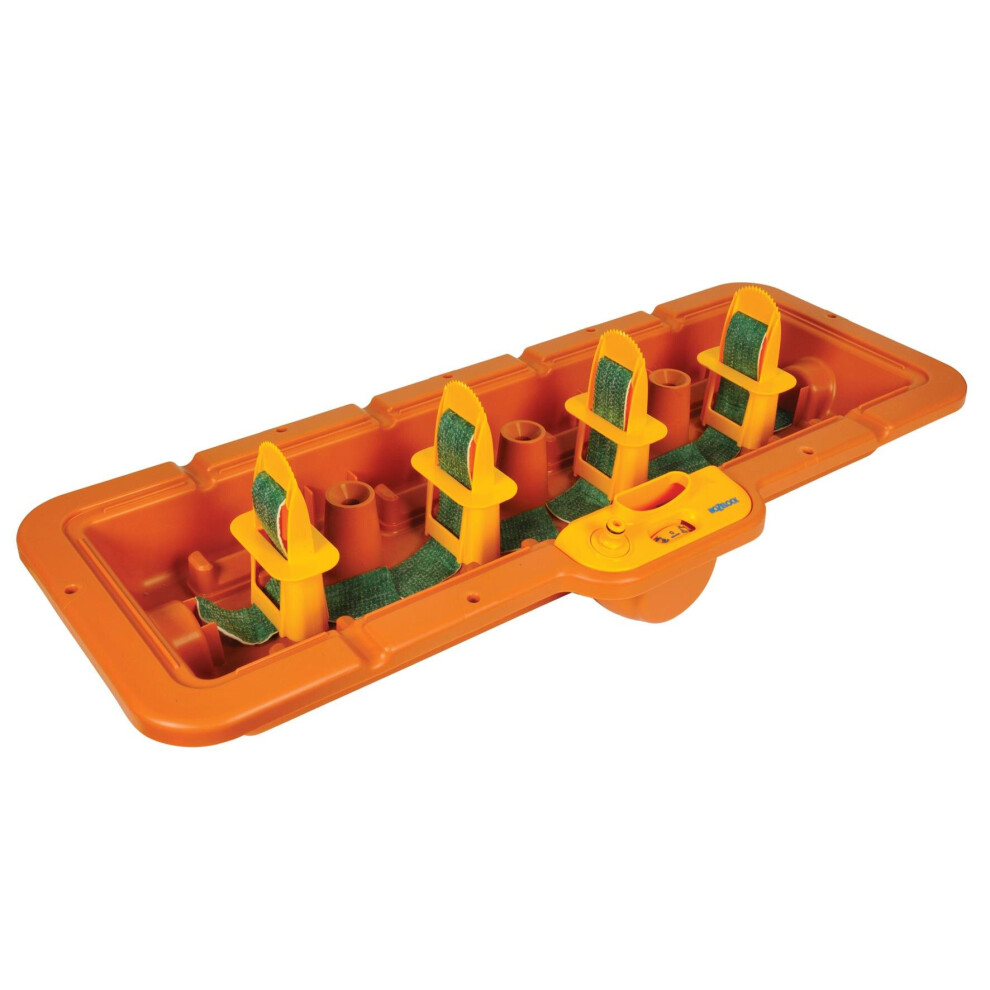
- Solar automatic kits water greenhouses without mains power. They are good for off-grid polytunnels. They demand sunny placement and more setup than a simple spike.
- Bee stations (resin or ceramic/plastic) give pollinators a safe drink. This is a low effort garden win. They do nothing for plant irrigation, so don't rely on them for crops.
Things to watch
- Glass bulbs shatter if bumped. Their small size means frequent top-ups for thirsty plants.
- Non-pressure compensating drippers are basic but lose flow on uneven ground.
- Clay and clay/plastic cones clog with hard water scale. They need regular flushing.
- Solar systems need direct sun and a permanent mount. They are poor for shaded north walls.
- Pollinator stations are ornamental only. They cannot replace a drip line for vegetables.
Care & maintenance
Rinse
Rinse glass globes and cone feeders each month. This stops algae and lime build-up.
Clear emitters
Poke out drip emitter slits if flow slows. The turbulent flow types catch debris.
Winter storage
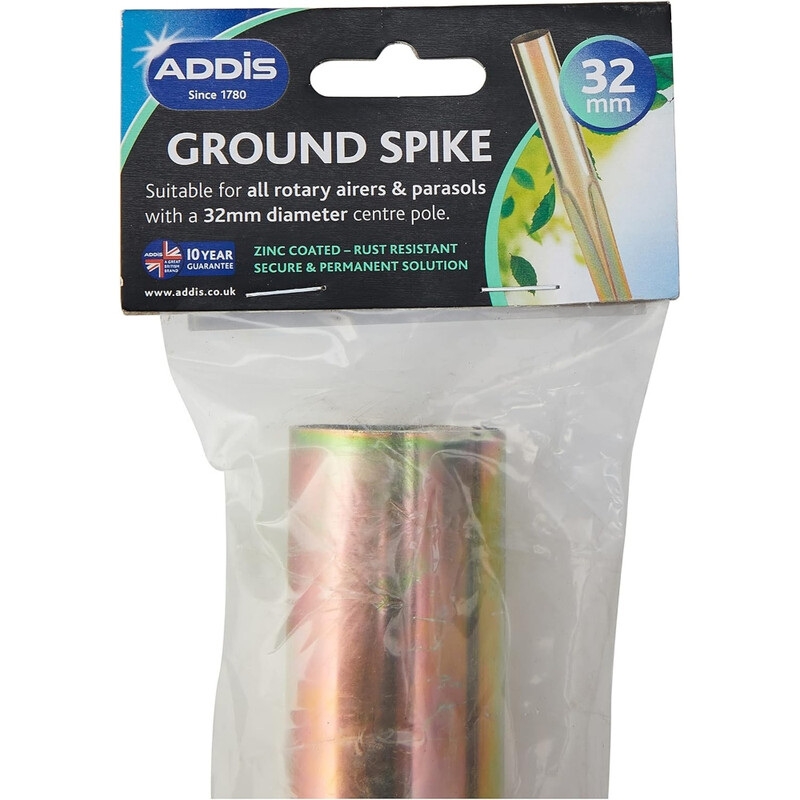
Bring metal or iron spikes inside during frost. This prevents rust.
Fresh water
Change water in bee stations every couple of days. It avoids mosquitoes.
Frequently Asked Questions
What should I look for when buying watering globes & spikes?
When shopping for watering globes & spikes, consider factors such as quality, price, brand reputation, and customer reviews. Compare prices across multiple retailers to ensure you're getting the best deal. Look for products that match your specific needs and budget.
How do I choose the right watering globes & spikes?
Choosing the right watering globes & spikes depends on your individual needs, budget, and preferences. Research different options, read customer reviews, and compare specifications. Consider what features are most important to you and look for products that offer the best value for money.
Where can I find the best deals on watering globes & spikes?
You can find the best deals on watering globes & spikes by comparing prices across multiple retailers. Our price comparison tool helps you find the lowest prices from trusted UK retailers including Amazon, eBay, and other major online stores. Check regularly as prices and deals change frequently.
Are watering globes & spikes products worth the investment?
The value of watering globes & spikes products depends on your specific needs and how you plan to use them. Quality products from reputable brands often provide better long-term value, even if they cost more initially. Consider your budget and requirements when making your decision.
What's the difference between different types of watering globes & spikes?
Different types of watering globes & spikes vary in features, quality, price, and intended use. Some may offer premium features while others focus on affordability. Research the specific differences between models or brands to find the option that best suits your needs and budget.