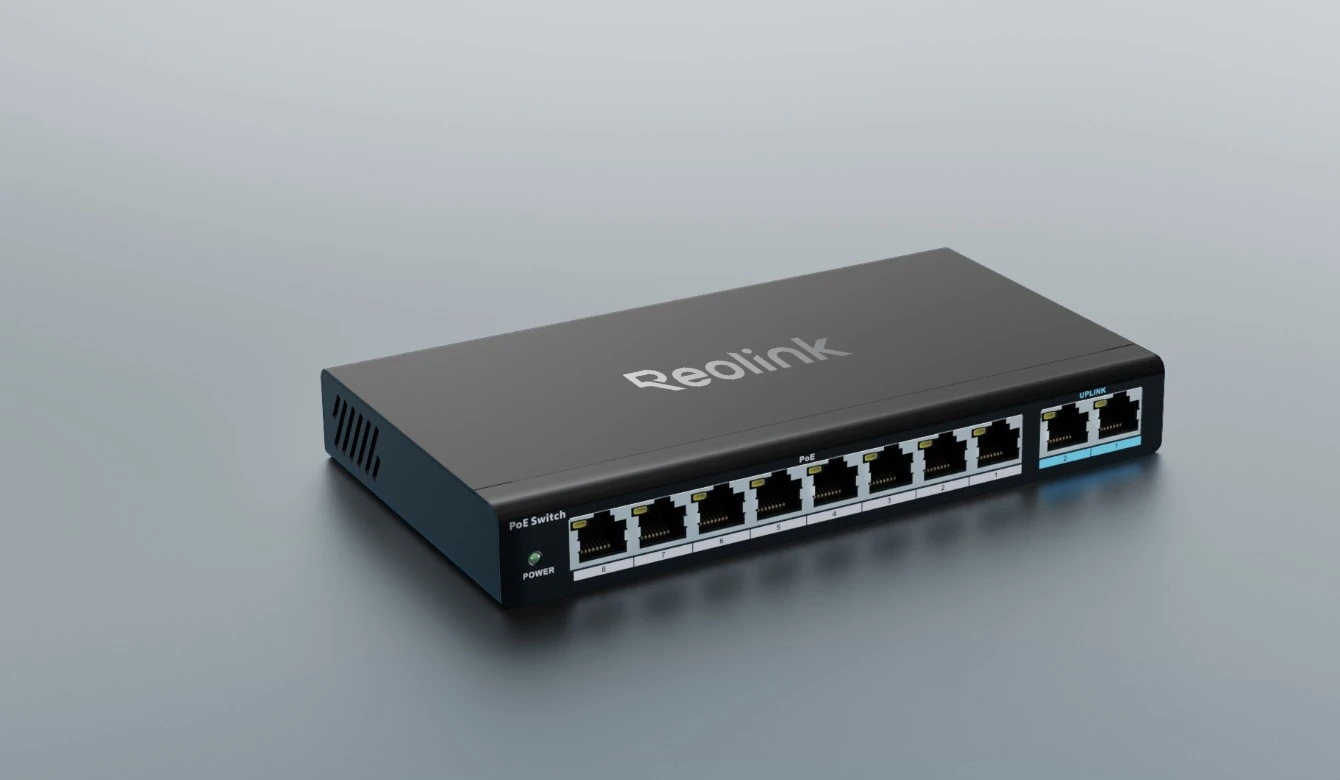
Hubs & Switches
How to choose hubs & switches
Sub-type fit
Sub-type leads the choice: Networking switches cover traffic control, while Electronics hubs handle basic signal passthrough for simpler tasks.
Build material
Material drives durability. Plastic bodies keep desktop units light, whereas metal, steel, or copper/mode builds add weight but survive harsh sites.
Colour and site
Colour matters for placement. Black, grey, or white blend into offices, while green, orange, or blue/white help spot units in busy plant areas.
Management tier
Within Networking, management level is key. Unmanaged suits set-and-forget, smart or managed fits VLAN and SFP use.
Ports and speed
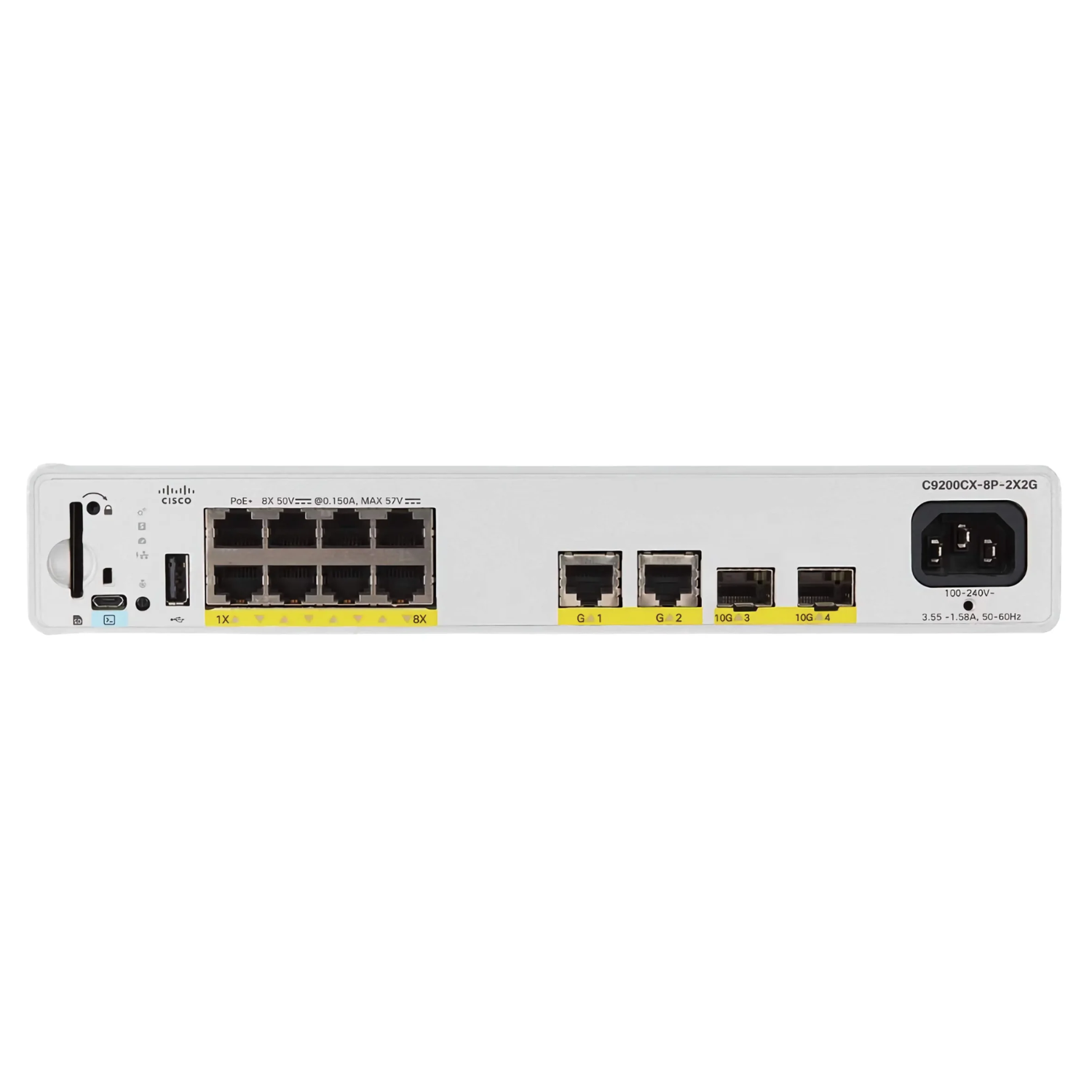
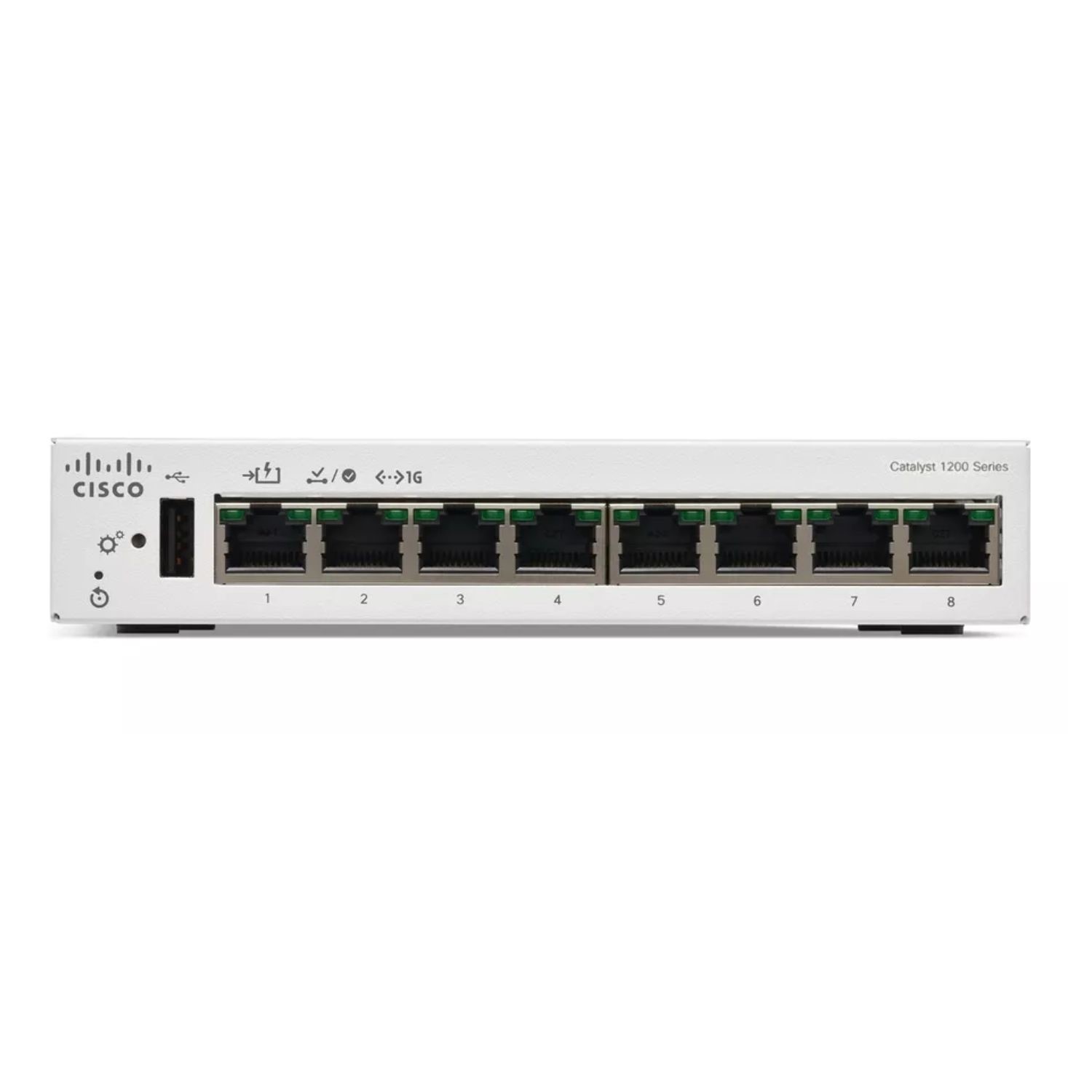
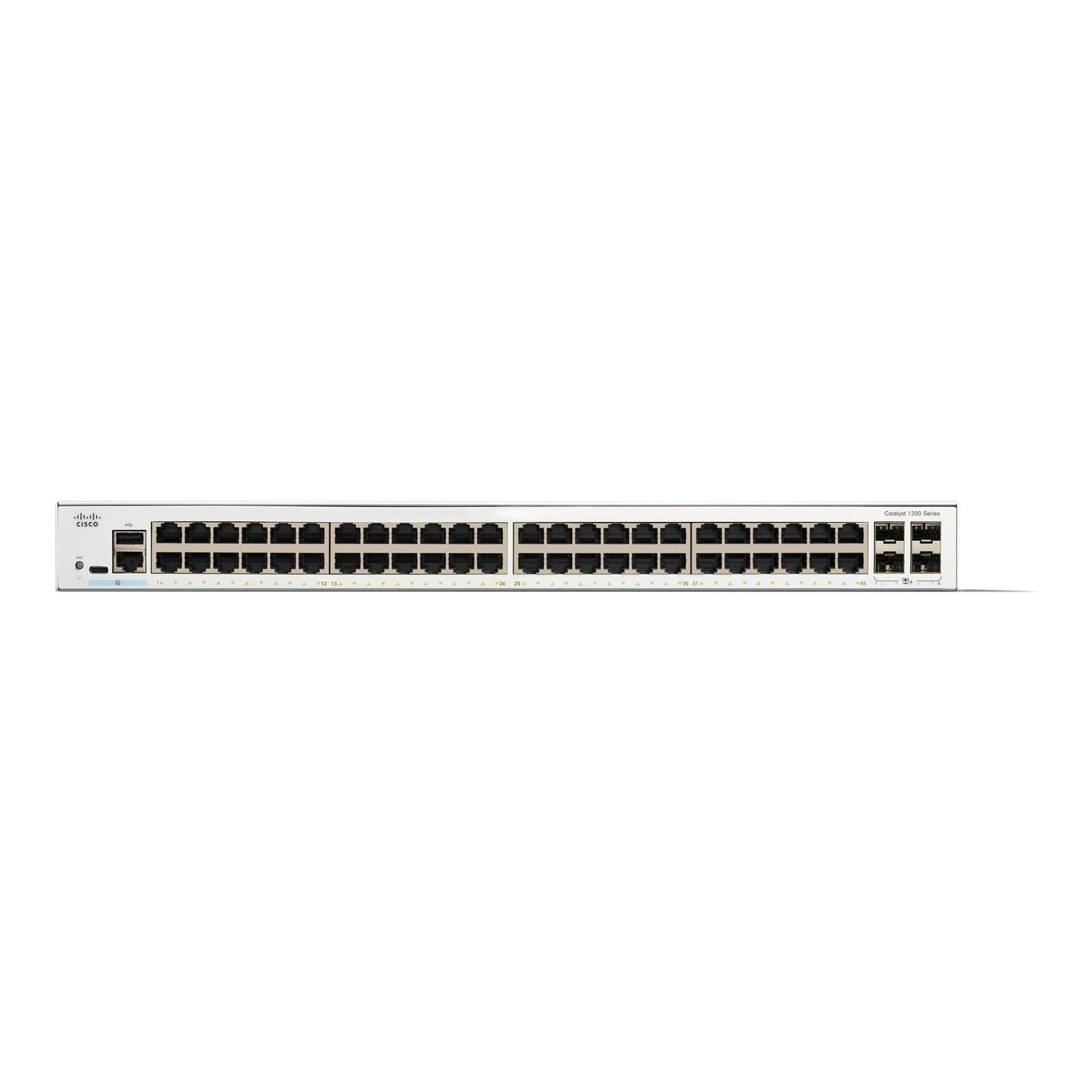
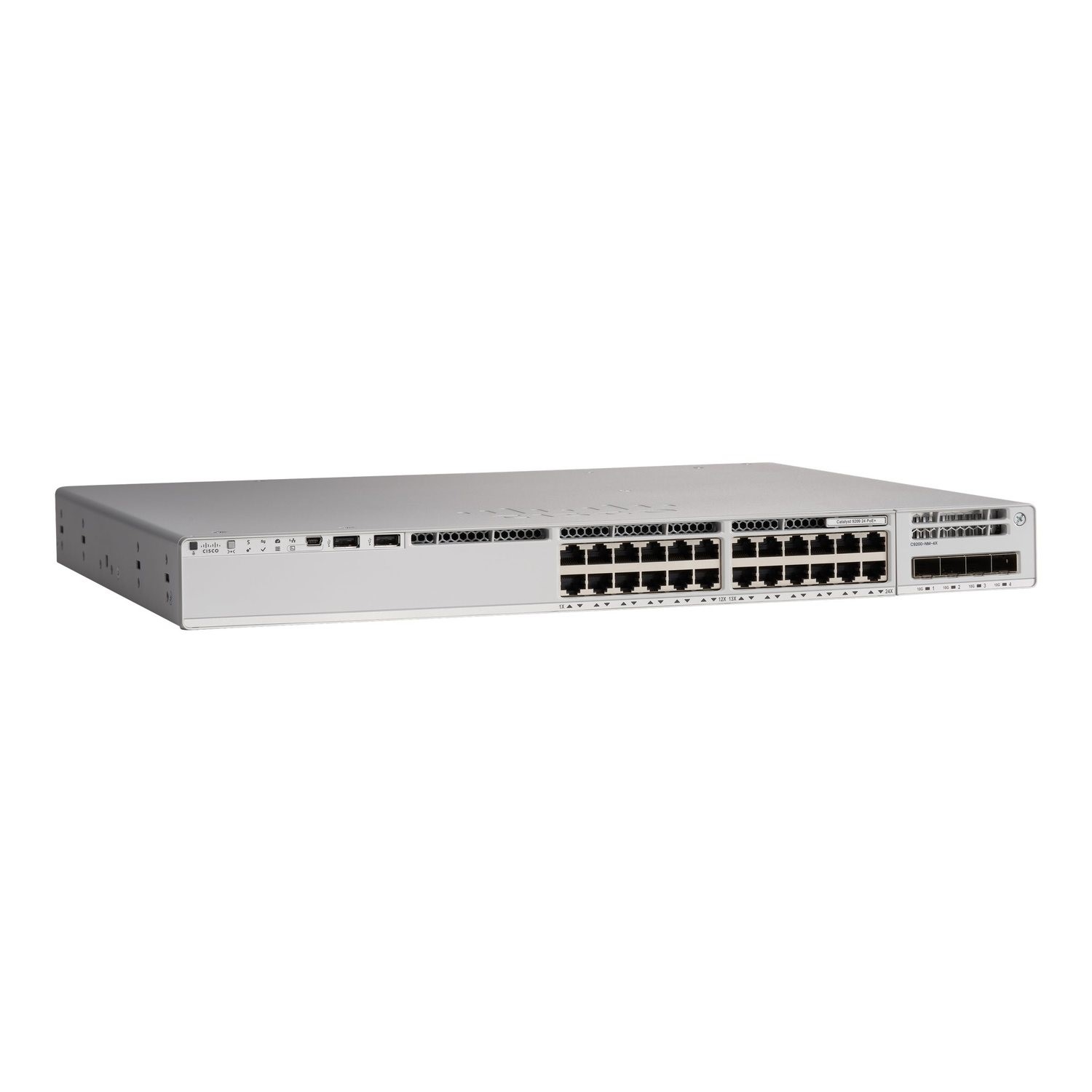
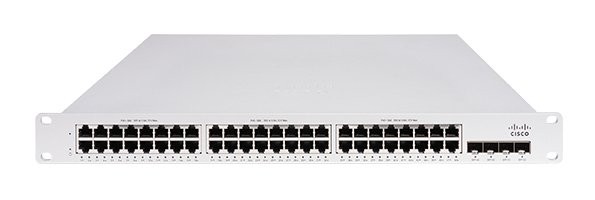
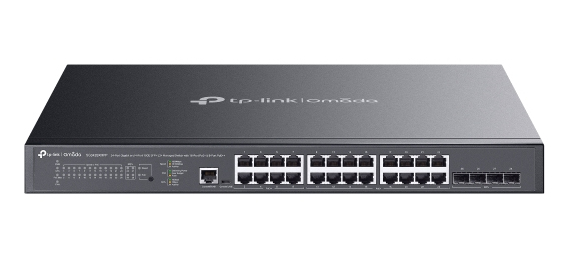
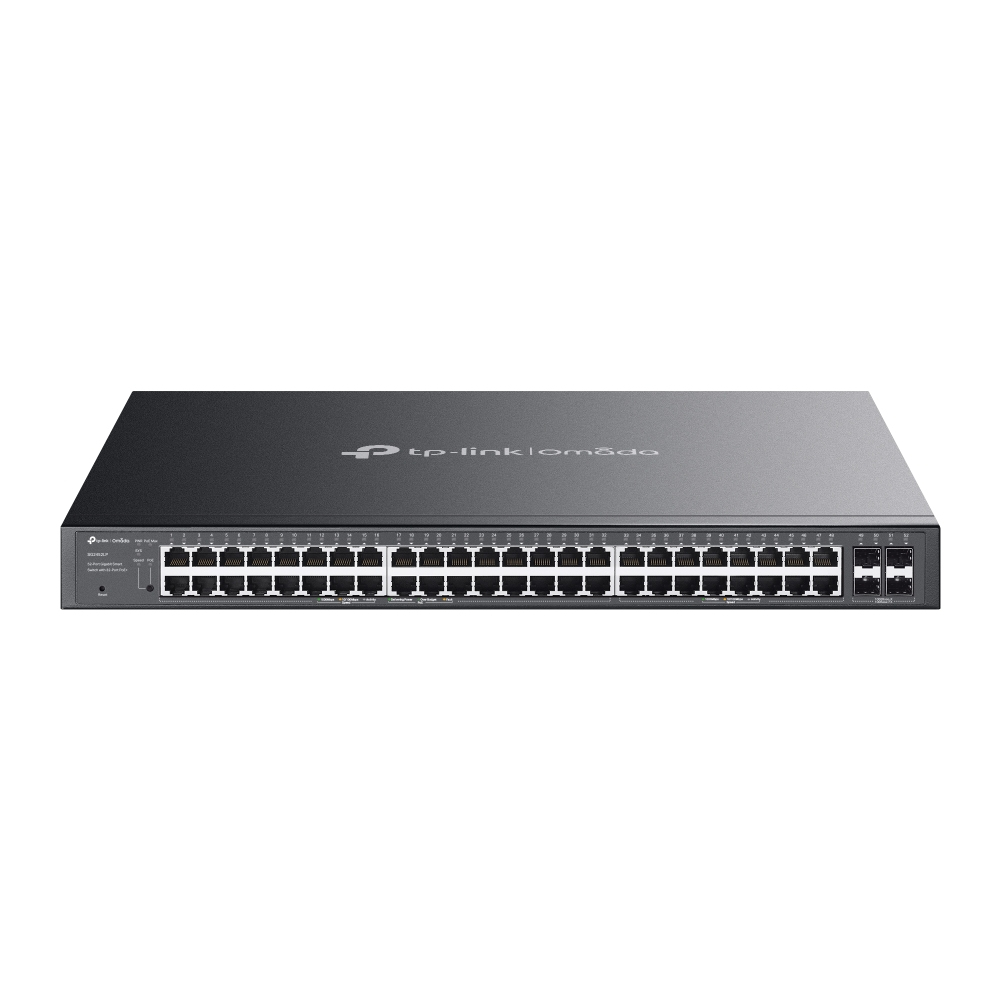
Port count and speed seal the match. A 5-port fast ethernet desktop fills a single desk, while a 24-port gigabit metal unit with SFP serves a comms cabinet.
What's good
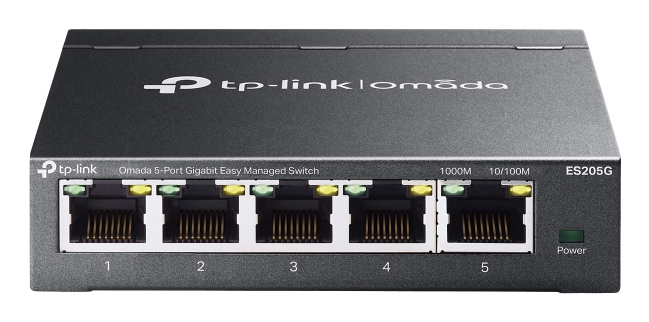
- Unmanaged desktop switches give plug-and-play wired expansion. They need no setup and suit a small office or home lab.
- Managed and smart tiers add VLANs, SFP fibre uplinks, and PoE+ control. These help a growing network stay ordered.
- Industrial unmanaged models use metal or steel housings with DIN mounting. They keep running in heat, dust, and vibration that break plastic desktop units.
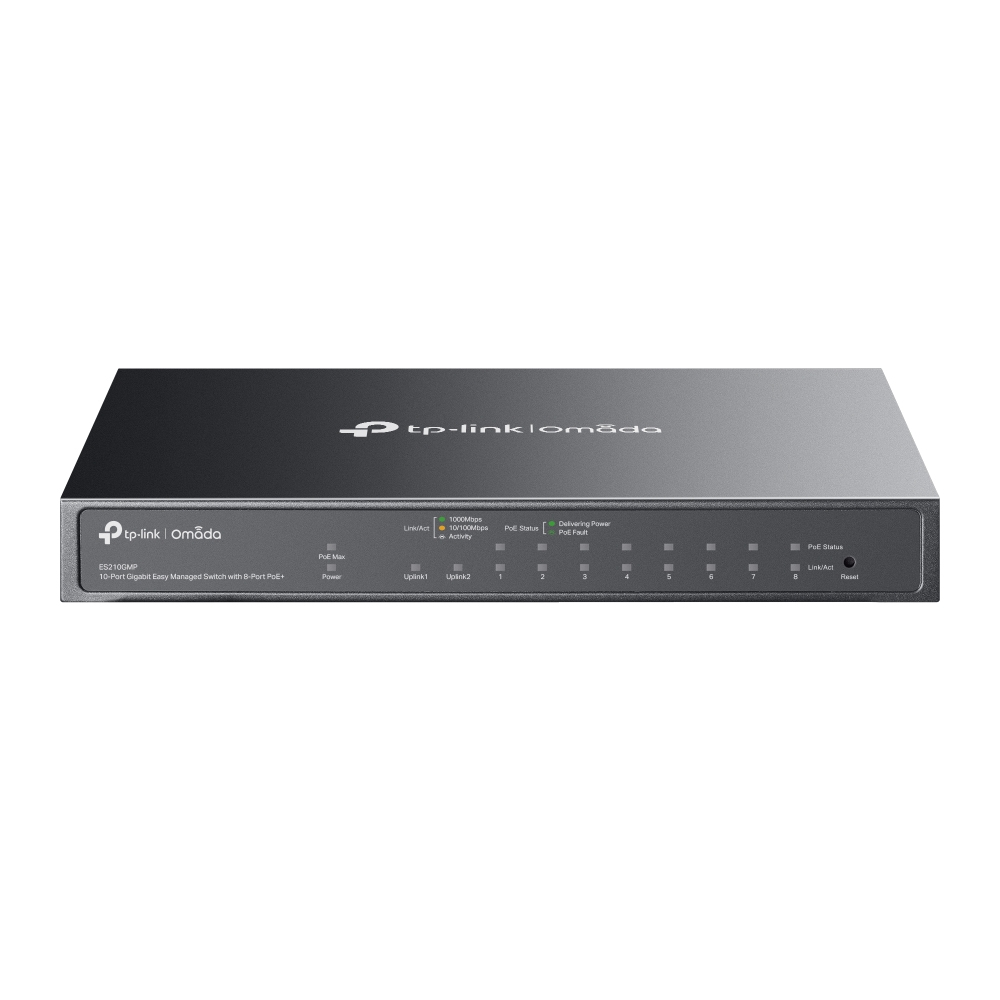
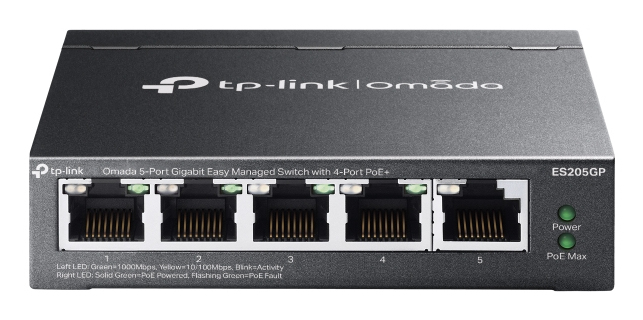
- PoE+ switches carry power and data on one cable. That removes separate adapters for cameras, phones, and access points.
- Gigabit models outperform 10/100 fast ethernet where several devices share bandwidth.
Things to watch
- Unmanaged switches offer no traffic prioritising. They are wrong for busy networks with voice or video loads.
- Managed switches demand time and networking knowledge. A home user may never open their extra menus.
- Industrial builds in metal or steel are heavier and plainer than colourful desktop plastics. They trade looks for endurance.
- Fast ethernet 10/100 units cap speed at 100Mbps. Pair them with gigabit devices and you waste the port potential.
- PoE+ tiers run warmer and draw more from the mains. They need airflow that a closed shelf cannot give.
Care & maintenance
Dust control
Wipe dust from vents on metal and plastic housings every few months.
Mount checks
Tighten DIN rail clips on industrial switches after the first month of vibration.
Firmware
Update firmware on smart and managed switches when the interface flags a release.
SFP care
Seat SFP transceivers firmly and avoid bending their cables.
Frequently Asked Questions
What should I look for when buying hubs & switches?
When shopping for hubs & switches, consider factors such as quality, price, brand reputation, and customer reviews. Compare prices across multiple retailers to ensure you're getting the best deal. Look for products that match your specific needs and budget.
How do I choose the right hubs & switches?
Choosing the right hubs & switches depends on your individual needs, budget, and preferences. Research different options, read customer reviews, and compare specifications. Consider what features are most important to you and look for products that offer the best value for money.
Where can I find the best deals on hubs & switches?
You can find the best deals on hubs & switches by comparing prices across multiple retailers. Our price comparison tool helps you find the lowest prices from trusted UK retailers including Amazon, eBay, and other major online stores. Check regularly as prices and deals change frequently.
Are hubs & switches products worth the investment?
The value of hubs & switches products depends on your specific needs and how you plan to use them. Quality products from reputable brands often provide better long-term value, even if they cost more initially. Consider your budget and requirements when making your decision.
What's the difference between different types of hubs & switches?
Different types of hubs & switches vary in features, quality, price, and intended use. Some may offer premium features while others focus on affordability. Research the specific differences between models or brands to find the option that best suits your needs and budget.