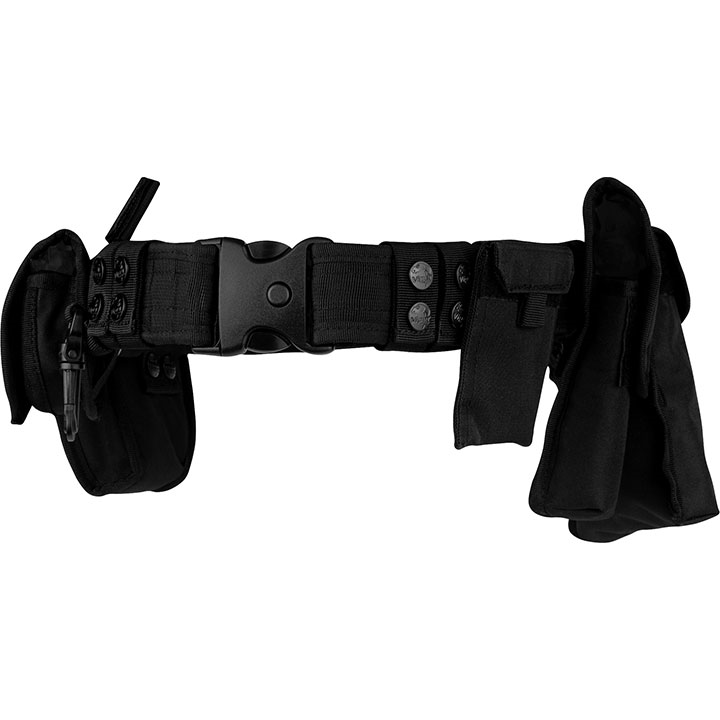
Tool & Equipment Belts
How to choose tool & equipment belts
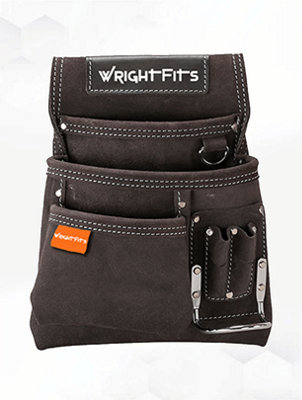
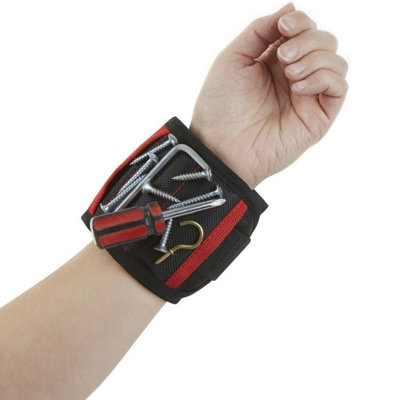
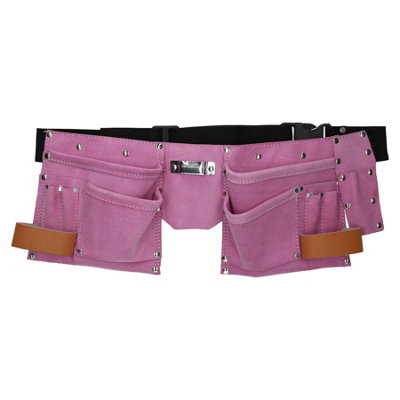
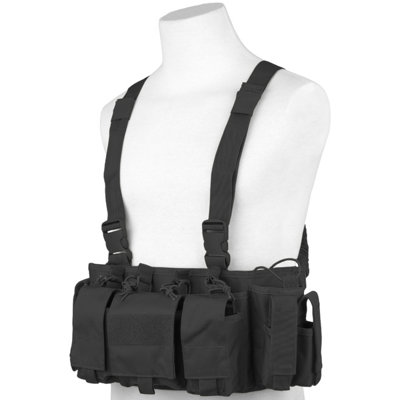
Decide between tool and duty belts for hands-free carry, or tool storage and organisation for seated bench work.
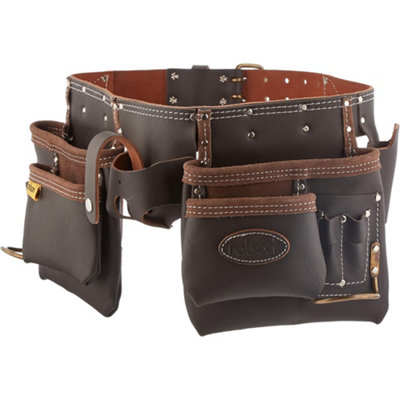
Material drives tradeoffs: leather for long life, polyester/nylon for light weight, cotton or denim for breathability.
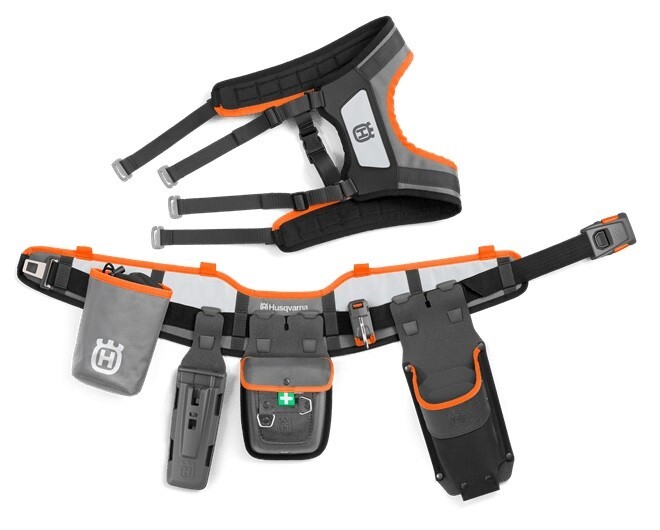
Colour is practical, not just style. Orange or yellow boost visibility on site, while brown or grain suit gardening.
Hardware accessories make sense if you already own a solid belt, but the Hardware sub-type (metal parts) is for repairing rather than starting fresh.
Fleece or fur lined versions are for cold static tasks only, not for trades that climb or crawl.
What's good
- Tool and duty belts keep essentials on your hip, so both hands stay free for the job.
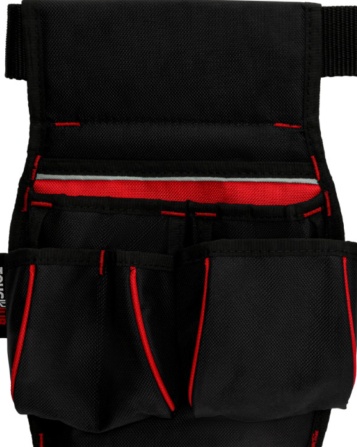
- Tool storage and organisation pieces, like aprons with pockets, sort small parts while you work at a bench.
- Hardware accessories let you bolt a drill holster or clip to gear you already own, avoiding a full new belt.
- Genuine leather and leather options in this range age well and suit trades where appearance matters.
- The live grid below shows which of these styles are in stock with UK sellers right now.
Things to watch
- Leather and genuine leather belts carry weight well, but they are heavier than nylon and need regular care.
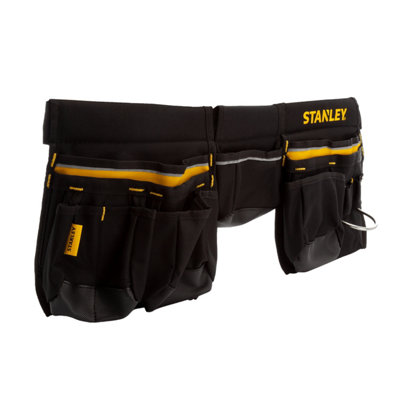
- Polyester and nylon items shrug off rain, yet they can snag or melt near heat sources.
- Hardware accessories only help if your current belt has the right width and anchor points, so they aren't a standalone fix.
- Fleece or fur lined choices from the material list add warmth, but they collect dust and are poor for messy outdoor tasks.
- Tool storage aprons with split legs limit stride, which is wrong for workers moving across sites.
Care & maintenance
Wipe leather and genuine leather with a damp cloth, then condition monthly to prevent cracks.
Machine wash cotton, denim, or polyester mixes on cool, and air dry to keep pockets shaped.
Dry metal buckles and rings after wet use, and check for rust before each shift.
Empty tool storage compartments after use so seams do not stretch out of shape.
Frequently Asked Questions
What should I look for when buying tool & equipment belts?
When shopping for tool & equipment belts, consider factors such as quality, price, brand reputation, and customer reviews. Compare prices across multiple retailers to ensure you're getting the best deal. Look for products that match your specific needs and budget.
How do I choose the right tool & equipment belts?
Choosing the right tool & equipment belts depends on your individual needs, budget, and preferences. Research different options, read customer reviews, and compare specifications. Consider what features are most important to you and look for products that offer the best value for money.
Where can I find the best deals on tool & equipment belts?
You can find the best deals on tool & equipment belts by comparing prices across multiple retailers. Our price comparison tool helps you find the lowest prices from trusted UK retailers including Amazon, eBay, and other major online stores. Check regularly as prices and deals change frequently.
Are tool & equipment belts products worth the investment?
The value of tool & equipment belts products depends on your specific needs and how you plan to use them. Quality products from reputable brands often provide better long-term value, even if they cost more initially. Consider your budget and requirements when making your decision.
What's the difference between different types of tool & equipment belts?
Different types of tool & equipment belts vary in features, quality, price, and intended use. Some may offer premium features while others focus on affordability. Research the specific differences between models or brands to find the option that best suits your needs and budget.