Anchor Lines & Ropes
How to choose anchor lines & ropes
Sub-type and environment
Pick sub-type first: Docking & Anchoring needs floating polypropylene or stretchy nylon, while Vehicle Parts & Accessories may call for steel-mix strength.
Natural vs synthetic fibre
Material tradeoff: polyester holds strength when wet, jute looks traditional but weakens outdoors.
Colour for task
Colour choice balances visibility against dirt: red or orange stand out, grey blends in.
Size to load
Diameter and length must suit the craft: small dinghies take 10mm lines, larger vessels need 24mm or above.
Where it lives
Watercraft Parts & Accessories vs Vehicles & Parts: match rope to environment, road grit versus harbour spray.
What's good
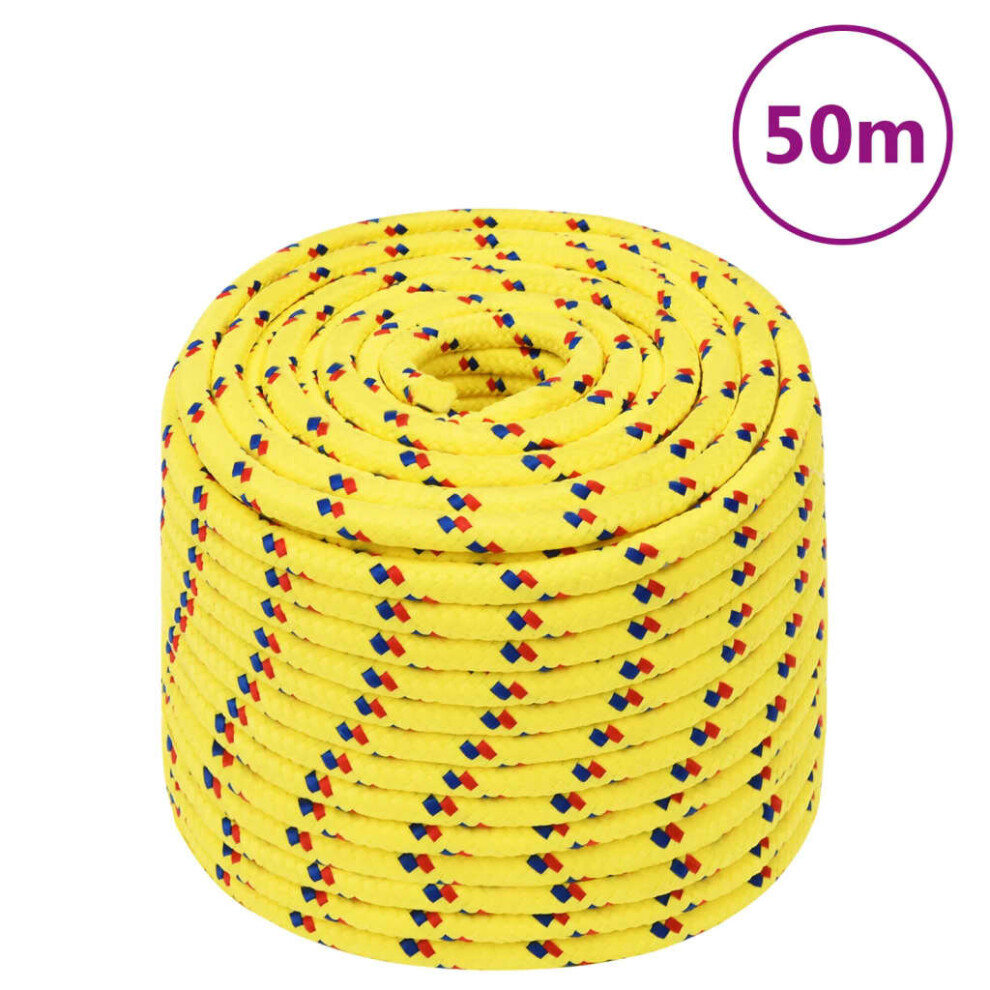
- Synthetic mooring ropes in polyester, nylon or polypropylene resist water rot and are light to handle on the dock.
- Natural jute or cotton ropes give a classic look for barrier use in Vehicle Parts & Accessories, with multicolor or black/red options available.
- Steel-cored combinations like nylon/steel or stainless steel/polyester/nylon bring high tensile strength for vehicle recovery or securing loads.
- A wide colour range, from white and grey to yellow and orange, lets you match existing gear or boost visibility.
- Many Docking & Anchoring ropes come with a pre-spliced soft eye, saving you the job of splicing.
Things to watch
- Jute and cotton absorb water and rot if left damp, so they suit dry barrier use rather than constant marine duty.
- Steel or steel-mix ropes are heavier and stiffer than pure synthetic, making them awkward for casual mooring.
- Bright colours like yellow or orange show grime faster than black or grey, needing more frequent cleaning.
- Thin diameters (around 10mm) are easy to stow but lack the load capacity of 24mm plus ropes for larger boats.
- Some Vehicle Parts & Accessories ropes need separate fittings, adding a step before first use.
Care & maintenance
Wash after marine use
Rinse synthetic mooring ropes in fresh water after salt exposure to slow UV and salt damage.
Dry natural ropes
Air dry natural fibre ropes completely before coiling to prevent mildew.
Check steel cores
Inspect steel-cored lines for surface rust at the splices, especially where nylon meets metal.
Coil and stow
Store coiled loose in a dry place, away from direct sun where possible.
Frequently Asked Questions
What should I look for when buying anchor lines & ropes?
When shopping for anchor lines & ropes, consider factors such as quality, price, brand reputation, and customer reviews. Compare prices across multiple retailers to ensure you're getting the best deal. Look for products that match your specific needs and budget.
How do I choose the right anchor lines & ropes?
Choosing the right anchor lines & ropes depends on your individual needs, budget, and preferences. Research different options, read customer reviews, and compare specifications. Consider what features are most important to you and look for products that offer the best value for money.
Where can I find the best deals on anchor lines & ropes?
You can find the best deals on anchor lines & ropes by comparing prices across multiple retailers. Our price comparison tool helps you find the lowest prices from trusted UK retailers including Amazon, eBay, and other major online stores. Check regularly as prices and deals change frequently.
Are anchor lines & ropes products worth the investment?
The value of anchor lines & ropes products depends on your specific needs and how you plan to use them. Quality products from reputable brands often provide better long-term value, even if they cost more initially. Consider your budget and requirements when making your decision.
What's the difference between different types of anchor lines & ropes?
Different types of anchor lines & ropes vary in features, quality, price, and intended use. Some may offer premium features while others focus on affordability. Research the specific differences between models or brands to find the option that best suits your needs and budget.