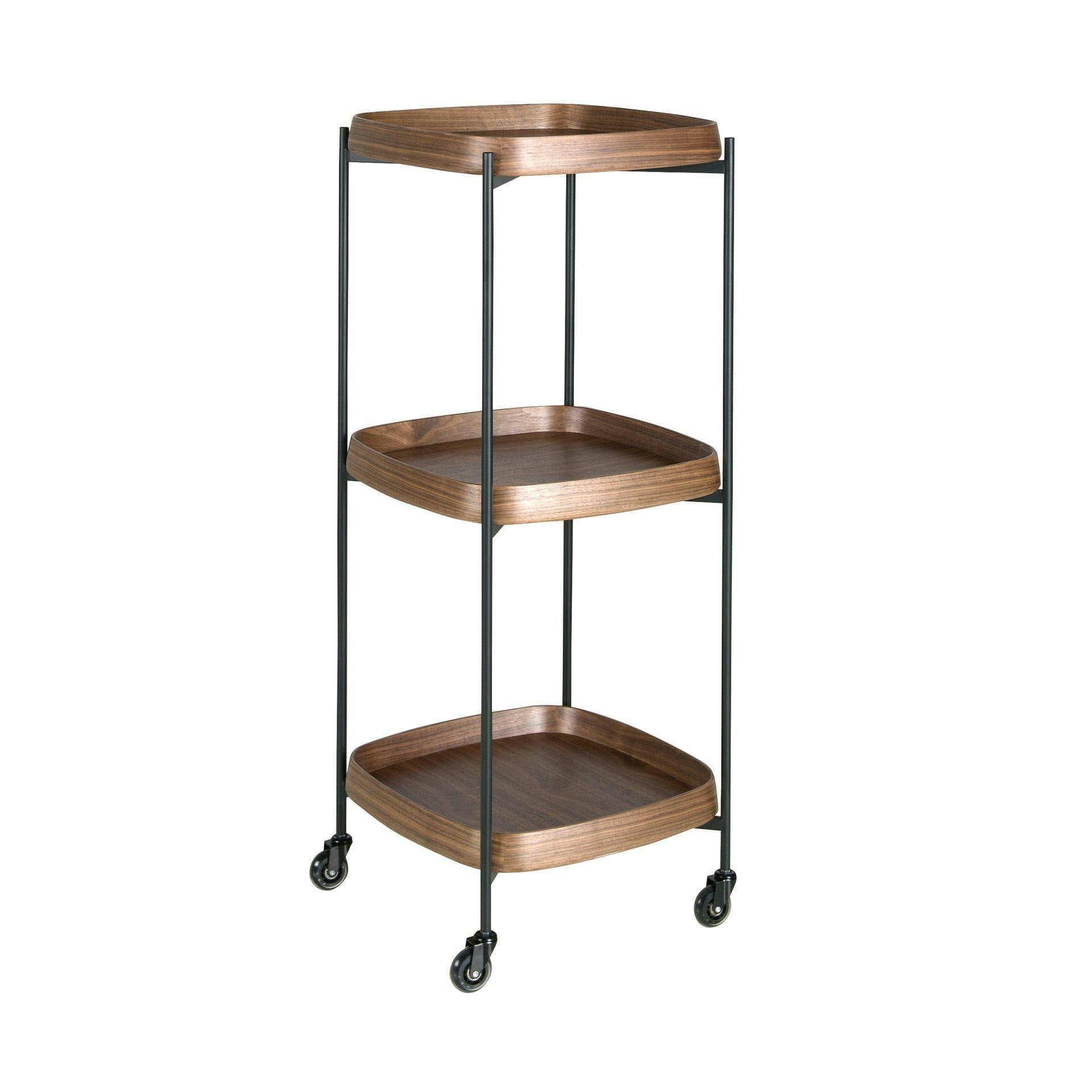
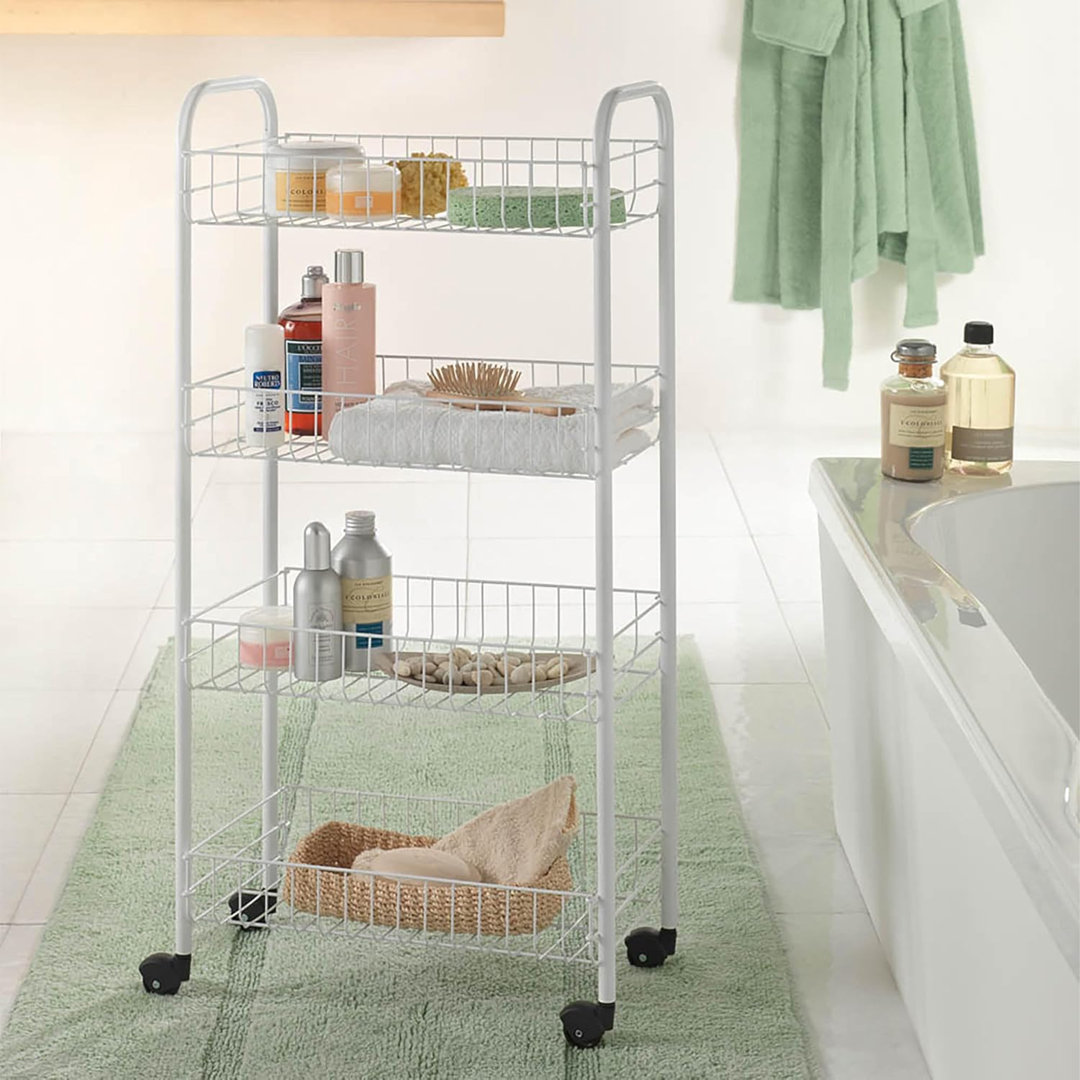
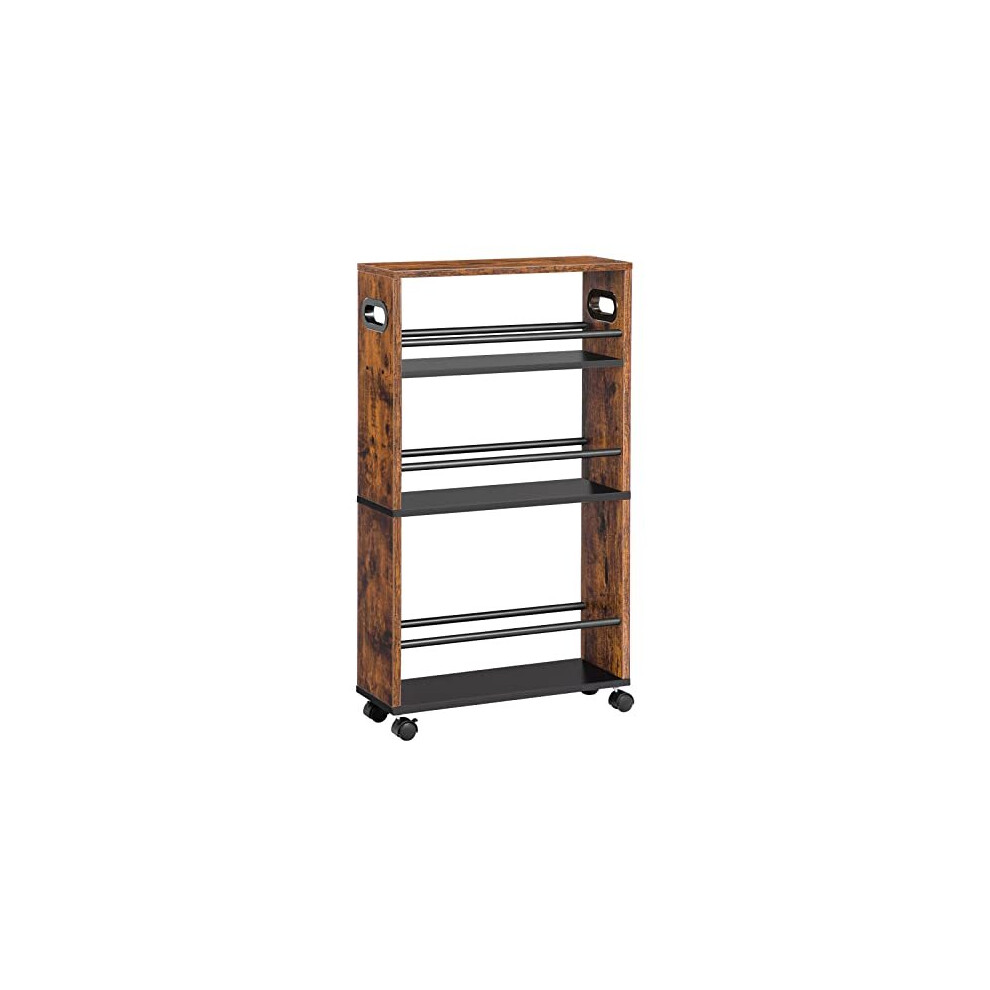
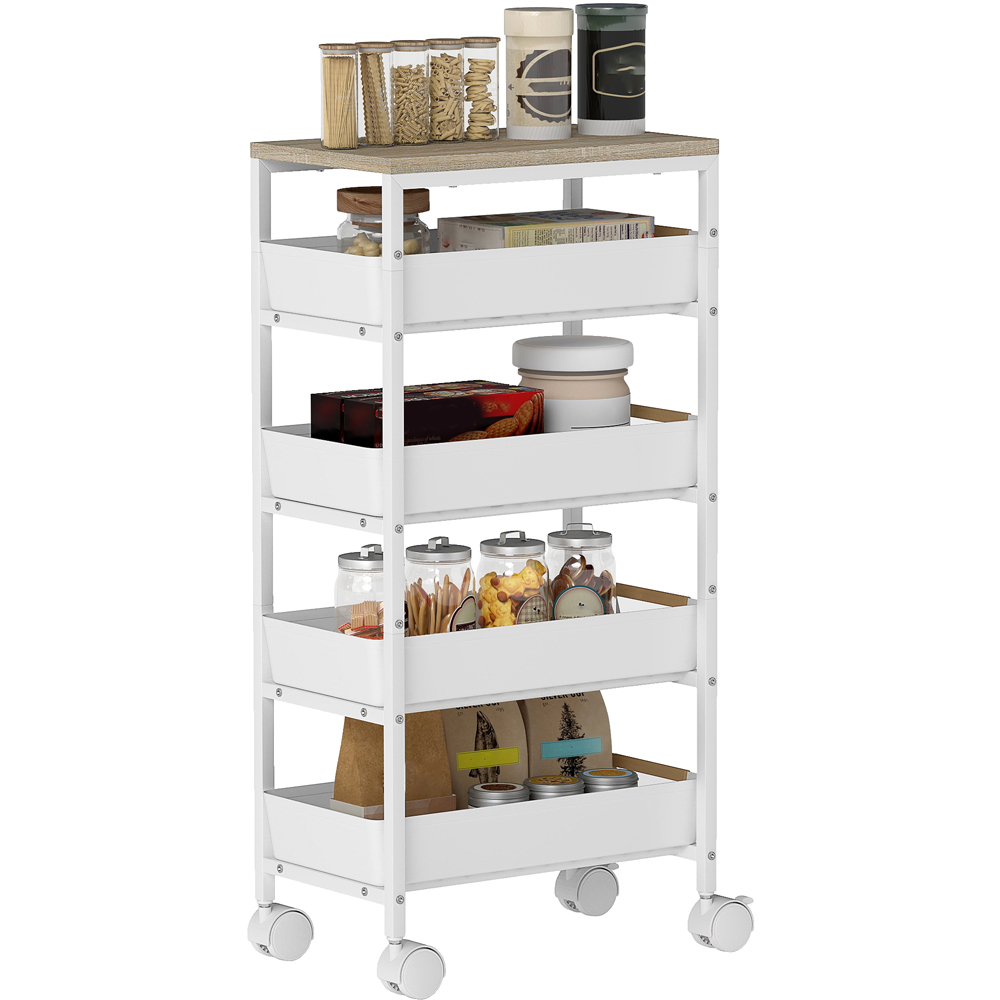
Kitchen & Dining Carts
How to choose kitchen & dining carts
Mobility vs fixed
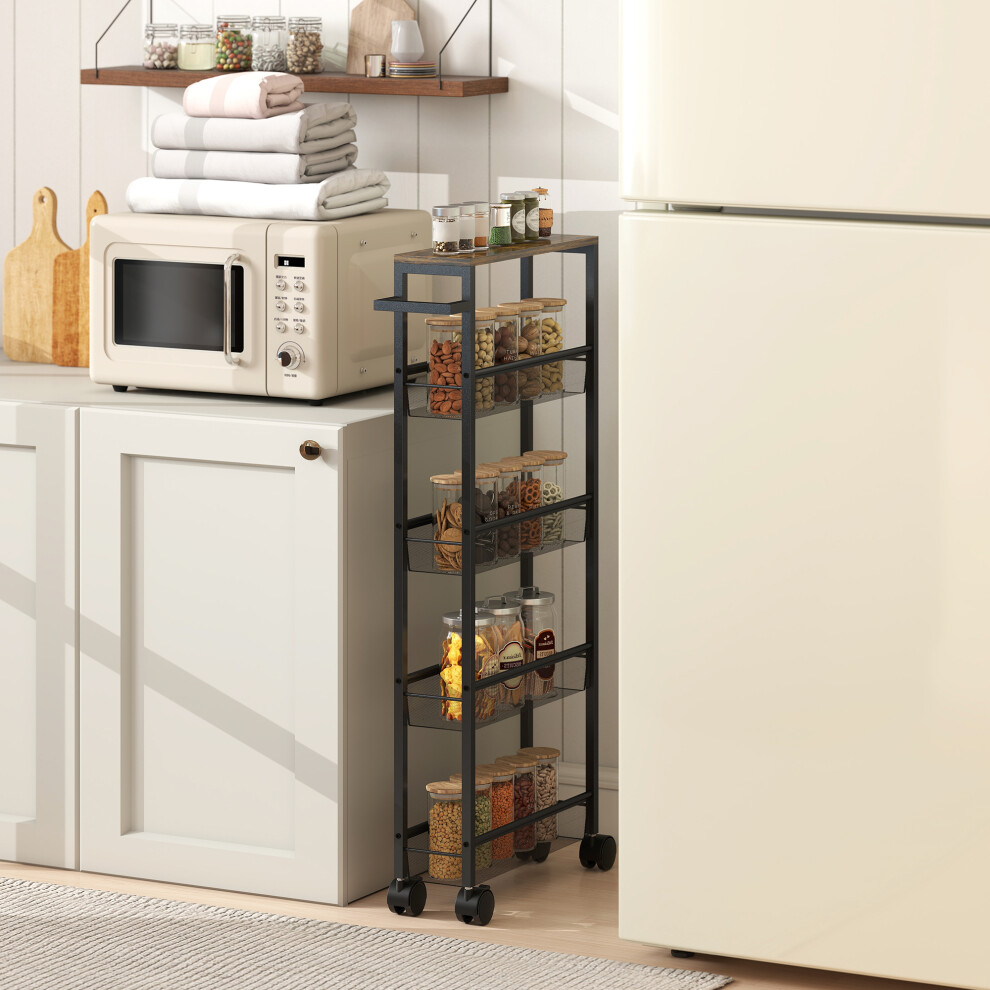
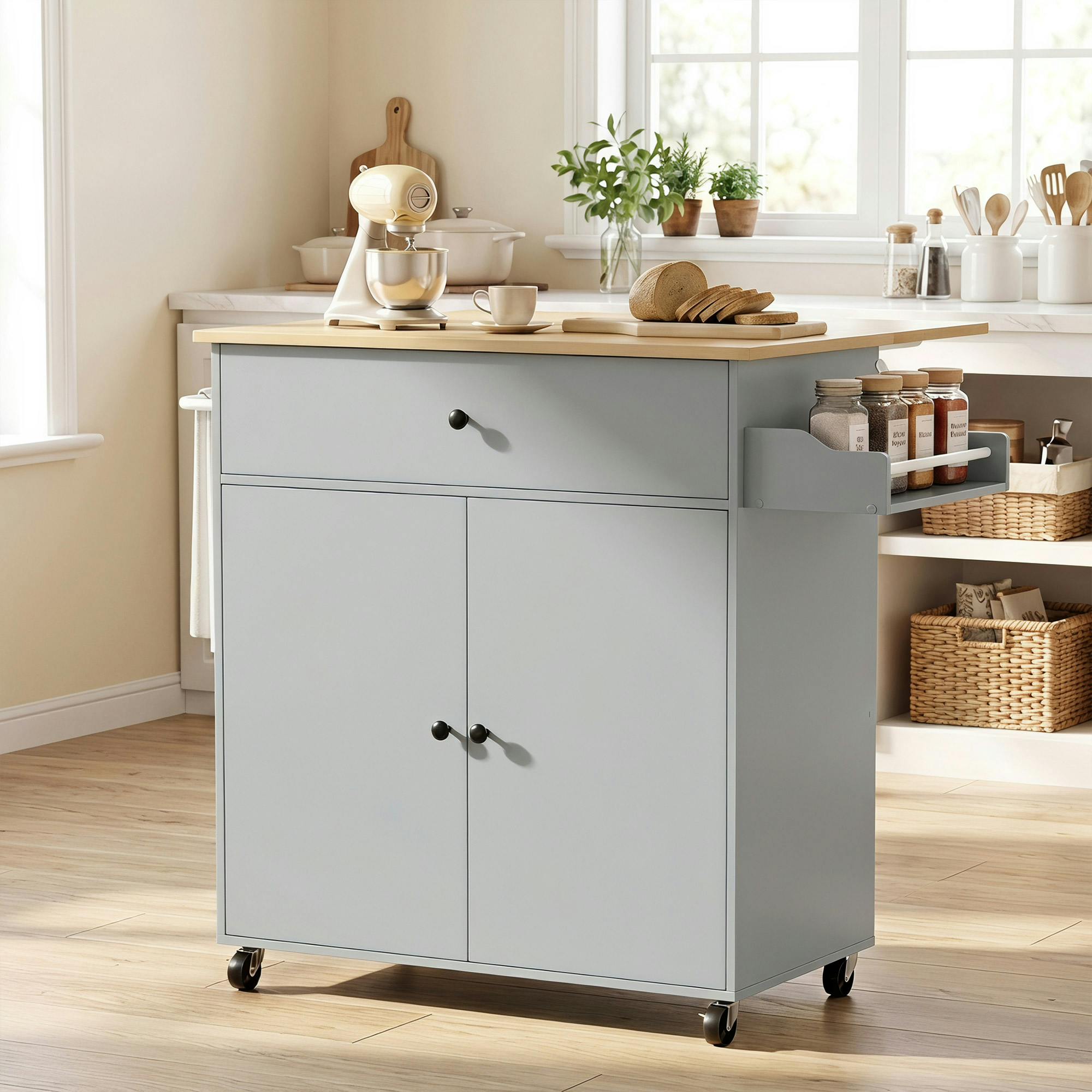
Choose Trolleys for mobility, or Furniture for a built in feel. Think about whether you serve from one spot or many.
Material and room style
Wood and oak suit classic decor. Silver, black or grey metal fits a sharper modern space.
Colour and wear
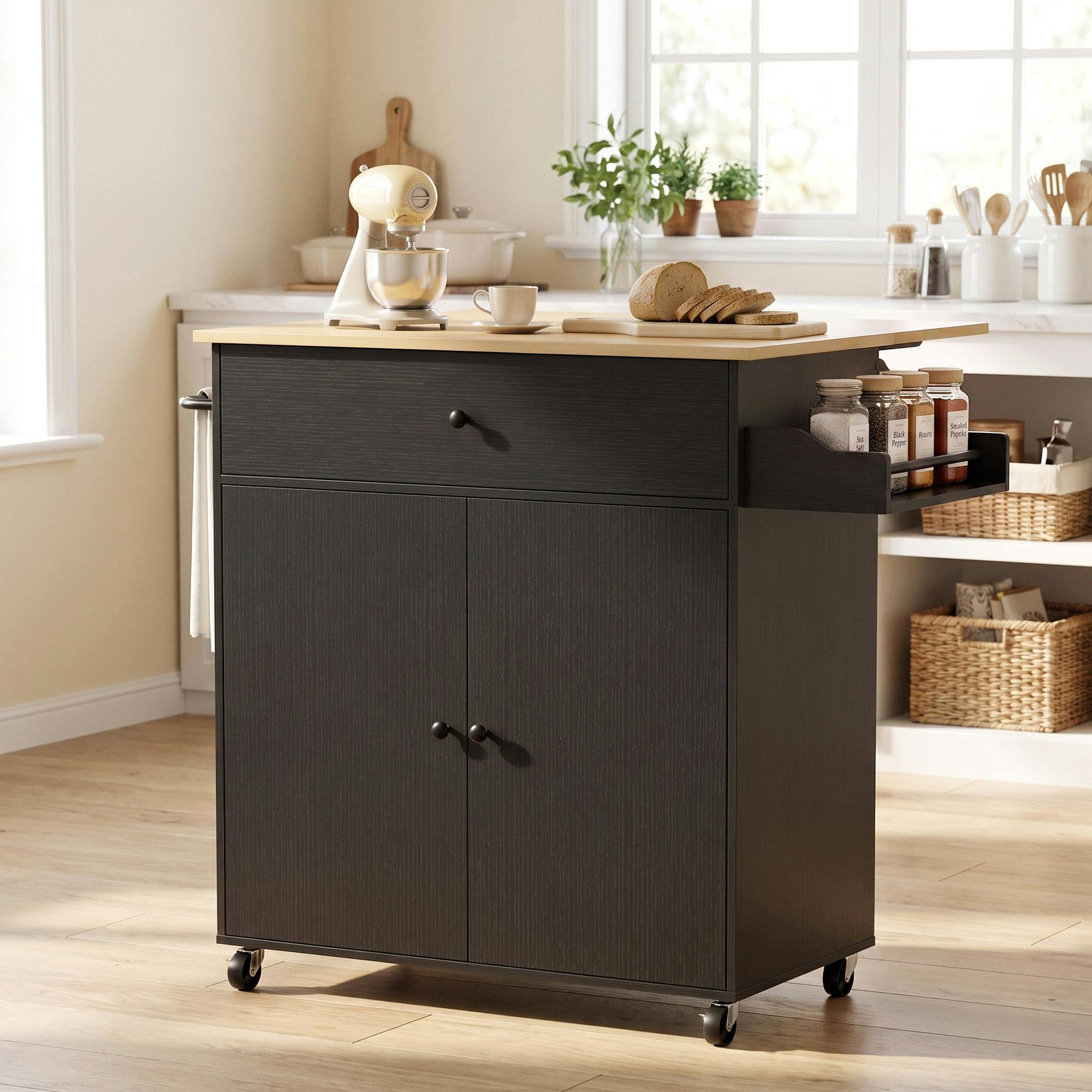
White and grey hide light dust on open shelves. Brown or brown/black masks scuffs from daily knocks better.
Moisture resistance
Bamboo and rubber/wood resist damp from sink splashes. Plain pine/wood needs more care if placed by the dishwasher.
Mixed builds
Kitchen & Dining Trolleys with oak/wood blend weight and warmth. Full metal is lighter but feels canteen style. Scan the listings above to match these tiers to your room.
What's good
- Wood and oak trolleys sit nicely beside existing dining furniture. They warm up a room that metal frames leave cold.
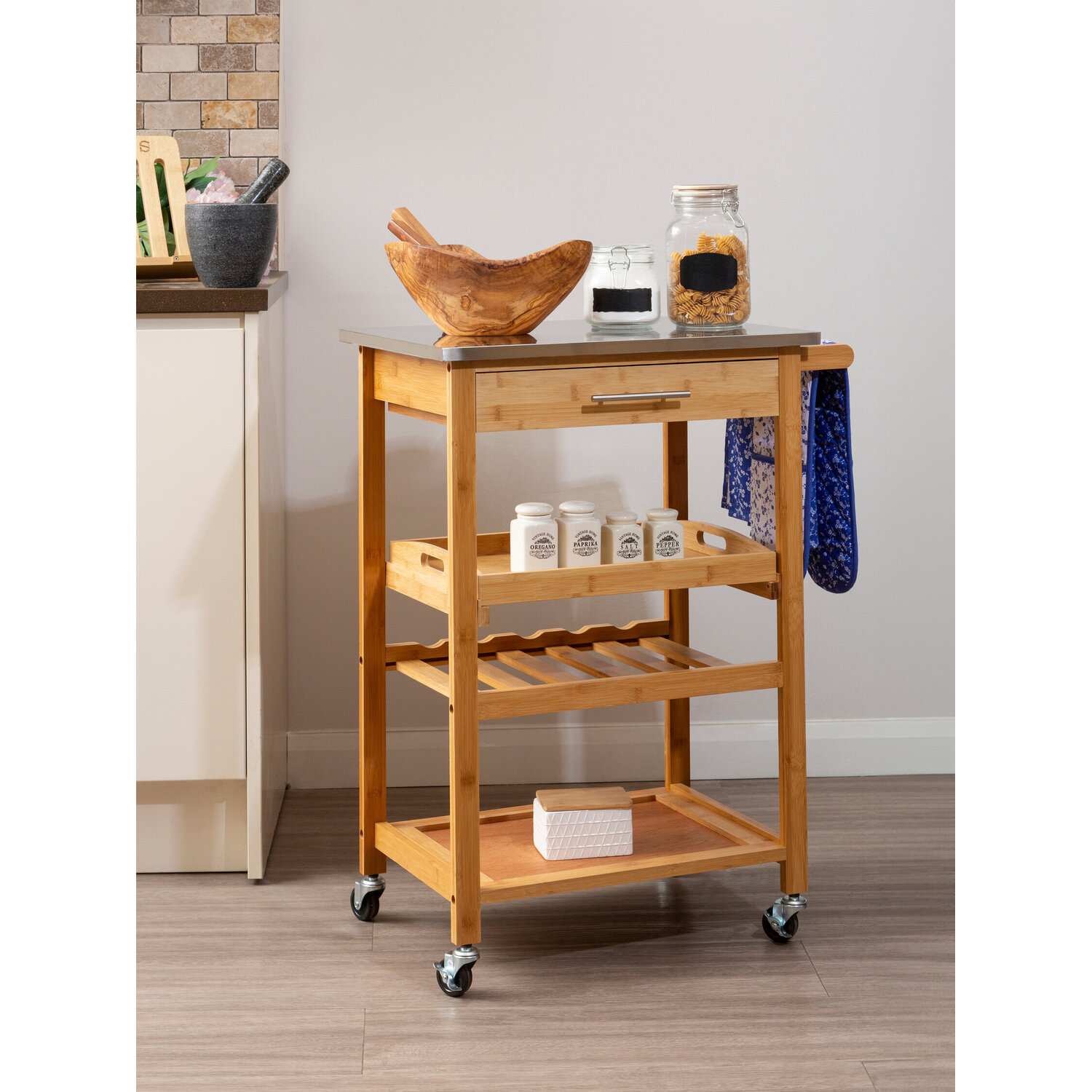
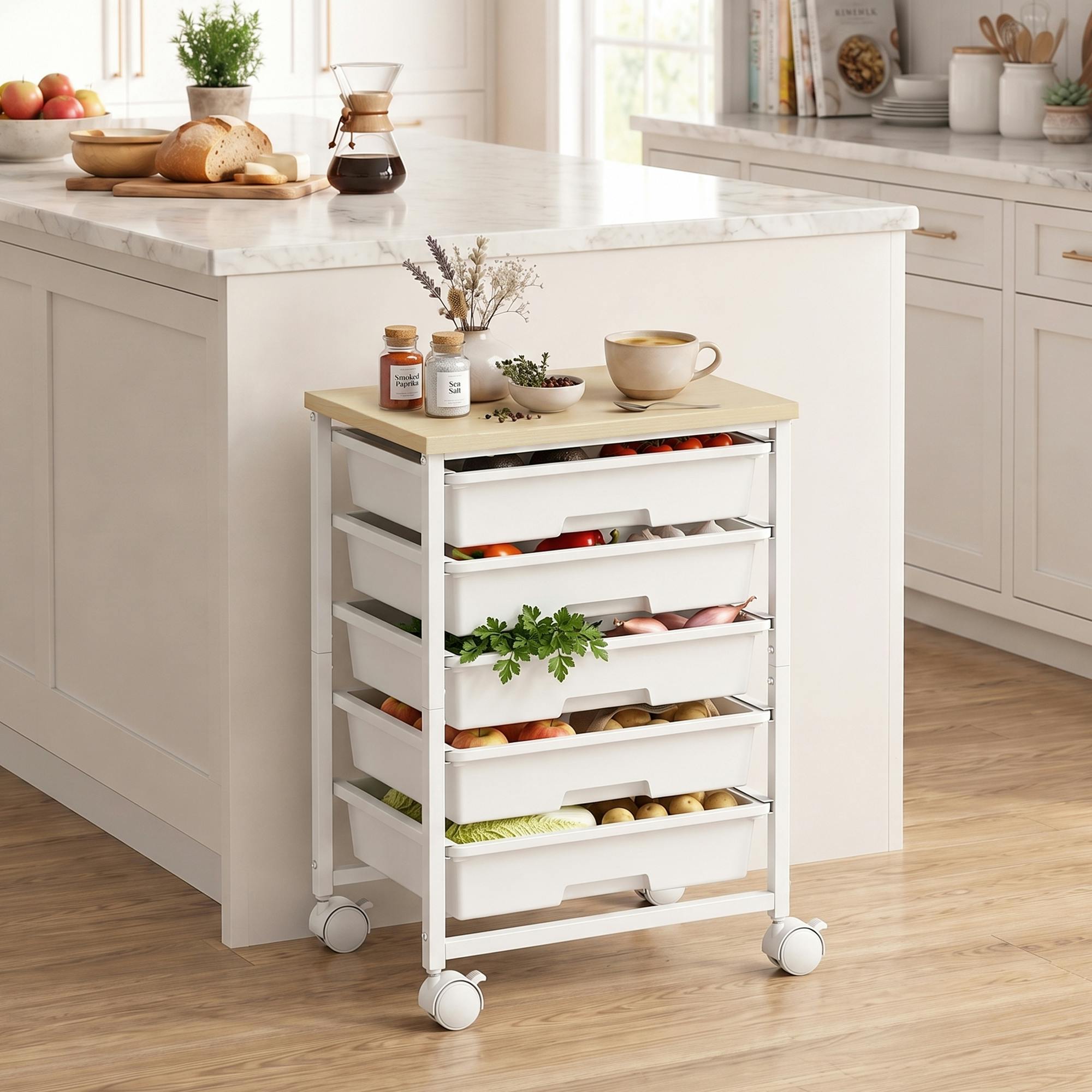
- Trolleys on castors move your spices and utensils from hob to table in one trip. They are handy for small kitchens with no fixed island.
- Kitchen & Dining Trolleys mix drawers with open shelving. You get hidden storage and quick grab space without buying two items.
- Bamboo or rubber/wood builds cope with wipedown spills better than raw pine/wood. They suit buyers who cook messy meals often.
Things to watch
- Metal and steel carts roll easy but show every fingerprint in silver or grey finishes. They are wrong for anyone who hates constant wiping.
- Furniture type carts stay put. They give you a solid look but won't help carry plates to the garden.
- Pine/wood and oak pieces look rich yet weigh more than plastic or metal. They are hard to shove aside when you mop the floor.
- Yellow or gold colours pop, though they clash with a calm white or black scheme. Bold choices limit your room redesign later.
Care & maintenance
Wood care
Oil oak or pine/wood tops twice a year. This stops the grain from drying and splitting near radiator heat.
Metal care
Wipe steel and iron frames dry after cleaning. Standing water marks them with rust spots over time.
Wheel upkeep
Clear crumbs from trolley wheels weekly. Grit jams the castors and makes the cart drag sideways.
Plastic care
Use a soft cloth on plastic shelves. Abrasives scratch the surface and make stains worse.
Frequently Asked Questions
What should I look for when buying kitchen & dining carts?
When shopping for kitchen & dining carts, consider factors such as quality, price, brand reputation, and customer reviews. Compare prices across multiple retailers to ensure you're getting the best deal. Look for products that match your specific needs and budget.
How do I choose the right kitchen & dining carts?
Choosing the right kitchen & dining carts depends on your individual needs, budget, and preferences. Research different options, read customer reviews, and compare specifications. Consider what features are most important to you and look for products that offer the best value for money.
Where can I find the best deals on kitchen & dining carts?
You can find the best deals on kitchen & dining carts by comparing prices across multiple retailers. Our price comparison tool helps you find the lowest prices from trusted UK retailers including Amazon, eBay, and other major online stores. Check regularly as prices and deals change frequently.
Are kitchen & dining carts products worth the investment?
The value of kitchen & dining carts products depends on your specific needs and how you plan to use them. Quality products from reputable brands often provide better long-term value, even if they cost more initially. Consider your budget and requirements when making your decision.
What's the difference between different types of kitchen & dining carts?
Different types of kitchen & dining carts vary in features, quality, price, and intended use. Some may offer premium features while others focus on affordability. Research the specific differences between models or brands to find the option that best suits your needs and budget.