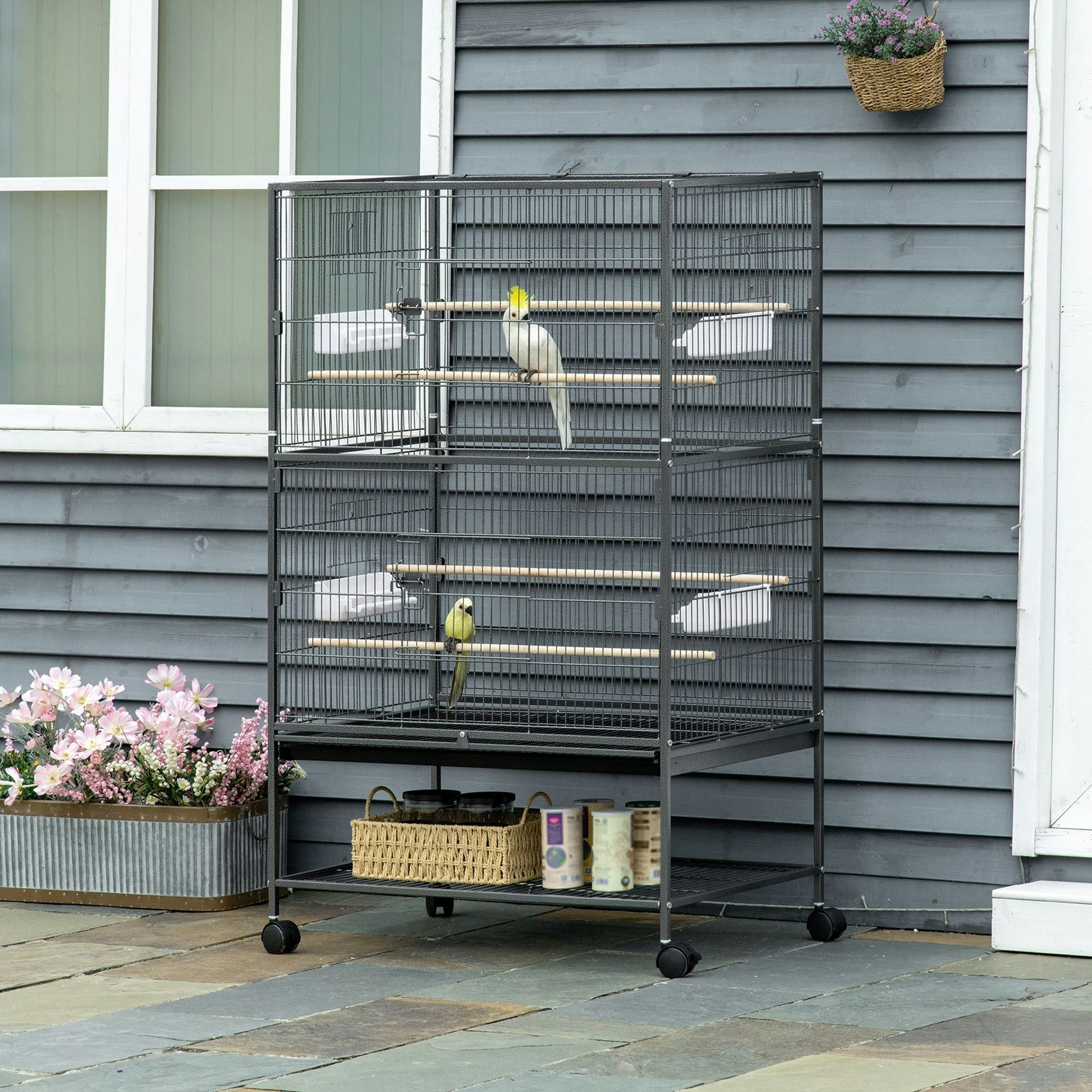
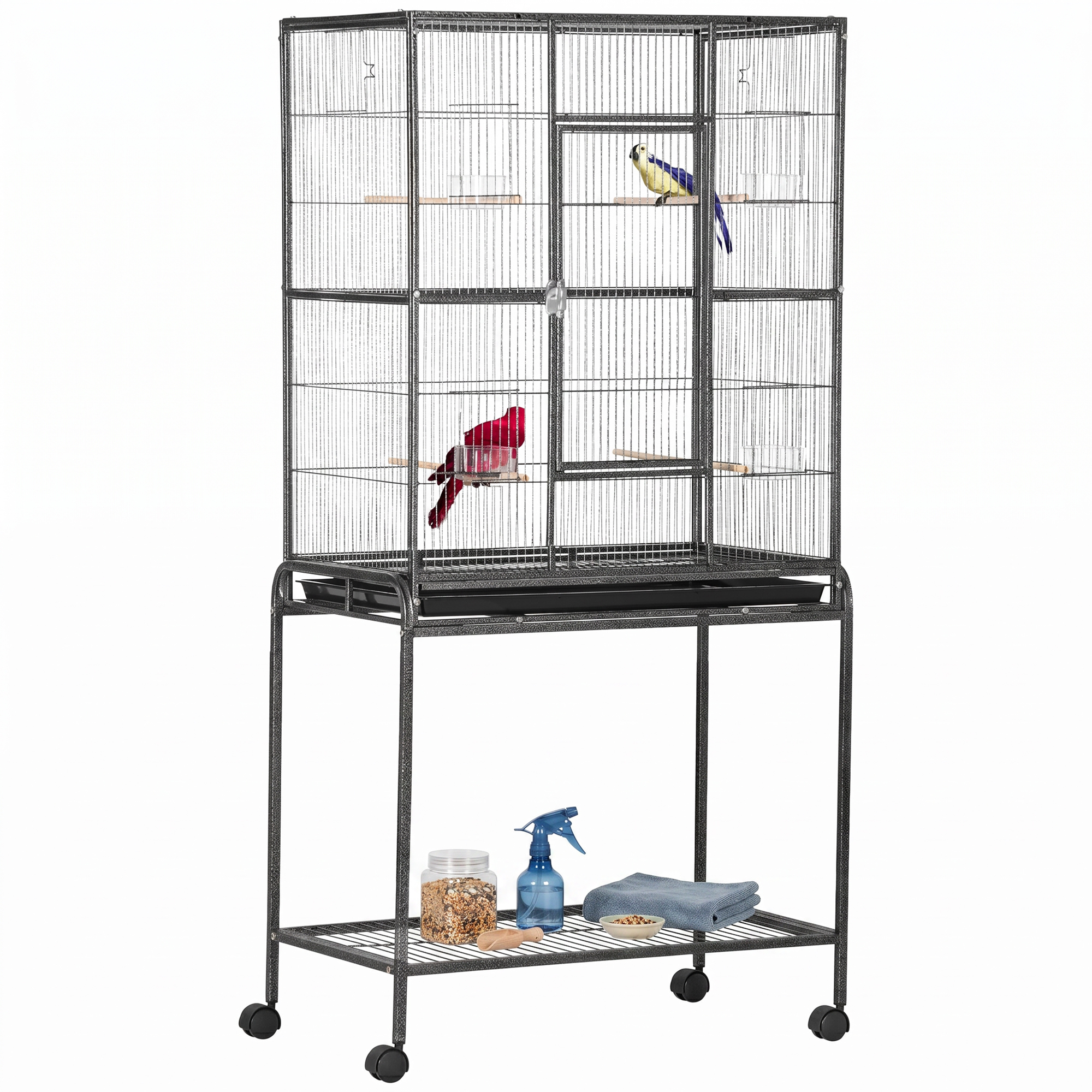
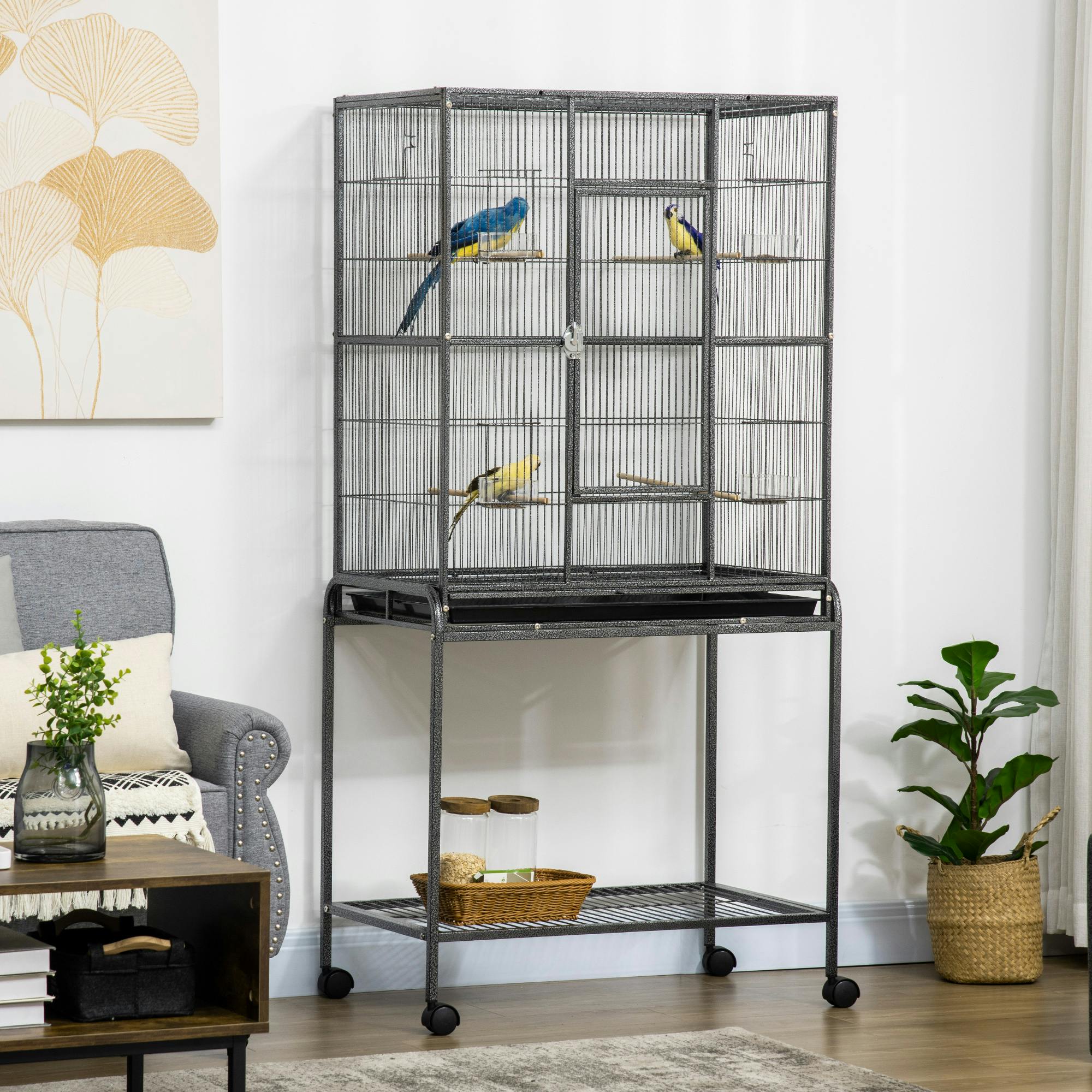
Bird Cages & Stands
How to choose bird cages & stands
Location
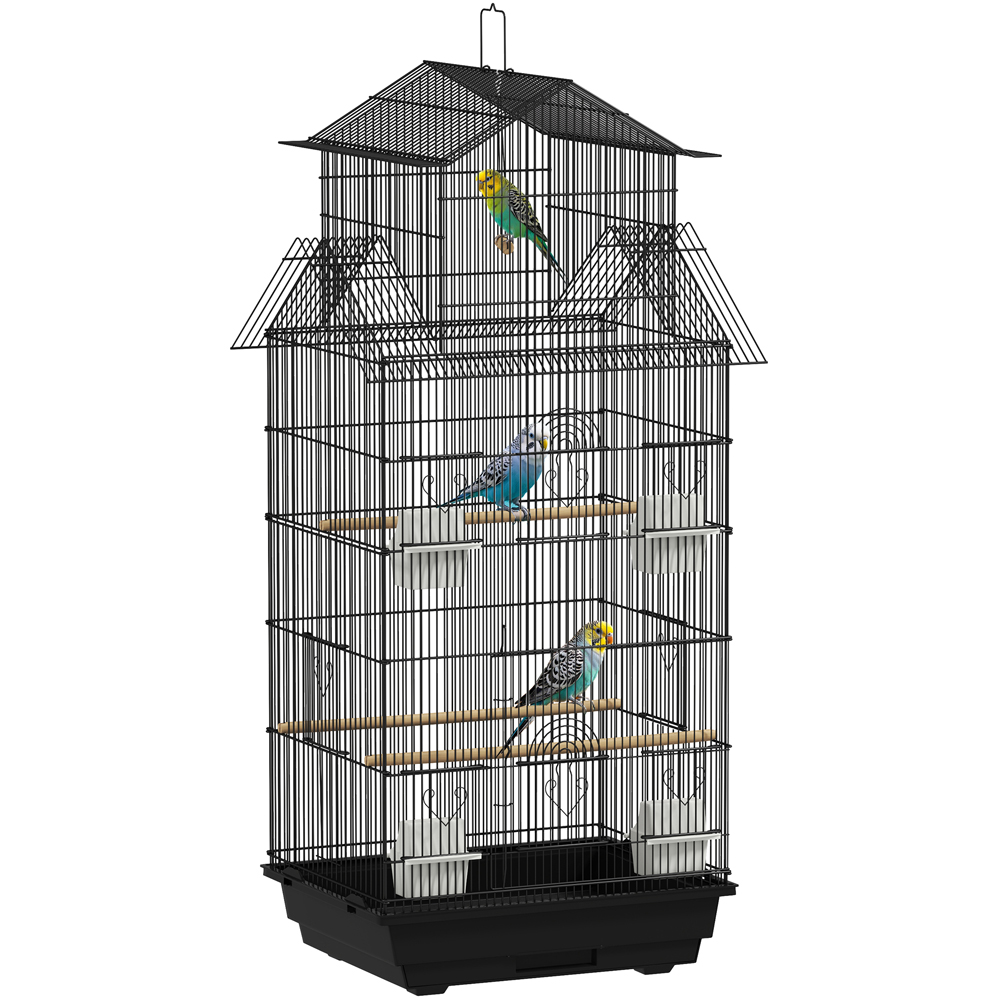
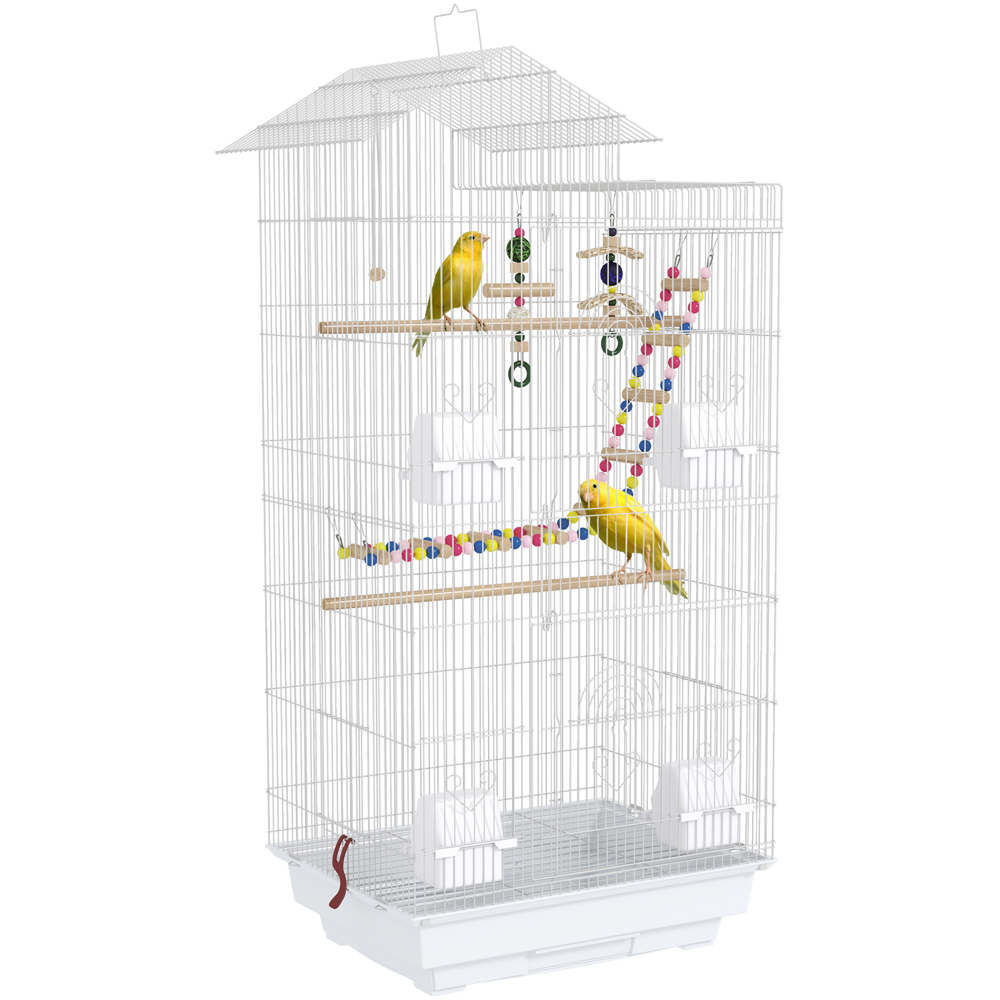
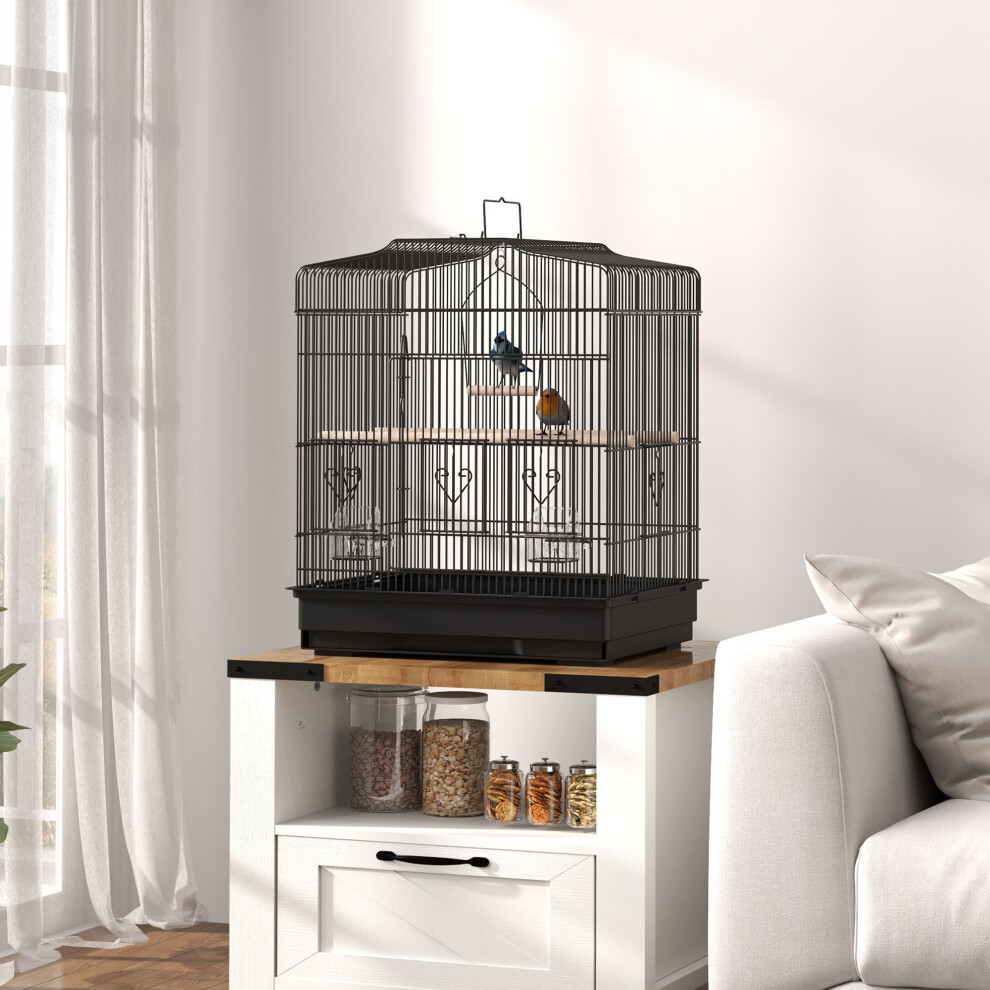
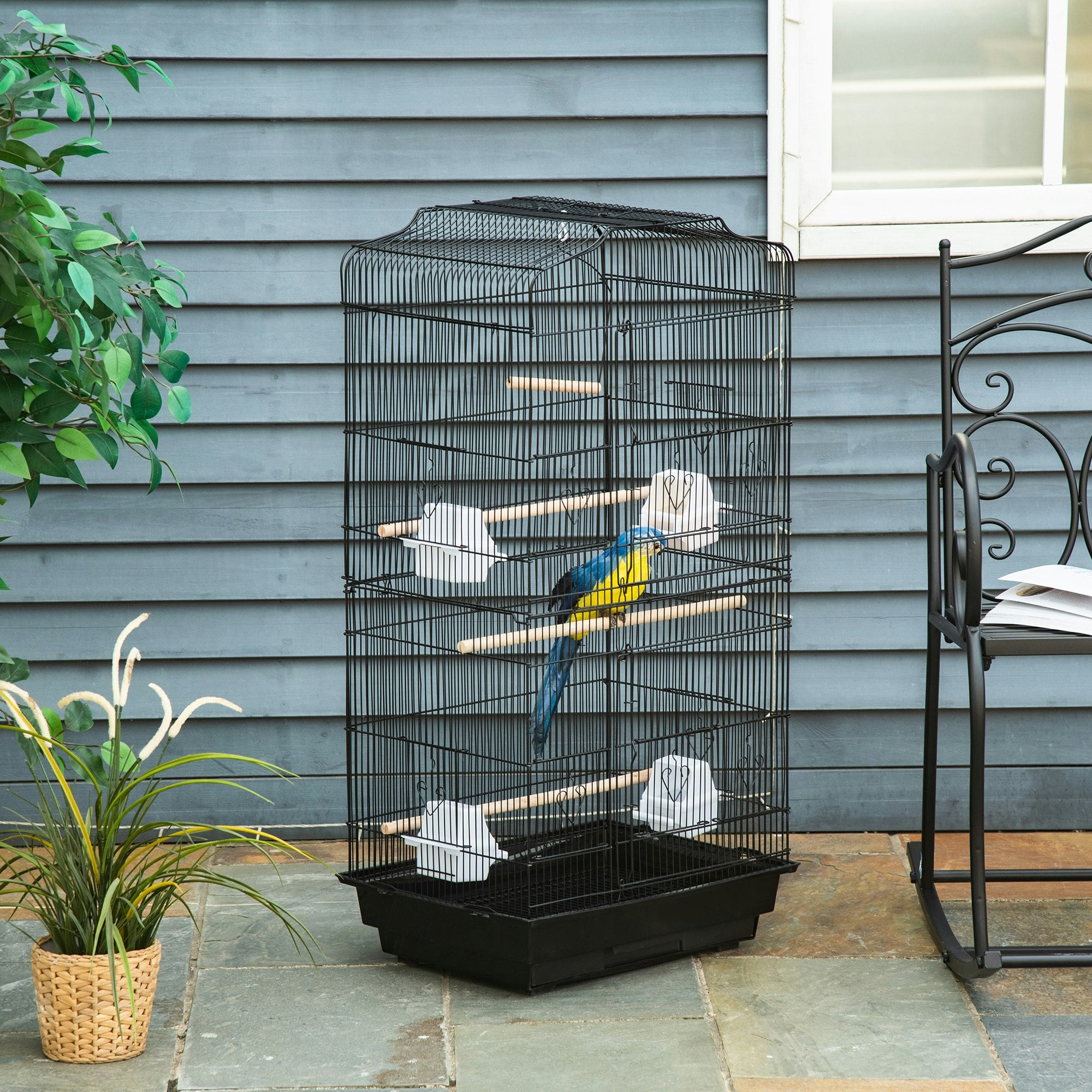
Indoor or outdoor: a black or white cage fits a room, an anthracite or silver aviary sits in the garden.
Build
Material weight: steel is solid but heavy, aluminium is lighter yet less dense.
Capacity
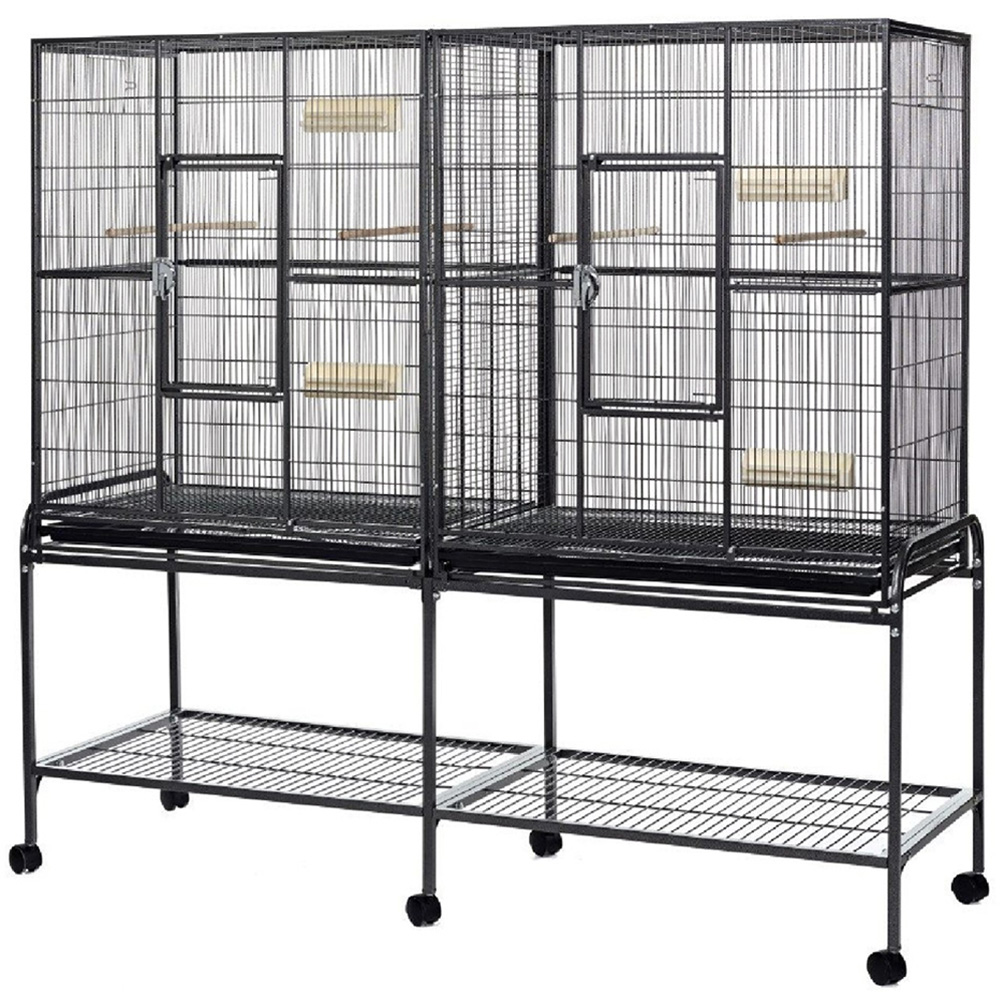
Bird count: a single cage with perches suits one finch, a divided cage or aviary houses more.
Movement
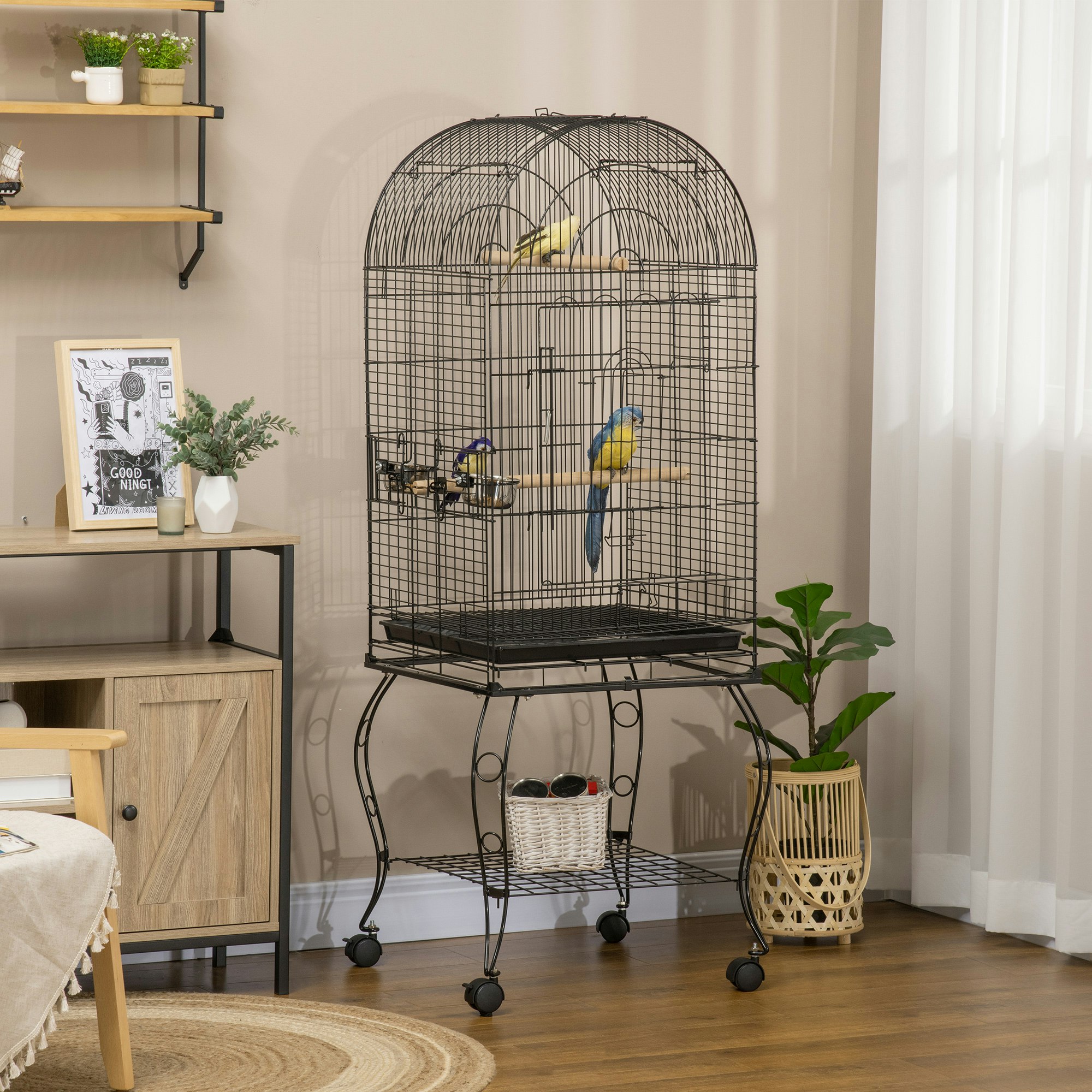
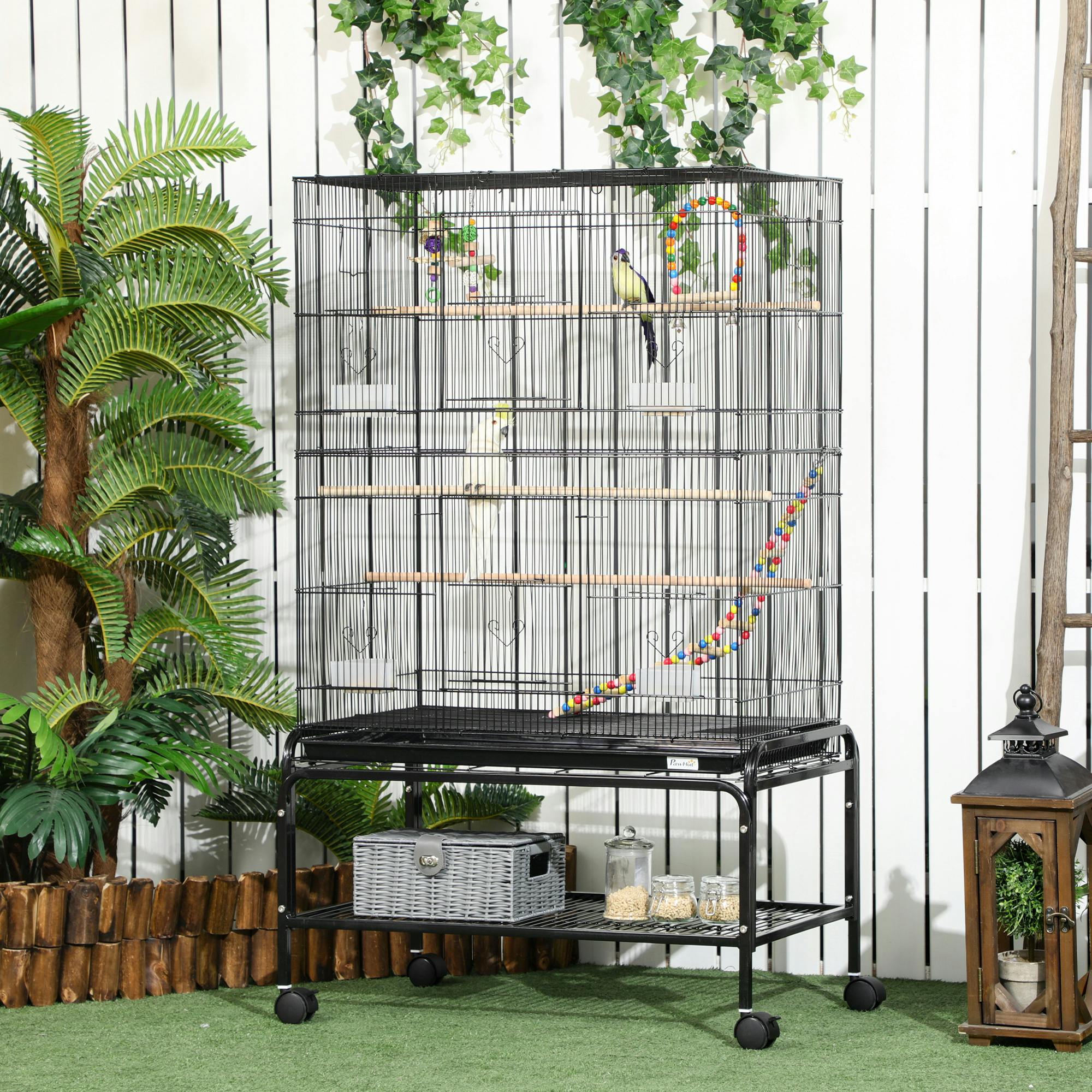
Mobility: a steel and wood table with wheels moves easily, a fixed pine house stays put.
Appearance
Finish: transparent cages look modern but need frequent wiping, grey or anthracite hide dirt.
What's good
- Metal and steel bird cages give a secure home for strong-beaked parrots.
- Large aluminium aviaries offer room for several birds to fly.
- Wood and pine bird houses suit gardeners wanting a natural look.
- Cages with opening tops and slide-out trays make daily feeding and cleaning simpler.
- Bird tables with wheels let you shift them into shade or sun without lifting heavy steel.
Things to watch
- Steel and iron cages are heavy, so moving them is a two-person task.
- Wood and pine houses need weather treatment, unlike metal alternatives.
- Plastic cages are light but may not survive persistent chewing.
- Big aluminium aviaries demand flat outdoor space and time to assemble.
- Transparent panels show smears and droppings more than dark colours.
Care & maintenance
Trays
Empty slide-out trays each day, wash with warm water weekly.
Metal
Wipe steel and metal bars dry after cleaning to avoid rust.
Wood
Treat wood or pine with pet-safe oil once a year.
Aviary
Check aluminium aviary bolts and clips monthly for tightness.
Frequently Asked Questions
What should I look for when buying bird cages & stands?
When shopping for bird cages & stands, consider factors such as quality, price, brand reputation, and customer reviews. Compare prices across multiple retailers to ensure you're getting the best deal. Look for products that match your specific needs and budget.
How do I choose the right bird cages & stands?
Choosing the right bird cages & stands depends on your individual needs, budget, and preferences. Research different options, read customer reviews, and compare specifications. Consider what features are most important to you and look for products that offer the best value for money.
Where can I find the best deals on bird cages & stands?
You can find the best deals on bird cages & stands by comparing prices across multiple retailers. Our price comparison tool helps you find the lowest prices from trusted UK retailers including Amazon, eBay, and other major online stores. Check regularly as prices and deals change frequently.
Are bird cages & stands products worth the investment?
The value of bird cages & stands products depends on your specific needs and how you plan to use them. Quality products from reputable brands often provide better long-term value, even if they cost more initially. Consider your budget and requirements when making your decision.
What's the difference between different types of bird cages & stands?
Different types of bird cages & stands vary in features, quality, price, and intended use. Some may offer premium features while others focus on affordability. Research the specific differences between models or brands to find the option that best suits your needs and budget.