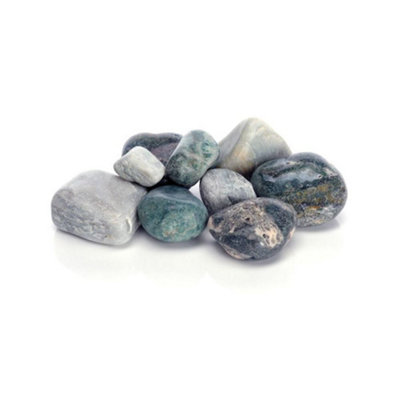
Aquarium Gravel & Substrates
How to choose aquarium gravel & substrates
Colour
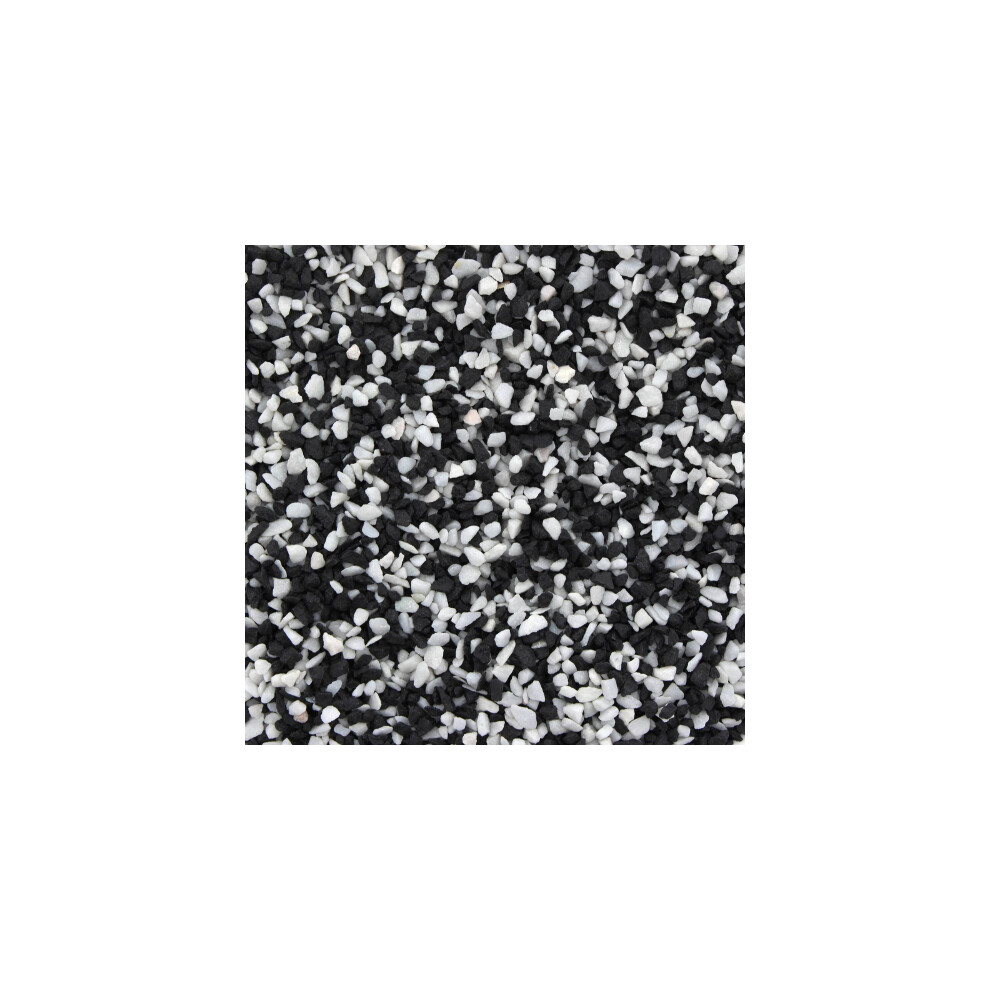
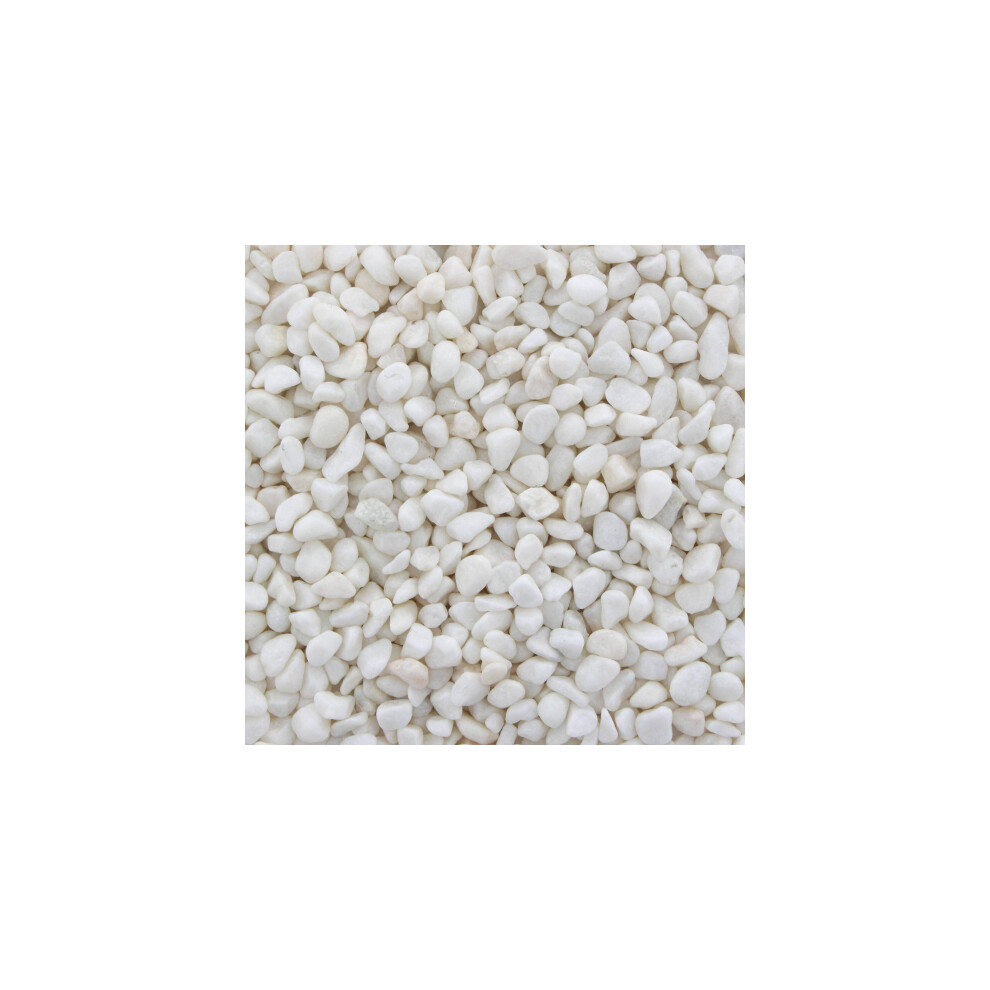
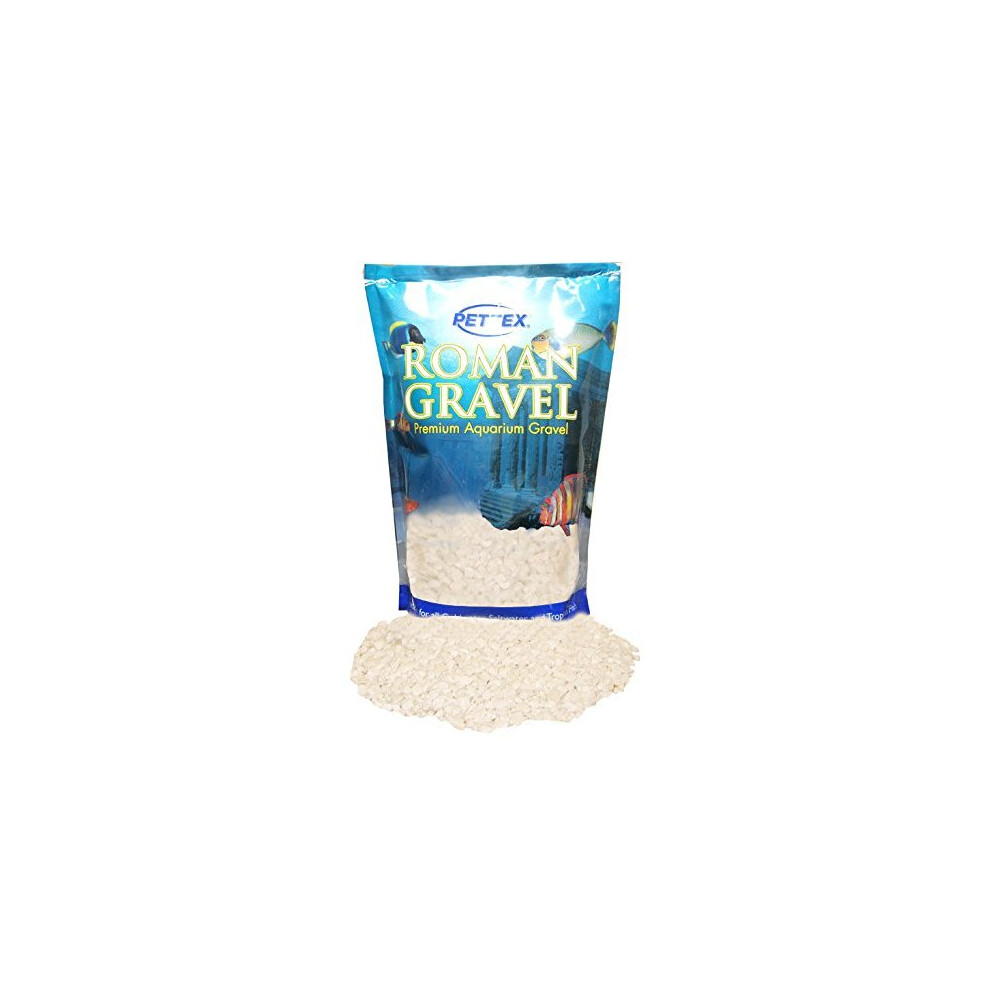
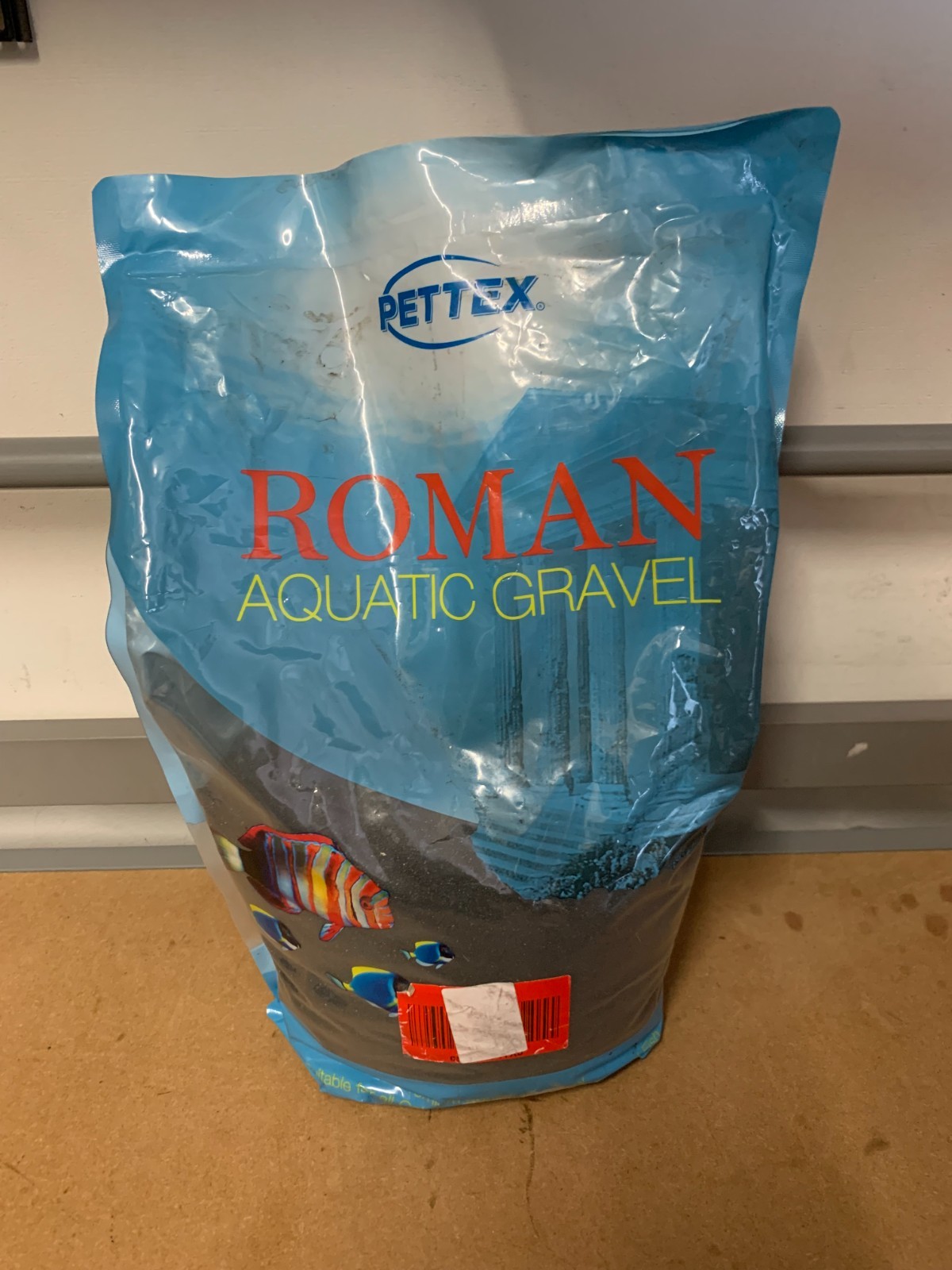
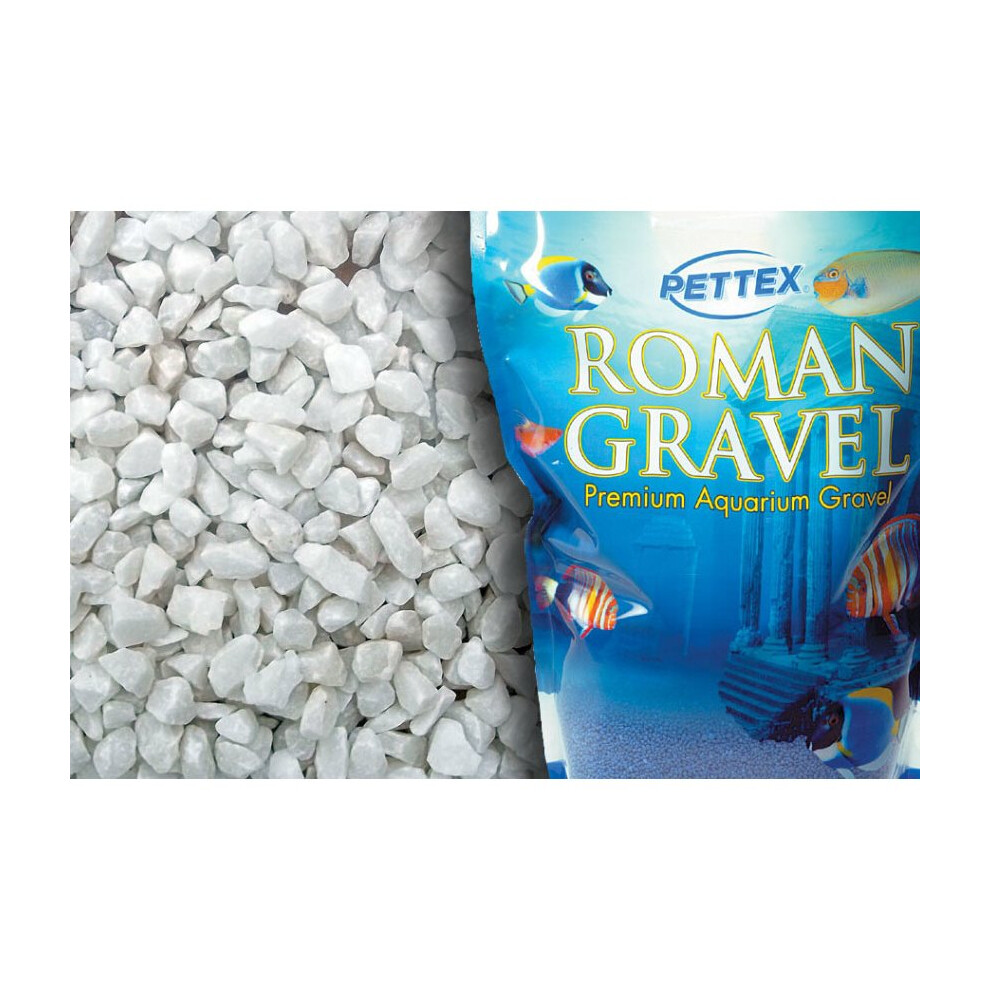
white or yellow shows every speck of algae, while black or dark hides dirt but flattens plant contrast. Pick by how much you clean.
Material
resin and ceramic look pretty but do little for plants, whereas clay and quartz feed roots. Choose by tank goal.
Size
fine sand suits bottom dwellers, cobbles suit big layouts but trap debris. Match to your fish.
Scope
loose beads and mosaic tiles are accents, not a full substrate. Buy them only as add-ons.
Sub-type labels
Sub-type labels list these as Animals & Pet Supplies, Pet Supplies or Fish Supplies, but the practical choice is aquarium grade versus craft grade. Check the material list.
What's good
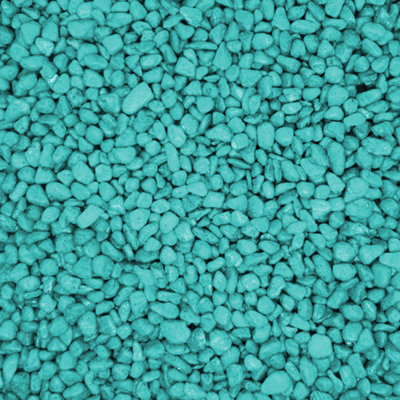
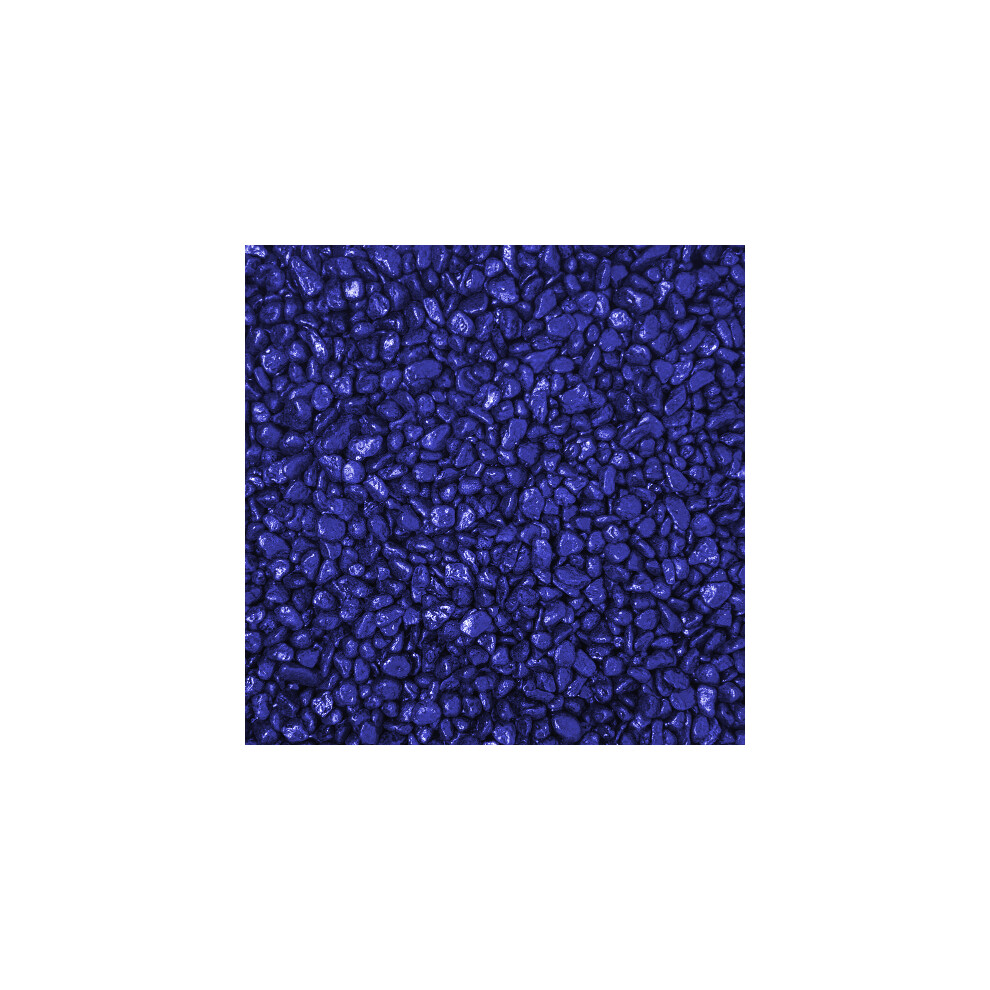
- Decorative gravel in blue, pink or multicolor gives an instant style lift for display tanks. It suits buyers who want a themed look over biological function.
- Clay or quartz based substrate sand (including dark variants) holds plant roots and aids growth. It is the wrong pick for those wanting bright colours.
- Natural lava rock and flamingo stones add varied texture and stay inert. They fit biotope or low-tech setups.
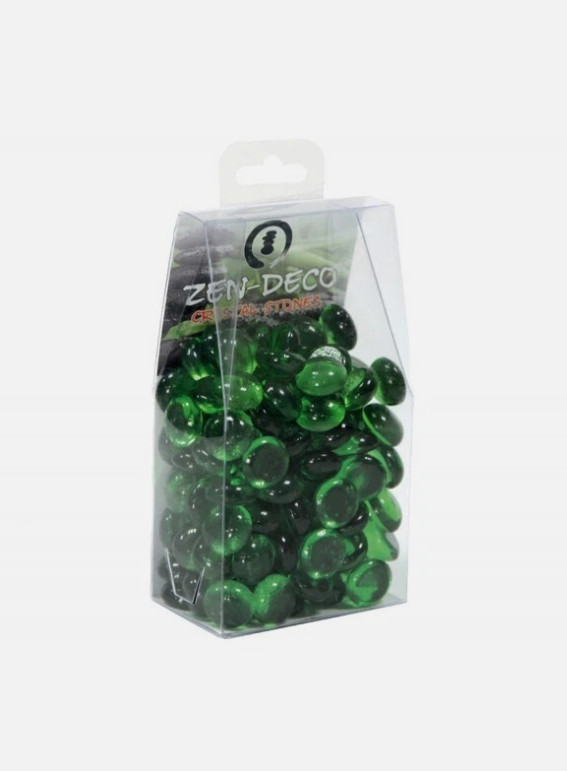
- Gemstone loose beads and crystal mosaic tiles let crafters place unique accents. They are not meant for full floor coverage.
- Large cobbles anchor wood or large plants. They leave open gaps, so skip them in fry tanks.
Things to watch
- Resin or ceramic coloured gravel can be buoyant and shift under flow. It will not stay put in strong filters.
- Substrate sand made from clay clouds water if unrinsed. It is messy to change later.
- Loose beads and small tiles risk being sucked into filters or eaten by big fish. Keep them to ornament niches.
- Aquarium driftwood leaches tannins that tint water brown. Clear-water keepers should avoid it.
- Cobbles trap bits of food in the gaps. You will syphon more often.
Care & maintenance
Rinse
Rinse clay and quartz sands in a bucket before adding them to the tank.
Vacuum
Vacuum decorative gravel and cobble beds weekly, as waste collects between pieces.
Soak
Soak driftwood for a few days, changing water, to cut down tannin release.
Wipe
Wipe algae off gemstone beads if they go slippery, and remove any that loosen.
Frequently Asked Questions
What should I look for when buying aquarium gravel & substrates?
When shopping for aquarium gravel & substrates, consider factors such as quality, price, brand reputation, and customer reviews. Compare prices across multiple retailers to ensure you're getting the best deal. Look for products that match your specific needs and budget.
How do I choose the right aquarium gravel & substrates?
Choosing the right aquarium gravel & substrates depends on your individual needs, budget, and preferences. Research different options, read customer reviews, and compare specifications. Consider what features are most important to you and look for products that offer the best value for money.
Where can I find the best deals on aquarium gravel & substrates?
You can find the best deals on aquarium gravel & substrates by comparing prices across multiple retailers. Our price comparison tool helps you find the lowest prices from trusted UK retailers including Amazon, eBay, and other major online stores. Check regularly as prices and deals change frequently.
Are aquarium gravel & substrates products worth the investment?
The value of aquarium gravel & substrates products depends on your specific needs and how you plan to use them. Quality products from reputable brands often provide better long-term value, even if they cost more initially. Consider your budget and requirements when making your decision.
What's the difference between different types of aquarium gravel & substrates?
Different types of aquarium gravel & substrates vary in features, quality, price, and intended use. Some may offer premium features while others focus on affordability. Research the specific differences between models or brands to find the option that best suits your needs and budget.