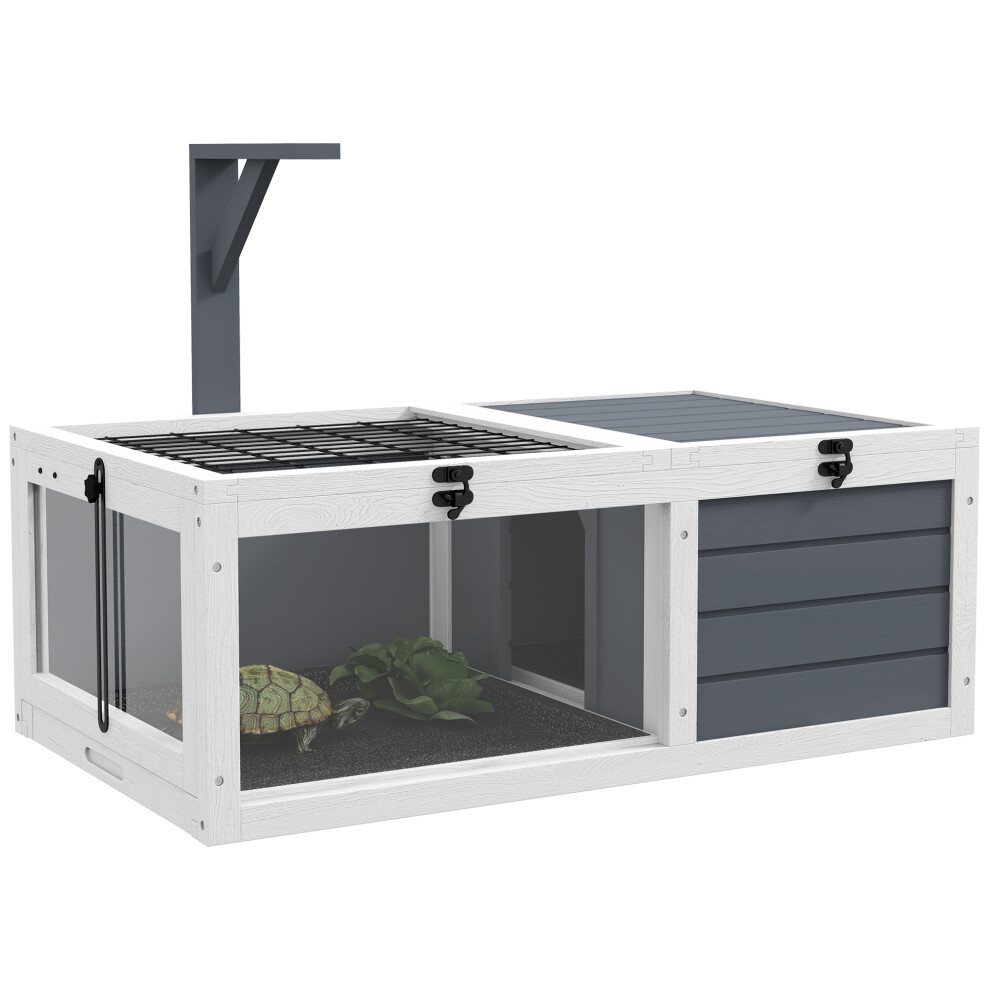
Reptile & Amphibian Habitats
How to choose reptile & amphibian habitats
Material choice
Pick your material first. Wood insulates, glass displays, acrylic lightens the load, each with a care tradeoff.
Sub-type tag
Listings carry one of three sub-type tags: Animals & Pet Supplies, Pet Supplies, or Reptile & Amphibian Supplies. Use the tag to filter the grid before weighing other traits.
Colour and heat
Colour is not just looks. Dark olive, black or red panels absorb more lamp heat than white or light grey.
Size tier
Size decides the keeper. A 2ft box suits a small amphibian, a 6ft run suits a grown tortoise.
Built-in features
Extra features like LED or stone backgrounds change how much setup you do before the animal moves in.
What's good
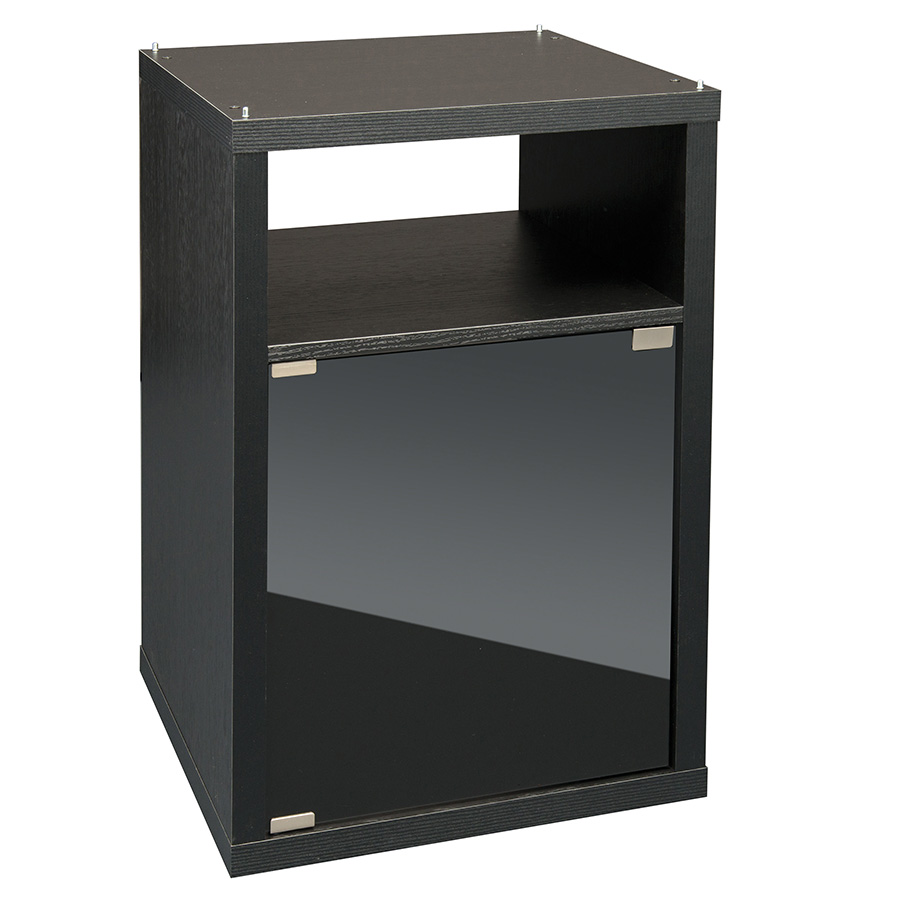
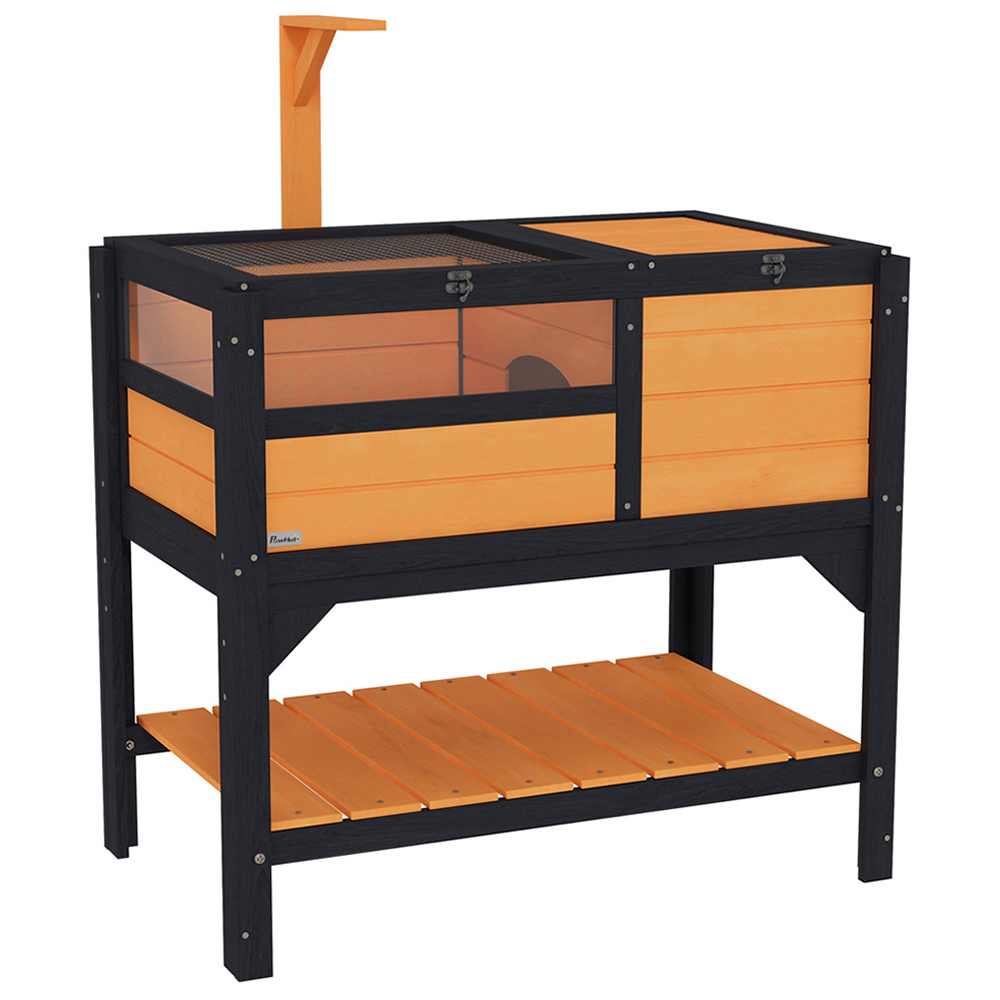
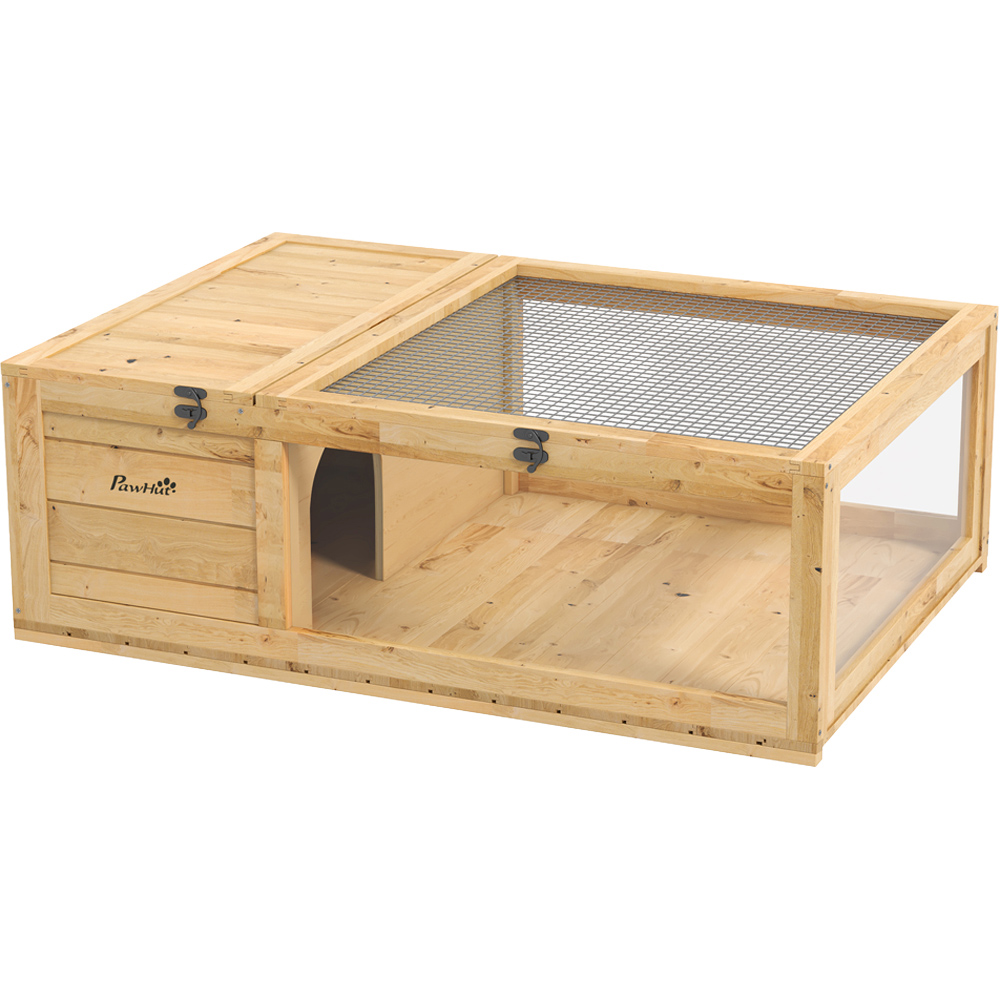
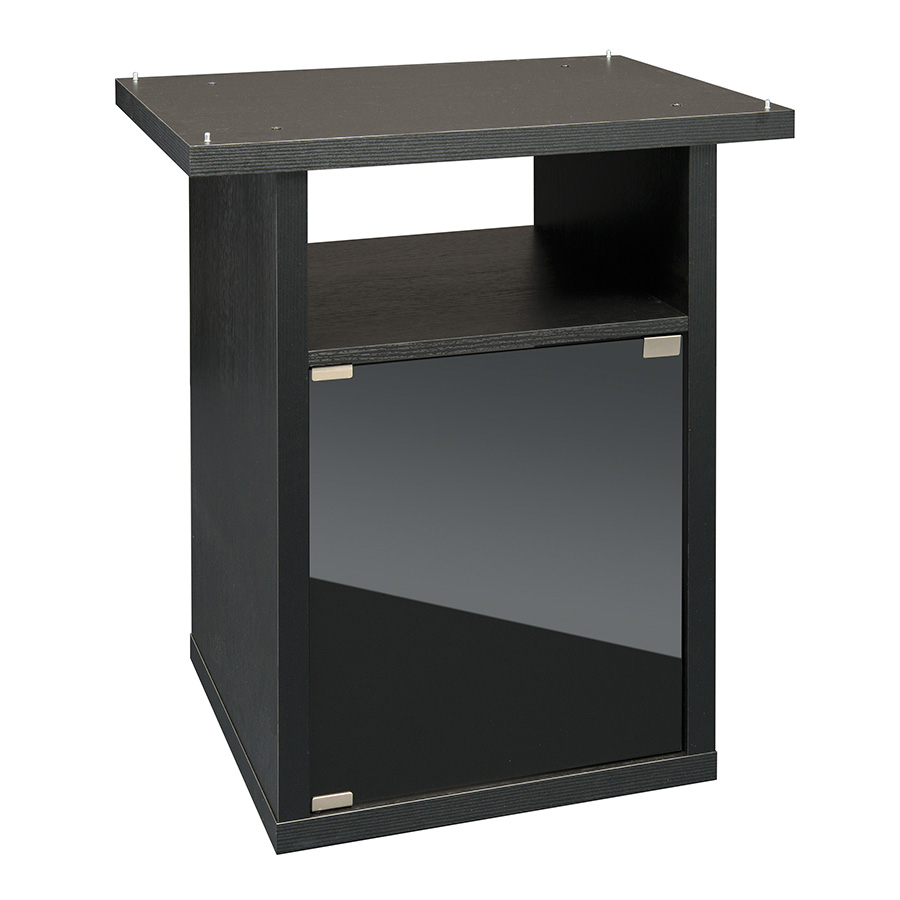
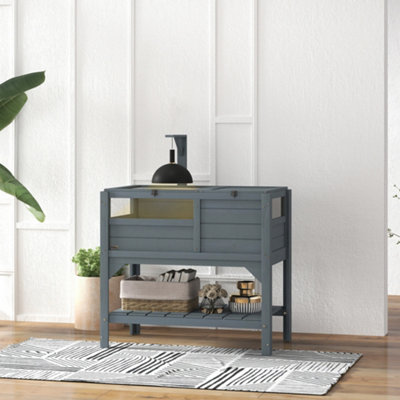
- Wooden vivariums in oak or MDF hold heat well for species that need steady warmth.
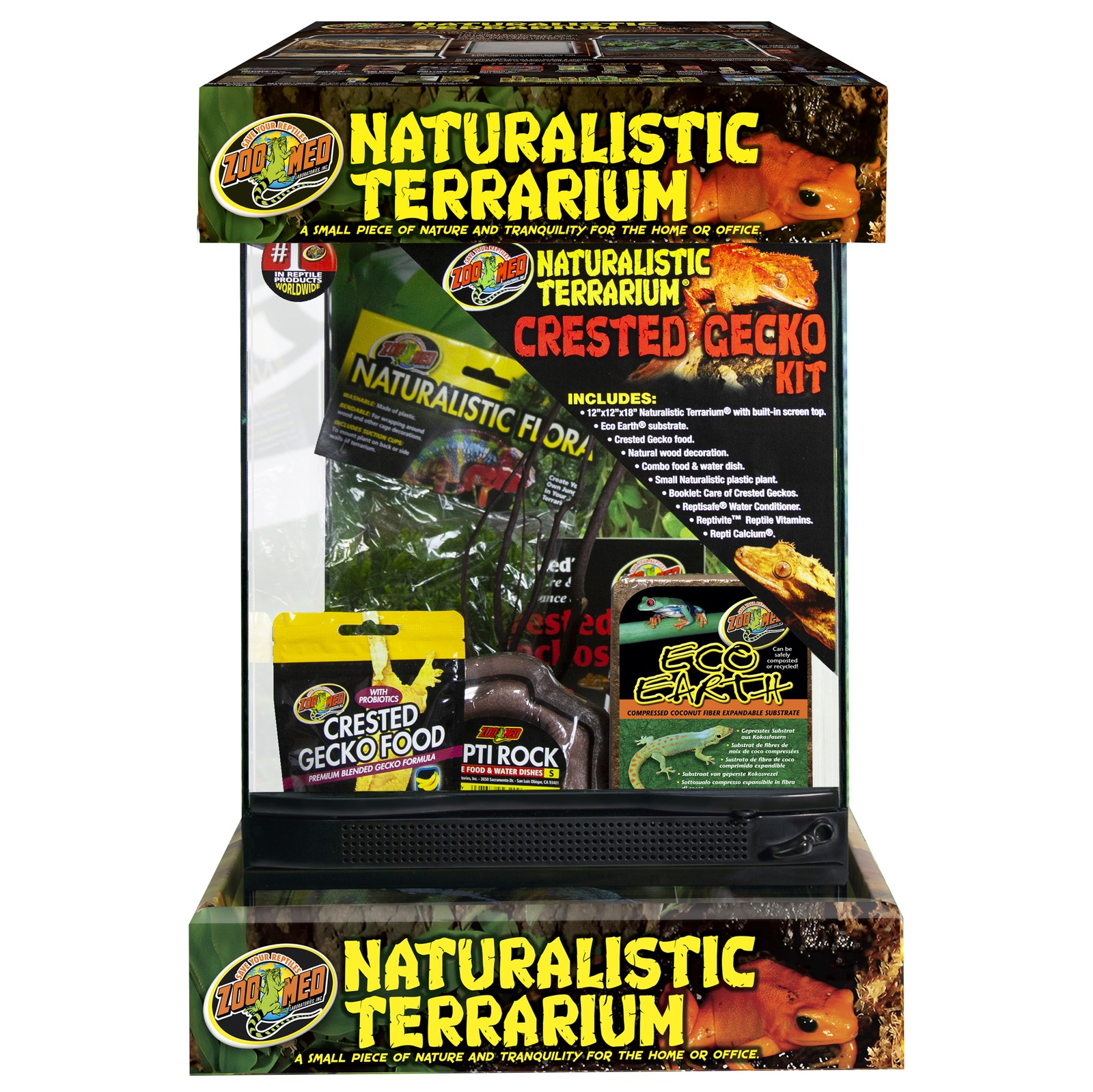
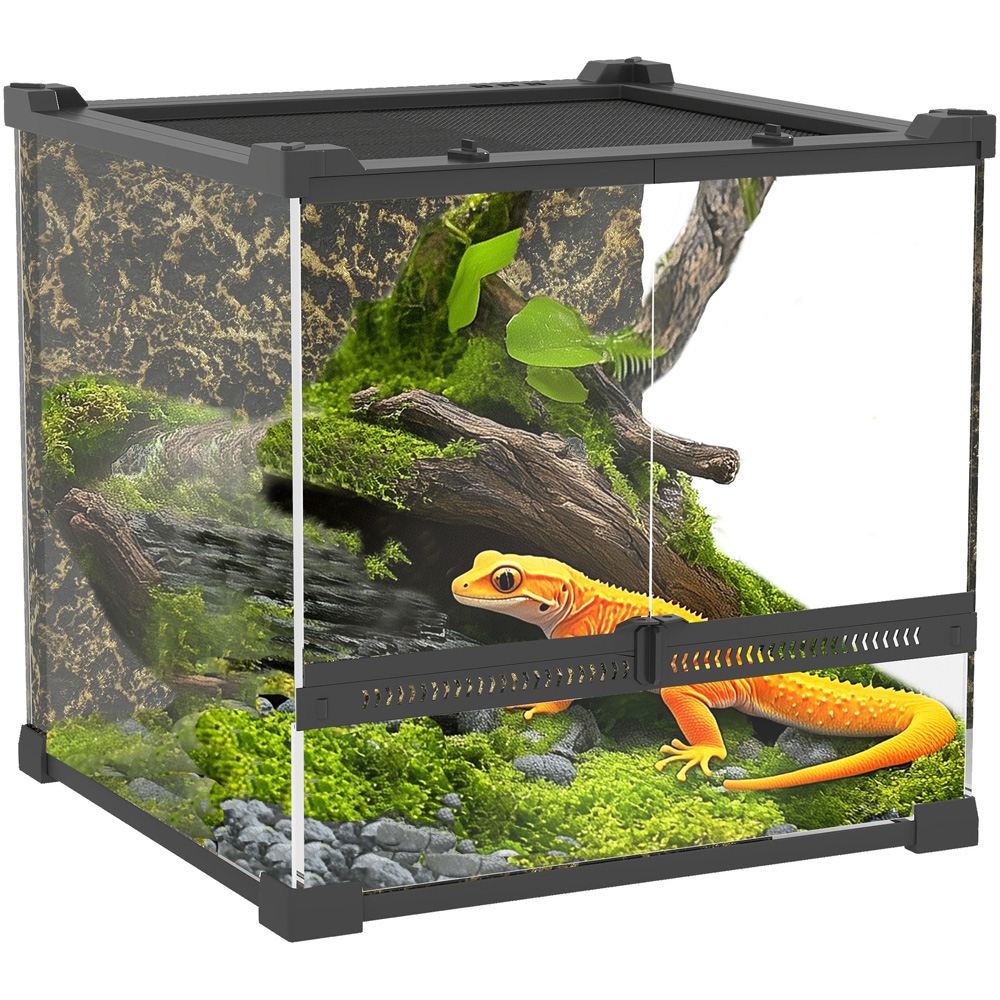
- Glass terrariums give a clear view of shy reptiles and amphibians without opening the door.
- Acrylic or plastic housings weigh less, so one person can move them for cleaning.
- Large enclosures, from 4ft to 6ft, let active animals burrow, climb, or roam.
- Some habitats ship with integrated LED lighting, removing the hunt for separate fittings.
Things to watch
- Wooden builds are heavy, and untreated edges can swell in high humidity.
- Glass shows fingerprints and substrate dust, so you will clean it often.
- Acrylic scratches under rough reptile claws, making it poor for burrowers.
- A 6ft habitat needs a permanent floor space, and two people to reposition.
- Polyester panels lack rigidity, so they will not support heavy heat lamps safely.
Care & maintenance
Glass care
Wipe glass with a soft cloth and a reptile-safe spray to keep sightlines clear.
Wood sealing
Seal wooden frames once a year with pet-safe oil to block damp.
Tray washing
Rinse plastic or acrylic trays in warm water, and dry before adding substrate.
Metal checks
Check steel and aluminium vents for corrosion if the room stays humid.
Frequently Asked Questions
What should I look for when buying reptile & amphibian habitats?
When shopping for reptile & amphibian habitats, consider factors such as quality, price, brand reputation, and customer reviews. Compare prices across multiple retailers to ensure you're getting the best deal. Look for products that match your specific needs and budget.
How do I choose the right reptile & amphibian habitats?
Choosing the right reptile & amphibian habitats depends on your individual needs, budget, and preferences. Research different options, read customer reviews, and compare specifications. Consider what features are most important to you and look for products that offer the best value for money.
Where can I find the best deals on reptile & amphibian habitats?
You can find the best deals on reptile & amphibian habitats by comparing prices across multiple retailers. Our price comparison tool helps you find the lowest prices from trusted UK retailers including Amazon, eBay, and other major online stores. Check regularly as prices and deals change frequently.
Are reptile & amphibian habitats products worth the investment?
The value of reptile & amphibian habitats products depends on your specific needs and how you plan to use them. Quality products from reputable brands often provide better long-term value, even if they cost more initially. Consider your budget and requirements when making your decision.
What's the difference between different types of reptile & amphibian habitats?
Different types of reptile & amphibian habitats vary in features, quality, price, and intended use. Some may offer premium features while others focus on affordability. Research the specific differences between models or brands to find the option that best suits your needs and budget.