Wire Terminals & Connectors
How to choose wire terminals & connectors
Sub-type
Pick sub-type first: power and electrical supplies for live connections, hardware for mounting and terminations.
Material
Material decides environment fit, copper for conductivity, stainless steel or polyamide for wet areas.
Current
Current rating splits tiers, 24A blocks for control, 35A couplers for array feeds.
Connection style
Connection method matters, cage clamp levers give tool free release, crimp housings need a press.
Colour and housing
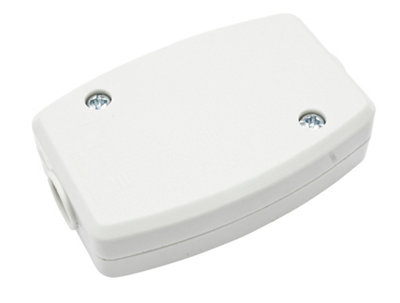
Colour and material combine, a white nylon housing suits indoor, a grey polyamide gland suits outdoor.
What's good
- Copper crimp lugs (10mm², 8AWG) give a solid, low resistance joint for thick cables.
- Lever through terminal blocks with cage clamp let you wire 22AWG to 12AWG without tools on a 35mm DIN rail.
- Polyamide cable glands rated IP69 survive high pressure washdown that defeats standard fittings.
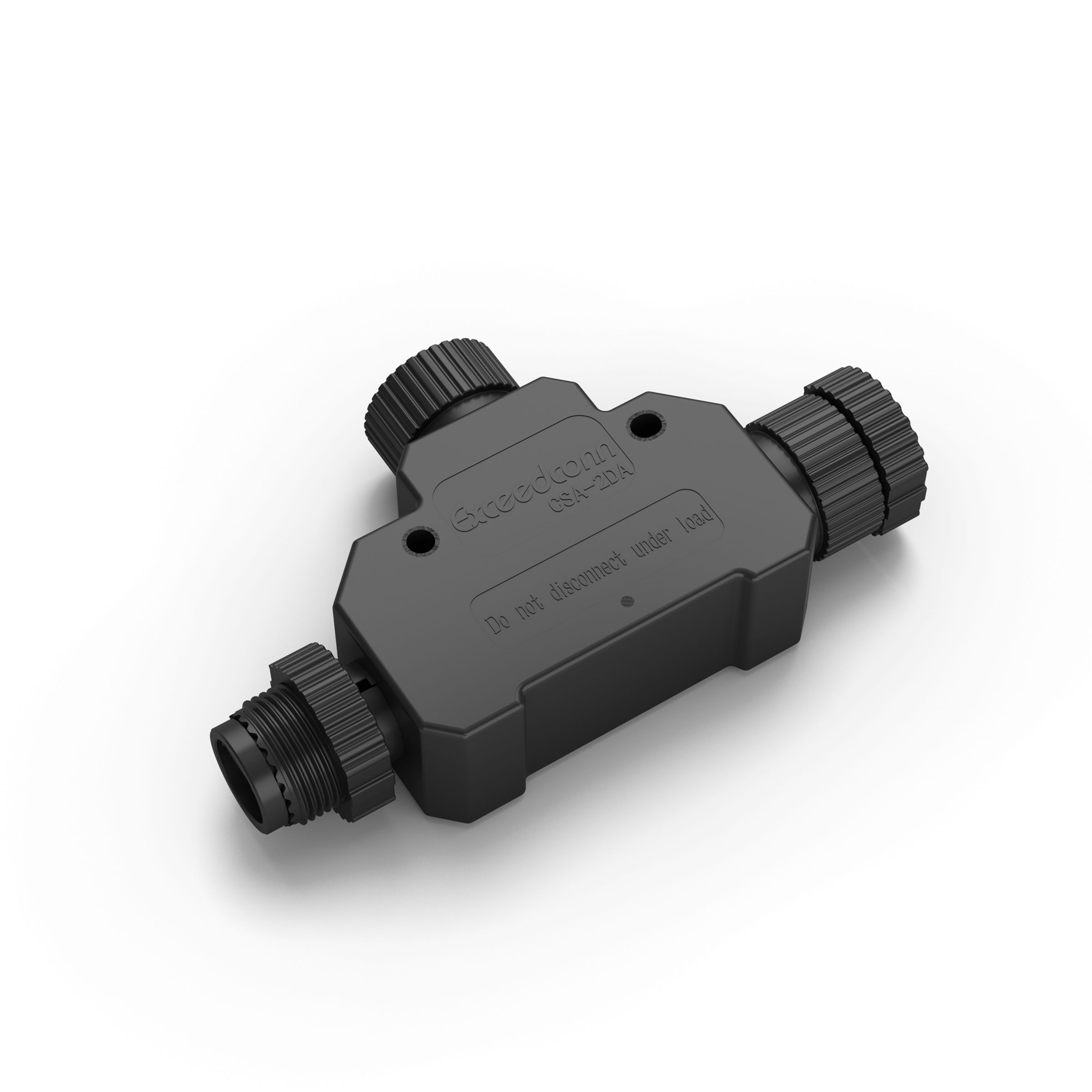
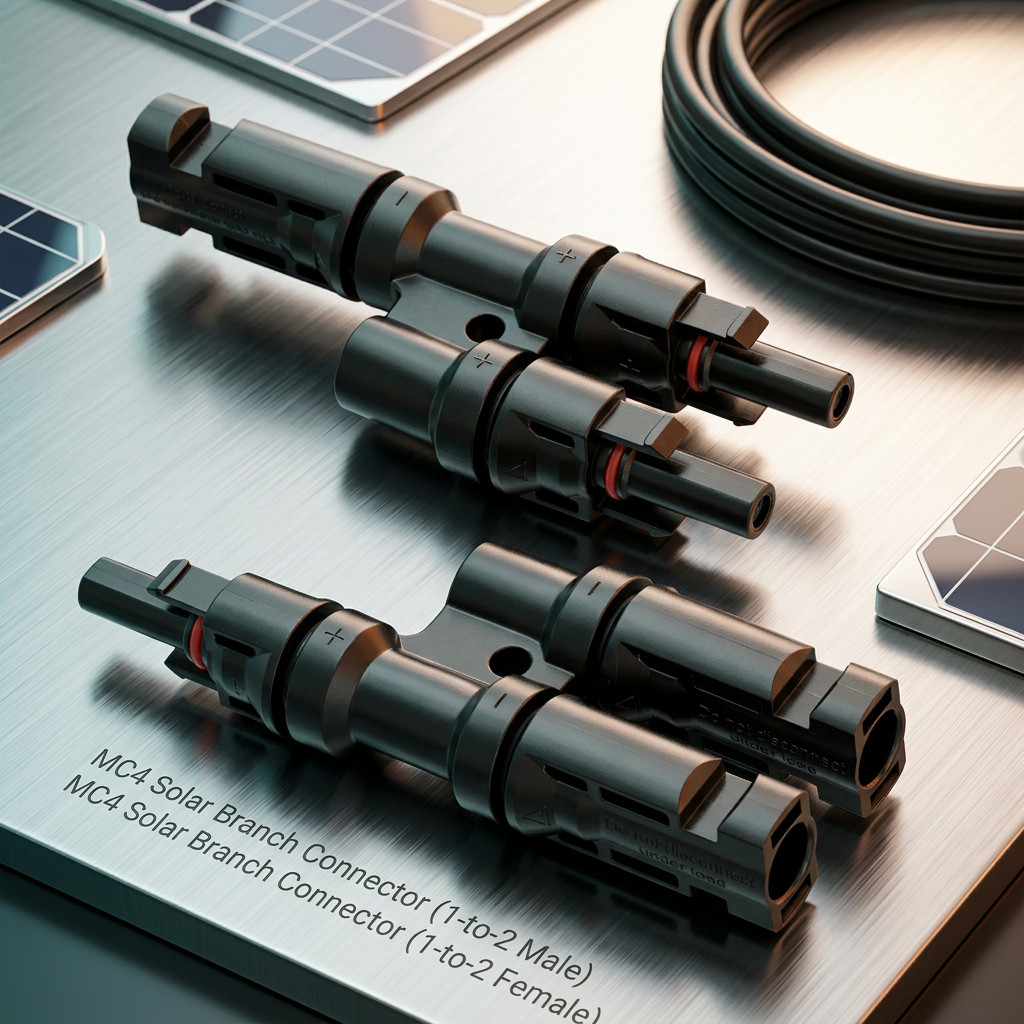
- Photovoltaic couplers with IP68 and 35A rating suit outdoor solar runs better than bare sockets.
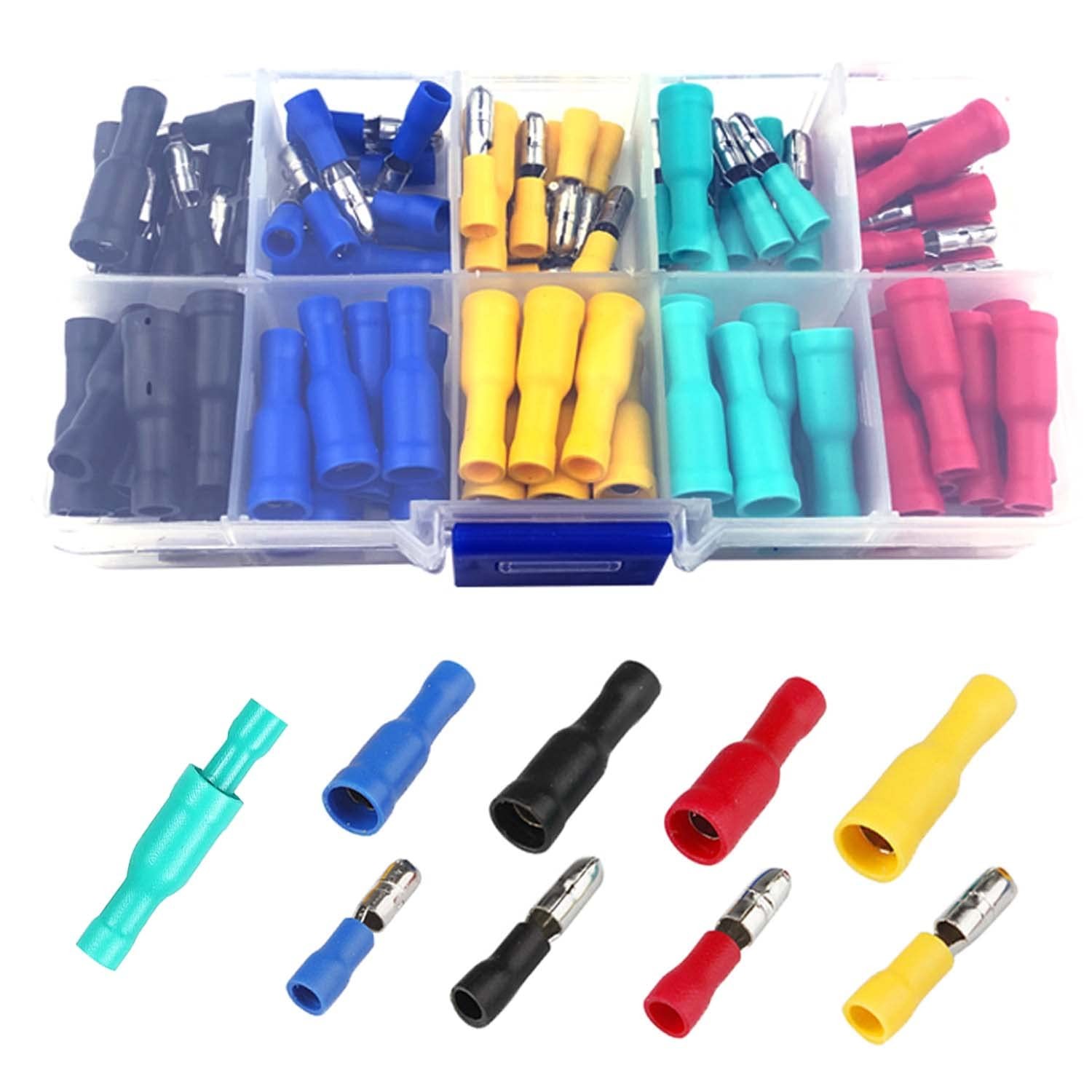
- Colour coded housings (red, blue, yellow) make phase tracking simple in dense panels.
Things to watch
- Crimp lugs need a proper crimp tool and cannot be reused once compressed.
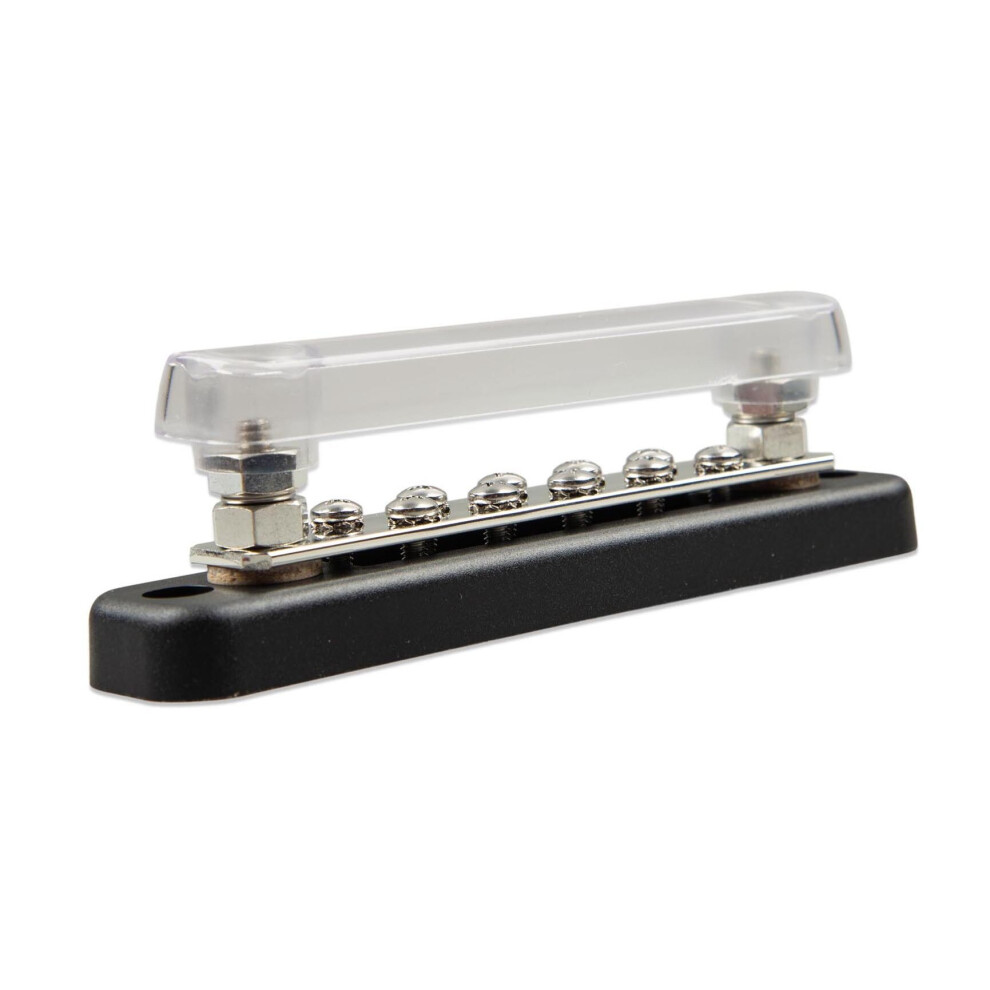
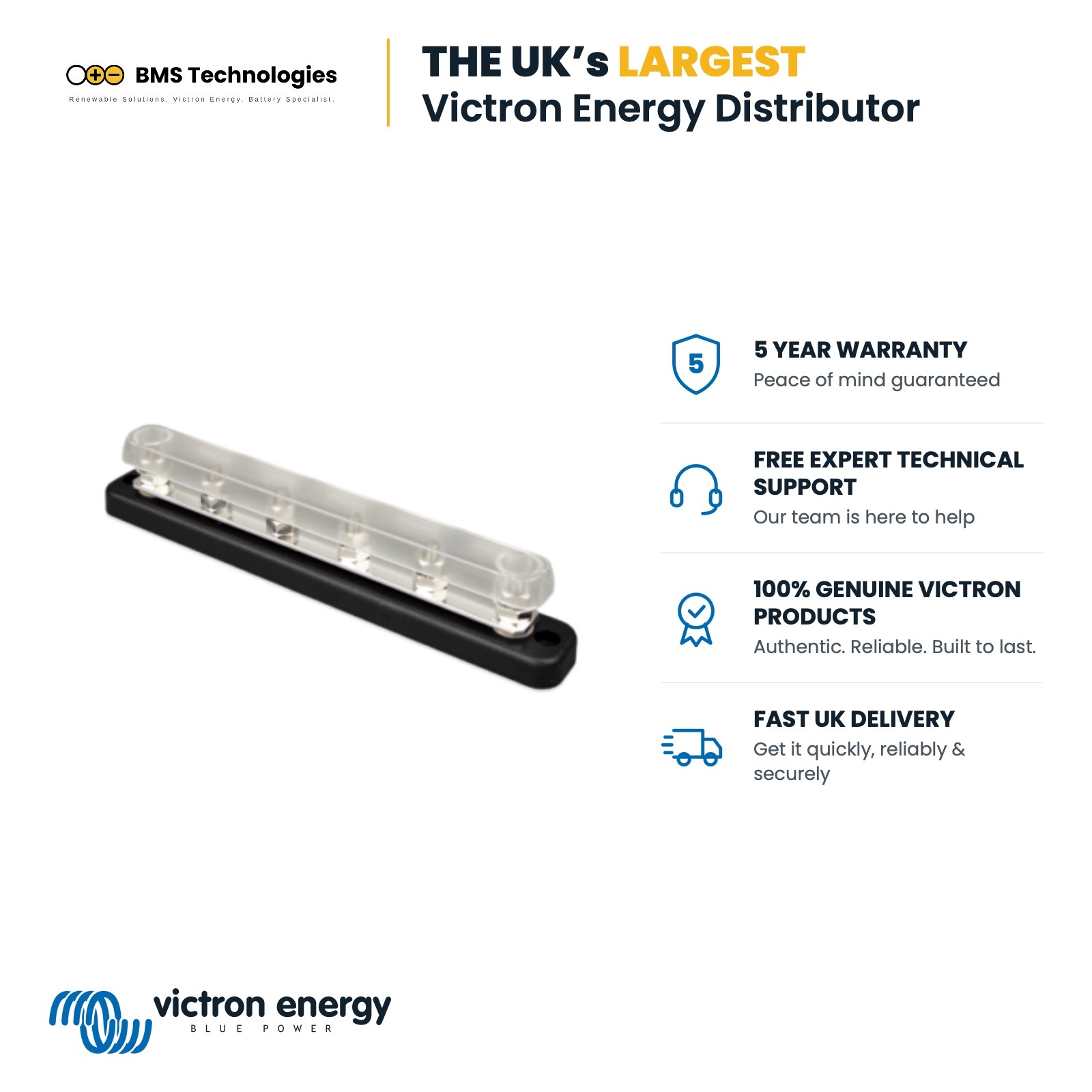
- Lever terminals with test points take more rail width than a plain 2 way jumper bar.
- Solar cable couplers are bulkier than a 9 way pin receptacle, wrong for tight enclosures.
- Plastic or nylon housings resist corrosion but lack the conduction of tin or gold contacts.
- High current 35A connectors add size and weight versus 24A through blocks for control circuits.
Care & maintenance
Crimp lugs
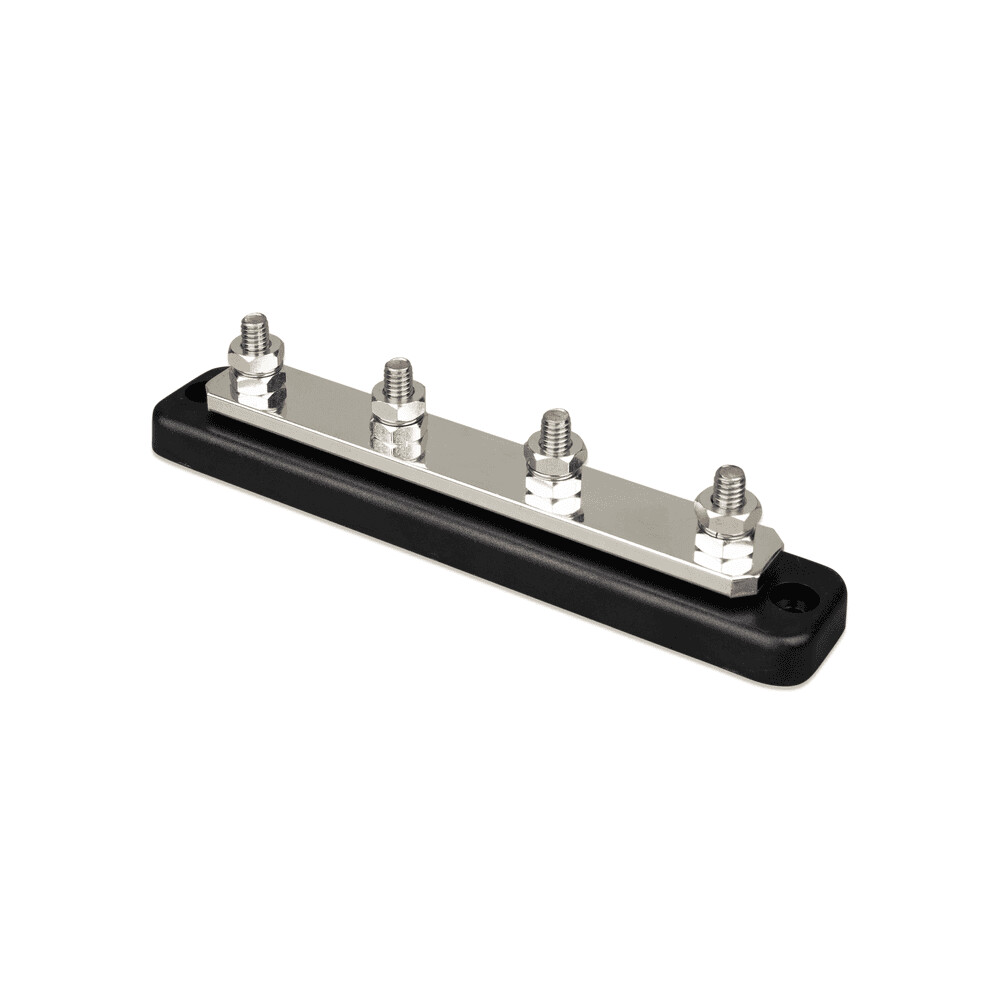
Re-torque M10 lug bolts after first heat cycle as copper creeps.
Lever blocks
Wipe dust from lever terminal test points to keep probing accurate.
Cable glands
Inspect black polyamide glands for cracks in UV exposed runs.
Crimp housings
Avoid tugging crimped housings, friction ramp locks fail if strands splay.
Frequently Asked Questions
What should I look for when buying wire terminals & connectors?
When shopping for wire terminals & connectors, consider factors such as quality, price, brand reputation, and customer reviews. Compare prices across multiple retailers to ensure you're getting the best deal. Look for products that match your specific needs and budget.
How do I choose the right wire terminals & connectors?
Choosing the right wire terminals & connectors depends on your individual needs, budget, and preferences. Research different options, read customer reviews, and compare specifications. Consider what features are most important to you and look for products that offer the best value for money.
Where can I find the best deals on wire terminals & connectors?
You can find the best deals on wire terminals & connectors by comparing prices across multiple retailers. Our price comparison tool helps you find the lowest prices from trusted UK retailers including Amazon, eBay, and other major online stores. Check regularly as prices and deals change frequently.
Are wire terminals & connectors products worth the investment?
The value of wire terminals & connectors products depends on your specific needs and how you plan to use them. Quality products from reputable brands often provide better long-term value, even if they cost more initially. Consider your budget and requirements when making your decision.
What's the difference between different types of wire terminals & connectors?
Different types of wire terminals & connectors vary in features, quality, price, and intended use. Some may offer premium features while others focus on affordability. Research the specific differences between models or brands to find the option that best suits your needs and budget.