Nursing & Feeding
How to choose nursing & feeding
Material for cups
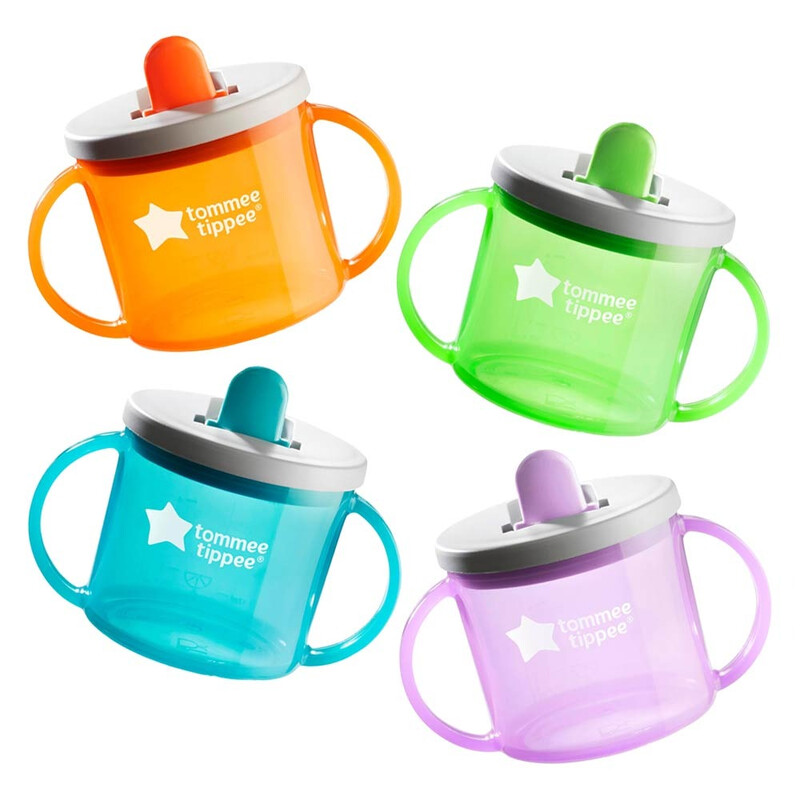
Sippy cup material: plastic is light, stainless steel is durable, silicone gives a non slip grip.
Bottle composition
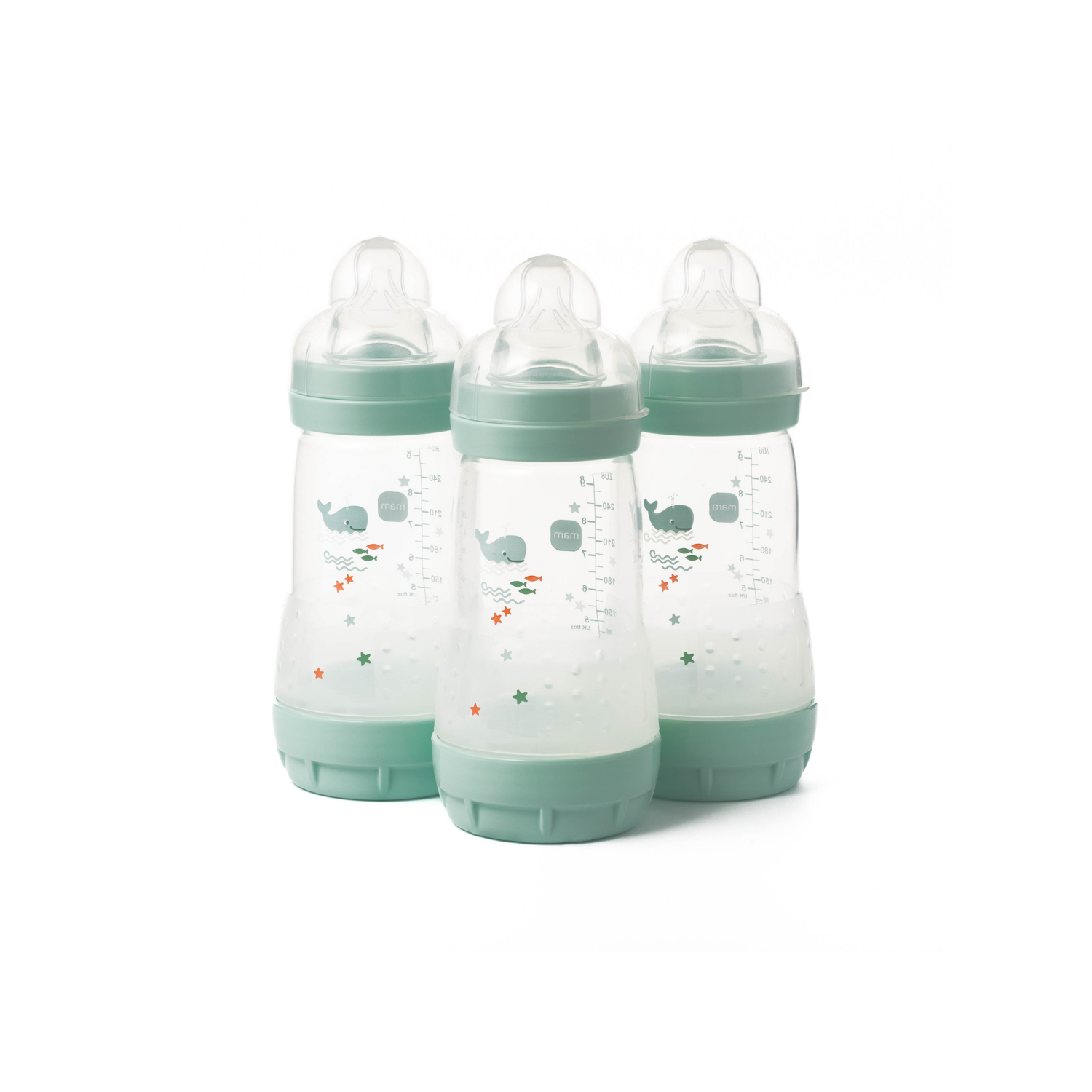
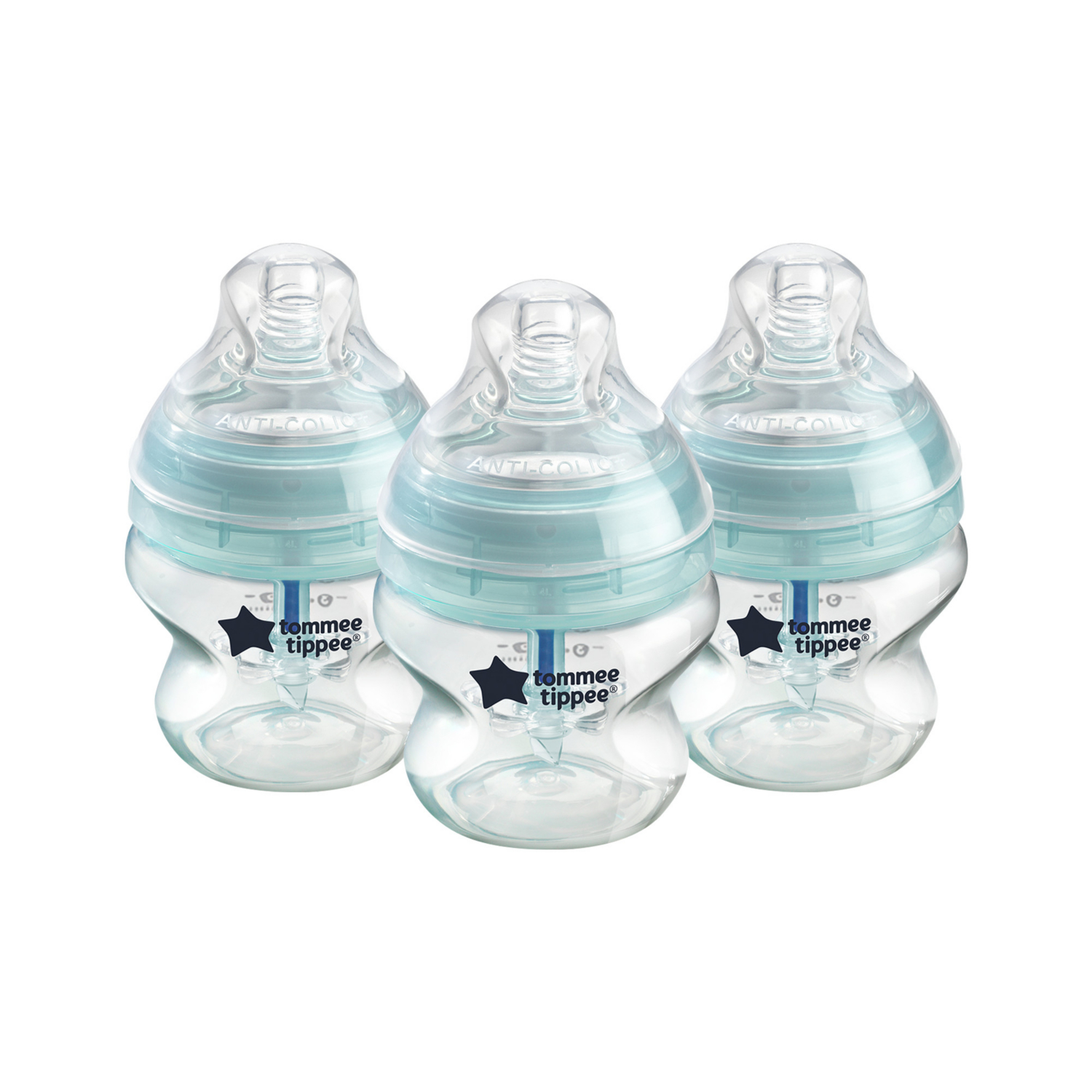
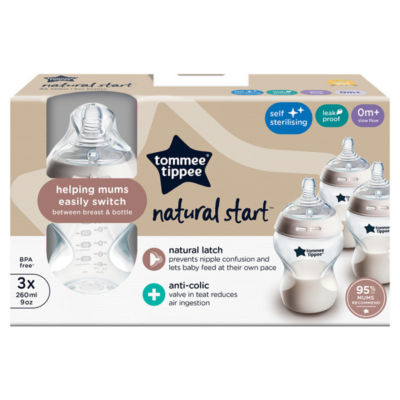
Baby bottle type: silicone suits chewing, plastic shows measures clearly, steel holds chill.
Warming and cleaning
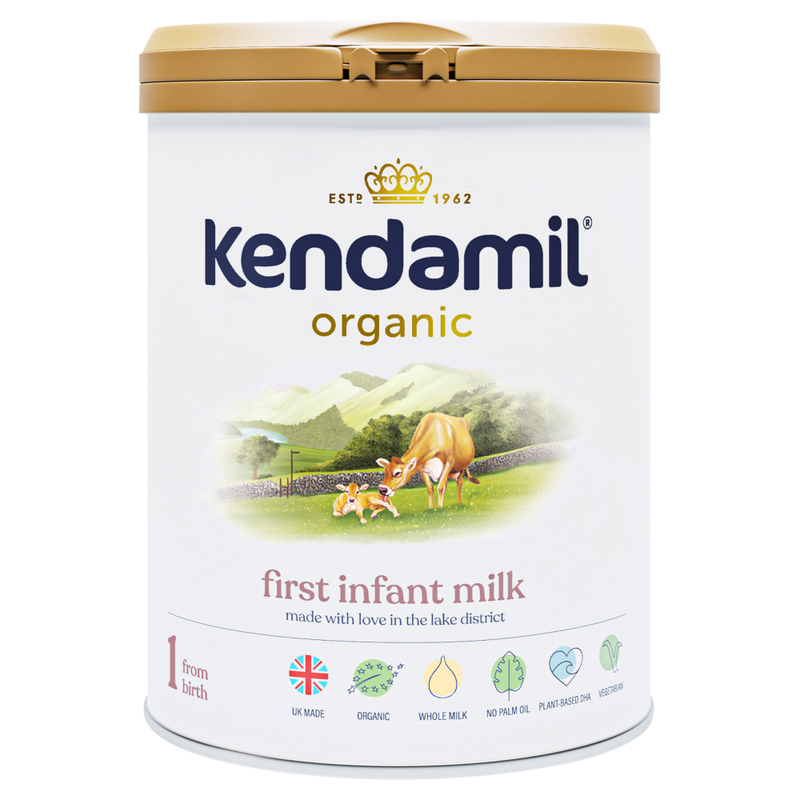
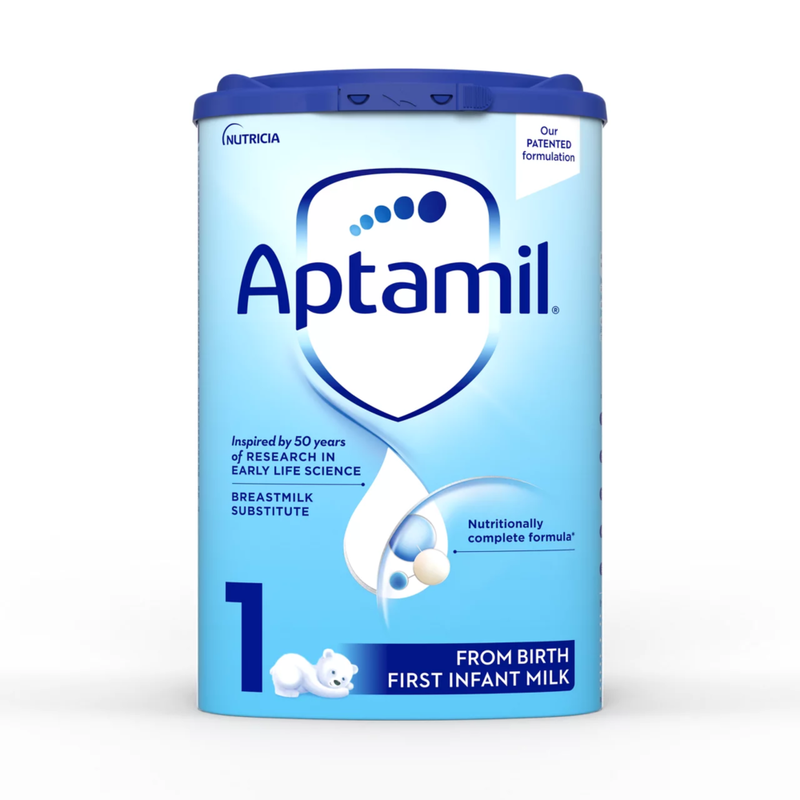
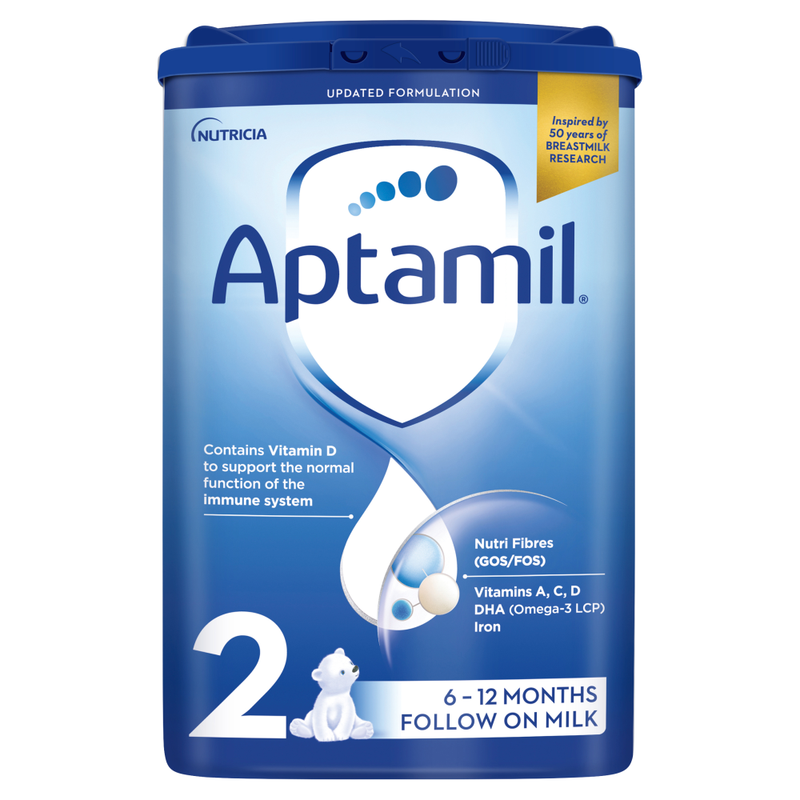
Heat need: a bottle warmer or steriliser fits formula prep, while plain bottles suit cold feeds.
Bib cloth
Bib fabric: cotton and bamboo take moisture, polyester carries bright patterns for gifts.
Shade
Colour: the range covers white, blue, pink, green, brown, grey, red, silver, black, yellow, so pick to match nursery or outfit.
What's good
- Sippy cups in stainless steel keep drinks cool and survive drops better than plastic versions.
- Silicone baby bottles are soft for teething gums and light to pack in a bag.
- Bottle warmers and sterilisers tackle several items in one cycle, easing the daily load.
- Cotton and terry cloth bibs under Baby & Toddler absorb dribble well, with many colour choices.
Things to watch
- Stainless steel sippy cups are heavier for small hands than plastic ones.
- Silicone baby bottles can trap smells if rinsed poorly after milk feeds.
- Bottle warmers and sterilisers require a power socket, limiting use on outings.
- Polyester bibs print sharply but soak less than cotton or bamboo equivalents.
Care & maintenance
Rinse after feed
Rinse baby bottles and sippy cups soon after use to stop milk settling.
Launder bibs
Wash cotton and terry cloth bibs in the machine, but turn printed types inside out.
Dry steel
Wipe stainless steel parts dry to prevent marks from water.
Inspect parts
Check bottle teats and spouts for cracks before each use.
Frequently Asked Questions
What should I look for when buying nursing & feeding?
When shopping for nursing & feeding, consider factors such as quality, price, brand reputation, and customer reviews. Compare prices across multiple retailers to ensure you're getting the best deal. Look for products that match your specific needs and budget.
How do I choose the right nursing & feeding?
Choosing the right nursing & feeding depends on your individual needs, budget, and preferences. Research different options, read customer reviews, and compare specifications. Consider what features are most important to you and look for products that offer the best value for money.
Where can I find the best deals on nursing & feeding?
You can find the best deals on nursing & feeding by comparing prices across multiple retailers. Our price comparison tool helps you find the lowest prices from trusted UK retailers including Amazon, eBay, and other major online stores. Check regularly as prices and deals change frequently.
Are nursing & feeding products worth the investment?
The value of nursing & feeding products depends on your specific needs and how you plan to use them. Quality products from reputable brands often provide better long-term value, even if they cost more initially. Consider your budget and requirements when making your decision.
What's the difference between different types of nursing & feeding?
Different types of nursing & feeding vary in features, quality, price, and intended use. Some may offer premium features while others focus on affordability. Research the specific differences between models or brands to find the option that best suits your needs and budget.