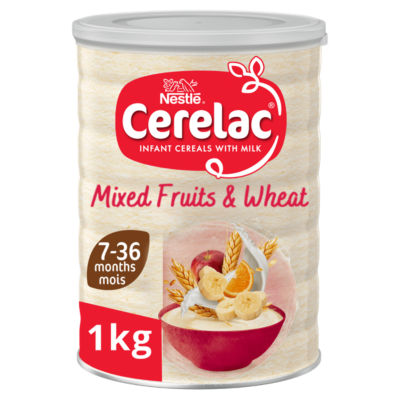
Baby & Toddler Food
How to choose baby & toddler food
Formula format
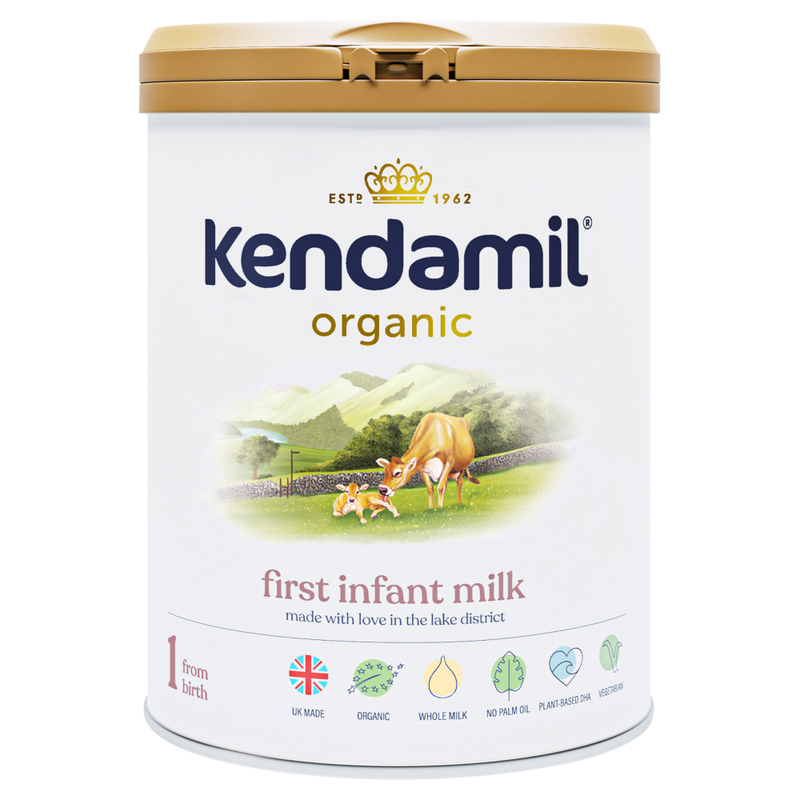
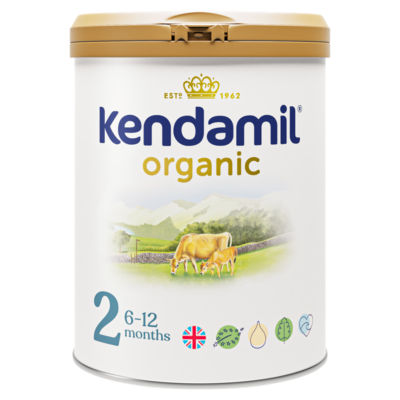
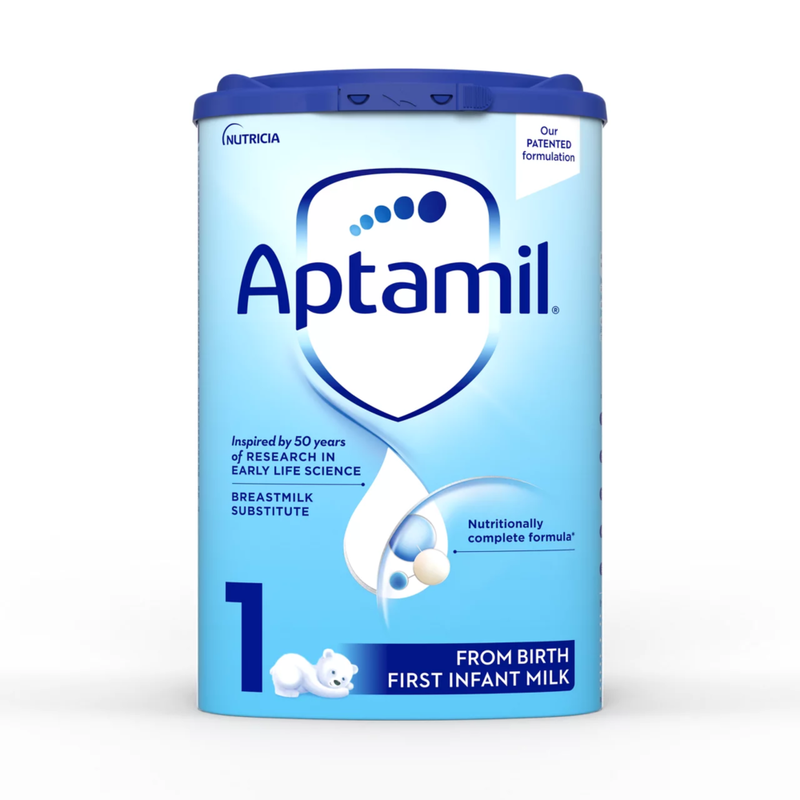
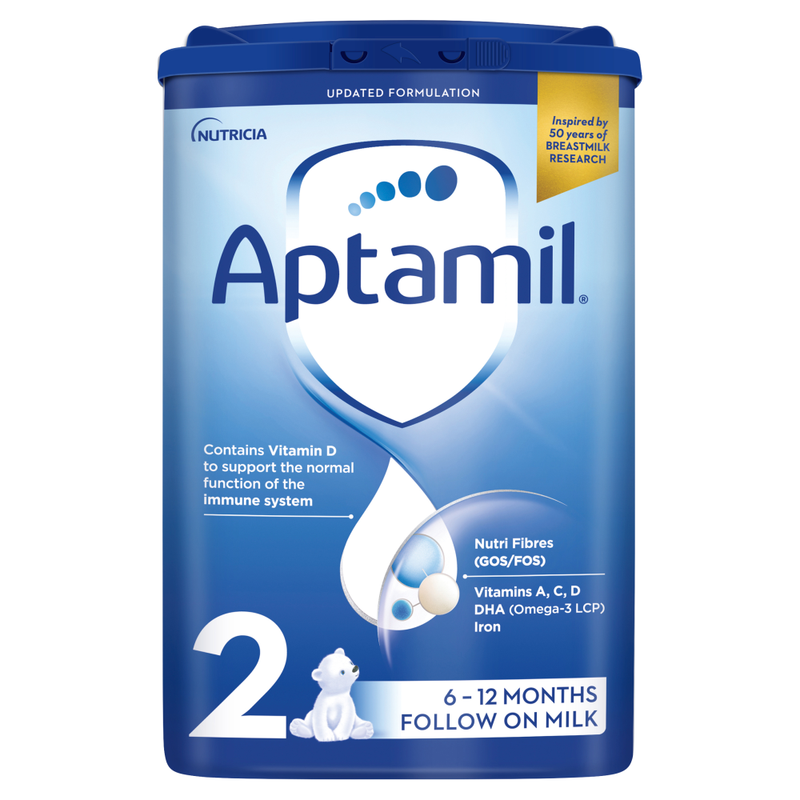
Choose between powdered and ready-to-drink baby formula. Powdered saves space, ready-to-drink saves effort.
Age stage
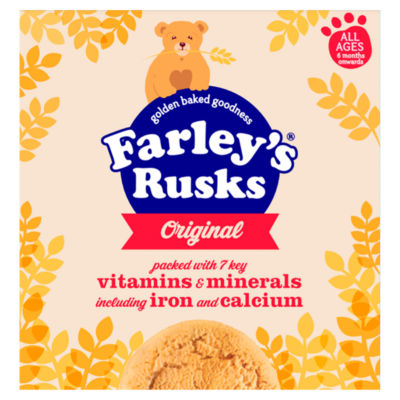
Match baby food or baby and toddler snacks to the child's age stage. Younger months need softer melts, older ones handle biscuits.
Feeding material
For nursing and feeding, weigh material tradeoffs. Iron and tin last long but add weight, coconut, camel, and acetate blends stay light.
Colour vs material
Pick a colour like white, cream, or orange only after settling the material. Hue does not affect function.
Sub-type scope
Confirm the sub-type you need: baby formula, baby food, nursing and feeding, or broad baby and toddler items. Each fits a different part of the daily routine.
What's good
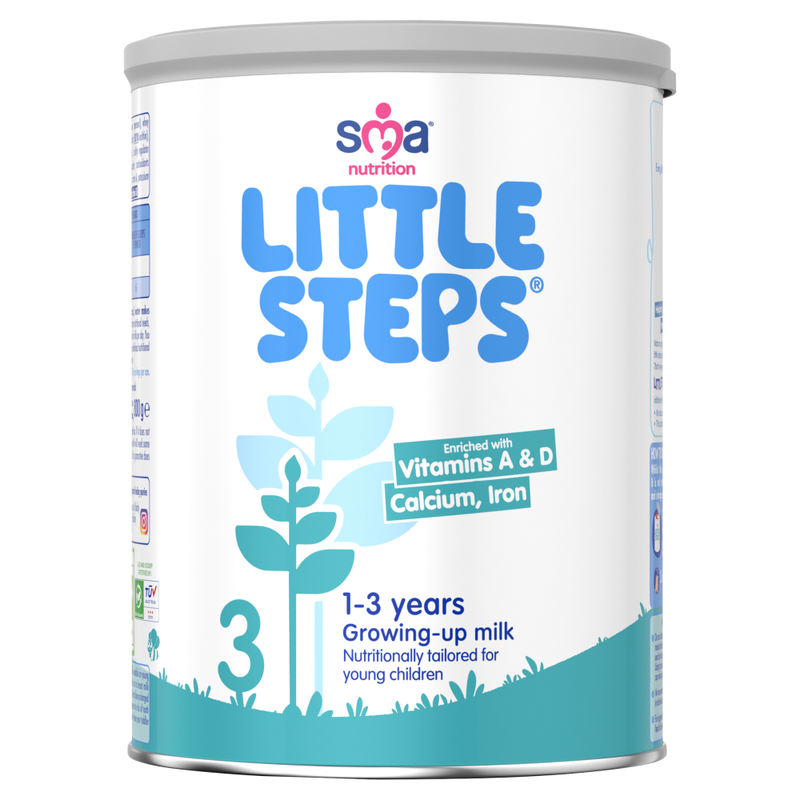
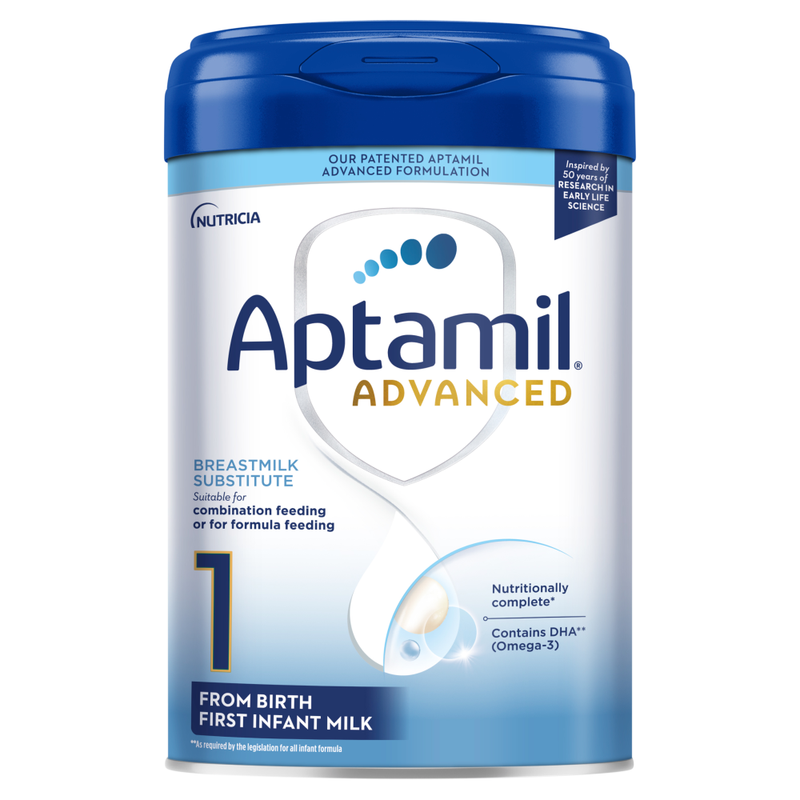
- Baby formula splits into powdered and ready-to-drink tiers. Powdered tins are compact to store, while ready-to-drink cartons skip measuring and mixing.
- Baby food and baby and toddler snacks come in age-graded stages. Options span 6+ month wafers to 12+ month biscuits, matching texture to weaning progress.
- Nursing and feeding items offer material choices. You can pick iron, tin, coconut, or blends like iron/coconut, favouring sturdy metal or lighter plant-based builds.
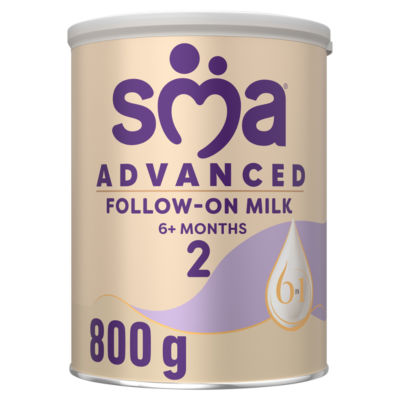
- Follow-on and growing-up milk sub-types extend formula use past infancy. Toddlers stay on familiar nutrition without leaving the category.
Things to watch
- Ready-to-drink formula is bulkier than powdered. It takes more cupboard space in a small kitchen.
- Powdered formula needs preparation each feed. That adds minutes during night routines.
- Age-specific baby food loses relevance quickly. A stage suited at 7 months may be ignored by 12 months.
- Nursing and feeding pieces in iron or tin weigh more than coconut versions. This is a drawback when packing a changing bag.
- Colour options such as white, red, cream, yellow, peach, brown, grain, orange, and gold are cosmetic. Focusing on hue can overshadow the material that affects daily use.
Care & maintenance
Formula storage
Store opened formula tins sealed in a cool, dry place. This keeps the powder free from clumps.
Feeding item care
Wash nursing and feeding items made from iron, tin, coconut, camel, or blends by material. Avoid harsh scrubbing on coconut or acetate surfaces.
Liquid formula care
Keep ready-to-drink cartons upright. Refrigerate after opening and use within the pack's stated window.
Opened food
Reseal baby food packs where the design allows. Discard uneaten portions after the recommended time to avoid spoilage.
Frequently Asked Questions
What should I look for when buying baby & toddler food?
When shopping for baby & toddler food, consider factors such as quality, price, brand reputation, and customer reviews. Compare prices across multiple retailers to ensure you're getting the best deal. Look for products that match your specific needs and budget.
How do I choose the right baby & toddler food?
Choosing the right baby & toddler food depends on your individual needs, budget, and preferences. Research different options, read customer reviews, and compare specifications. Consider what features are most important to you and look for products that offer the best value for money.
Where can I find the best deals on baby & toddler food?
You can find the best deals on baby & toddler food by comparing prices across multiple retailers. Our price comparison tool helps you find the lowest prices from trusted UK retailers including Amazon, eBay, and other major online stores. Check regularly as prices and deals change frequently.
Are baby & toddler food products worth the investment?
The value of baby & toddler food products depends on your specific needs and how you plan to use them. Quality products from reputable brands often provide better long-term value, even if they cost more initially. Consider your budget and requirements when making your decision.
What's the difference between different types of baby & toddler food?
Different types of baby & toddler food vary in features, quality, price, and intended use. Some may offer premium features while others focus on affordability. Research the specific differences between models or brands to find the option that best suits your needs and budget.