Volleyball
How to choose volleyball
Ball material
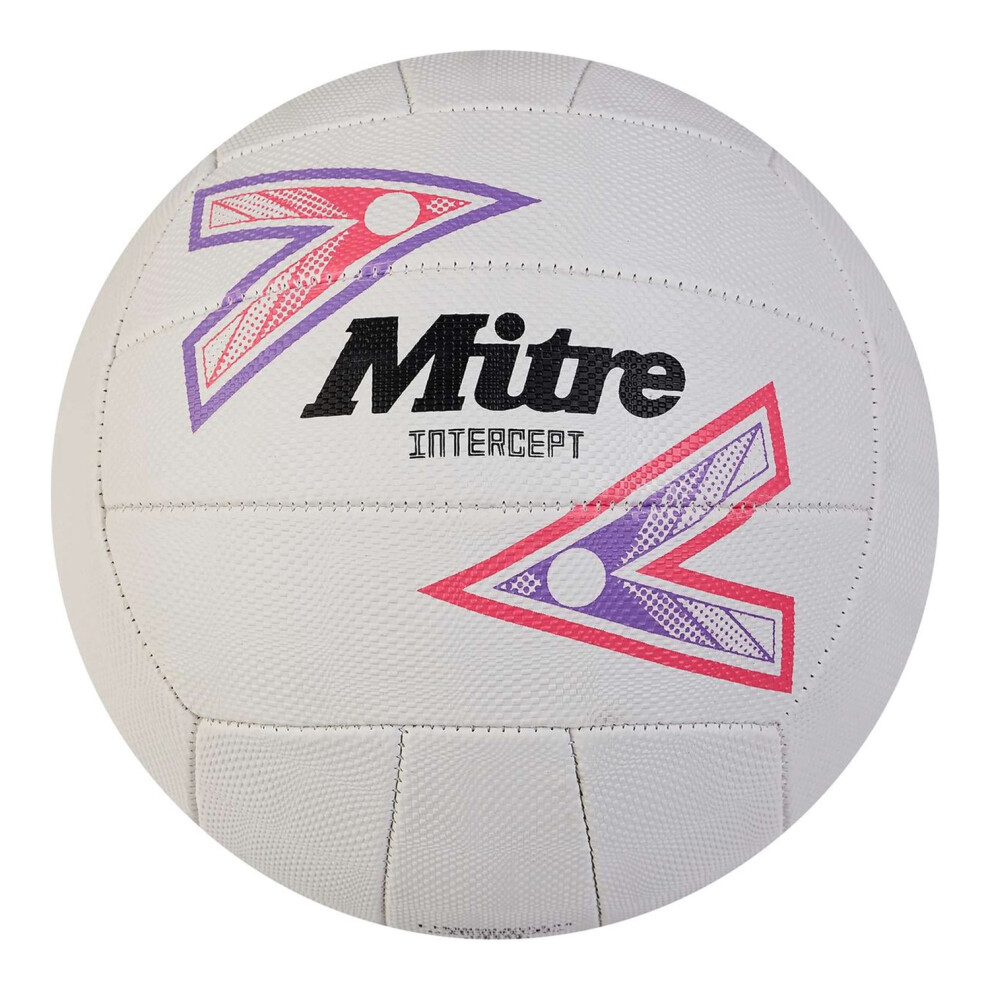
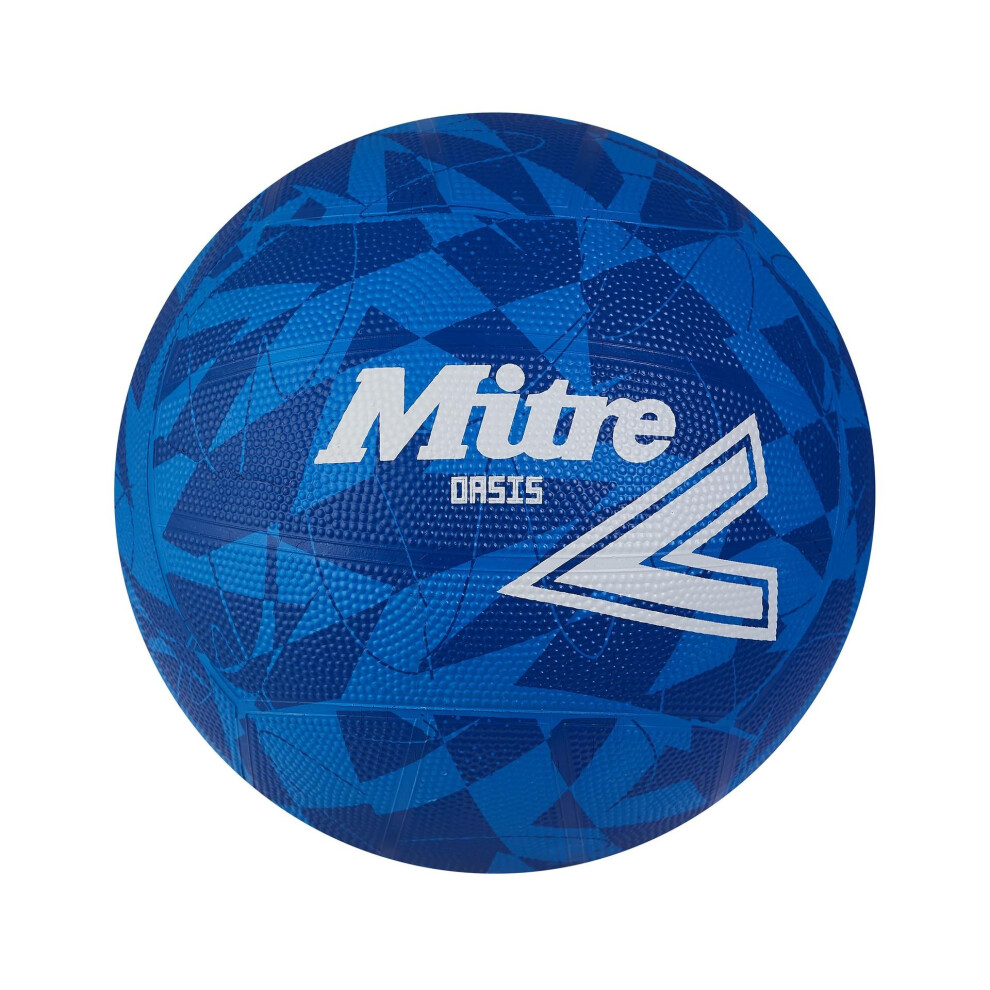
Sporting goods balls come in leather/rubber for match touch or rubber for tough training. Choose based on how often you play games.
Knee pad colour
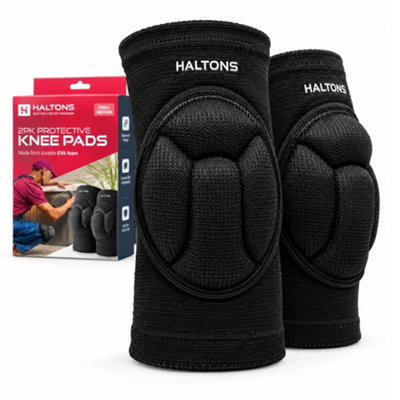
Volleyball knee pads appear in black, neutral, blue, pink or white. Dark shades hide dirt, light shades show style.
Protection tradeoff
Volleyball protective gear splits between silicone (more absorption, heavier) and polyester (lighter, less padded). Pick by your impact need.
Athletics build
Athletics items use metal, steel, nylon or cotton. Metal lasts but weighs more than nylon for quick drills.
Visibility vs upkeep
Colour across all sub-types matters. Multi or yellow aids visibility, white needs more upkeep.
What's good
- Volleyball knee pads with silicone or cotton blends cushion your joints on dives. This helps recreational players train without bruises.
- Sporting goods volleyballs in leather or leather/rubber give a consistent touch. They suit match play better than rubber only training balls.
- Bright ball colours like yellow, multi or red stand out on indoor and outdoor courts. That visibility helps track fast rallies.
- Volleyball protective gear using nylon or polyester stays light during movement. You get coverage without overheating.
Things to watch
- Rubber only volleyballs are harder on the arms than leather blended ones. New players may feel sting on passes.
- Knee pads with thick silicone padding add bulk at the joint. Quick sprints can feel restricted.
- White or black/white items show scuffs and clay marks quickly outside. They need regular cleaning to look smart.
- Cotton blended protective gear absorbs sweat and takes longer to dry. You will wash it more often.
- Metal or steel parts in athletics items bring durability but extra weight. Direction changes become slower.
Care & maintenance
Ball care
Wipe rubber and leather/rubber volleyballs with a damp cloth after court use. This removes grit that wears the surface.
Pad drying
Air out knee pads made from polyester or cotton after each session. Keep them away from direct heat to hold shape.
Gear storage
Store silicone protective gear in shade. Sunlight can stiffen the material over time.
Metal checks
Check metal or steel athletics gear for moisture after training. Dry it to prevent rust.
Frequently Asked Questions
What should I look for when buying volleyball?
When shopping for volleyball, consider factors such as quality, price, brand reputation, and customer reviews. Compare prices across multiple retailers to ensure you're getting the best deal. Look for products that match your specific needs and budget.
How do I choose the right volleyball?
Choosing the right volleyball depends on your individual needs, budget, and preferences. Research different options, read customer reviews, and compare specifications. Consider what features are most important to you and look for products that offer the best value for money.
Where can I find the best deals on volleyball?
You can find the best deals on volleyball by comparing prices across multiple retailers. Our price comparison tool helps you find the lowest prices from trusted UK retailers including Amazon, eBay, and other major online stores. Check regularly as prices and deals change frequently.
Are volleyball products worth the investment?
The value of volleyball products depends on your specific needs and how you plan to use them. Quality products from reputable brands often provide better long-term value, even if they cost more initially. Consider your budget and requirements when making your decision.
What's the difference between different types of volleyball?
Different types of volleyball vary in features, quality, price, and intended use. Some may offer premium features while others focus on affordability. Research the specific differences between models or brands to find the option that best suits your needs and budget.