Volleyballs
How to choose volleyballs
Surface and material
Pick leather or leather/rubber for indoor touch, but choose rubber for outdoor survival.
Court colour
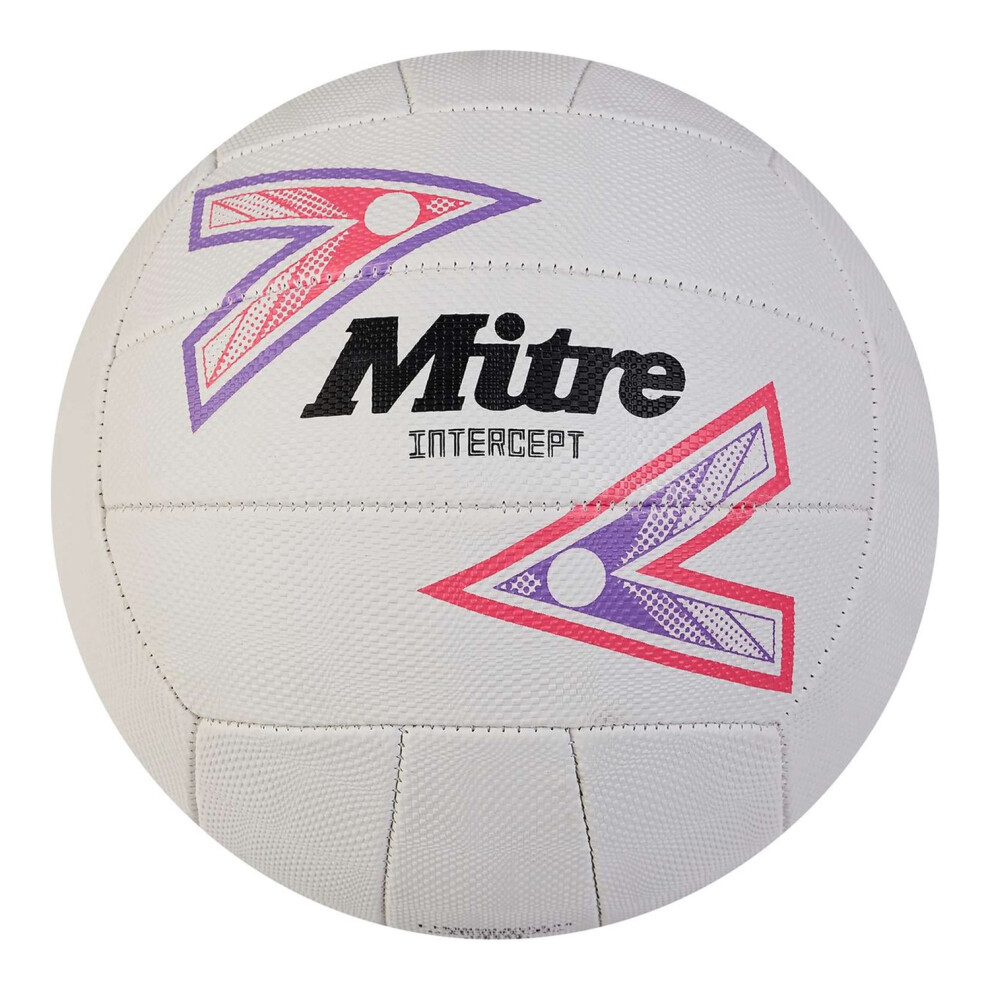
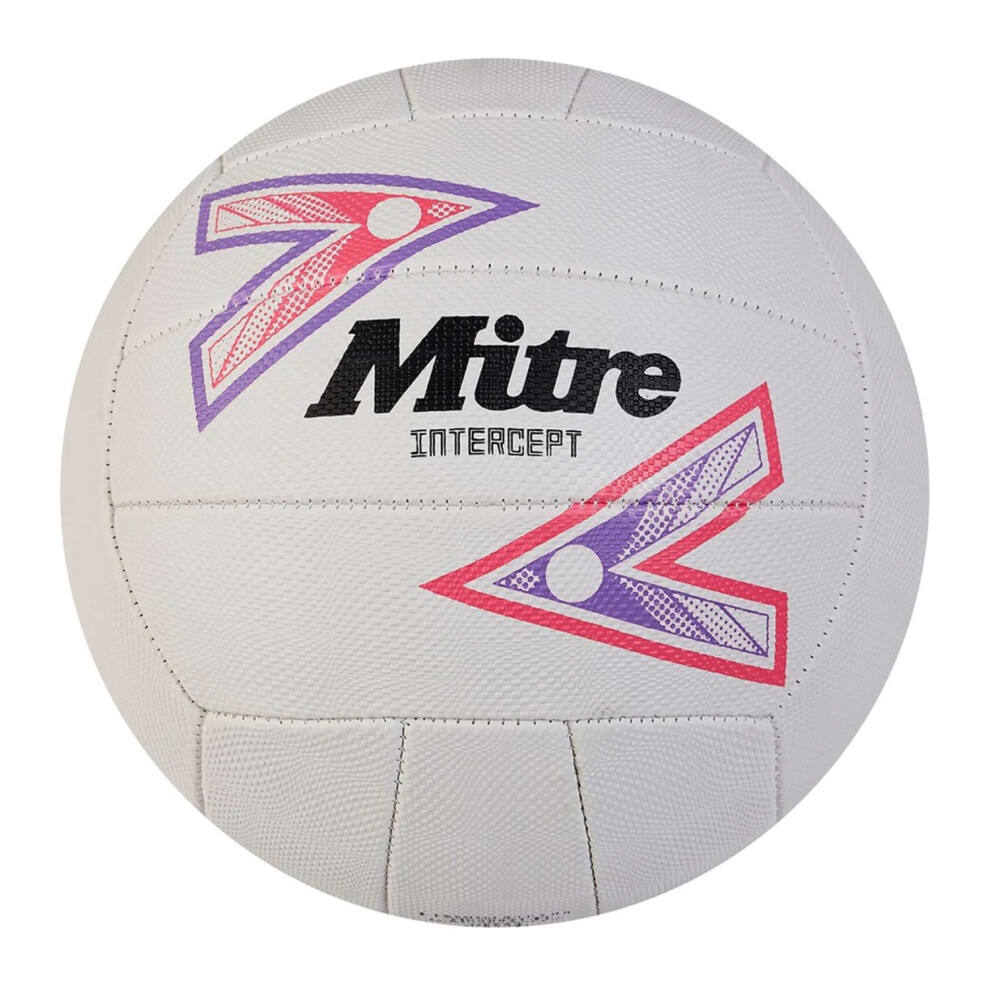
White reads well in a sports hall. Multi or blue/white/yellow wins for beach and park contrast.
Play style
Cotton, nylon, or cotton/polyester/viscose suits soft play and young starters. Rubber/latex gives the bounce needed for proper drills.
Category range
Decide if you need a strict Volleyball or broader Athletics and Sporting Goods. The latter adds kit, but dilutes a quick ball search.
Style preference
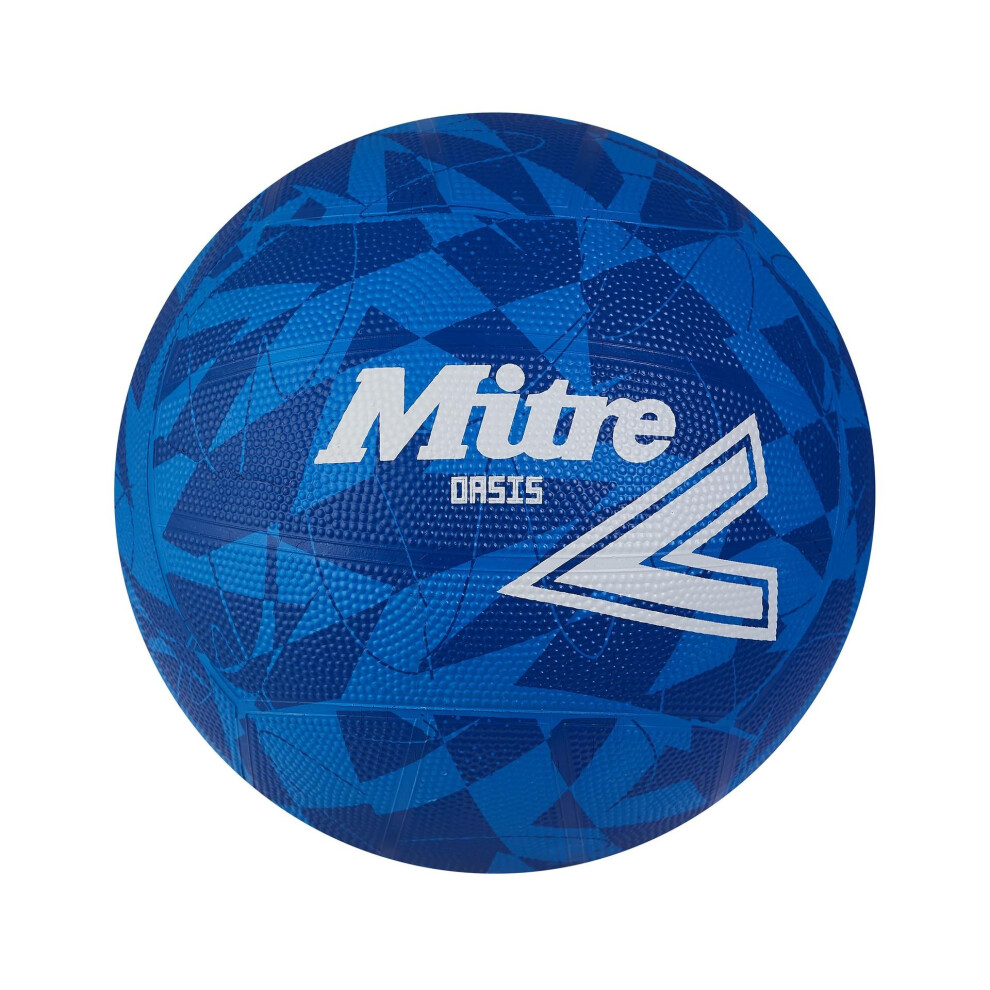
Light/blue or pink colourways offer calm court styling. They suit buyers who hate bright multi prints but still want some colour.
What's good
- Leather and leather/rubber volleyballs give indoor players a soft, controllable touch. They are wrong for outdoor use, where they mark fast.
- Rubber and rubber/latex builds survive rough courts and repeated drops. They feel harder on the hands than leather, which puts off hall purists.
- Multi and blue/white/yellow colourways stay visible on beach or park courts. White suits indoor halls but gets lost in sunlight, so outside players should skip it.
- The category mixes Volleyball with Athletics and Sporting Goods. You can cover broad kit needs, though you must filter out non ball items for a pure match buy.
Things to watch
- Leather and leather/rubber volleyballs scuff on concrete and sand. They are a poor pick for street or beach games.
- Cotton, nylon, and cotton/polyester/viscose types feel soft for beginners. They lack the firm bounce of rubber/latex, so they fail match simulation.
- White volleyballs blend into bright skies during outdoor play. Multi or blue/yellow are safer, but some buyers find them too loud for club halls.
- Broad Sporting Goods and Athletics listings add clutter. You waste time scrolling if you only want a standard Volleyball.
Care & maintenance
Leather care
Wipe leather and leather/rubber panels with a damp cloth after indoor sessions to stop sweat build up.
Rubber storage
Keep rubber and rubber/latex balls out of long sun exposure, or the material goes brittle.
Soft build drying
Store cotton and nylon training types in a dry bag, since mixed fibres hold damp.
Pressure checks
Check air in rubber/latex/cotton blends before play, as composite skins shift pressure.
Frequently Asked Questions
What should I look for when buying volleyballs?
When shopping for volleyballs, consider factors such as quality, price, brand reputation, and customer reviews. Compare prices across multiple retailers to ensure you're getting the best deal. Look for products that match your specific needs and budget.
How do I choose the right volleyballs?
Choosing the right volleyballs depends on your individual needs, budget, and preferences. Research different options, read customer reviews, and compare specifications. Consider what features are most important to you and look for products that offer the best value for money.
Where can I find the best deals on volleyballs?
You can find the best deals on volleyballs by comparing prices across multiple retailers. Our price comparison tool helps you find the lowest prices from trusted UK retailers including Amazon, eBay, and other major online stores. Check regularly as prices and deals change frequently.
Are volleyballs products worth the investment?
The value of volleyballs products depends on your specific needs and how you plan to use them. Quality products from reputable brands often provide better long-term value, even if they cost more initially. Consider your budget and requirements when making your decision.
What's the difference between different types of volleyballs?
Different types of volleyballs vary in features, quality, price, and intended use. Some may offer premium features while others focus on affordability. Research the specific differences between models or brands to find the option that best suits your needs and budget.