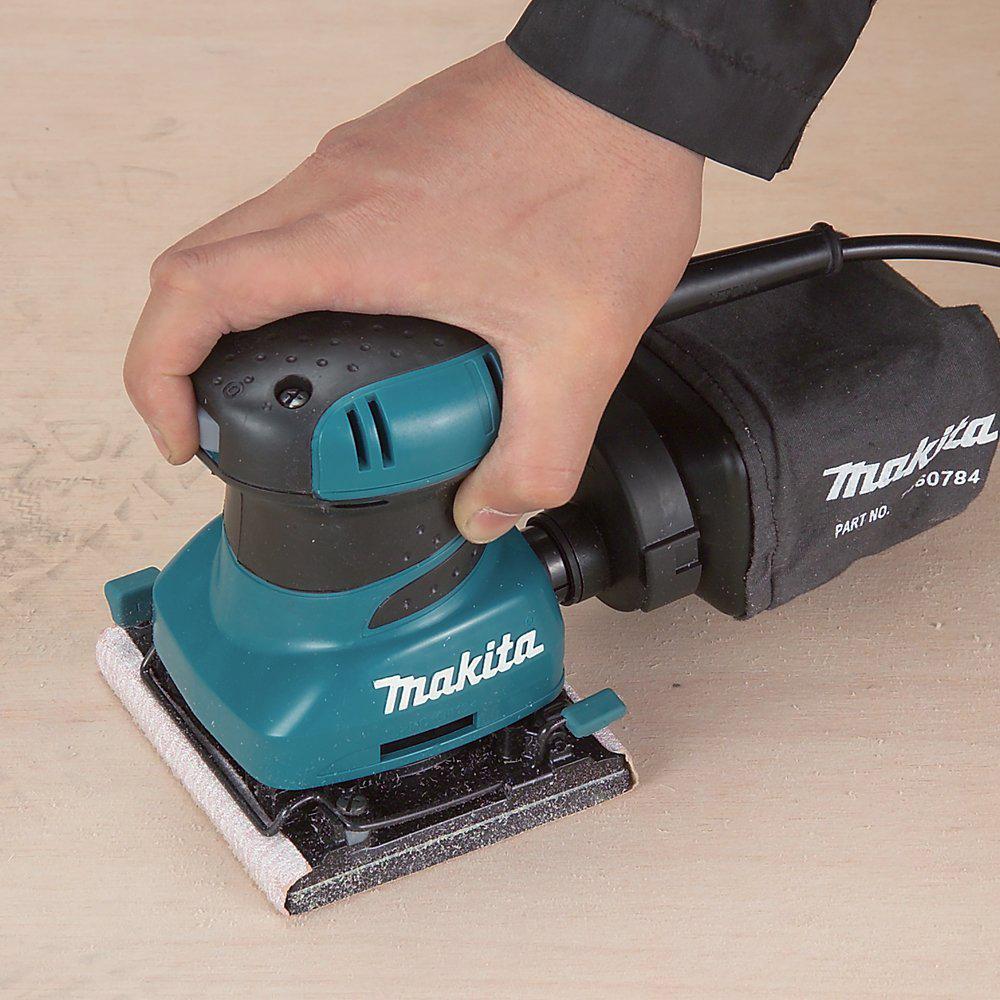
Sanders
How to choose sanders
Sub type
First, pick sub type. A Tool does the work, Hardware like sheets and lights supports it.
Sander form
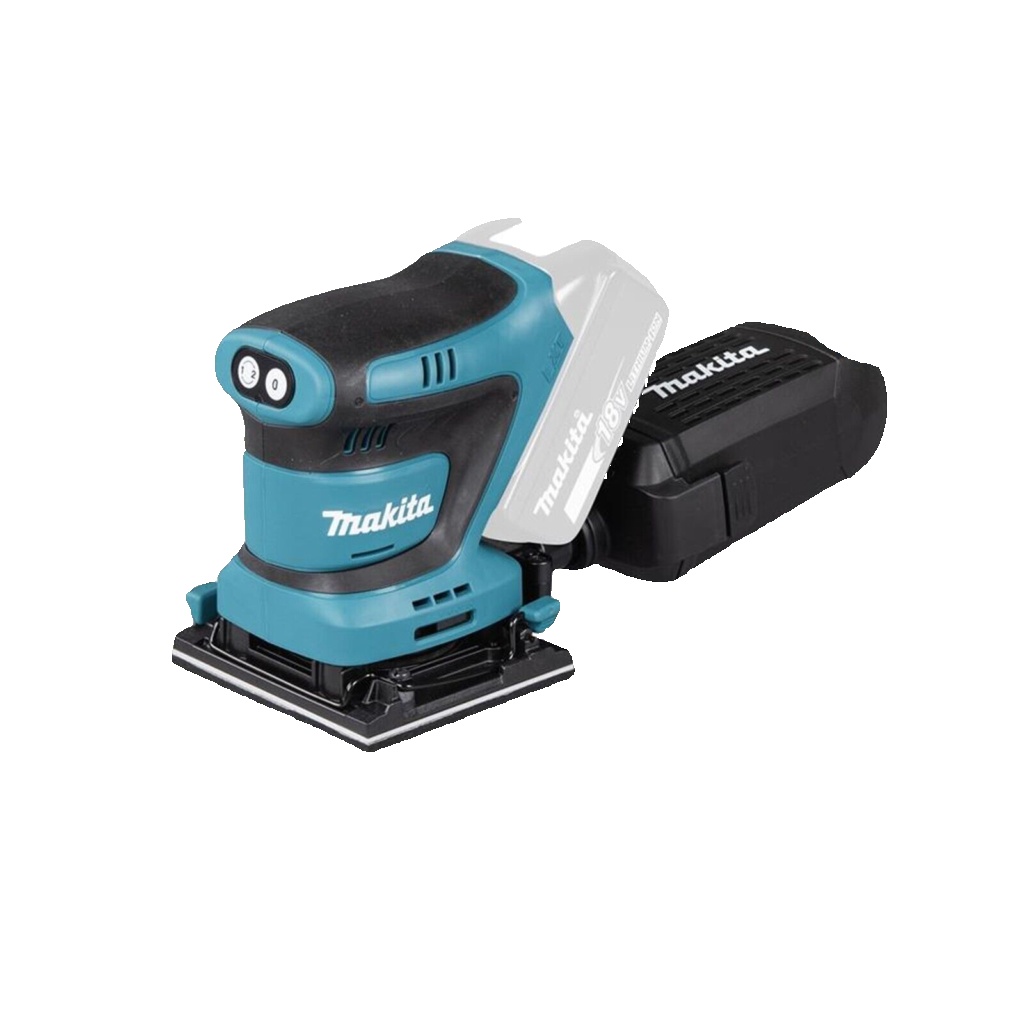
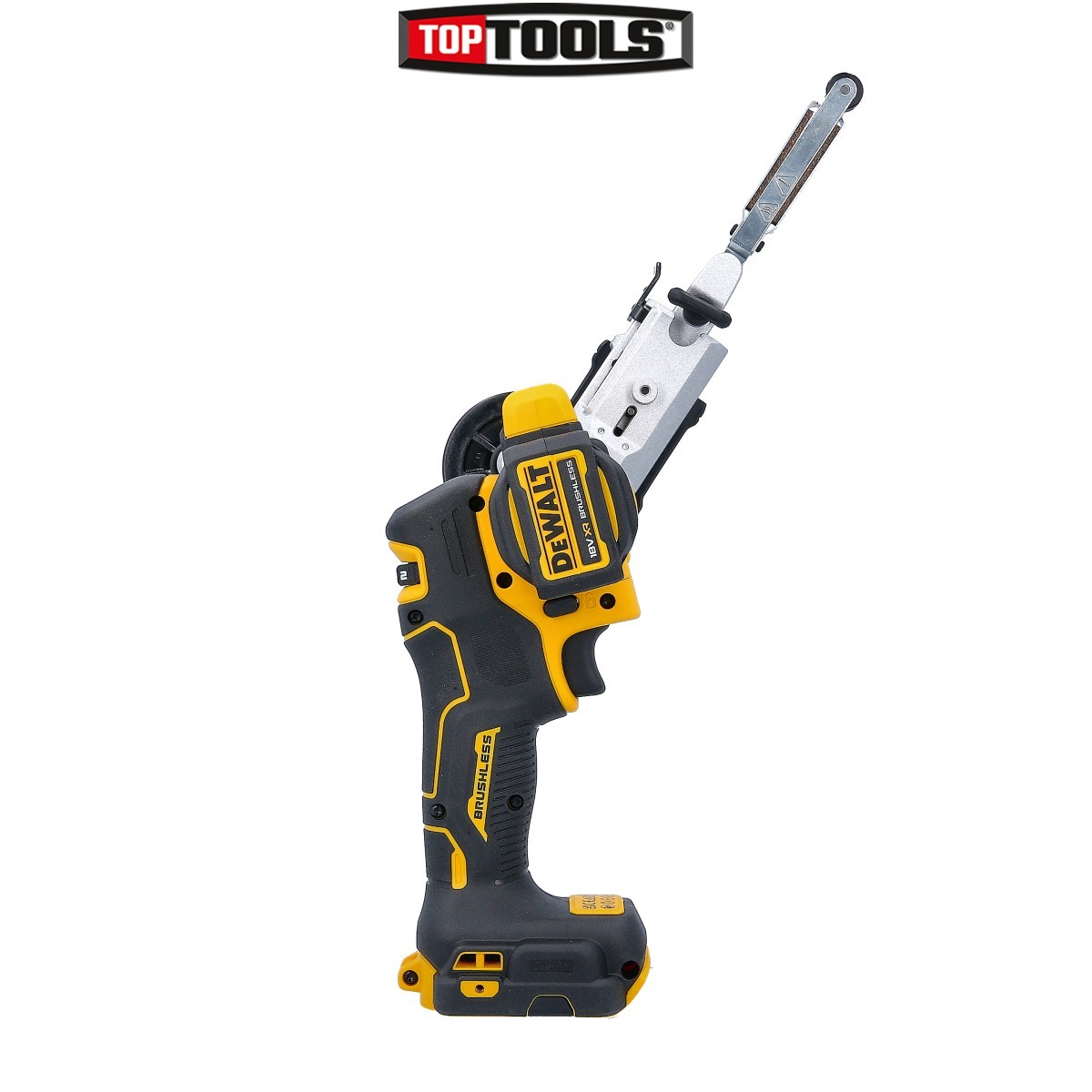
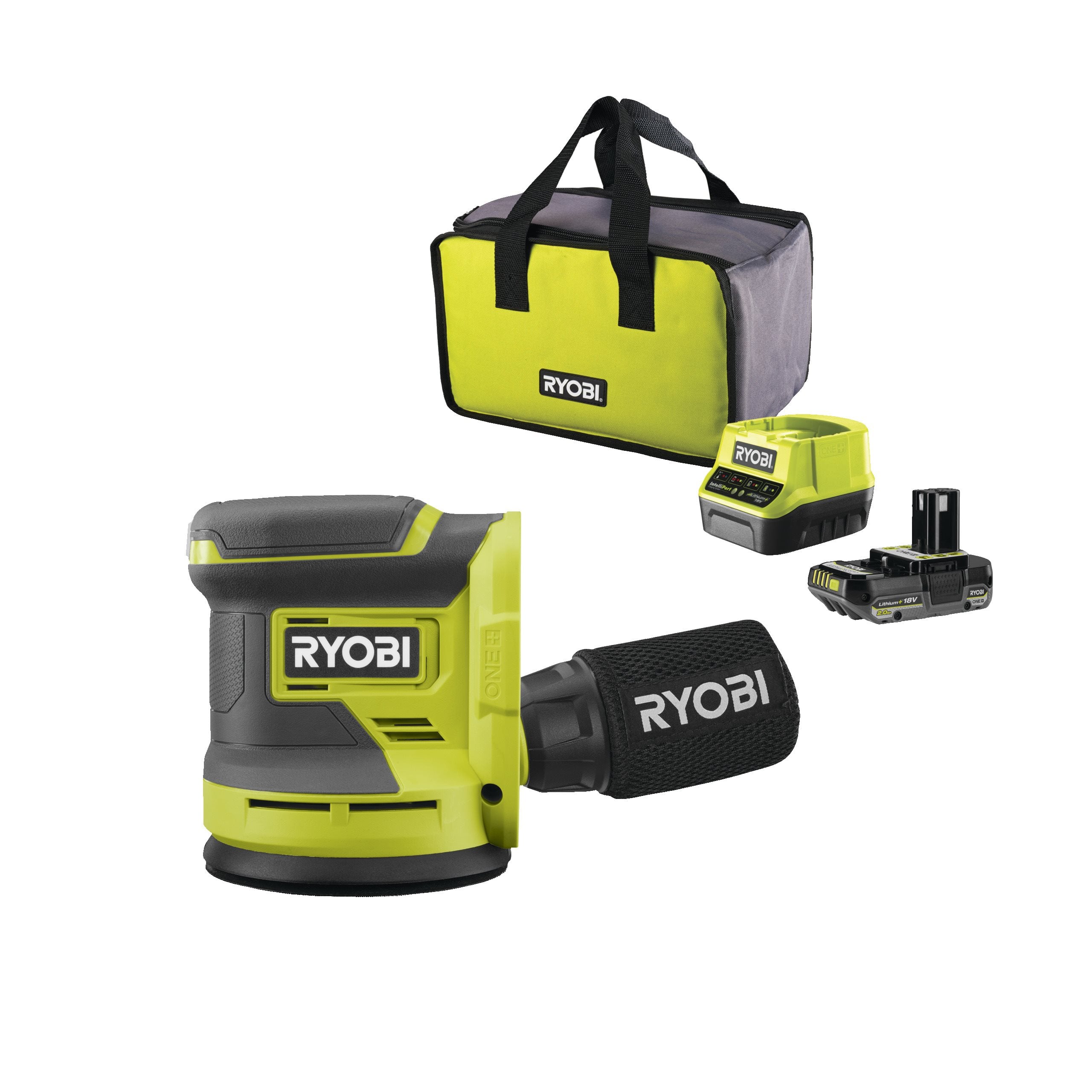
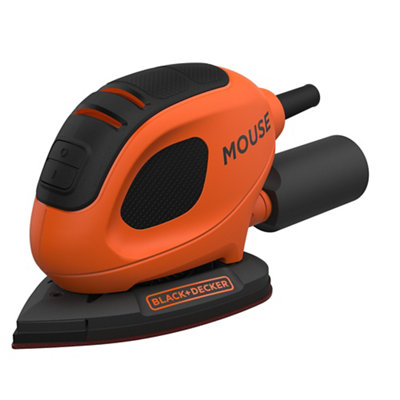
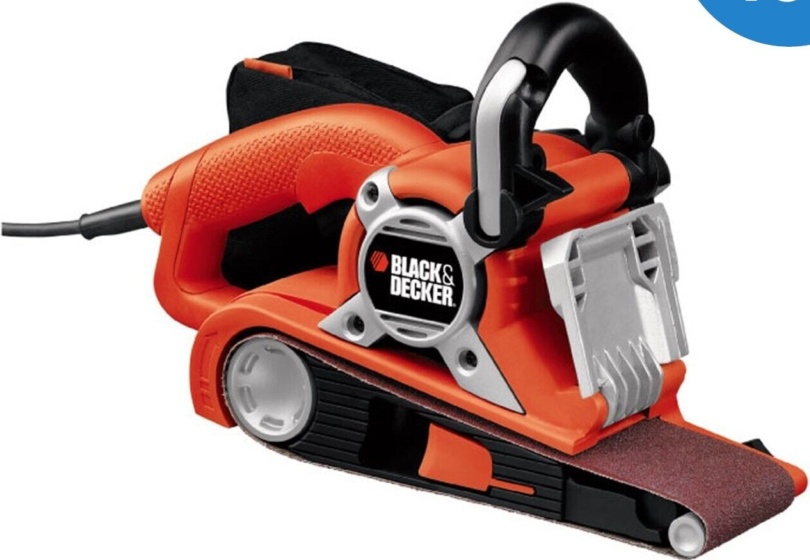
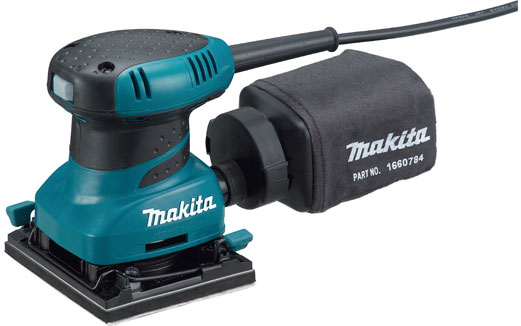
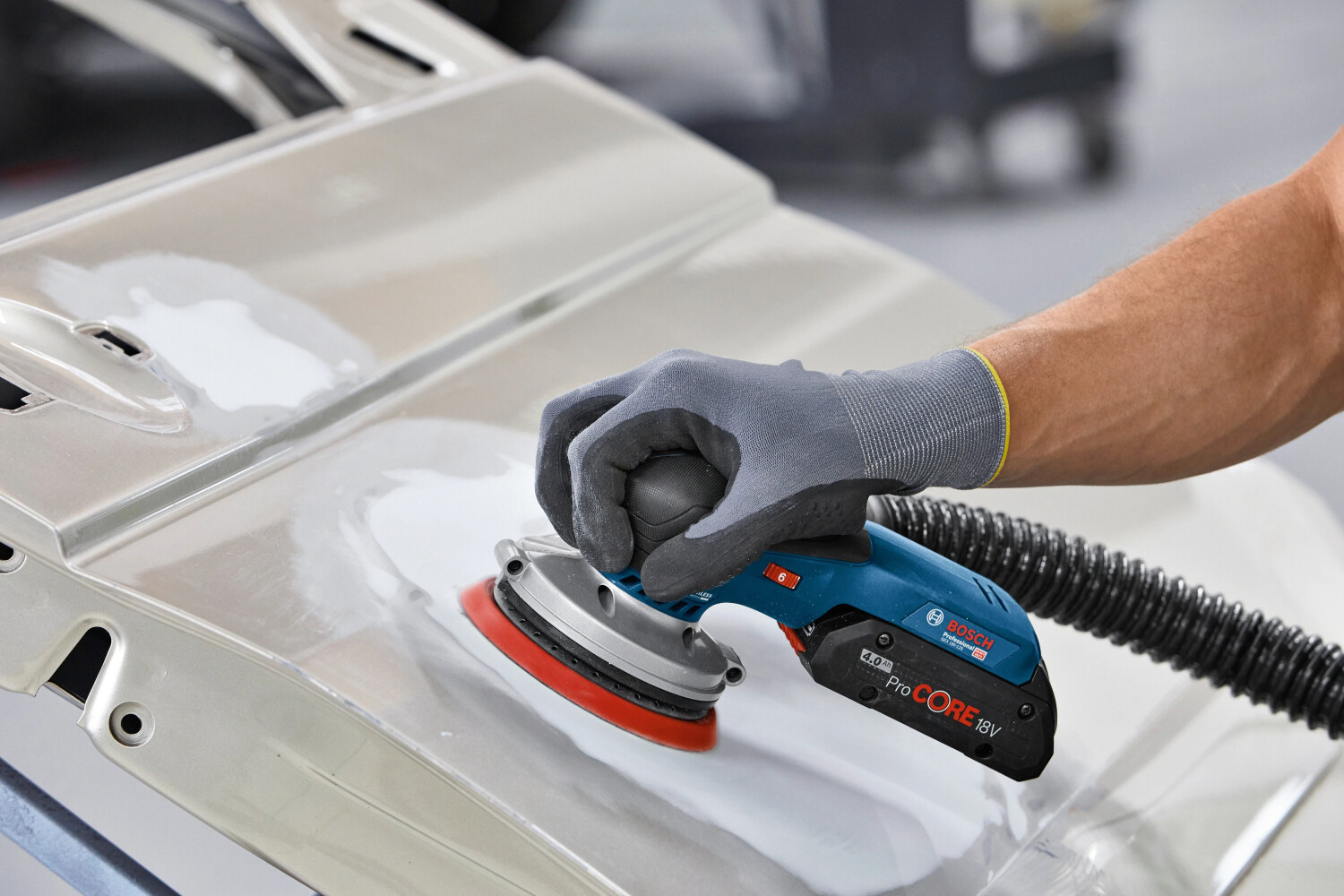
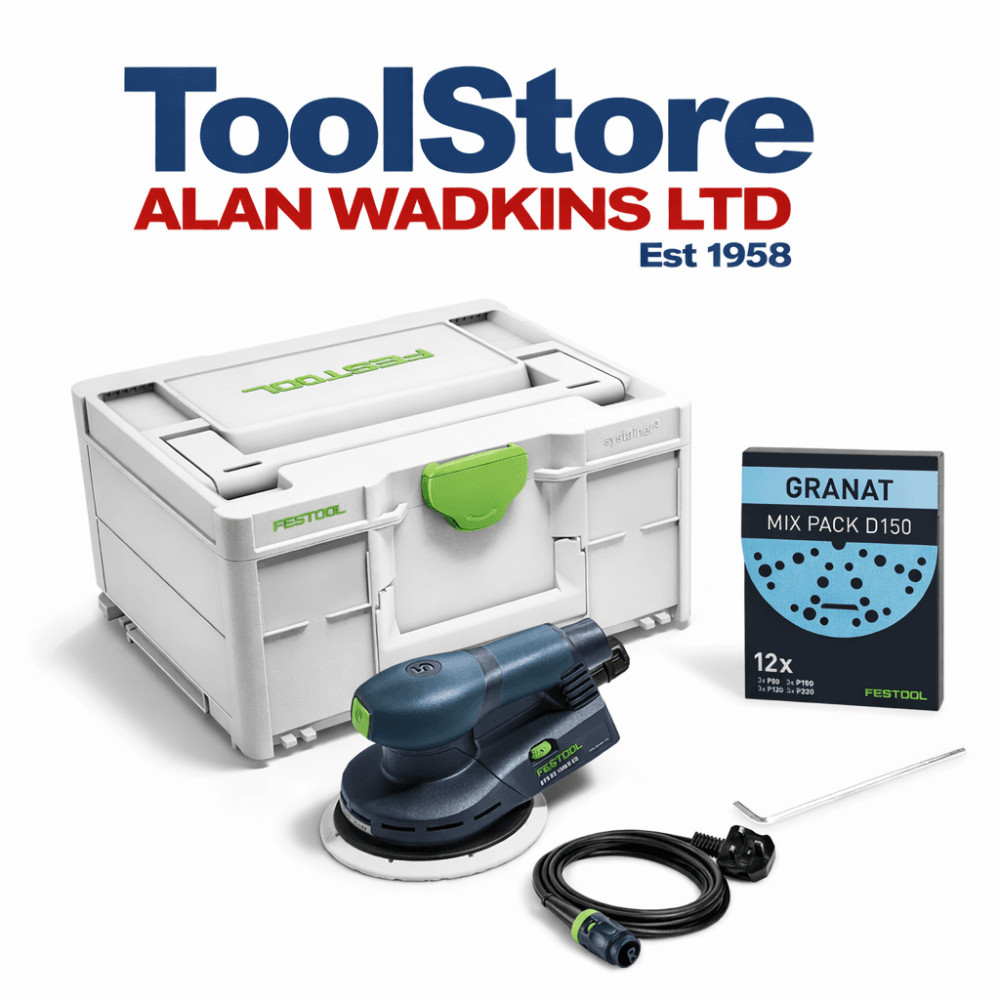
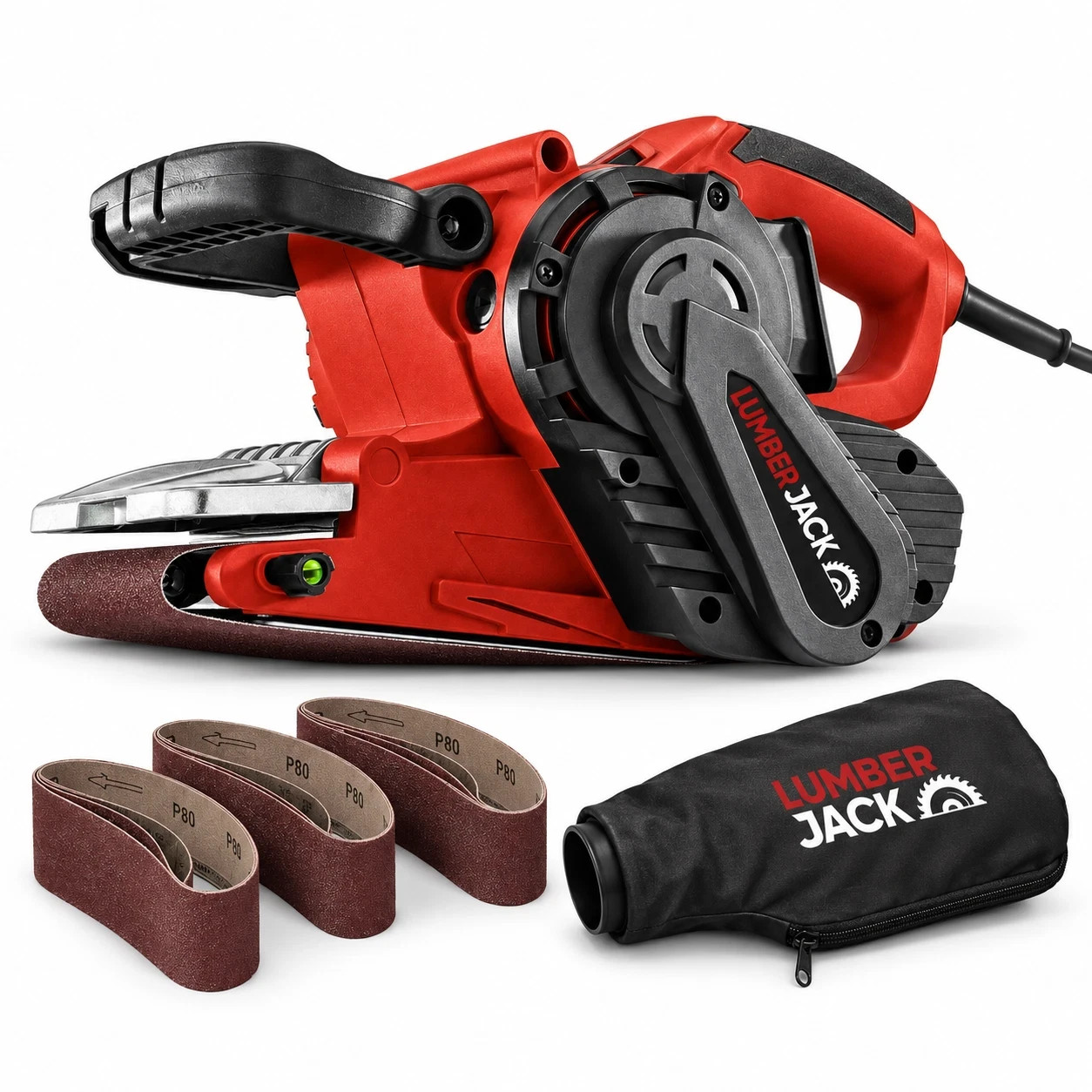
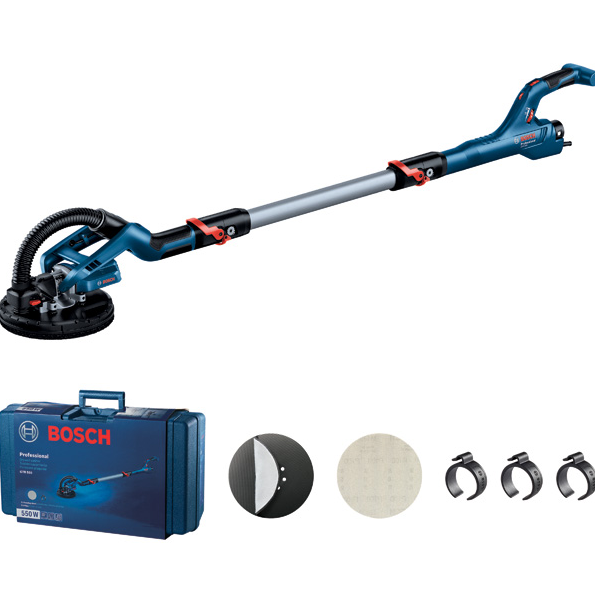
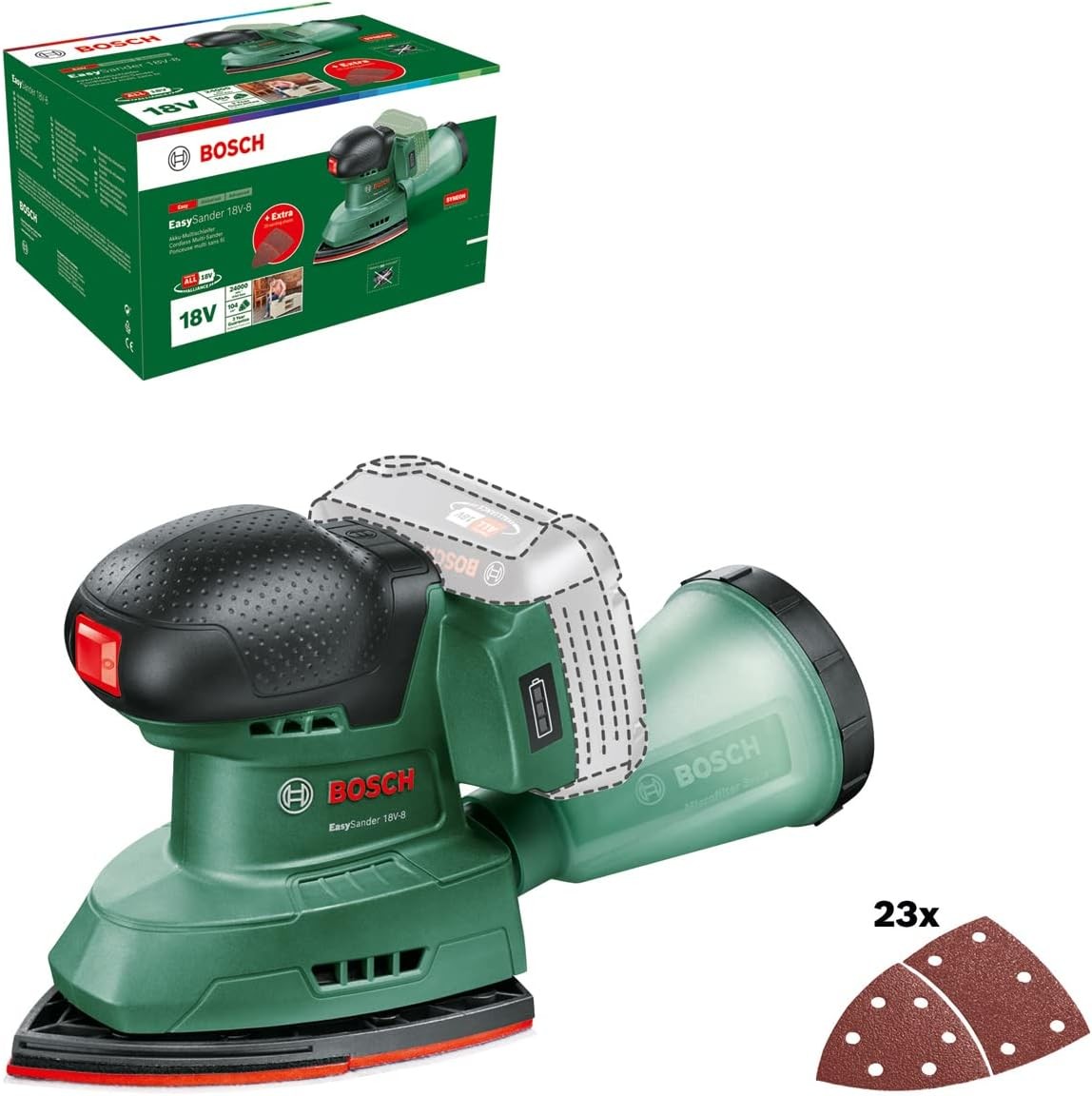
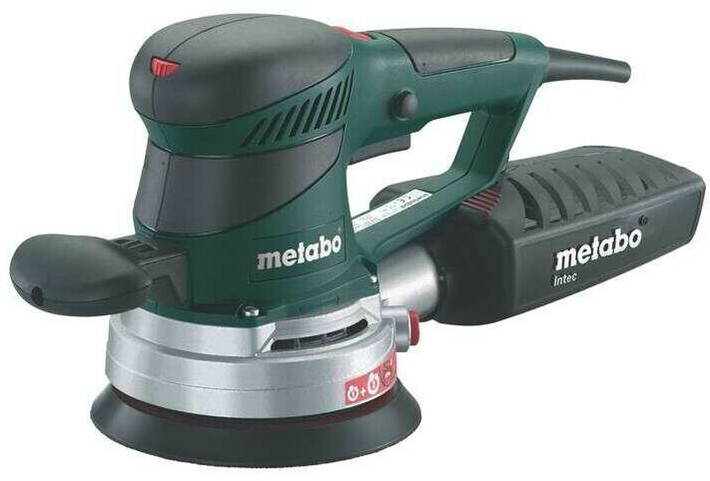
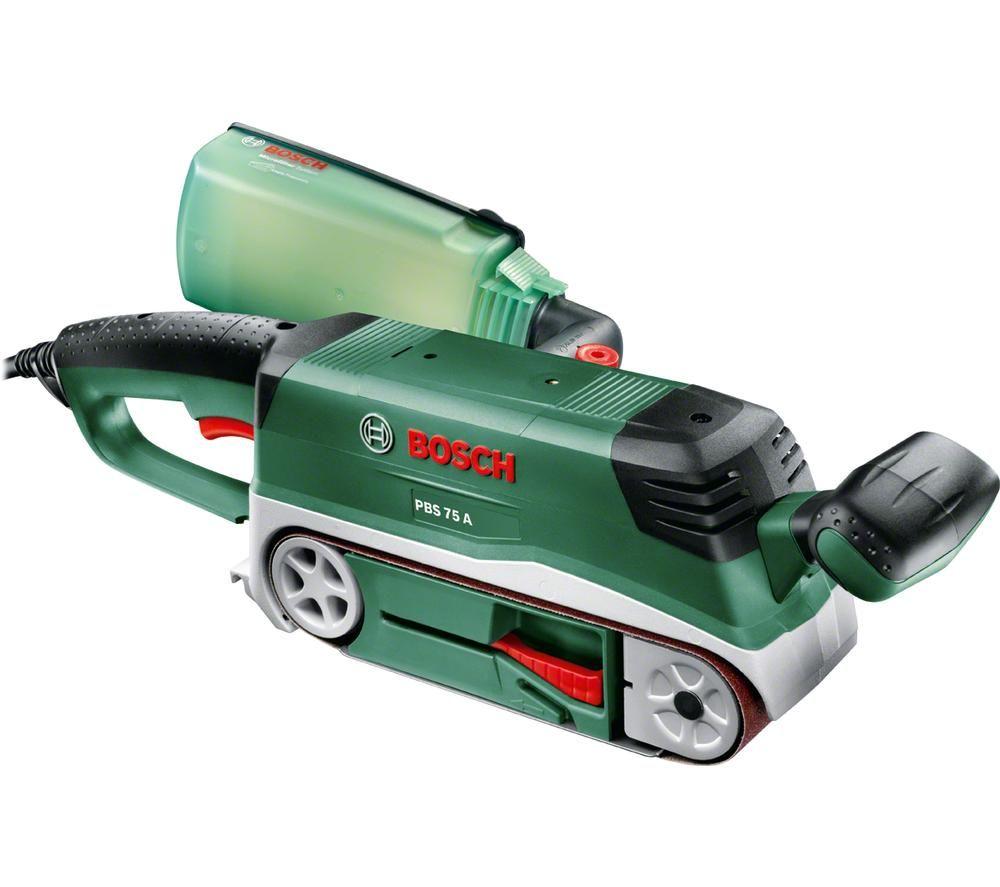
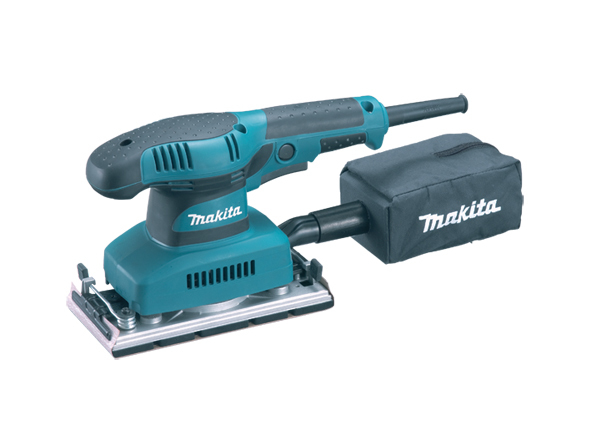
Next, sander form. 1/3 sheet for light flat work, belt for stripping, random orbital for clean finishes.
Body material
Body material changes the feel. Aluminium and steel last, wood/metal blends weight, rubber and nylon damp vibration but show wear.
Power source
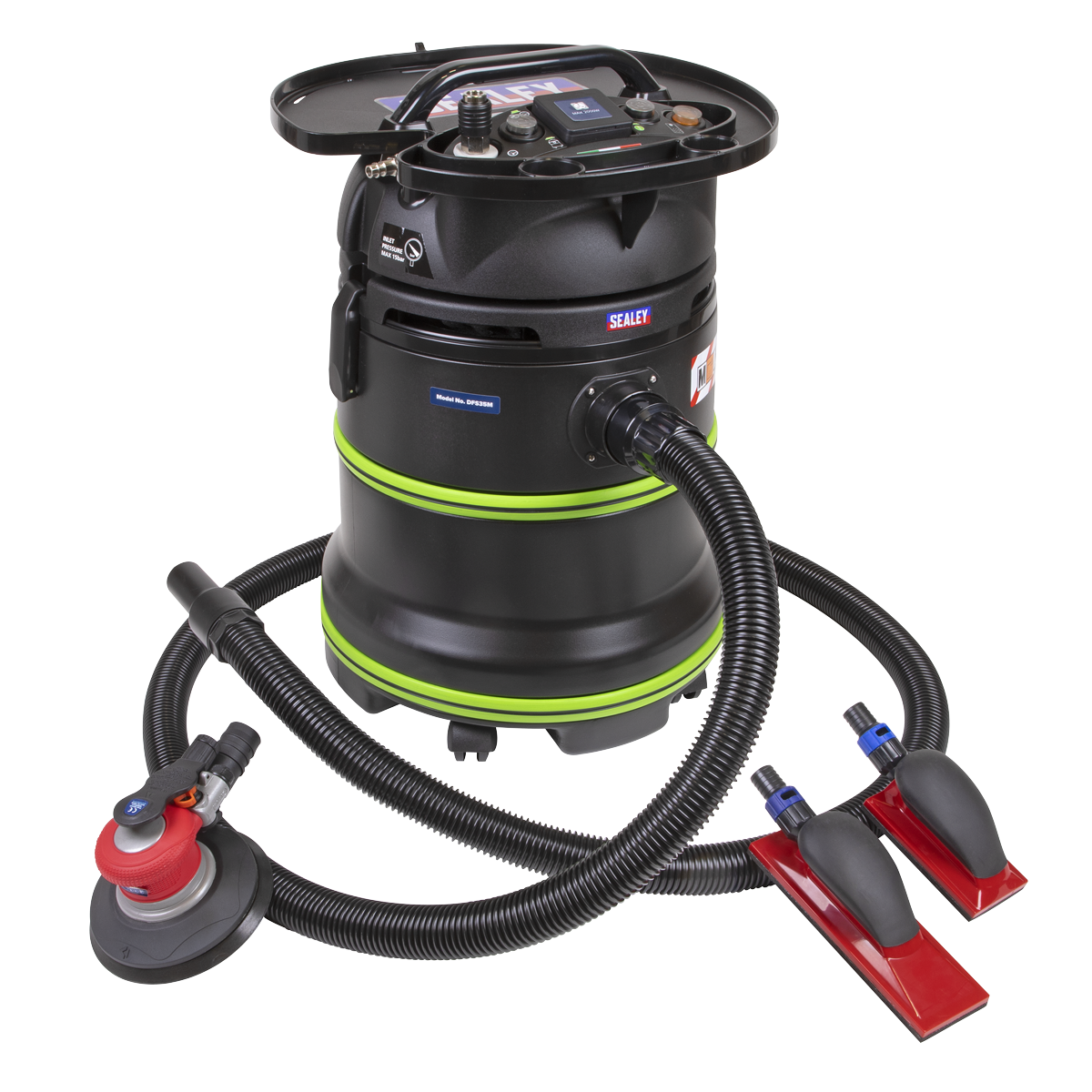
Power source splits corded from air. Corded runs anywhere with a socket, air stays cool but needs a compressor.
Colour
Colour is the last call. Yellow, green or black/yellow help you spot the sander in a messy van or bench.
What's good
- A random orbital sander leaves fewer swirl marks than a sheet sander. That makes it the better pick for visible furniture tops.
- Belt sanders, often 900W in this range, pull through paint and level uneven wood fast. A finish sander cannot match that stock removal.
- Air powered palm sanders are light and run cool in long sessions. They suit a workshop that already has a compressor.
- Some finish sanders ship with 40 sanding sheets. You start work without a separate Hardware purchase.
- Hook and loop sanding sheets across the category let you change grit in seconds. That keeps a job moving.
Things to watch
- Belt sanders bite hard. They ruin thin veneer and fine edges if you misjudge pressure.
- Sheet sanders, in 1/2 or 1/3 sizes, move slower than belts. They only suit flat doors and panels.
- Air orbital sanders need a 1/4" BSP line. Without a compressor they are dead weight.
- Metal and steel body tools outlast nylon shells but tire your arms on overhead work. That is a clear trade.
- A sanding light is Hardware, not a Tool. It helps visibility but will not sand a surface on its own.
Care & maintenance
Clean dust
Empty the dust bag or hook up vacuum extraction after each session. A clogged base loses grip on the sheet.
Check pad
Inspect the nylon backing pad. Swap it when the hook and loop no longer holds.
Air care
Air sanders want a few drops of air tool oil and a dry supply. Skip this and the internals stale.
Store sheets
Keep paper sanding sheets flat in a dry drawer. Curled stock wastes time and money.
Frequently Asked Questions
What should I look for when buying sanders?
When shopping for sanders, consider factors such as quality, price, brand reputation, and customer reviews. Compare prices across multiple retailers to ensure you're getting the best deal. Look for products that match your specific needs and budget.
How do I choose the right sanders?
Choosing the right sanders depends on your individual needs, budget, and preferences. Research different options, read customer reviews, and compare specifications. Consider what features are most important to you and look for products that offer the best value for money.
Where can I find the best deals on sanders?
You can find the best deals on sanders by comparing prices across multiple retailers. Our price comparison tool helps you find the lowest prices from trusted UK retailers including Amazon, eBay, and other major online stores. Check regularly as prices and deals change frequently.
Are sanders products worth the investment?
The value of sanders products depends on your specific needs and how you plan to use them. Quality products from reputable brands often provide better long-term value, even if they cost more initially. Consider your budget and requirements when making your decision.
What's the difference between different types of sanders?
Different types of sanders vary in features, quality, price, and intended use. Some may offer premium features while others focus on affordability. Research the specific differences between models or brands to find the option that best suits your needs and budget.