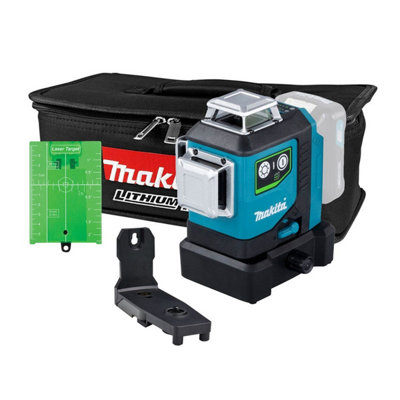
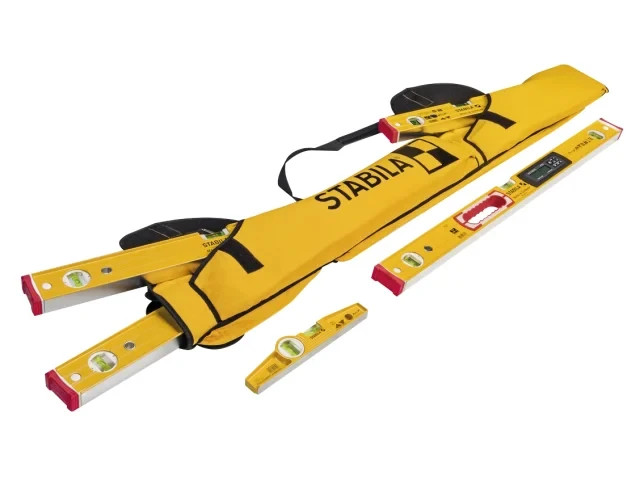
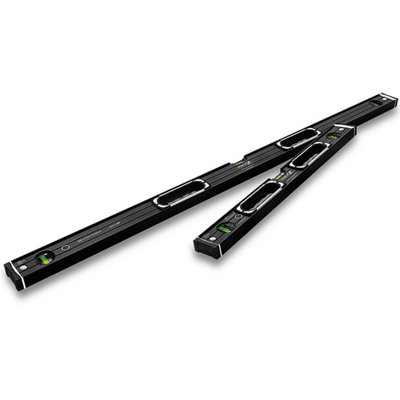
Levels
How to choose levels
Material and use
Choose the material by use. Aluminium and stainless steel suit rigid trade jobs. Plastic and rubber suit light DIY and motorhome levelling.
Sub-type and space
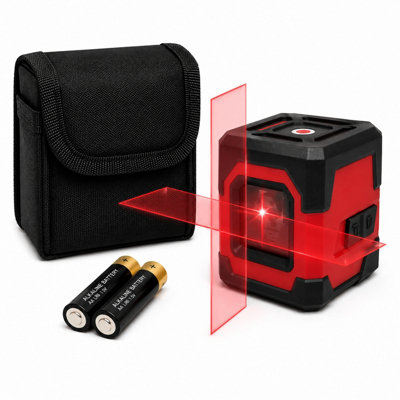
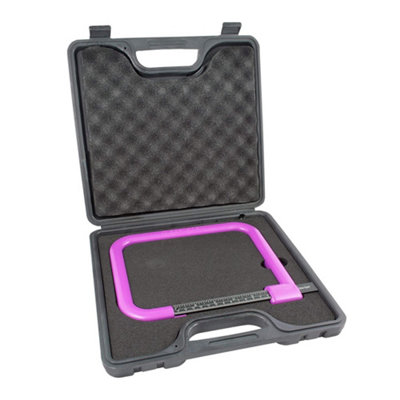
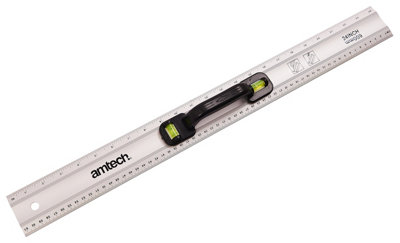
Pick the sub-type to match the space. Bubble levels and tools give an edge to mark along. Measuring tools and sensors reach tight gaps a bar cannot.
Colour and visibility
Look at colour before you buy. Yellow, green, or orange are easier to find outdoors than silver or black.
Grip versus rigidity
Think about grip. Rubber or plastic/metal mixes hold on slick surfaces, but trade some rigidity for that hold.
Hardware limitations
Match hardware levels to simple fixes. They lack the span of full measuring tools for large projects.
What's good
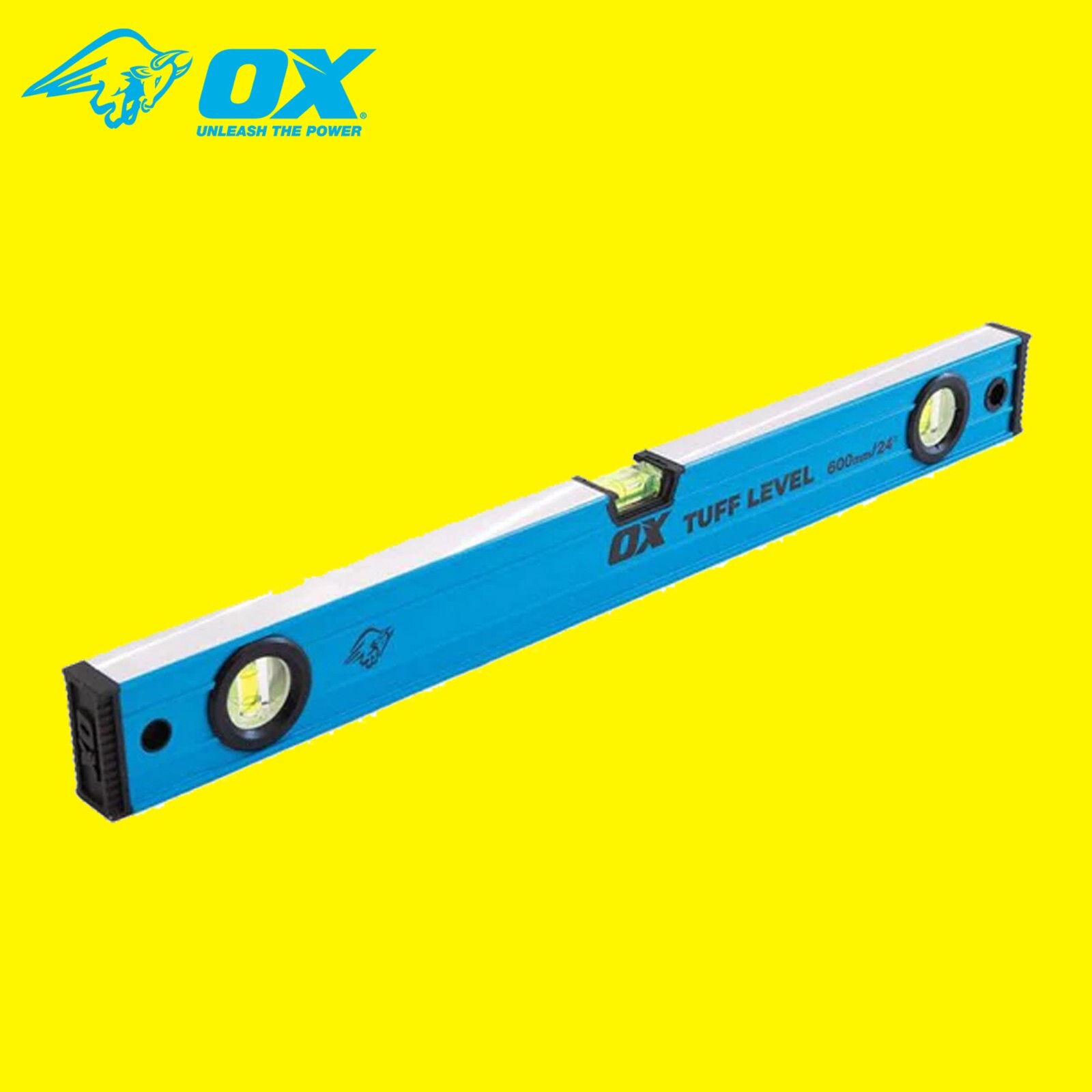
- Aluminium and steel bubble levels give a rigid straight edge that plastic bodies lack. They suit trade work like fitting cabinets or stud walls.
- Plastic and acrylic level sensors are light and easy to carry in a tool bag. They fit motorhome and campervan owners who need a quick levelling check.
- Bright colour options, such as yellow, orange, or green, make a tool easy to spot on a cluttered site. Black or silver versions blend into the shadows.
- Hardware levels handle small fitting jobs without the length of a full spirit level. They are wrong for spanning wide gaps.
Things to watch
- Plastic and acrylic tools can flex if pressured, which shifts the reading on a long span. Skip them for fine joinery.
- Steel and aluminium bodies weigh more than plastic equivalents over a full day on site. They are poor for light, one-off household tweaks.
- Bubble levels need a flat surface to sit on, so they fail inside awkward spaces or uneven ground. Level sensors fit those tight corners instead.
- Rubber or metal hardware pieces often miss a vial for vertical plumb lines. They only cover basic horizontal checks.
Care & maintenance
Cleanafter use
Wipe steel and aluminium levels with a dry cloth after use to keep the vial free of dust.
Avoid heat
Keep plastic and acrylic sensors out of hot vehicles, as heat can warp the body and ruin the calibration.
Store flat
Store all levels flat, not under heavy boxes, so a metal or plastic frame does not bend.
Check calibration
Test a bubble level against a known flat edge now and then, since a drop can knock it out of true.
Frequently Asked Questions
What should I look for when buying levels?
When shopping for levels, consider factors such as quality, price, brand reputation, and customer reviews. Compare prices across multiple retailers to ensure you're getting the best deal. Look for products that match your specific needs and budget.
How do I choose the right levels?
Choosing the right levels depends on your individual needs, budget, and preferences. Research different options, read customer reviews, and compare specifications. Consider what features are most important to you and look for products that offer the best value for money.
Where can I find the best deals on levels?
You can find the best deals on levels by comparing prices across multiple retailers. Our price comparison tool helps you find the lowest prices from trusted UK retailers including Amazon, eBay, and other major online stores. Check regularly as prices and deals change frequently.
Are levels products worth the investment?
The value of levels products depends on your specific needs and how you plan to use them. Quality products from reputable brands often provide better long-term value, even if they cost more initially. Consider your budget and requirements when making your decision.
What's the difference between different types of levels?
Different types of levels vary in features, quality, price, and intended use. Some may offer premium features while others focus on affordability. Research the specific differences between models or brands to find the option that best suits your needs and budget.