Drill Presses
How to choose drill presses
Know the sub-type
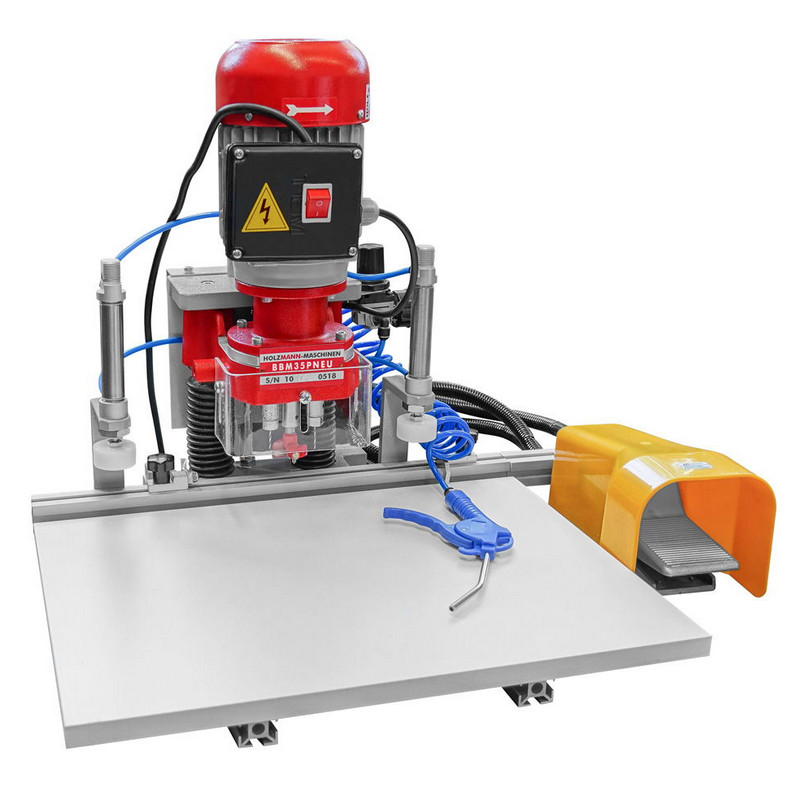
Sub-type matters: a Tools listing may be a simple bench drill, while a Drills tag points to a dedicated pillar machine, and Hardware can be a stand or accessory. Match the listing type to your task.
Build material
Material choice drives weight and vibration. Cast iron/aluminium/rubber builds sit steady but are heavy to move. Wood/metal/plastic units are lighter but flex more under load.
Visibility
Colour is not just looks. Red or yellow bodies are easier to see in a cluttered workshop than white or light/silver.
Fixed vs magnetic
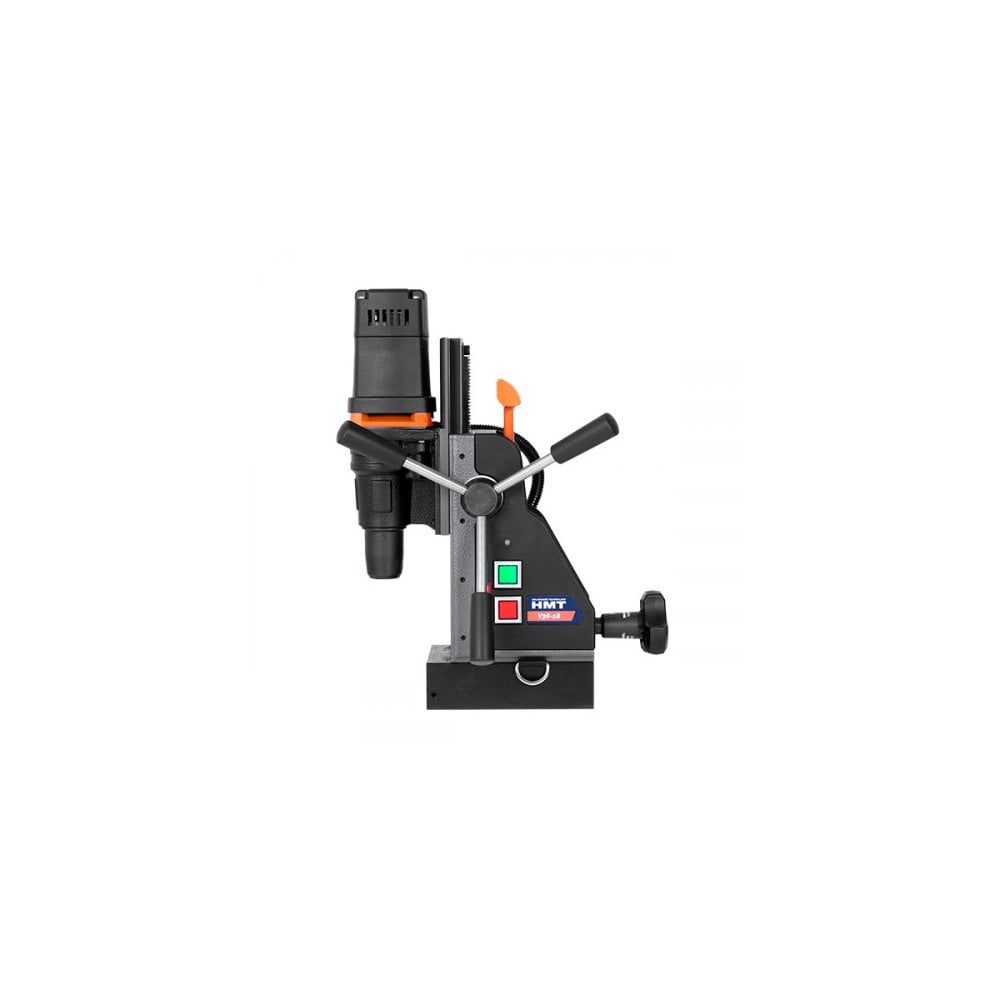
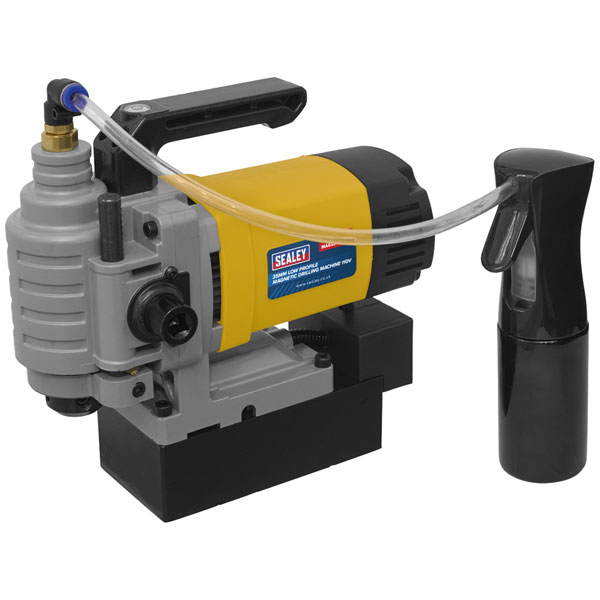
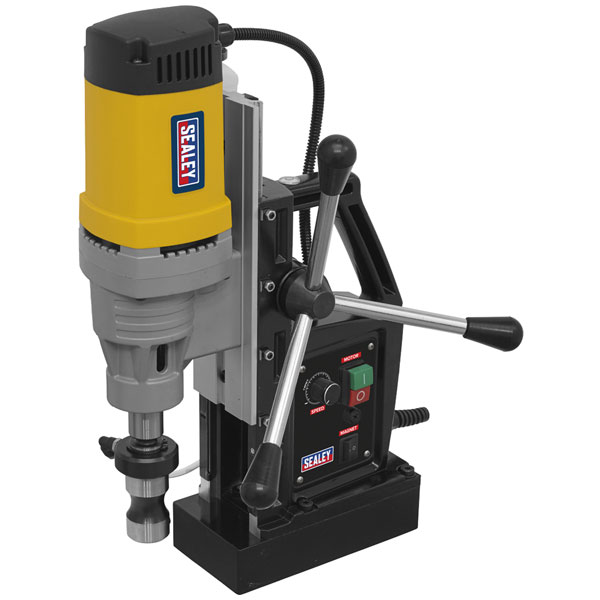
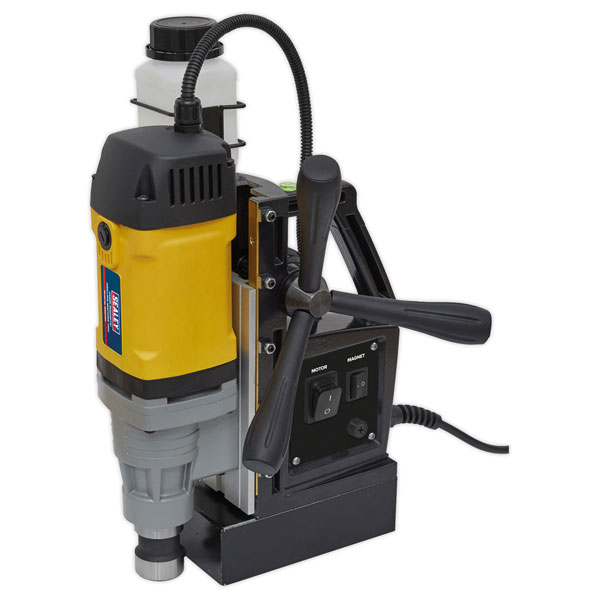
Decide between fixed table drillers for precision and magnetic drills for portability. The trade is stability versus site flexibility.
Size and chuck
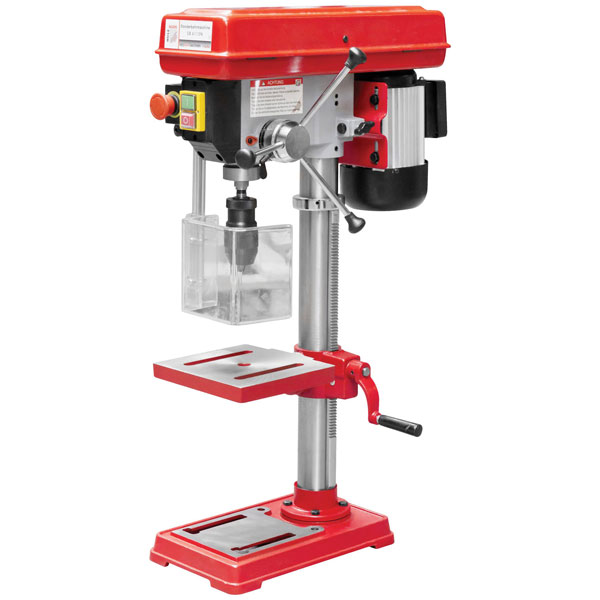
Height and chuck size set the limit. A 750mm bench drill fits a shelf, while a taller heavy duty column handles longer stock but needs floor space. A 13mm chuck takes standard hobby bits, whereas B10 chucks appear on smaller craft units.
What's good
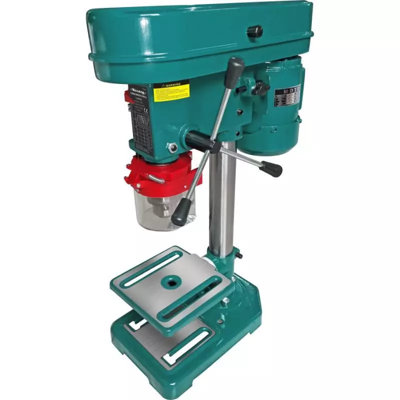
- Bench pillar drills give hobbyists repeatable holes without freehand wobble. They often include a safety release switch, which is handy around the home workshop.
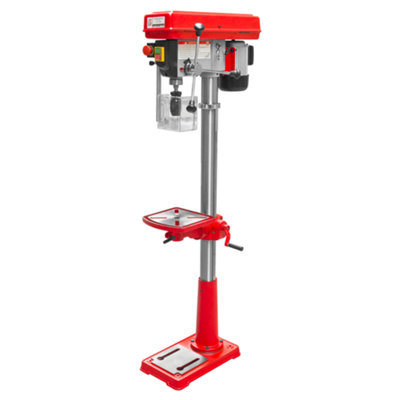
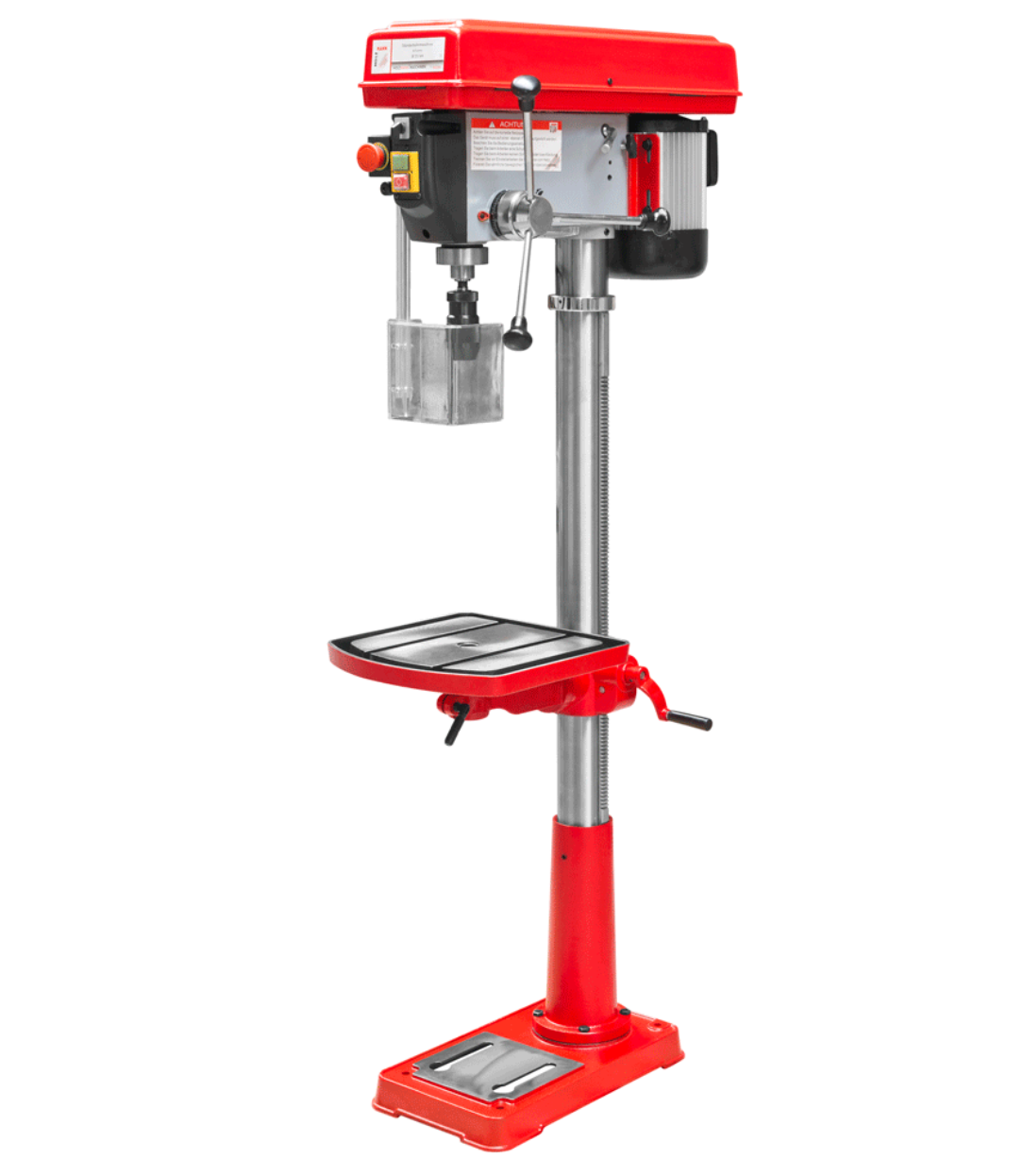
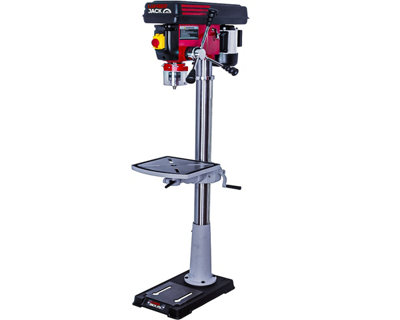
- Heavy duty pillar drills use a solid column and 240V single phase power for deeper cuts in steel. That stability suits trade users who need accuracy across long sessions.
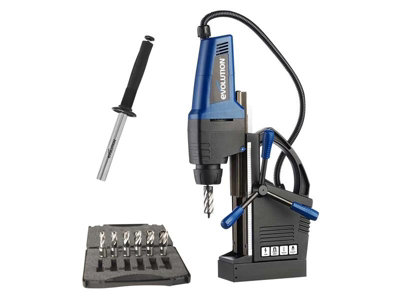
- Magnetic drills bring industrial-grade portable drilling to site work. You get floor drill capability without bolting a machine to the floor.
- Precision table drillers with a B10 chuck handle small craft tasks in wood, metal or jade. They fill the gap between a hand rotary tool and a full pillar drill.
- 2-in-1 drill press and rotary tool holders save bench space. Good for the occasional user who wants light drilling plus detail work.
Things to watch
- Hobby bench drills with around 350W to 370W motors lack torque for large steel twist bits. They suit wood and thin metal, not heavy fabrication.
- Tall pillar drills need permanent space and a sturdy bench or floor mount. Wrong for a cramped city flat or a shared garage.
- Magnetic drills rely on a ferrous surface to hold. They cannot stick to aluminium, wood or plastic, limiting workshop use.
- Small table drillers with modest motors are slow on thick stock. You will wait on deep passes through hardwood or cast iron.
- Combined drill press and rotary holders split their design. The drill function is weaker than a dedicated bench pillar model.
Care & maintenance
Rust prevention
Wipe steel and cast iron parts after use to stop rust in damp UK sheds.
Chuck care
Clear the chuck of wood dust and metal swarf before storing the machine.
Lubrication
Oil the quill and table rack on pillar drills every few months of light use.
Workspace tidiness
Keep cardboard packaging away from the drill area, and coil the power lead clear of the bit.
Frequently Asked Questions
What should I look for when buying drill presses?
When shopping for drill presses, consider factors such as quality, price, brand reputation, and customer reviews. Compare prices across multiple retailers to ensure you're getting the best deal. Look for products that match your specific needs and budget.
How do I choose the right drill presses?
Choosing the right drill presses depends on your individual needs, budget, and preferences. Research different options, read customer reviews, and compare specifications. Consider what features are most important to you and look for products that offer the best value for money.
Where can I find the best deals on drill presses?
You can find the best deals on drill presses by comparing prices across multiple retailers. Our price comparison tool helps you find the lowest prices from trusted UK retailers including Amazon, eBay, and other major online stores. Check regularly as prices and deals change frequently.
Are drill presses products worth the investment?
The value of drill presses products depends on your specific needs and how you plan to use them. Quality products from reputable brands often provide better long-term value, even if they cost more initially. Consider your budget and requirements when making your decision.
What's the difference between different types of drill presses?
Different types of drill presses vary in features, quality, price, and intended use. Some may offer premium features while others focus on affordability. Research the specific differences between models or brands to find the option that best suits your needs and budget.