Roofing
How to choose roofing
Gutter material
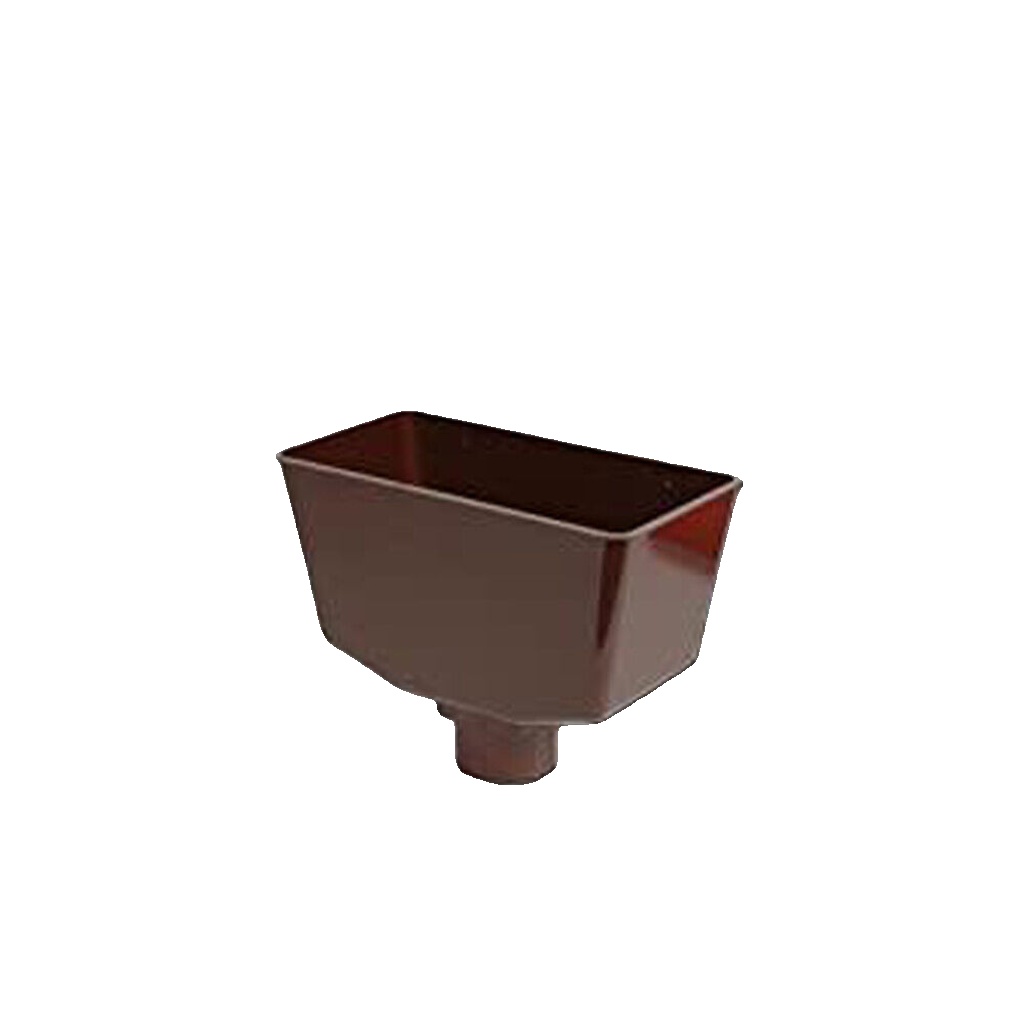
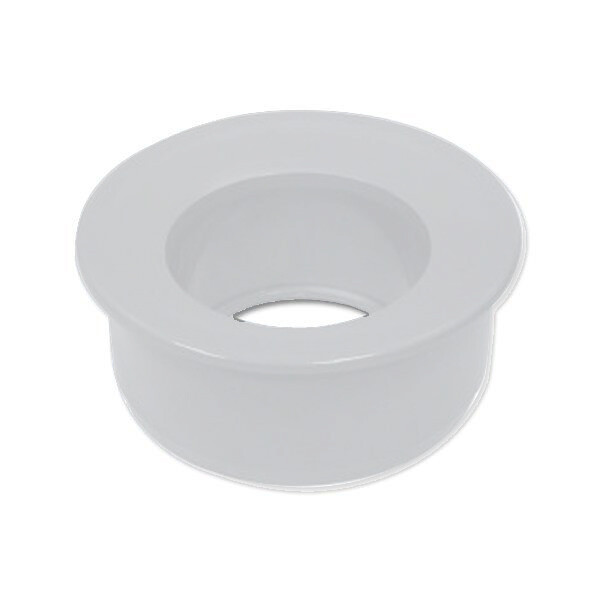
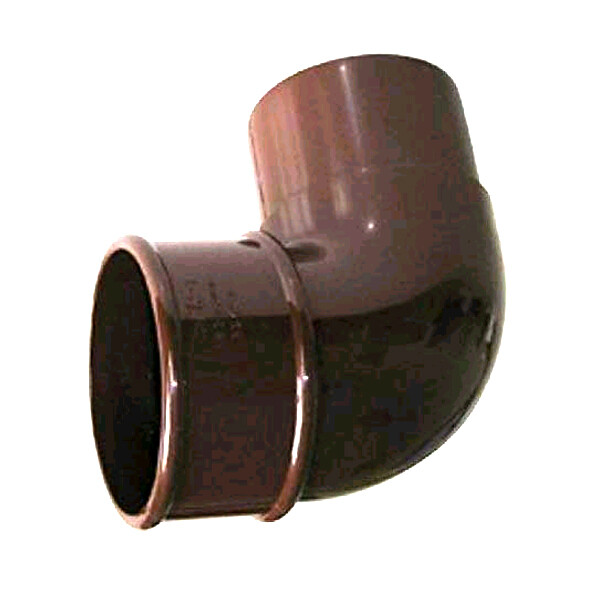
Cast iron lasts long but is heavy, while plastic is light yet loses colour in the sun. Pick cast iron for a listed build, plastic for a hidden run.
Colour of hardware and flashing
Red suits period homes, anthracite or grey fits new builds. Match the brick, not your taste.
Flashing type
Lead shapes to any corner but needs a roofer, rubber rolls cut with basic tools for a simple DIY seal.
Building material format
A wide rubber membrane means fewer joins on a large flat roof, a small metal tray better serves a parapet outlet trim.
Downpipe choice
Stainless steel resists denting but is heavier than plastic, so check your wall brackets hold the load.
What's good
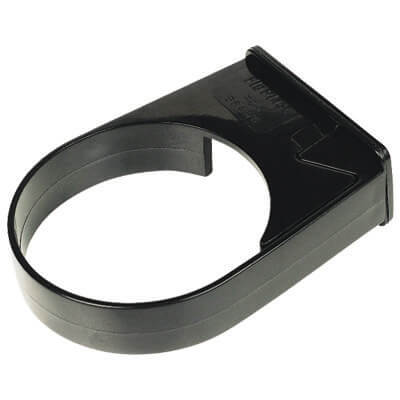
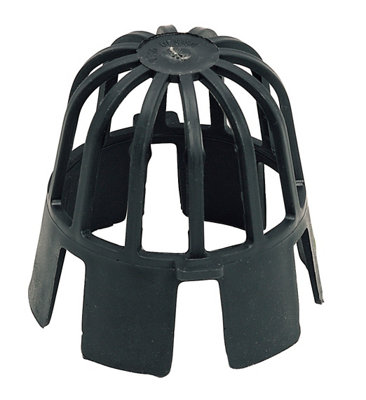
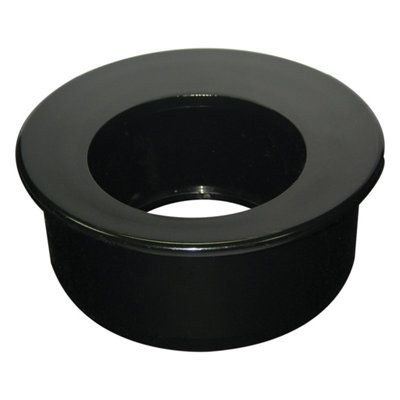
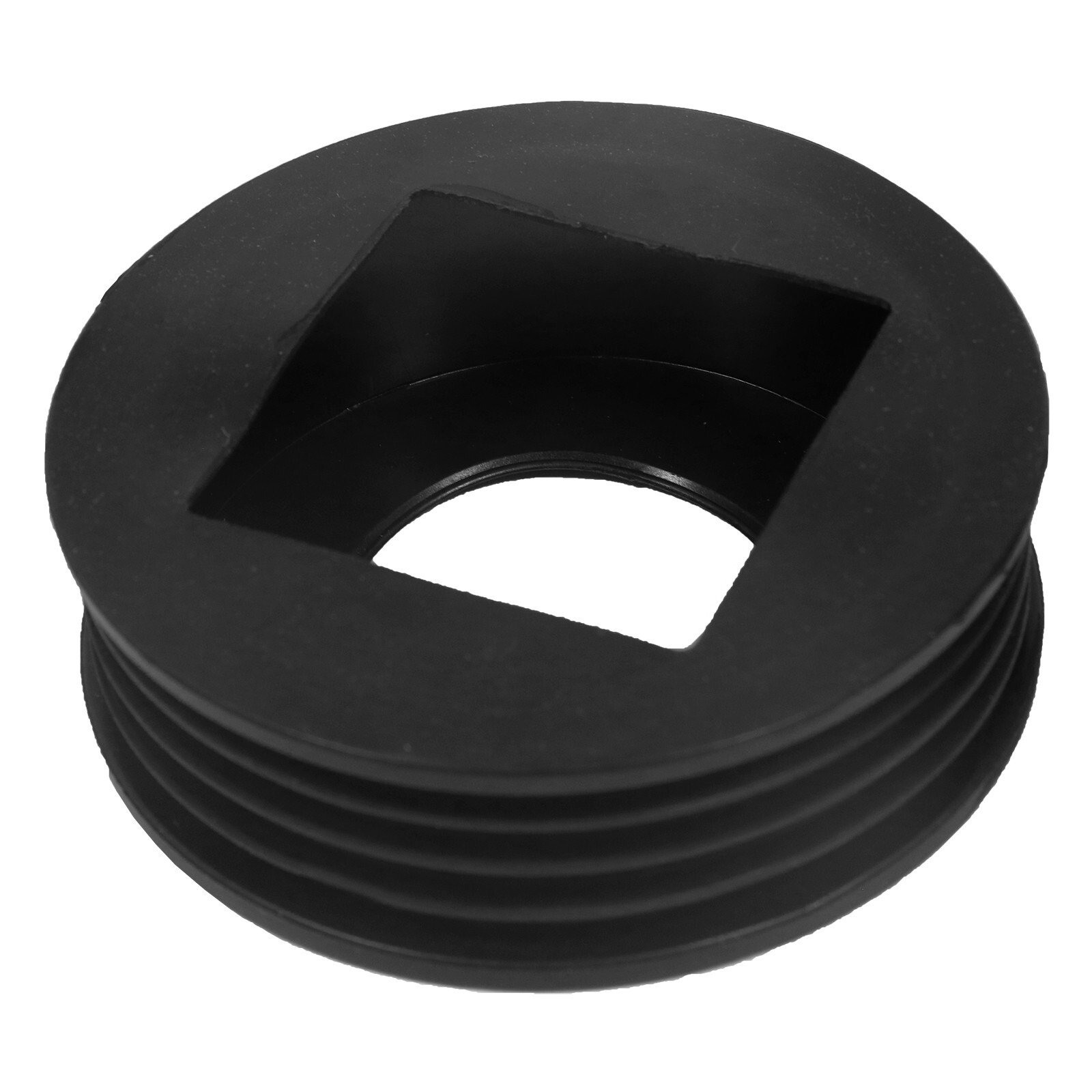
- Plastic and aluminium gutter accessories weigh less than cast iron, so they suit a lone DIYer. They are wrong for a spot needing maximum knock resistance.
- Rubber and lead roof flashing bend around chimneys where stiff steel trays leave gaps, suiting odd roof shapes. They are wrong for a straight modern edge that basic metal handles.
- Hardware like dry verge units in red or grey clip to the roof edge, suiting a builder skipping mortar. They are wrong for those wanting a traditional sand and cement look.
- Building materials such as EPDM membrane come as wide sheets, suiting large flat roofs with few seams. They are wrong for a tiny outbuilding job.
Things to watch
- Cast iron gutter accessories and hardware resist knocks but the weight makes them wrong for a quick solo fit. They suit a crew after decades of service.
- Lead roof flashing seals well yet demands a skilled hand, so it is wrong for a first time builder. It suits a roofer shaping complex joints.
- Plastic building materials and gutters fade under sun, meaning a black or grey part may stand out against weathered neighbours. They suit a full new build more than a single repair.
- Copper trims and flashing shift colour as they age, a tradeoff some dislike versus plain stainless steel. They suit a buyer after a living finish.
Care & maintenance
Brush leaves from aluminium and plastic gutter accessories each autumn to keep water flowing to the downpipe.
Inspect lead and rubber roof flashing after storms, as a lifted edge lets rain track under the roof felt.
Repaint cast iron or steel hardware when chips show, or rust will spread across the joint.
Rinse building materials like rubber membrane with clean water to clear grit that could puncture the surface.
Frequently Asked Questions
What should I look for when buying roofing?
When shopping for roofing, consider factors such as quality, price, brand reputation, and customer reviews. Compare prices across multiple retailers to ensure you're getting the best deal. Look for products that match your specific needs and budget.
How do I choose the right roofing?
Choosing the right roofing depends on your individual needs, budget, and preferences. Research different options, read customer reviews, and compare specifications. Consider what features are most important to you and look for products that offer the best value for money.
Where can I find the best deals on roofing?
You can find the best deals on roofing by comparing prices across multiple retailers. Our price comparison tool helps you find the lowest prices from trusted UK retailers including Amazon, eBay, and other major online stores. Check regularly as prices and deals change frequently.
Are roofing products worth the investment?
The value of roofing products depends on your specific needs and how you plan to use them. Quality products from reputable brands often provide better long-term value, even if they cost more initially. Consider your budget and requirements when making your decision.
What's the difference between different types of roofing?
Different types of roofing vary in features, quality, price, and intended use. Some may offer premium features while others focus on affordability. Research the specific differences between models or brands to find the option that best suits your needs and budget.