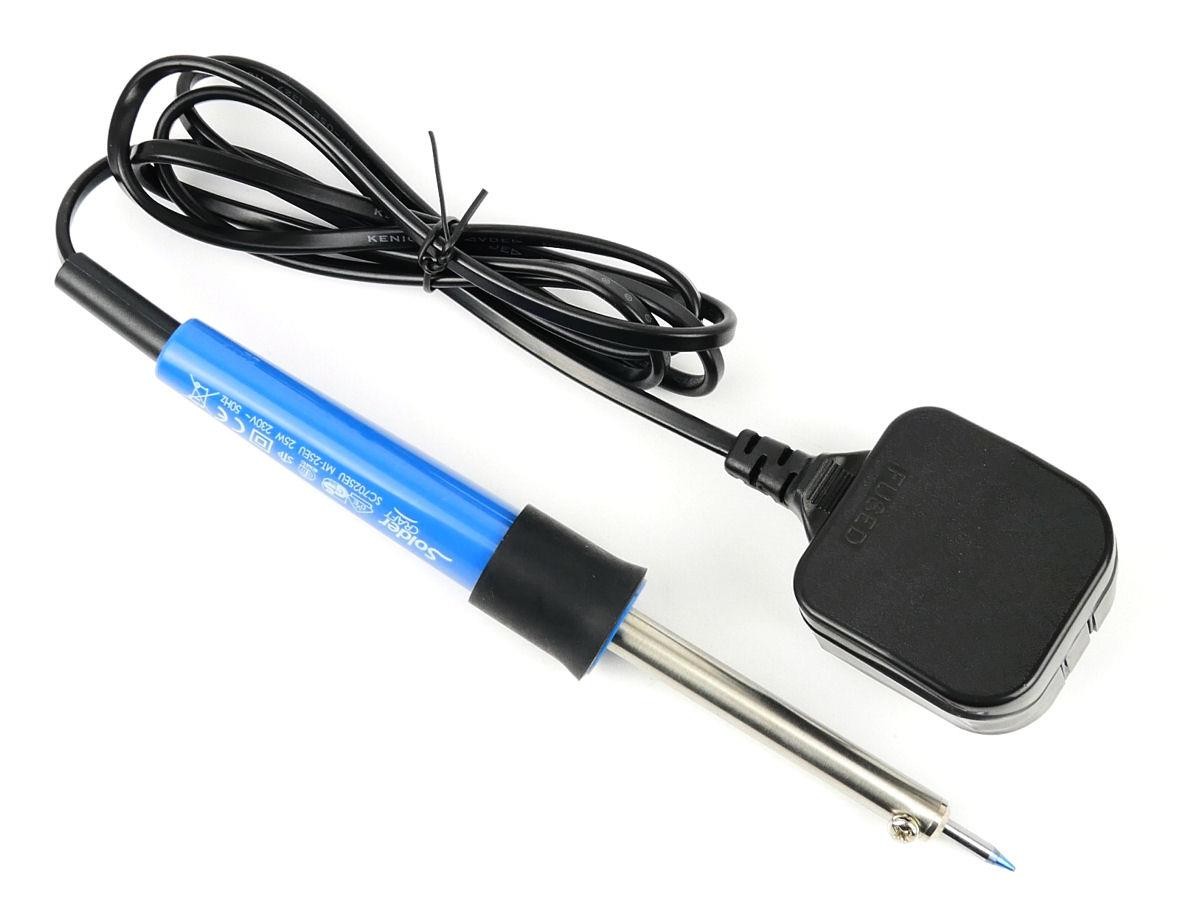
Soldering Irons
How to choose soldering irons
Handle build
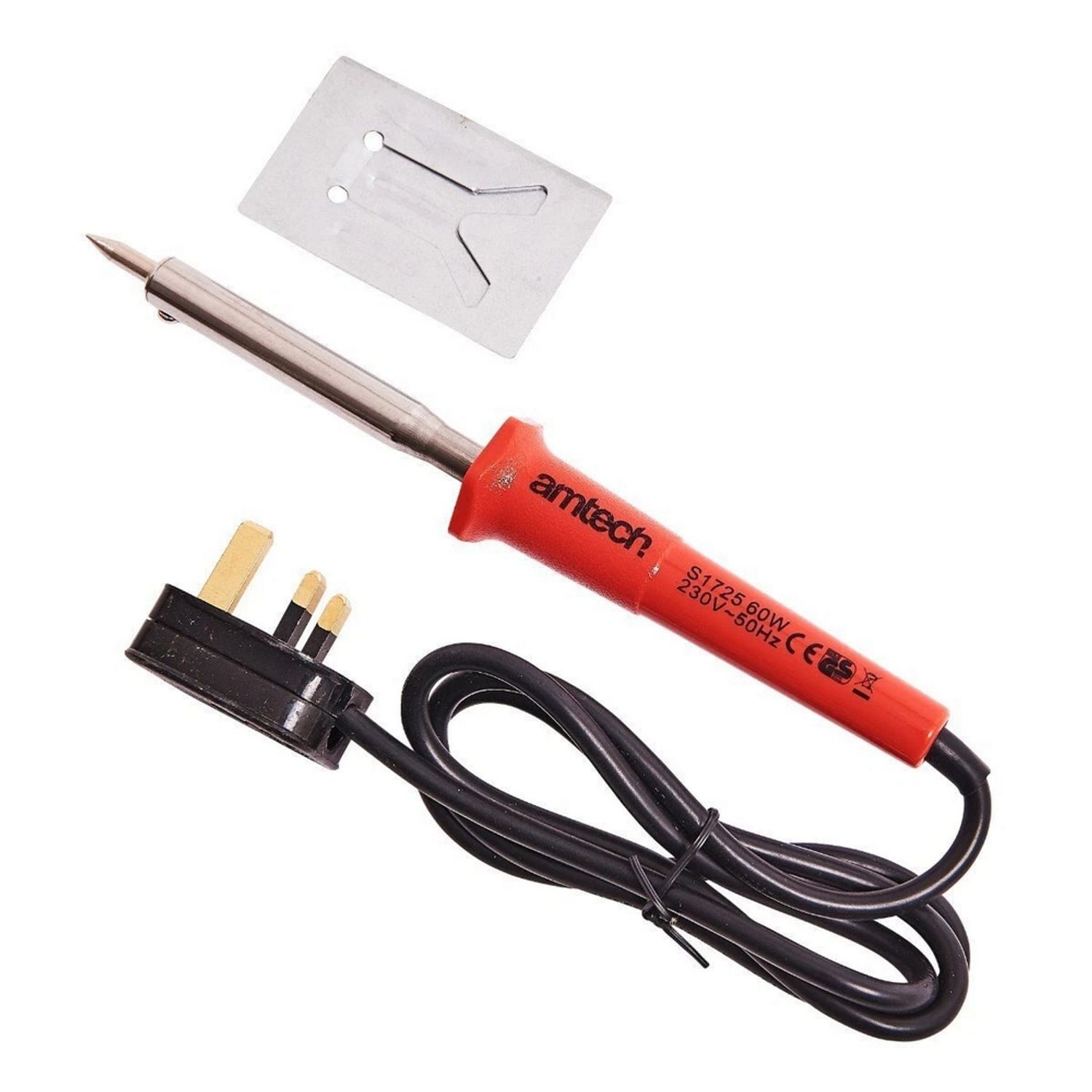
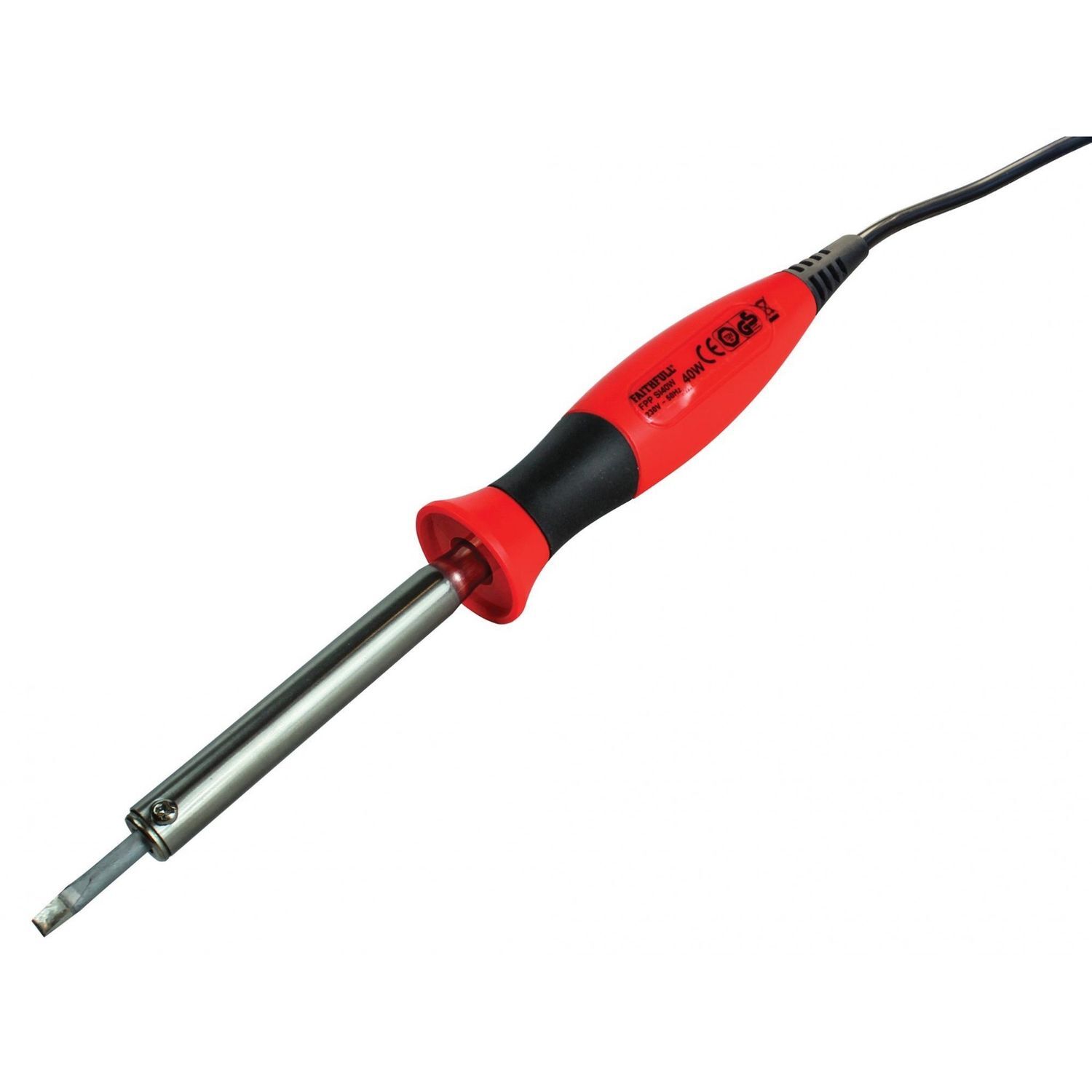
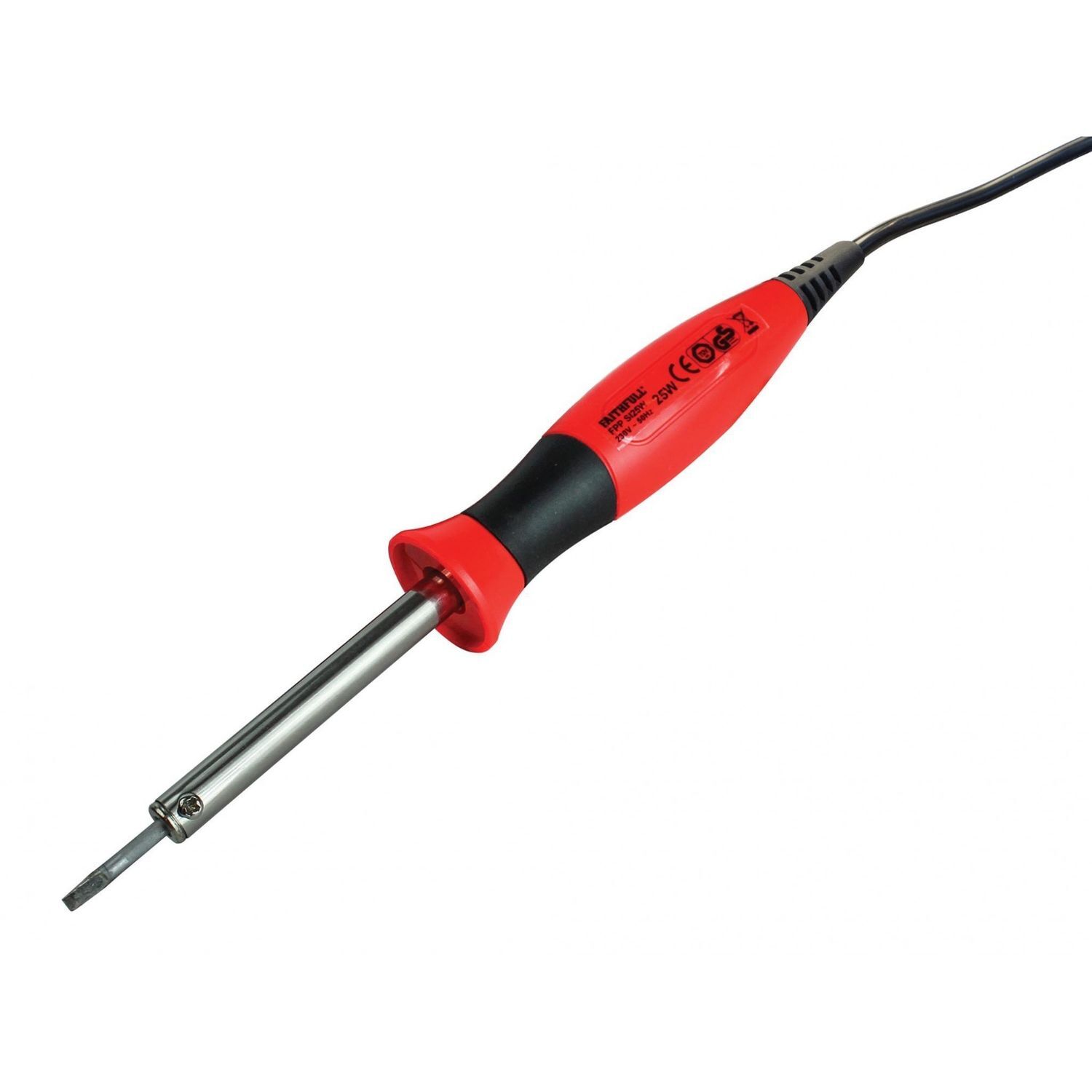
Pick the handle build first. A plastic/iron body suits long sessions as it stays cool, while an all metal/iron piece feels solid but heats the grip.
Colour choice
Colour is more than looks. Black, grey or dark/blue handles hide solder splatter better than white or yellow on a busy bench.
Hardware need
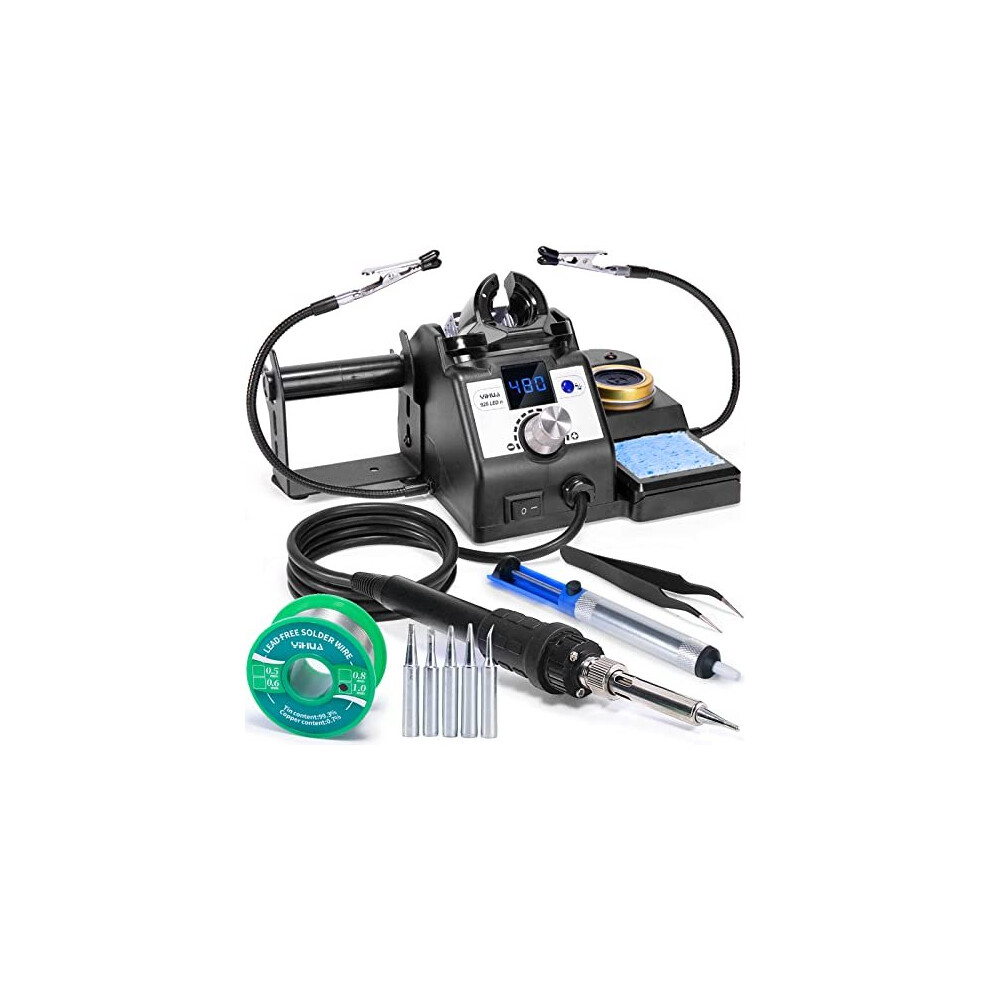
Decide if you need Hardware too. Buying a stand and spare tips alongside the iron means less downtime when the first tip degrades.
Working end
Material of the working end matters. Iron/tin variants suit different solder types, so match it to the wire you already use.
Power source
Corded versus gas is the main fork. Mains gives steady heat and a lead to manage, gas gives freedom and less control.
What's good
- A corded digital iron holds a steady temperature better than a basic gas type, which helps with clean joints on sensitive boards.
- Hot air rework stations let you remove surface components without damaging the surrounding board, something a single iron cannot do.
- Spare handpieces and tips keep a station running for years, so you avoid replacing the whole unit.
- Gas irons need no mains lead, handy for roof jobs or field repairs where a socket is nowhere near.
Things to watch
- Hot air rework stations take up bench space and weigh more than a pen style iron, wrong for a tiny workspace.
- Gas irons lack precise digital control, so temperature drifts as the flame burns down.
- Replacement tips in iron/tin or metal/iron wear out with heavy use and need swapping before the handle does.
- Full rework systems include features a hobbyist will never touch, adding clutter and complexity to the bench.
Care & maintenance
Tip care
Wipe the iron/tin or metal/iron tip on a damp sponge after every joint to stop oxidation building up.
Safe storage
Store corded Tools with the plastic or stainless steel holder supplied, never laid on the bench surface.
Spares upkeep
Keep spare lead and tips in a dry box so the metal does not corrode between jobs.
Gas upkeep
Vent gas irons clear of dust so the igniter keeps striking first time.
Frequently Asked Questions
What should I look for when buying soldering irons?
When shopping for soldering irons, consider factors such as quality, price, brand reputation, and customer reviews. Compare prices across multiple retailers to ensure you're getting the best deal. Look for products that match your specific needs and budget.
How do I choose the right soldering irons?
Choosing the right soldering irons depends on your individual needs, budget, and preferences. Research different options, read customer reviews, and compare specifications. Consider what features are most important to you and look for products that offer the best value for money.
Where can I find the best deals on soldering irons?
You can find the best deals on soldering irons by comparing prices across multiple retailers. Our price comparison tool helps you find the lowest prices from trusted UK retailers including Amazon, eBay, and other major online stores. Check regularly as prices and deals change frequently.
Are soldering irons products worth the investment?
The value of soldering irons products depends on your specific needs and how you plan to use them. Quality products from reputable brands often provide better long-term value, even if they cost more initially. Consider your budget and requirements when making your decision.
What's the difference between different types of soldering irons?
Different types of soldering irons vary in features, quality, price, and intended use. Some may offer premium features while others focus on affordability. Research the specific differences between models or brands to find the option that best suits your needs and budget.