Flying Toys
How to choose flying toys
Wind
pick kites (nylon, polyester) for breezy parks, or toy gliders (plastic, foam) for calm gardens.
Skill
easy-fly delta kites suit beginners, dual-line stunt kites suit those wanting active control.
Material
paper and wood gliders are featherlight but fragile, plastic/polyester builds last longer outdoors.
Size
a 48 inch stunt kite or large delta needs more carry space than an 18.9 inch foam glider.
Colour
bright yellow, orange or multicolor options stay visible against trees and clouds, unlike black which can disappear at dusk.
What's good
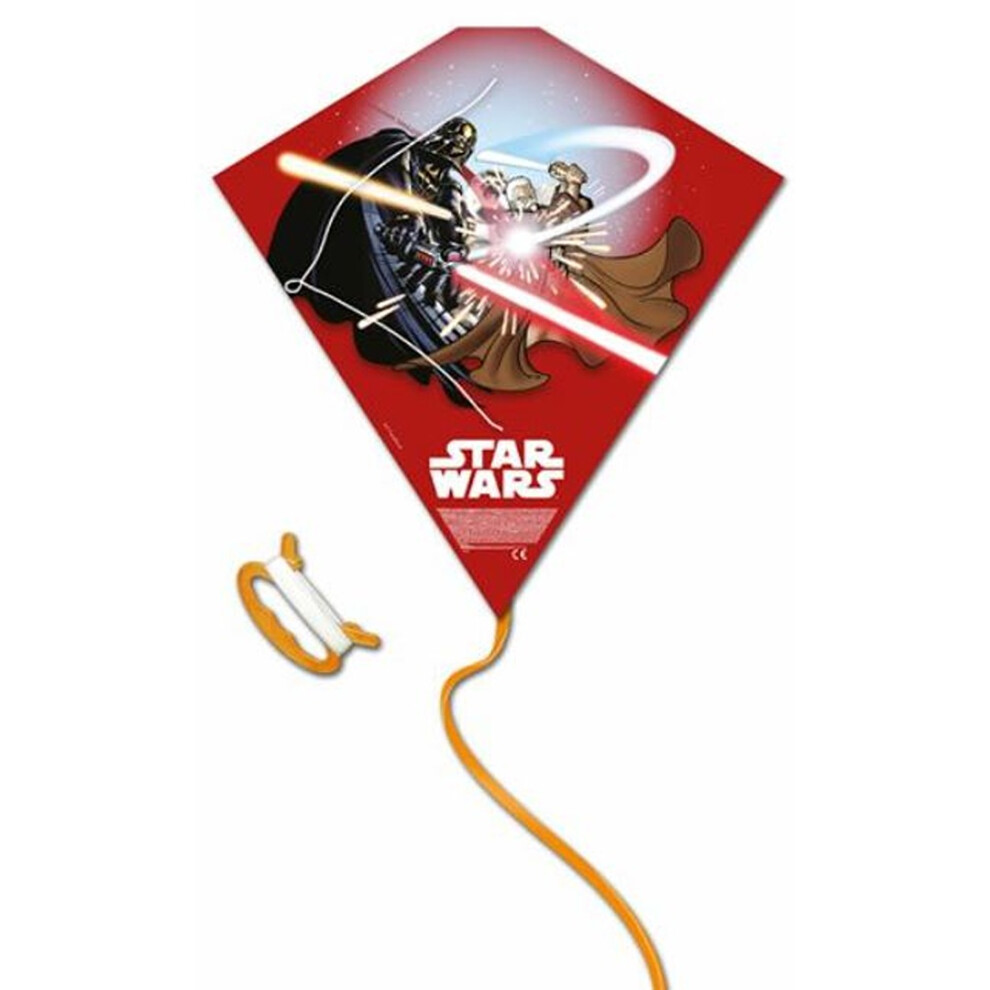
- Easy-fly delta kites pack a large surface with a 5m tail yet need no prior skill, so families get quick wins at the park.
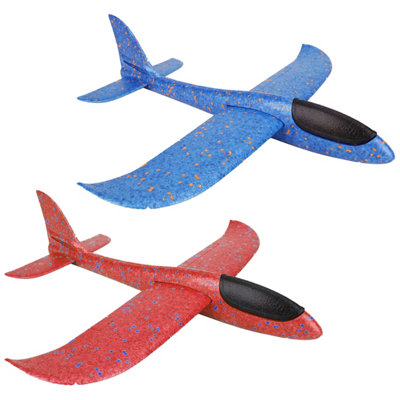
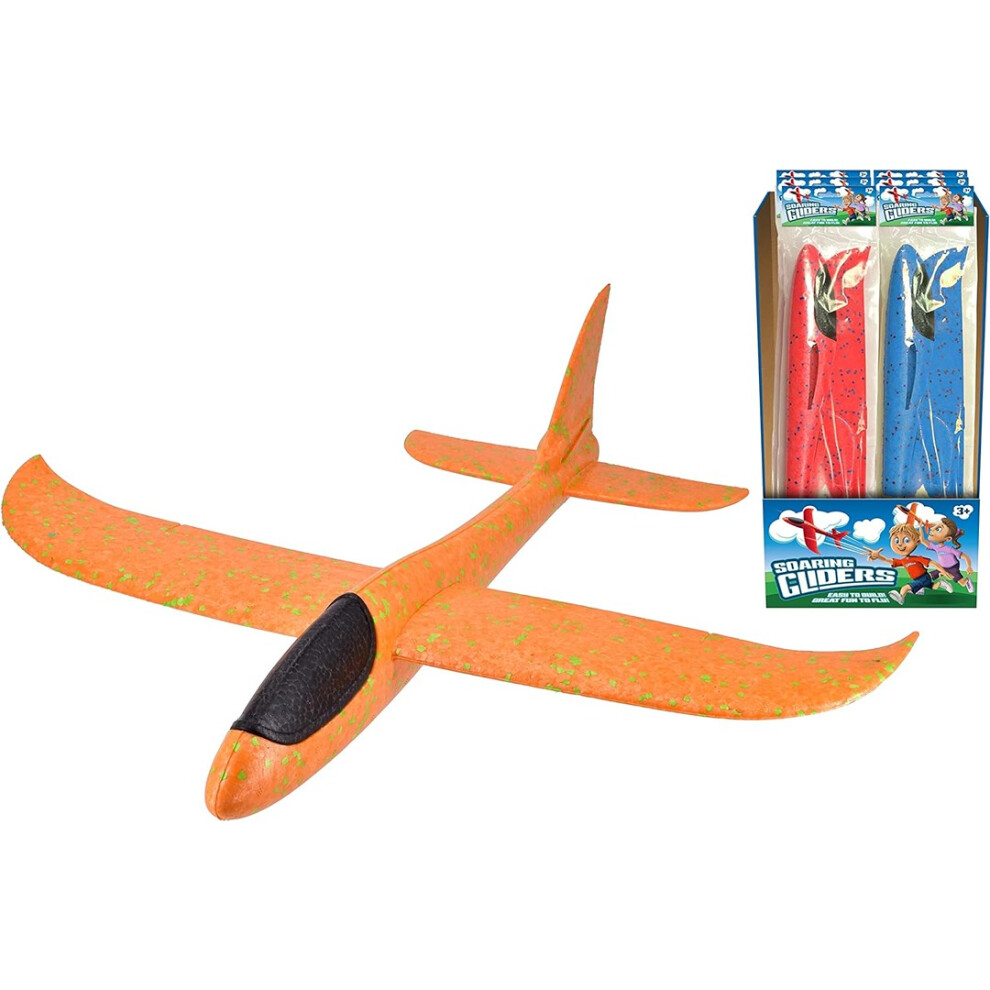
- Foam hand-throw gliders (plain or LED) launch in still air, making them right when wind drops and kites cannot lift.
- Dual-line stunt kites trade simplicity for control, letting teens and adults learn turns, dives and sustained flight.
- Cloth or nylon kites shrug off gusts better than paper toys, so they survive repeated outdoor sessions.
- LED foam planes add a glowing flight path for dusk play, a step up from standard plastic gliders.
Things to watch
- Large delta kites need open space and a breeze, so they are wrong for small yards or windless evenings.
- Dual-line stunt kites demand practice and wind awareness, poor for toddlers or casual first-time flyers.
- LED foam planes carry extra weight for the light unit, which shortens glide time versus bare foam models.
- Paper or wood gliders are light but crush on hard landing, unfit for rough play.
- Cloth kites with long tails tangle if stored loosely, adding prep time before each flight.
Care & maintenance
Clean surfaces
Wipe polyester or plastic kite faces after muddy use, then dry before folding.
Check frames
Inspect nylon/wood frames for loose joints before each launch.
Store foam carefully
Keep foam gliders away from radiators or direct sun to avoid warping.
Pack cloth kites
Roll cloth kites with the tail inside to prevent knots, not tight enough to crease the material.
Frequently Asked Questions
What should I look for when buying flying toys?
When shopping for flying toys, consider factors such as quality, price, brand reputation, and customer reviews. Compare prices across multiple retailers to ensure you're getting the best deal. Look for products that match your specific needs and budget.
How do I choose the right flying toys?
Choosing the right flying toys depends on your individual needs, budget, and preferences. Research different options, read customer reviews, and compare specifications. Consider what features are most important to you and look for products that offer the best value for money.
Where can I find the best deals on flying toys?
You can find the best deals on flying toys by comparing prices across multiple retailers. Our price comparison tool helps you find the lowest prices from trusted UK retailers including Amazon, eBay, and other major online stores. Check regularly as prices and deals change frequently.
Are flying toys products worth the investment?
The value of flying toys products depends on your specific needs and how you plan to use them. Quality products from reputable brands often provide better long-term value, even if they cost more initially. Consider your budget and requirements when making your decision.
What's the difference between different types of flying toys?
Different types of flying toys vary in features, quality, price, and intended use. Some may offer premium features while others focus on affordability. Research the specific differences between models or brands to find the option that best suits your needs and budget.