Measuring Wheels
How to choose measuring wheels
Sub-type fit
Pick sub-type: Tools for push wheels, Measuring Tools & Sensors for digital readouts, Hardware for fixed brackets.
Material
Weigh material: plastic light, metal/steel tough, leather smart but high care.
Readout type
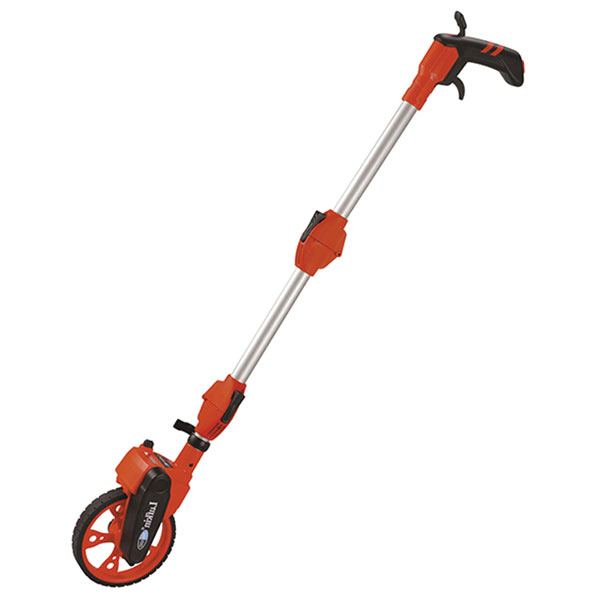
Choose readout: mechanical 6 digit vs digital telescoping with backlight.
Wheel size
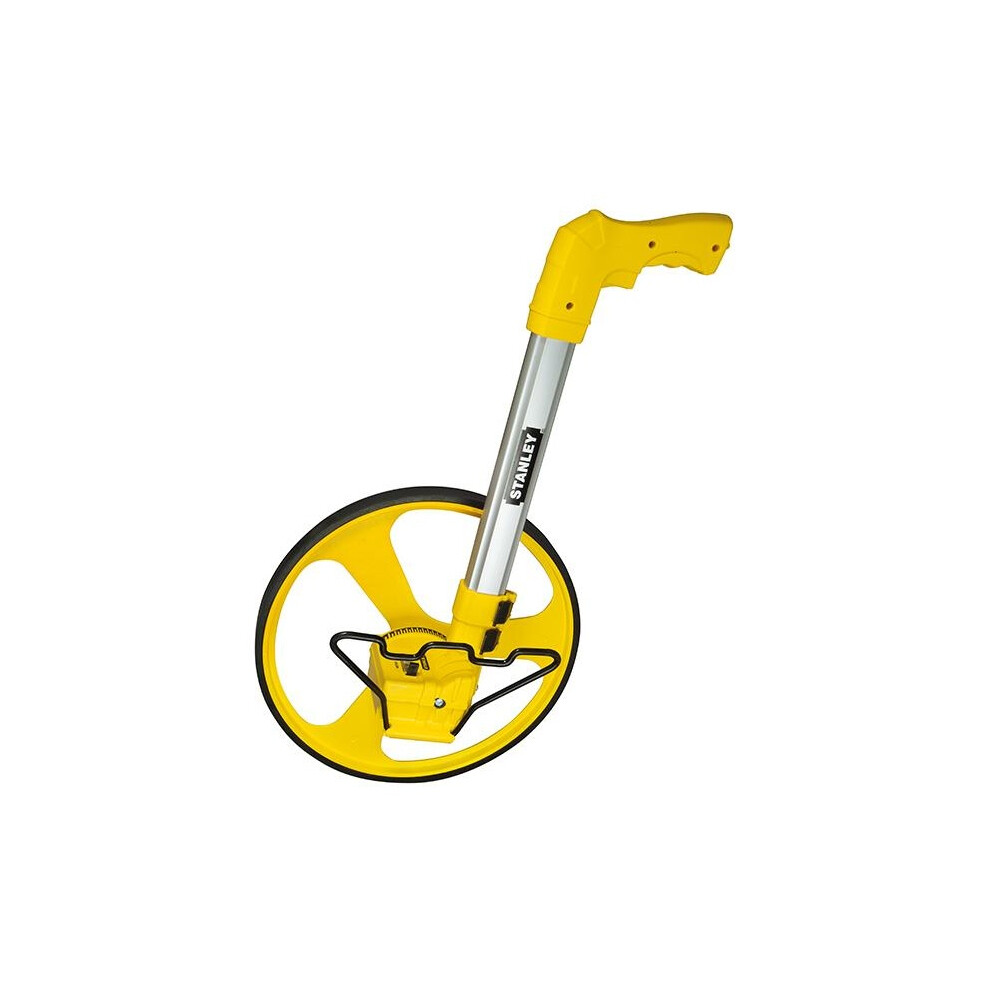
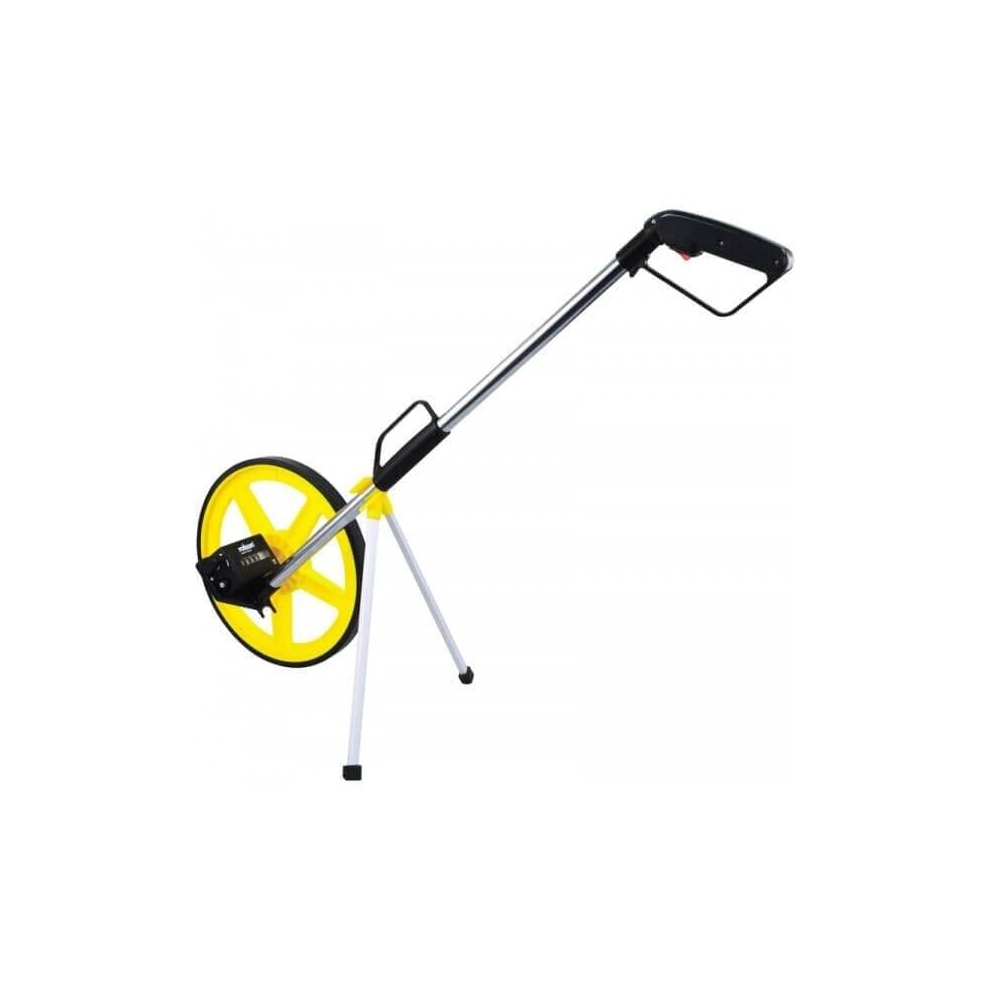
Match wheel size: 150mm portable, 200mm stable, mini extends 460mm to 900mm.
Colour
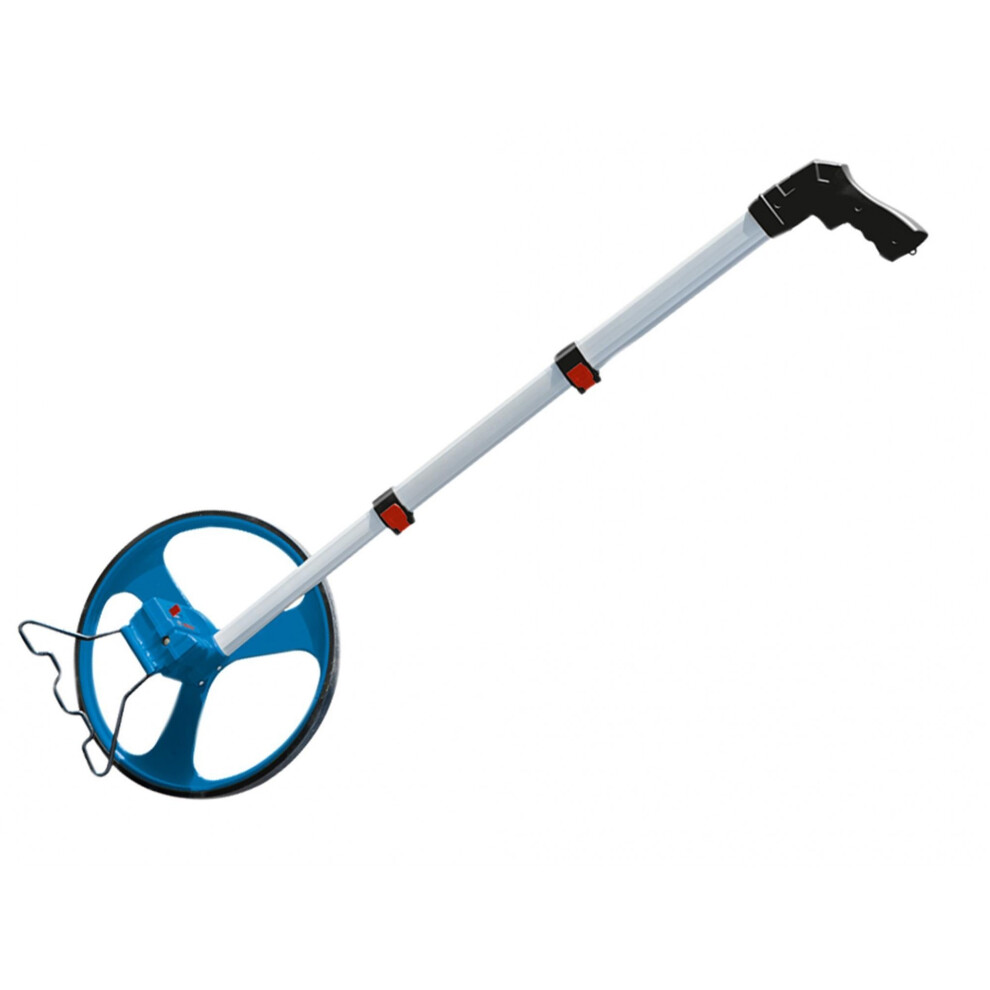
Select colour: yellow black visible, black or blue discreet.
What's good
- Mechanical length counters with 6 digit readouts log up to 99999.9m with no power source.
- Digital wheels with backlit displays and metric/imperial switching reduce conversion mistakes.
- Mini wheels that extend from 460mm to 900mm pack into a boot yet measure to 9999m.
- Aluminium or nylon/aluminium frames keep the tool light for long walking surveys.
- Under Tools, road wheels give a simple push option for driveways and paths.
Things to watch
- Mechanical counters cap at 99999.9m, so they are wrong for extreme land surveys.
- Digital models with telescoping handles add weight versus a fixed plastic trundle.
- A 150mm wheel trips on ruts where a 200mm rubber wheel rolls cleaner.
- Leather grips need conditioning, unlike metal/plastic builds that wipe down.
- Yellow black colourways mark easily with site dirt compared to black.
Care & maintenance
Wash metal
Wipe steel and stainless steel frames after wet use to prevent rust.
Clean tread
Clear rubber treads on 150mm or 200mm wheels so debris does not skew distance.
Rest spring
Leave mechanical counters at zero to spare the internal spring.
Dry storage
Shield digital backlit units from prolonged damp in storage.
Frequently Asked Questions
What should I look for when buying measuring wheels?
When shopping for measuring wheels, consider factors such as quality, price, brand reputation, and customer reviews. Compare prices across multiple retailers to ensure you're getting the best deal. Look for products that match your specific needs and budget.
How do I choose the right measuring wheels?
Choosing the right measuring wheels depends on your individual needs, budget, and preferences. Research different options, read customer reviews, and compare specifications. Consider what features are most important to you and look for products that offer the best value for money.
Where can I find the best deals on measuring wheels?
You can find the best deals on measuring wheels by comparing prices across multiple retailers. Our price comparison tool helps you find the lowest prices from trusted UK retailers including Amazon, eBay, and other major online stores. Check regularly as prices and deals change frequently.
Are measuring wheels products worth the investment?
The value of measuring wheels products depends on your specific needs and how you plan to use them. Quality products from reputable brands often provide better long-term value, even if they cost more initially. Consider your budget and requirements when making your decision.
What's the difference between different types of measuring wheels?
Different types of measuring wheels vary in features, quality, price, and intended use. Some may offer premium features while others focus on affordability. Research the specific differences between models or brands to find the option that best suits your needs and budget.