Optics
How to choose optics
Format
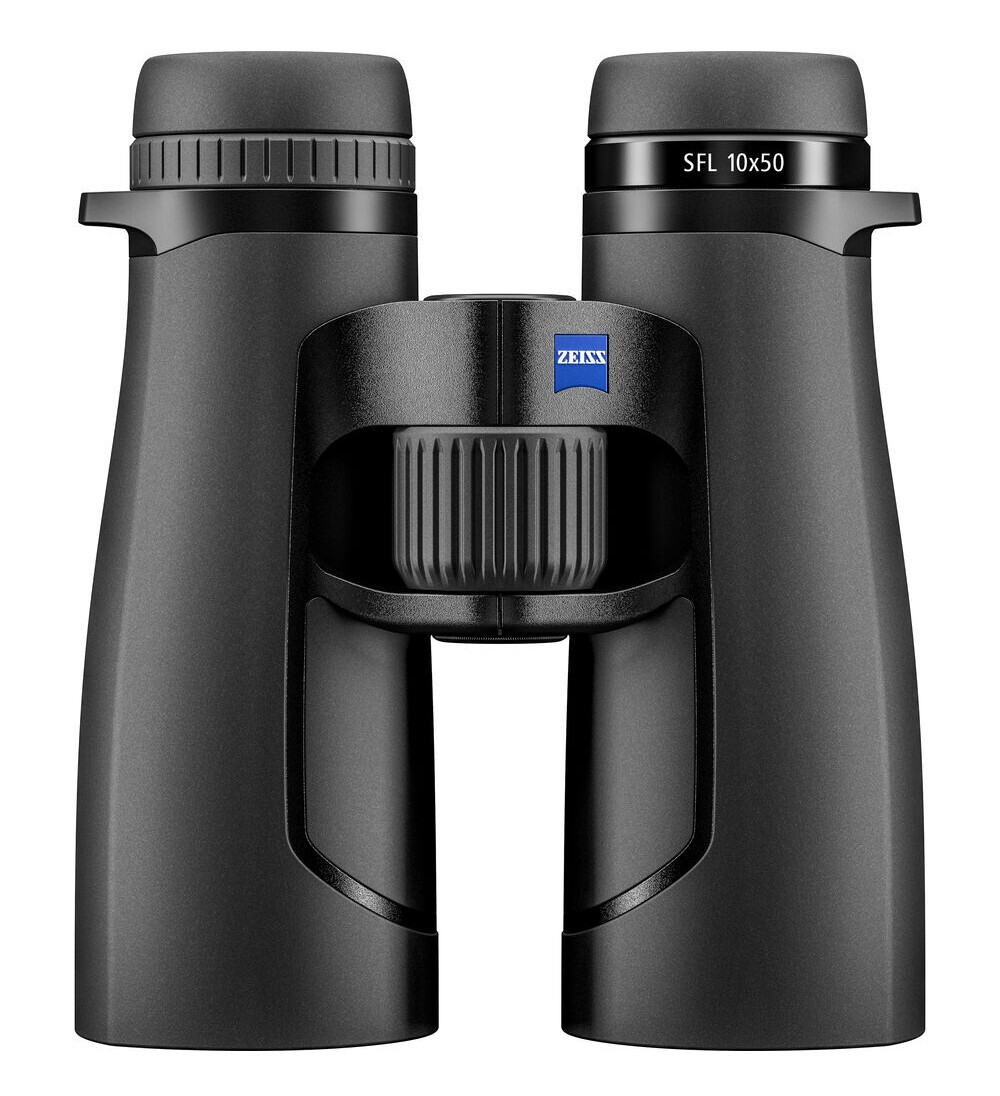
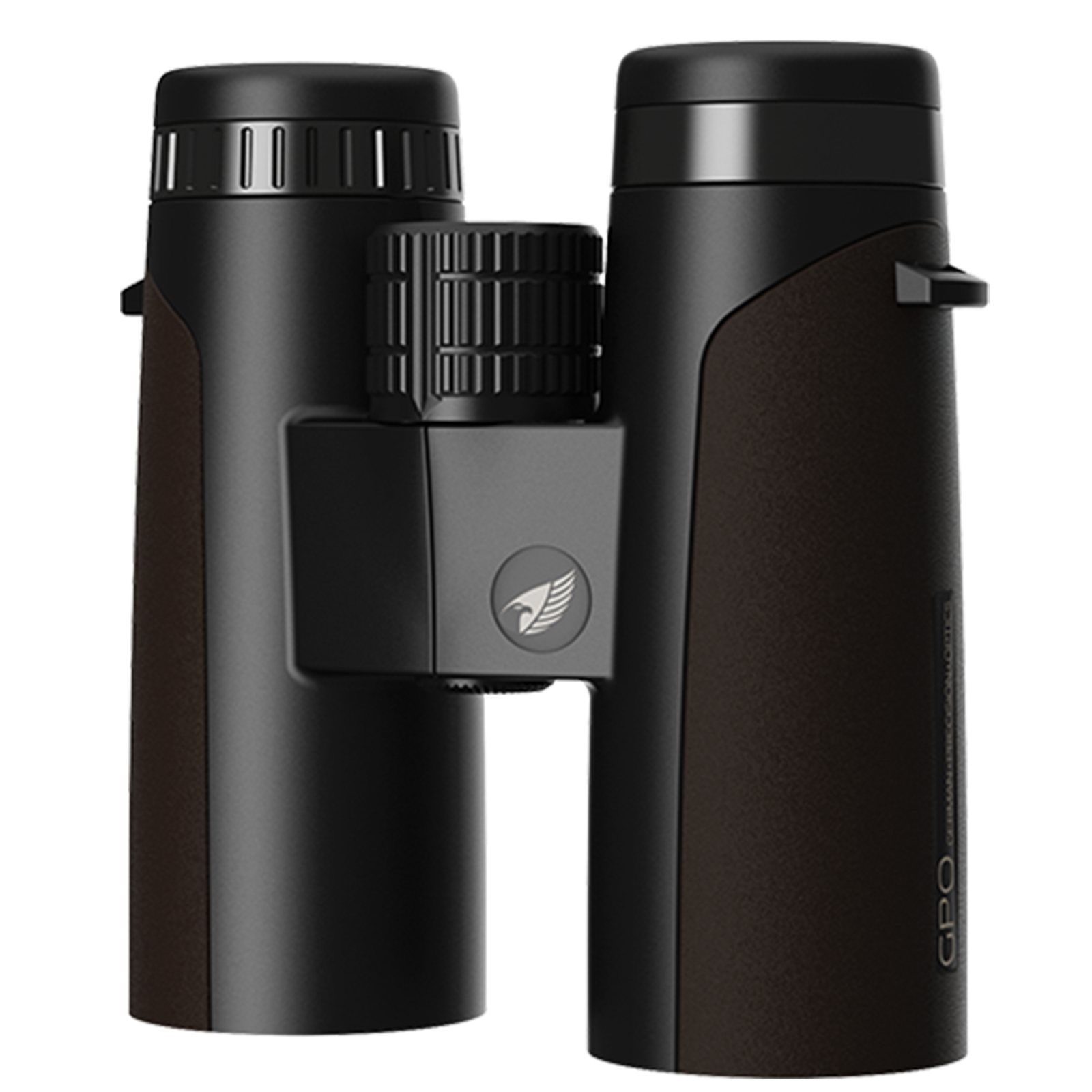
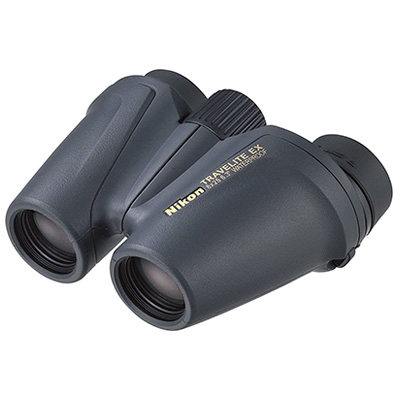
Pick binoculars if you want two-eye comfort, or a monocular if pack size matters.
Scale and material
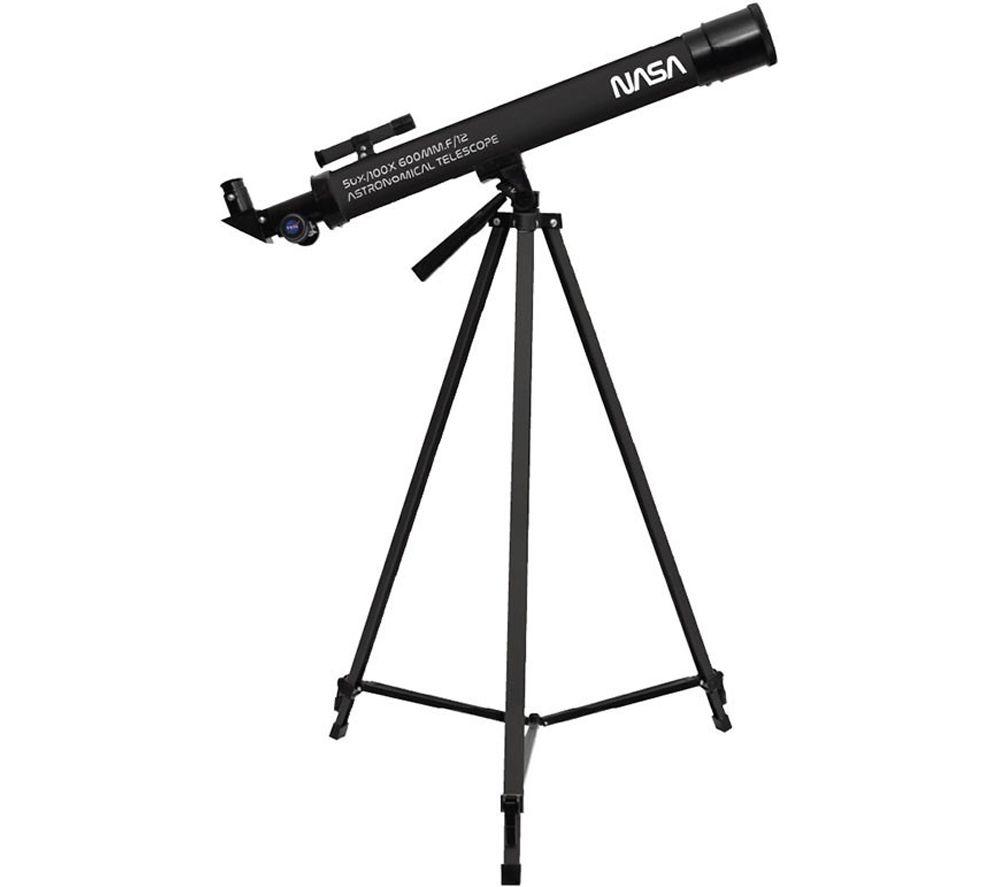
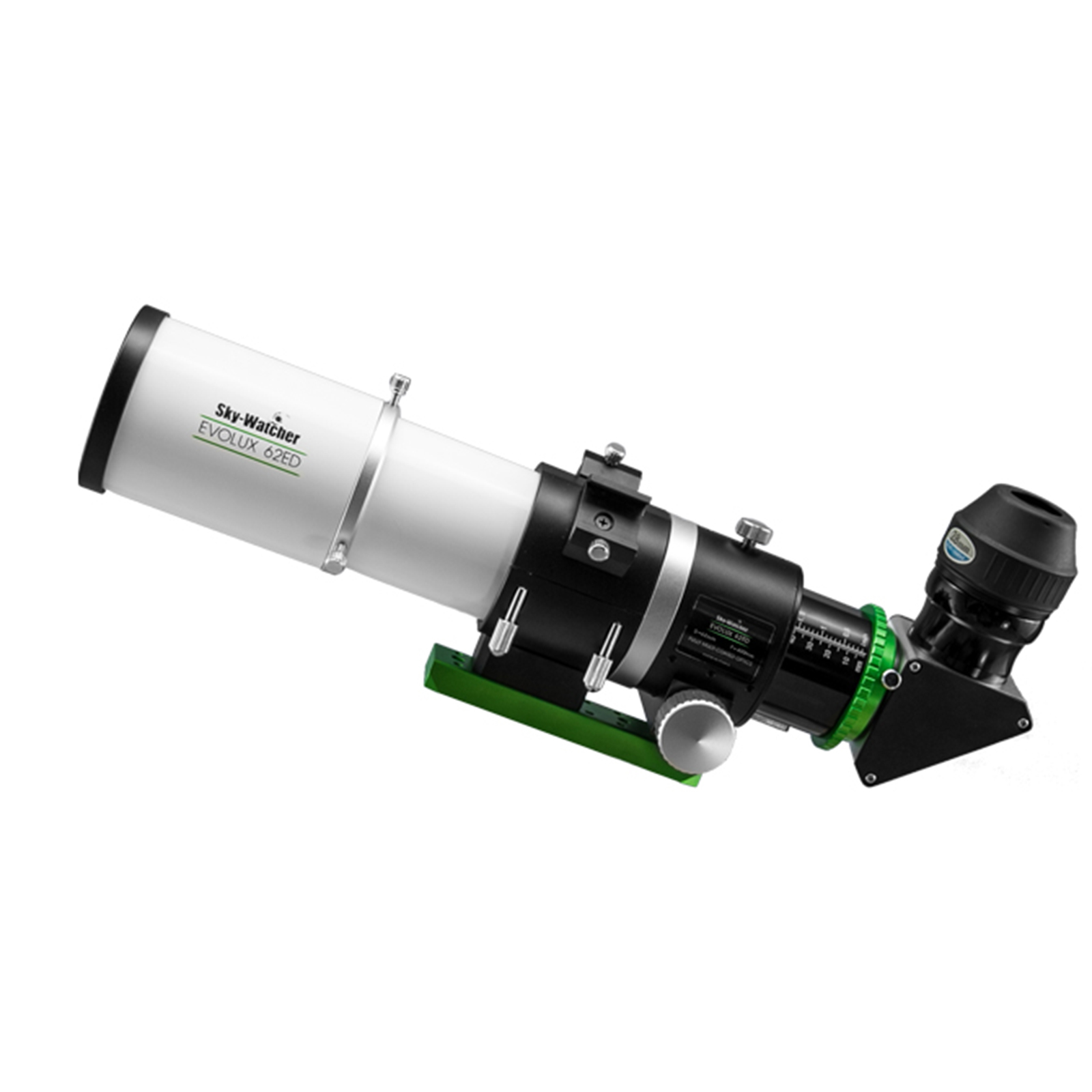
Choose scopes for a larger view, but accept extra weight if you pick brass over aluminium.
Build
Material drives use: rubber for field grip, leather or brass for display pieces.
Finish
Colour signals user: bright red or blue for children, dark or black for discreet adult use.
Hybrid kit
Within Cameras & Optics, weigh the added features against the simpler carry of a monocular.
What's good
- Binoculars suit steady two-eye viewing, better for long sessions than a monocular.
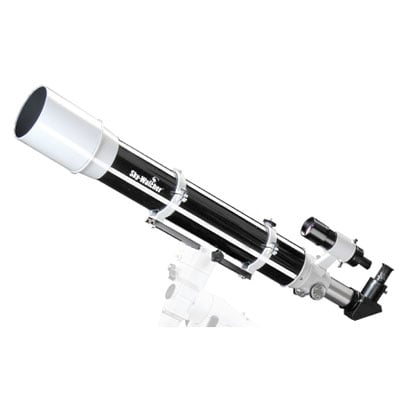
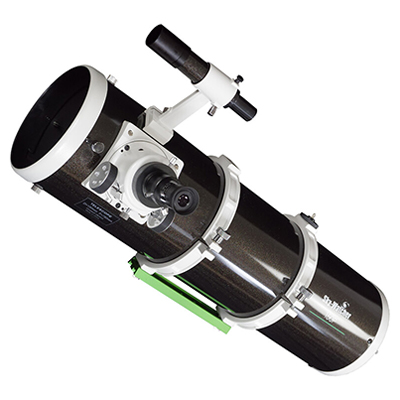
- Scopes give a larger observation format, useful for tabletop or distance work.
- Rubber or silicone shells on binoculars and monoculars improve grip in wet weather.
- Cameras & Optics merge capture and viewing, handy if you want a record of what you see.
- Brass or leather on scopes adds a decorative tier that doubles as room furniture.
Things to watch
- Monoculars save pocket space but tire one eye faster than binoculars.
- Scopes in brass or leather look smart yet weigh more than aluminium or plastic builds.
- Child-oriented binocular colours like pink or yellow often pair with plastic builds that are less hard-wearing than metal adult pairs.
- Cameras & Optics add setup steps versus a quick-look monocular.
- Full-size binoculars in metal feel solid but are heavier to carry than rubberised compact types.
Care & maintenance
Shell care
Wipe rubber and silicone surfaces with a damp cloth to keep grip.
Display pieces
Store brass or leather scopes in a dry place to avoid tarnish and cracking.
Metal upkeep
Keep aluminium and silver finishes polished with a dry cloth to slow oxidation.
Impact
Shield plastic or metal bodies from drops, as repair options are limited.
Frequently Asked Questions
What should I look for when buying optics?
When shopping for optics, consider factors such as quality, price, brand reputation, and customer reviews. Compare prices across multiple retailers to ensure you're getting the best deal. Look for products that match your specific needs and budget.
How do I choose the right optics?
Choosing the right optics depends on your individual needs, budget, and preferences. Research different options, read customer reviews, and compare specifications. Consider what features are most important to you and look for products that offer the best value for money.
Where can I find the best deals on optics?
You can find the best deals on optics by comparing prices across multiple retailers. Our price comparison tool helps you find the lowest prices from trusted UK retailers including Amazon, eBay, and other major online stores. Check regularly as prices and deals change frequently.
Are optics products worth the investment?
The value of optics products depends on your specific needs and how you plan to use them. Quality products from reputable brands often provide better long-term value, even if they cost more initially. Consider your budget and requirements when making your decision.
What's the difference between different types of optics?
Different types of optics vary in features, quality, price, and intended use. Some may offer premium features while others focus on affordability. Research the specific differences between models or brands to find the option that best suits your needs and budget.