Threading Machines
How to choose threading machines
Tools versus Hardware
Sub-type first: Tools for occasional handheld work, Hardware for fixed bench jobs. Pick by where you actually thread.
Build material
Material decides lifespan versus weight. Plastic/steel suits light PVC, full steel or iron suits trade metal pipe.
Die size range
Check the die sizes in the kit. Confirm they match the 1/2, 3/4 and 1 inch pipes you fit most.
Colour choice
Colour is personal. Silver and black hide oil, white aids visibility but needs cleaning.
Power source
Power or manual: mains Hardware saves fatigue but ties you to a socket, manual Tools go anywhere.
What's good
- Manual Tools in this category, such as tap and die sets, need no power source. They suit van calls and home jobs where a socket is absent.
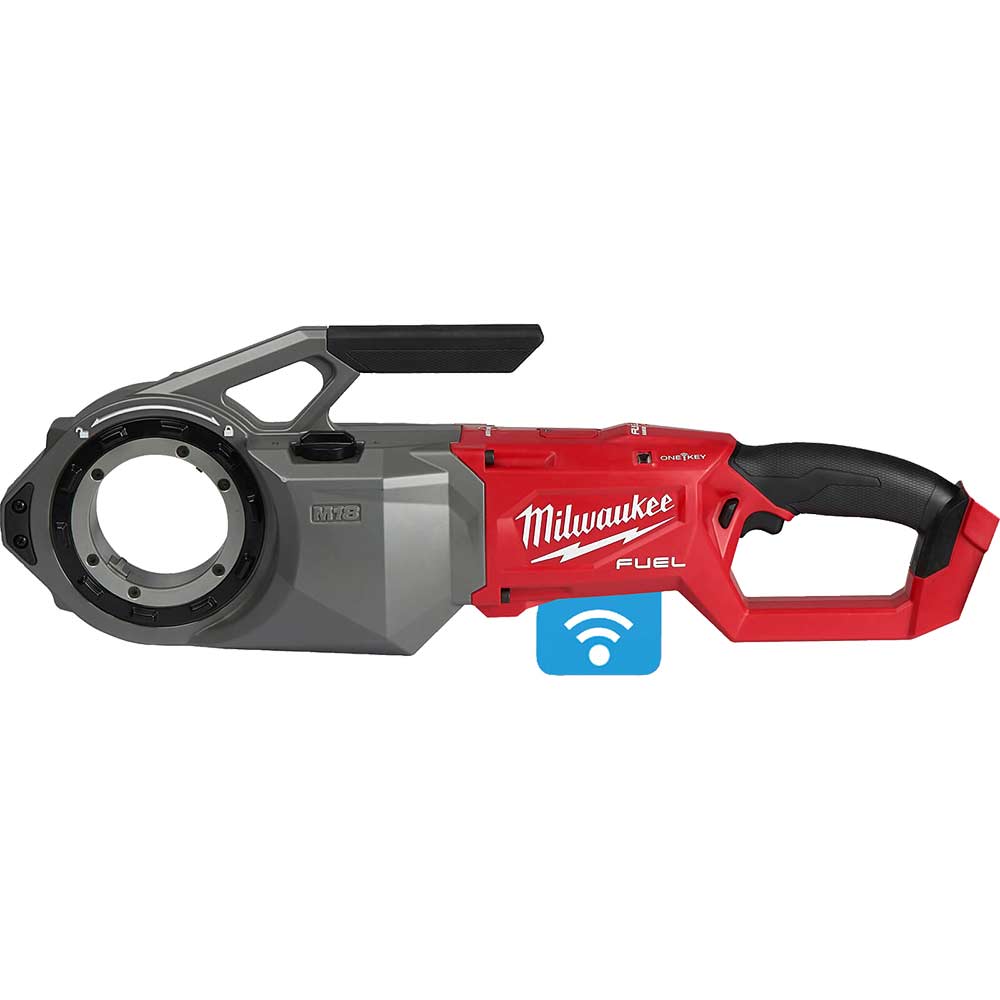
- Hardware units like powered bench machines cut repeated threads with less hand strain. A workshop with steady use gains speed.
- Steel and iron builds hold thread accuracy after many jobs. A metal/steel body resists the wear that plastic shows.
- Kits with multiple die sizes cover common pipe diameters in one purchase. You avoid buying separate tools for each fitting.
- Colour choice (silver, black, white, red) helps spot your kit on a busy bench. A red frame stands out among grey equipment.
Things to watch
- Manual Tools demand elbow grease. They are wrong for high-volume threading where speed matters.
- Powered Hardware needs a 220V mains connection. It is heavy and not made for carry to remote sites.
- Plastic or plastic/metal units keep weight low but can crack under torque on steel pipe. They suit PVC only.
- Iron/cast iron pieces last long yet bulk up a small toolbox. Storage space becomes a tradeoff.
- A white or red shell looks clear but shows grease quickly. Colour is cosmetic, not a performance gain.
Care & maintenance
Dry metal parts
Wipe steel and iron threads dry after use to stop rust in damp UK storage.
Clear die teeth
Brush PVC shavings from die teeth so cuts stay clean on the next pipe.
Lubricate Hardware
Lubricate moving parts on powered Hardware as the maker instructs. This keeps the motor and carriage smooth.
Store manual kits dry
Keep manual Tools in a dry case, as plastic bodies warp if left in heat.
Frequently Asked Questions
What should I look for when buying threading machines?
When shopping for threading machines, consider factors such as quality, price, brand reputation, and customer reviews. Compare prices across multiple retailers to ensure you're getting the best deal. Look for products that match your specific needs and budget.
How do I choose the right threading machines?
Choosing the right threading machines depends on your individual needs, budget, and preferences. Research different options, read customer reviews, and compare specifications. Consider what features are most important to you and look for products that offer the best value for money.
Where can I find the best deals on threading machines?
You can find the best deals on threading machines by comparing prices across multiple retailers. Our price comparison tool helps you find the lowest prices from trusted UK retailers including Amazon, eBay, and other major online stores. Check regularly as prices and deals change frequently.
Are threading machines products worth the investment?
The value of threading machines products depends on your specific needs and how you plan to use them. Quality products from reputable brands often provide better long-term value, even if they cost more initially. Consider your budget and requirements when making your decision.
What's the difference between different types of threading machines?
Different types of threading machines vary in features, quality, price, and intended use. Some may offer premium features while others focus on affordability. Research the specific differences between models or brands to find the option that best suits your needs and budget.