Studio Backgrounds
How to choose studio backgrounds
Material and upkeep
Material decides upkeep: vinyl for wipe-clean shots, paper for matte single use, polyester for repeat studio days.
Colour and subject
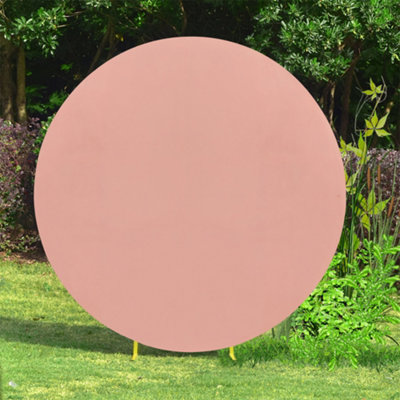
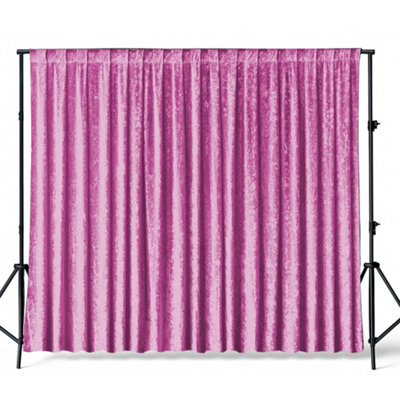
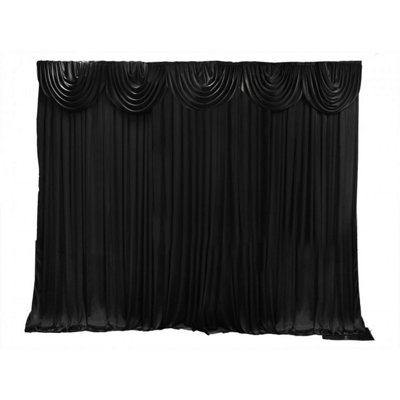
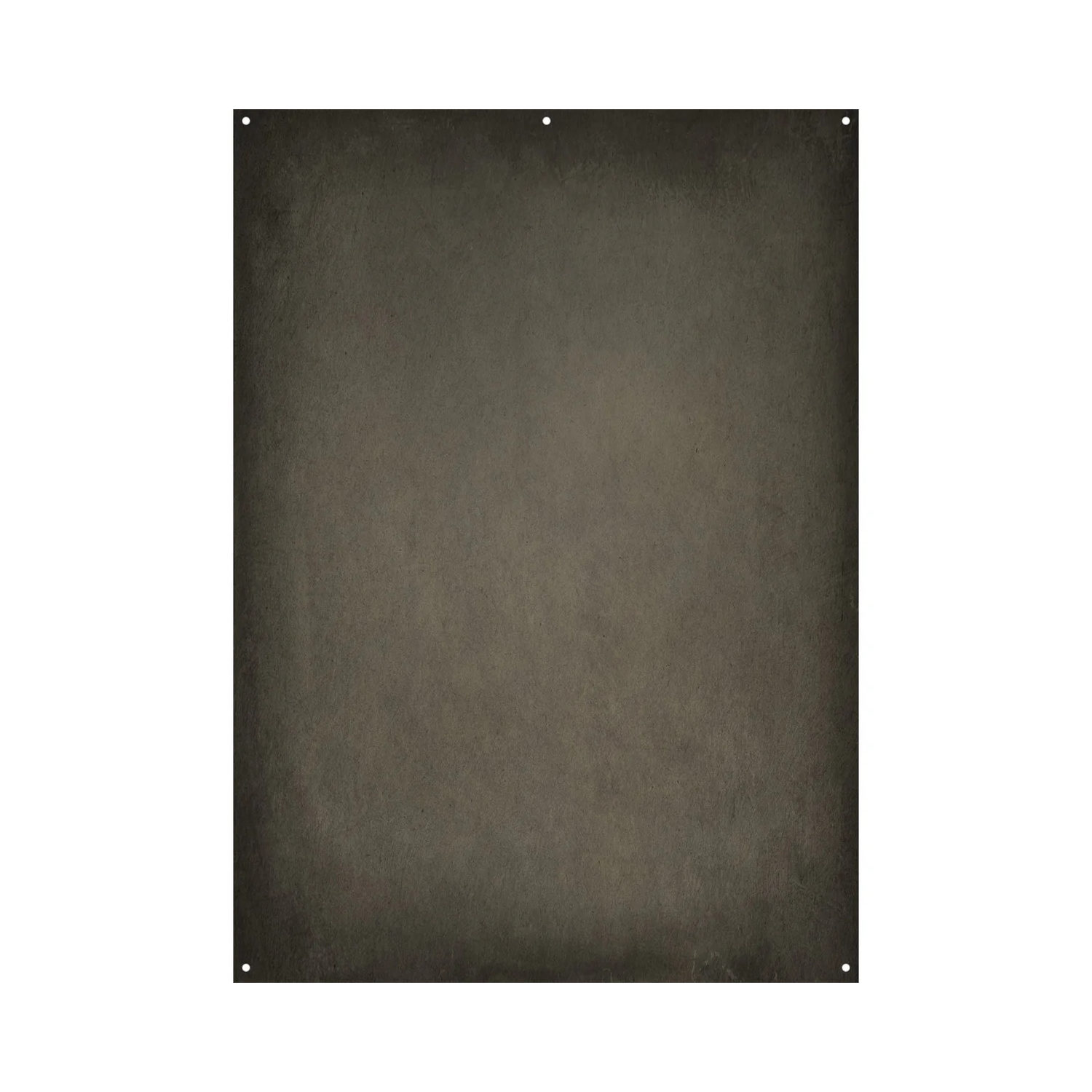
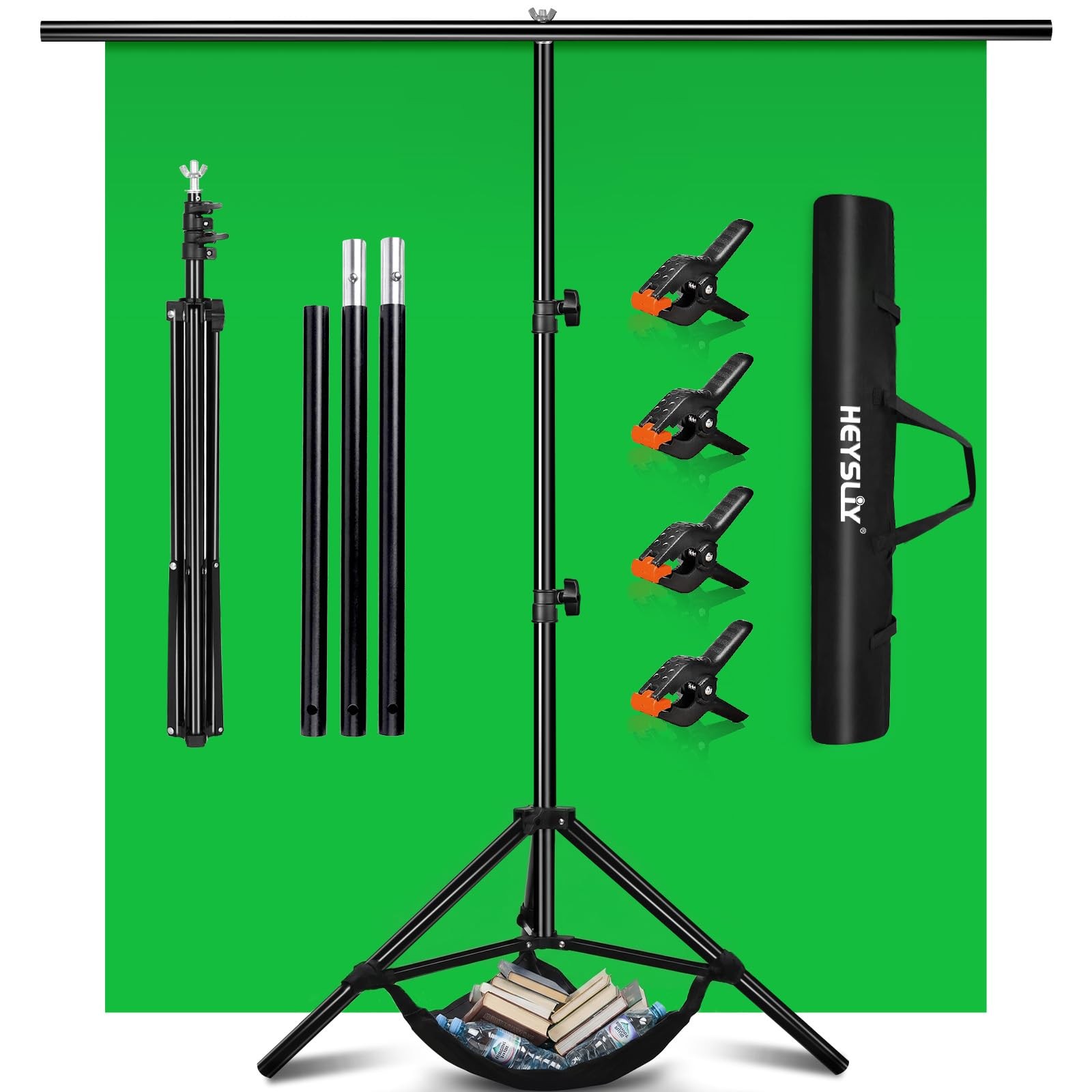
Colour shapes the scene: green or blue for chroma work, brown or grain for rustic looks, white/blue for clean product.
Flexible vs rigid
Flexible fabric (polyester, cotton, silk) packs small, while rigid wood or iron/polyester stands need a vehicle.
Sub-type context
Sub-type context matters: Photography, Lighting & Studio, and Cameras & Optics each favour different glare and heat traits.
Size and weight
Weight and size trade off: large vinyl backdrops that cover the floor weigh more than a paper roll.
What's good
- Vinyl and 100 percent vinyl backdrops in the Photography sub-type wipe clean after food shoots.
- Polyester and polyester/cotton mixes under Lighting & Studio resist wrinkles from frequent folding.
- Paper backgrounds give a matte, non-reflective surface that suits Cameras & Optics work.
- Cotton and silk options bring natural texture for portrait sittings.
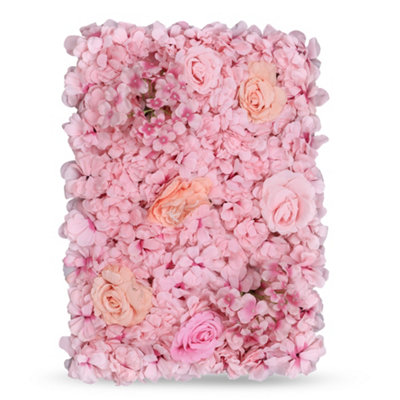
- Wood or iron/polyester builds provide rigid standing backdrops for booth use.
Things to watch
- Vinyl creases if stored rolled tight, and those folds are stubborn to flatten.
- Paper tears easily and cannot be wiped, so it fits single sessions only.
- Cotton and silk need dry storage to avoid mould in damp UK studios.
- Gold material or gold colour can throw hotspots under bright studio lamps.
- Wood backgrounds are heavy compared with fabric types, limiting portability.
Care & maintenance
Roll vinyl
Roll vinyl and 100 percent vinyl on a loose tube to prevent creases.
Clean polyester
Spot clean polyester with a damp cloth, avoiding harsh soaps.
Store paper
Keep paper backgrounds upright and dry, away from floor damp.
Store natural fabrics
Store cotton and silk flat in a cool, dry space.
Frequently Asked Questions
What should I look for when buying studio backgrounds?
When shopping for studio backgrounds, consider factors such as quality, price, brand reputation, and customer reviews. Compare prices across multiple retailers to ensure you're getting the best deal. Look for products that match your specific needs and budget.
How do I choose the right studio backgrounds?
Choosing the right studio backgrounds depends on your individual needs, budget, and preferences. Research different options, read customer reviews, and compare specifications. Consider what features are most important to you and look for products that offer the best value for money.
Where can I find the best deals on studio backgrounds?
You can find the best deals on studio backgrounds by comparing prices across multiple retailers. Our price comparison tool helps you find the lowest prices from trusted UK retailers including Amazon, eBay, and other major online stores. Check regularly as prices and deals change frequently.
Are studio backgrounds products worth the investment?
The value of studio backgrounds products depends on your specific needs and how you plan to use them. Quality products from reputable brands often provide better long-term value, even if they cost more initially. Consider your budget and requirements when making your decision.
What's the difference between different types of studio backgrounds?
Different types of studio backgrounds vary in features, quality, price, and intended use. Some may offer premium features while others focus on affordability. Research the specific differences between models or brands to find the option that best suits your needs and budget.