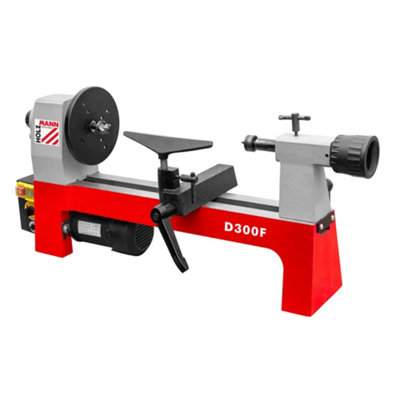
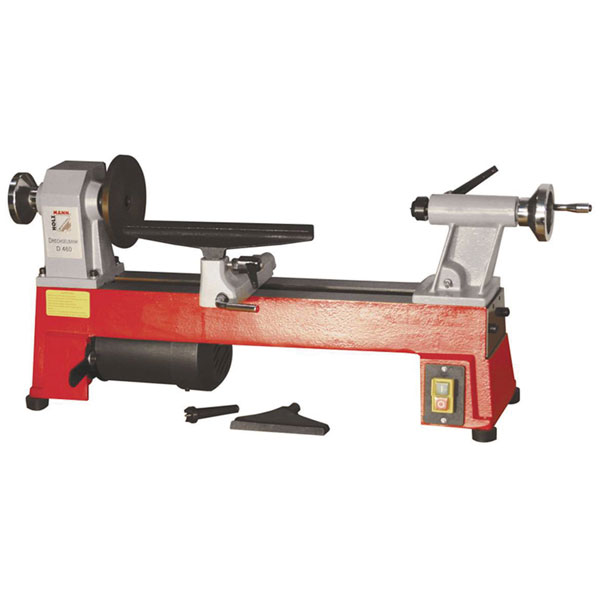
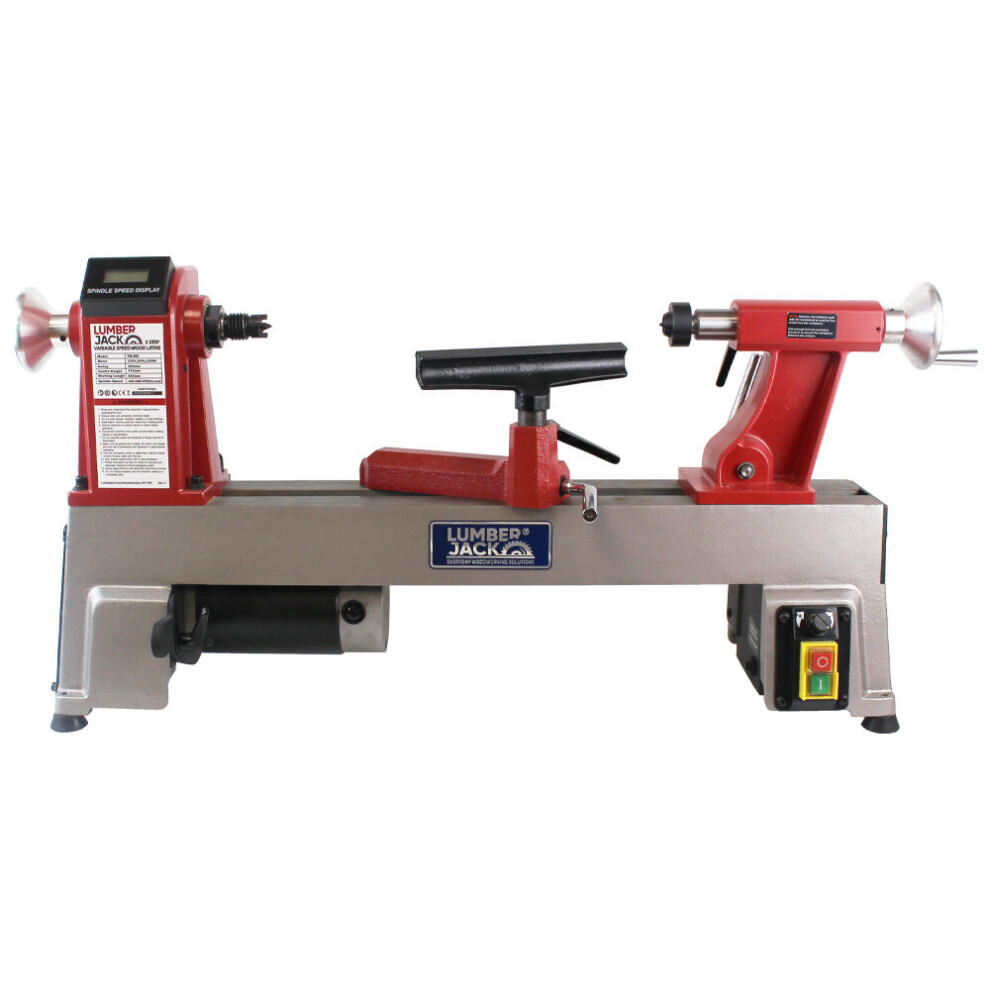
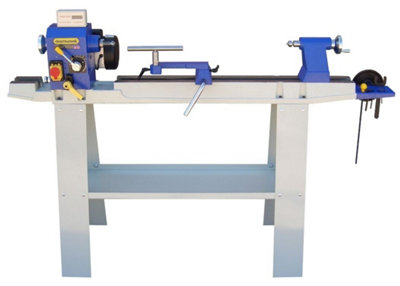
Lathes
How to choose lathes
Workpiece material
Wood versus metal: wood lathes turn spindles and bowls, while metal lathes rely on steel or cast iron frames for rigidity.
Frame material
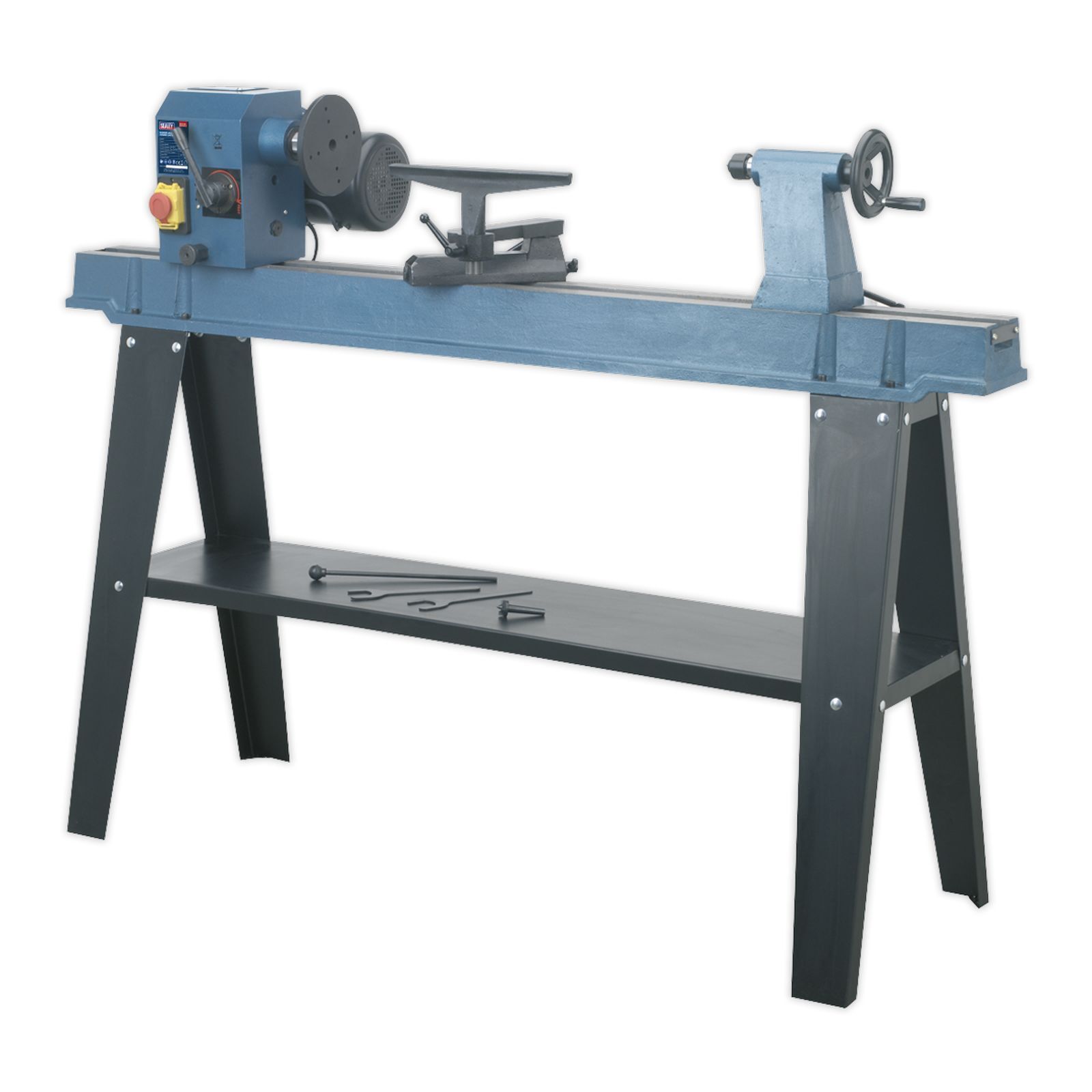
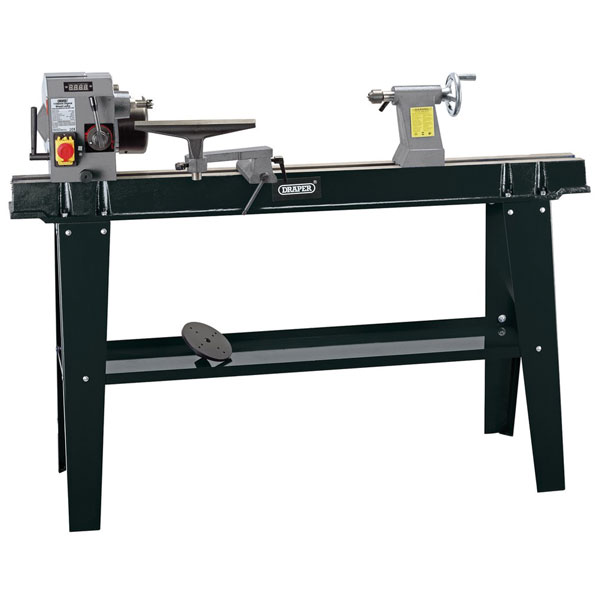
Lathe construction: oak or cast iron/wood beds damp vibration but add weight, aluminium stays portable for a small bench.
Size and space
Footprint: a compact bead lathe hides in a drawer, a long centre lathe needs a permanent workshop spot.
Single vs multi-function
Task count: a 6in1 multi machine saves space yet won't match a single-task lathe for fine tolerances.
Colour
Colour (grey, red, silver, amber) is cosmetic, so choose by build and spec rather than shade.
What's good
- Mini lathes (often 100W bead machines) fit a small bench and let newcomers practise without a large footprint.
- Cast iron or wood/cast iron beds, found on larger lathes, cut vibration when turning long spindles.
- Multi-function units that drill, mill, or sand pack several workshop tasks into one machine.
- Dedicated metalworking mini lathes give precise control for small steel or aluminium parts.
Things to watch
- Mini bead and polishing lathes lack the power for large wood blanks or cutting metal stock.
- Multi-function machines trade the precision of a dedicated lathe for their extra drilling or sanding roles.
- Cast iron or wood/cast iron beds sit stable but are heavy, wrong for a shared table or cramped shed.
- Small 100W class lathes cap workpiece length, so they cannot turn chair legs or long rails.
Care & maintenance
Protect iron and oak
Cast iron or oak beds need a wipe with oil to avoid rust, a chore absent on aluminium frames.
Belt care
Multi-speed belt lathes need tension checks, so light users may prefer simpler mini lathes with less upkeep.
Screw lubrication
Metal lathes with lead screws want lubrication, adding routine not found on basic bead polishers.
Dust control
Enclosed plastic/copper units need dust cleared, otherwise motor life drops and the live grid shows sturdier options.
Frequently Asked Questions
What should I look for when buying lathes?
When shopping for lathes, consider factors such as quality, price, brand reputation, and customer reviews. Compare prices across multiple retailers to ensure you're getting the best deal. Look for products that match your specific needs and budget.
How do I choose the right lathes?
Choosing the right lathes depends on your individual needs, budget, and preferences. Research different options, read customer reviews, and compare specifications. Consider what features are most important to you and look for products that offer the best value for money.
Where can I find the best deals on lathes?
You can find the best deals on lathes by comparing prices across multiple retailers. Our price comparison tool helps you find the lowest prices from trusted UK retailers including Amazon, eBay, and other major online stores. Check regularly as prices and deals change frequently.
Are lathes products worth the investment?
The value of lathes products depends on your specific needs and how you plan to use them. Quality products from reputable brands often provide better long-term value, even if they cost more initially. Consider your budget and requirements when making your decision.
What's the difference between different types of lathes?
Different types of lathes vary in features, quality, price, and intended use. Some may offer premium features while others focus on affordability. Research the specific differences between models or brands to find the option that best suits your needs and budget.