Lubricants
How to choose lubricants
Sub-type and material
Pick Building Consumables silicone for window frames, or Hardware copper grease for metal fixings. Material decides fit.
Colour
Colour choices matter. Clear or neutral hides on show parts, while red or blue marks serviced kit.
Form
Sprays act fast but vanish. Grease stays put but needs wiping. Match form to job speed.
Part compatibility
For rubber or plastic, choose silicone/rubber material. Other bases may degrade the part.
Use case
Chain lubricants suit cycles and tools. Soft greases suit clipper blades and pumps. Know your sub-type before buying. Once the type is set, the listings below let you weigh each match.
What's good
- Multi-use aerosol lubricants, common in Hardware, often include a narrow straw for precise application. This reaches small hinges without flood.
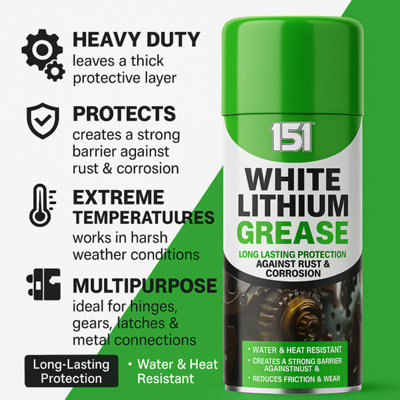
- Grease tubs leave a thicker film than sprays. They suit slow gears that need lasting cover.
- Silicone-based sprays (material: silicone) coat rubber and plastic without causing swell. Handy for Building Consumables seals.
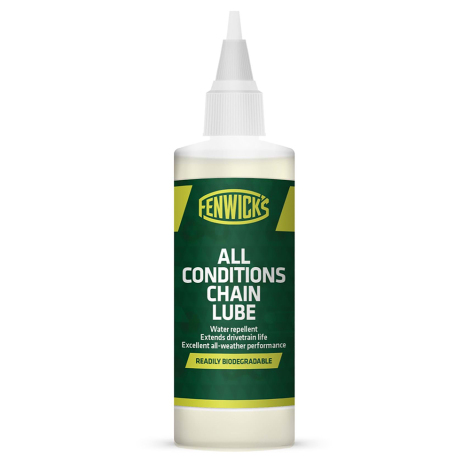
- Chain and drive lubricants target moving links. They reduce friction on cycles better than a plain oil.
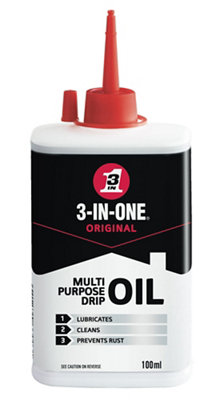
- Fine oils are thin and light. They let you service tiny watch parts where grease would jam.
Things to watch
- Aerosol sprays can drift past the target. Overspray gathers dust on nearby surfaces.
- Copper or aluminium greases (material: copper, metal) conduct electricity. Keep them off terminals.
- Wax-based lubricants (material: wax) stiffen in cold. They may fail on outdoor Hardware in winter.
- Light silicone sprays are too thin for heavy shafts. A Building Consumables can won't free a seized bolt.
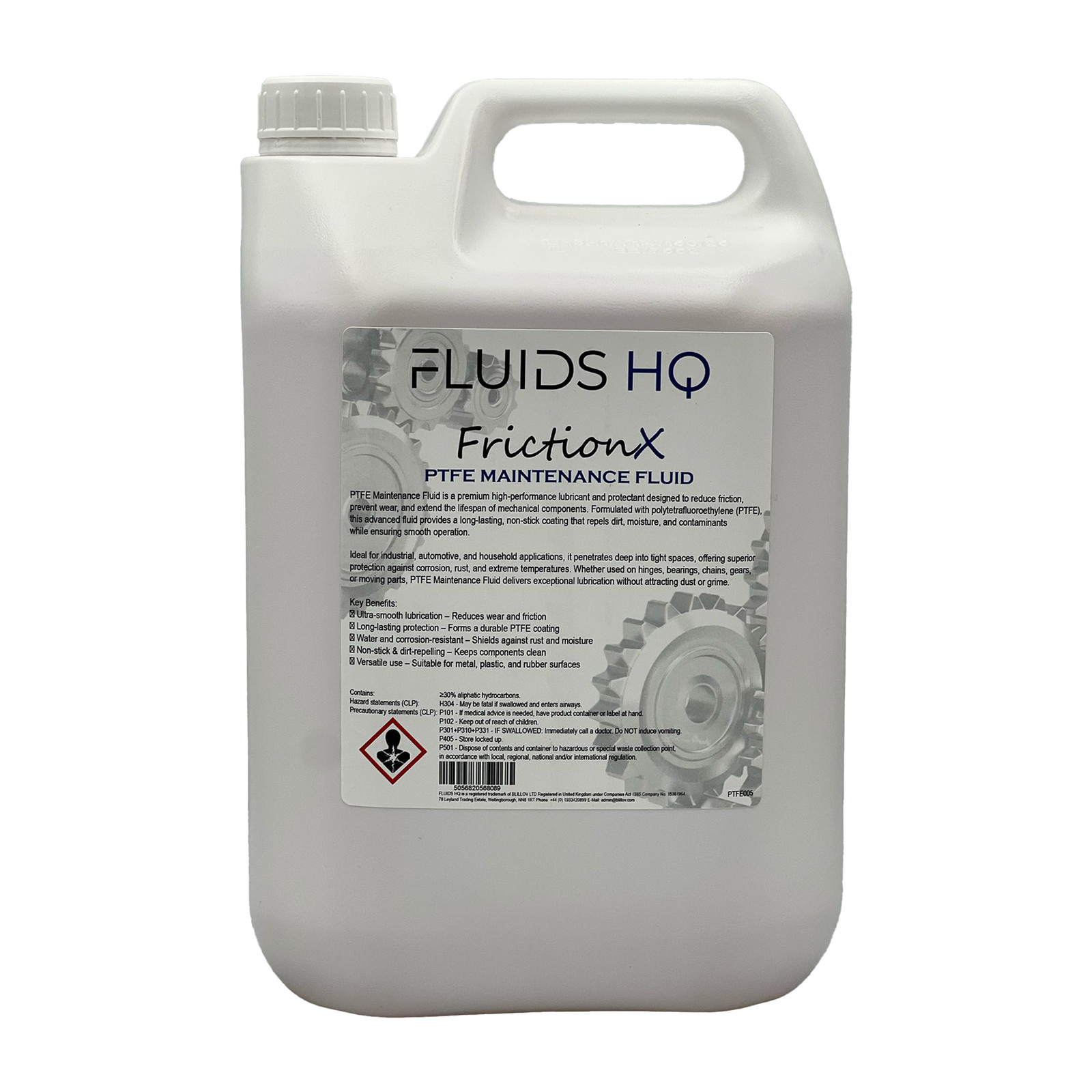
- Small oil vials are easy to lose. Wrong for gate hinges that need a larger can.
Care & maintenance
Storage
Store aerosol cans in a cool cupboard. Heat raises can pressure.
Cleaning
Wipe spare grease off cogs after use. Grit sticks to leftover film.
Refresh
Refresh silicone spray on rubber strips each season. It stops them going brittle.
Sealing
Cap cotton or paper wick oils tight. Dust in the bottle ruins the finish.
Frequently Asked Questions
What should I look for when buying lubricants?
When shopping for lubricants, consider factors such as quality, price, brand reputation, and customer reviews. Compare prices across multiple retailers to ensure you're getting the best deal. Look for products that match your specific needs and budget.
How do I choose the right lubricants?
Choosing the right lubricants depends on your individual needs, budget, and preferences. Research different options, read customer reviews, and compare specifications. Consider what features are most important to you and look for products that offer the best value for money.
Where can I find the best deals on lubricants?
You can find the best deals on lubricants by comparing prices across multiple retailers. Our price comparison tool helps you find the lowest prices from trusted UK retailers including Amazon, eBay, and other major online stores. Check regularly as prices and deals change frequently.
Are lubricants products worth the investment?
The value of lubricants products depends on your specific needs and how you plan to use them. Quality products from reputable brands often provide better long-term value, even if they cost more initially. Consider your budget and requirements when making your decision.
What's the difference between different types of lubricants?
Different types of lubricants vary in features, quality, price, and intended use. Some may offer premium features while others focus on affordability. Research the specific differences between models or brands to find the option that best suits your needs and budget.