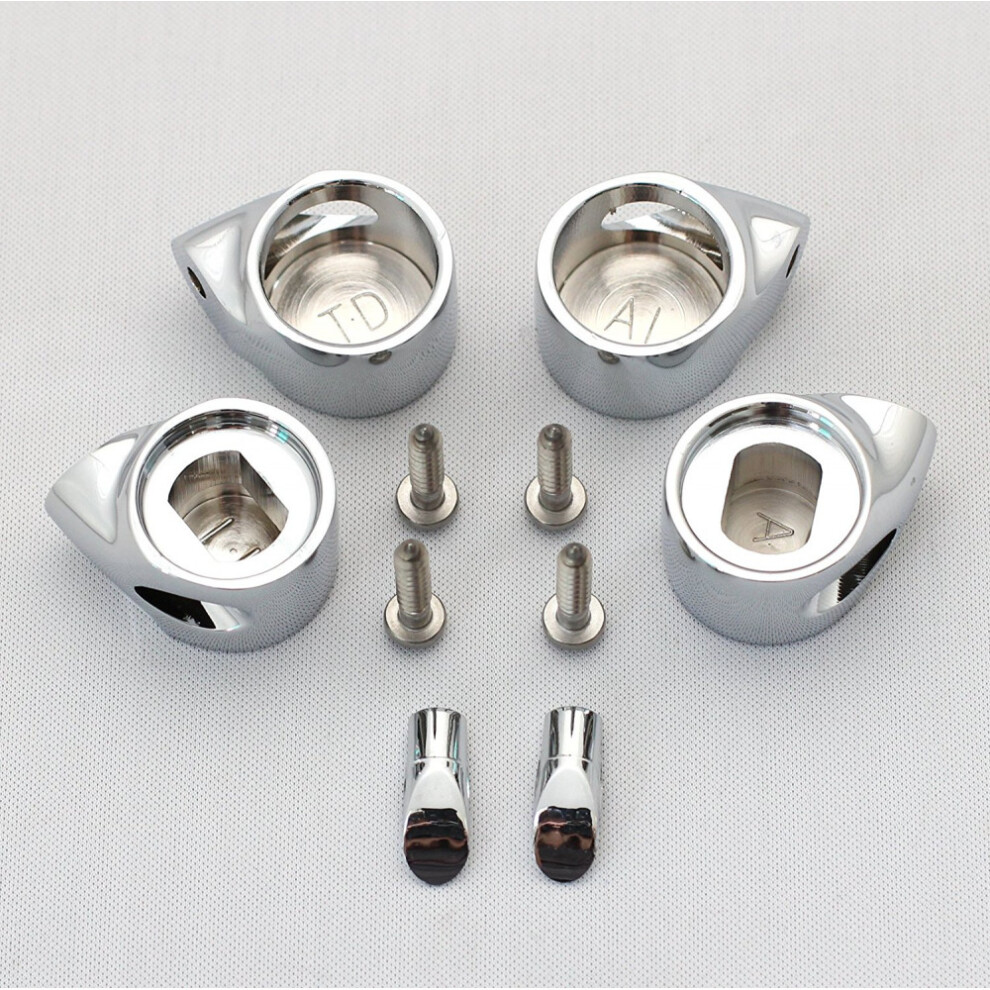
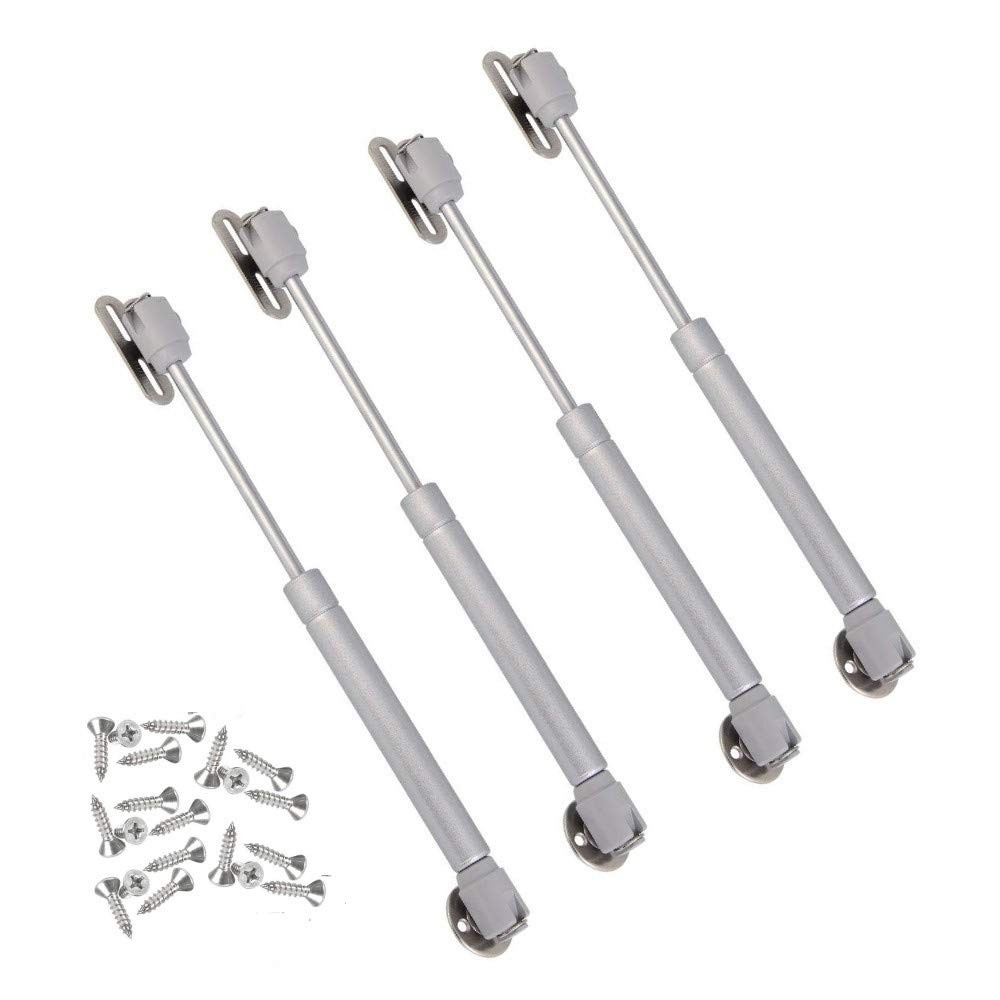
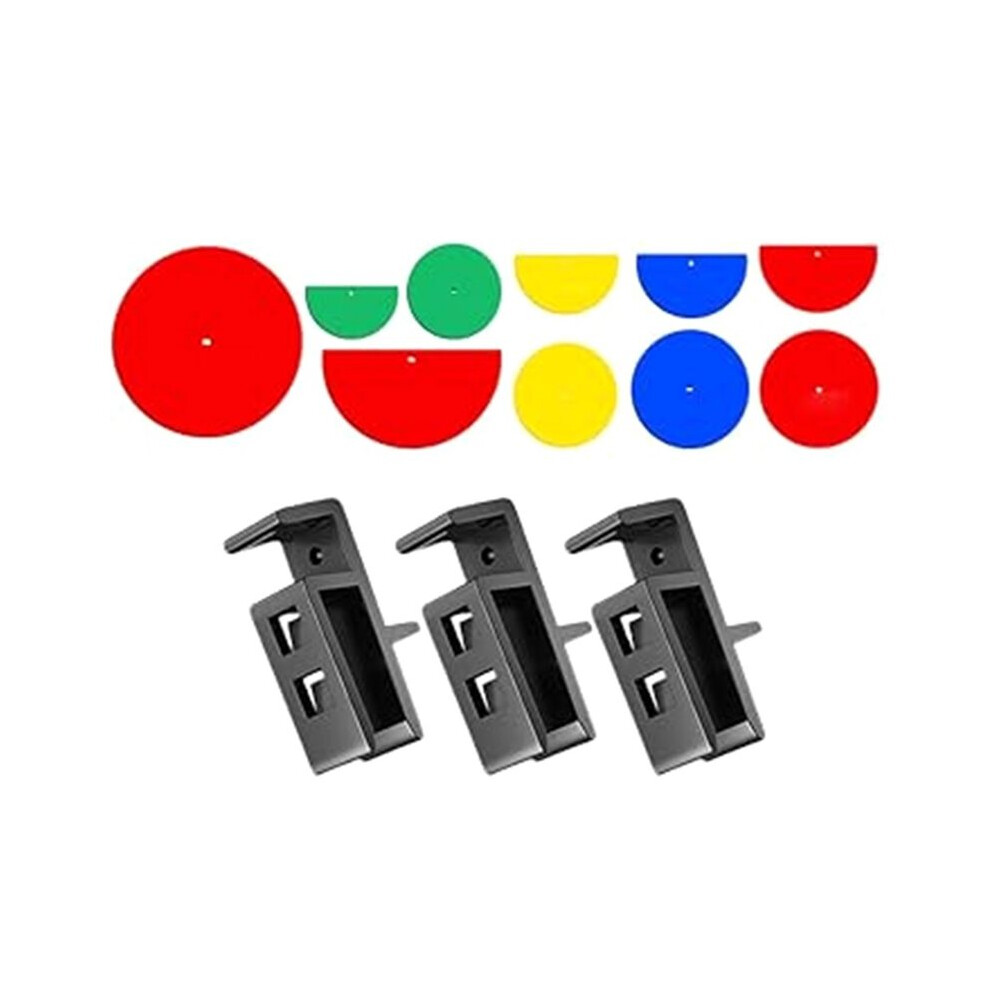
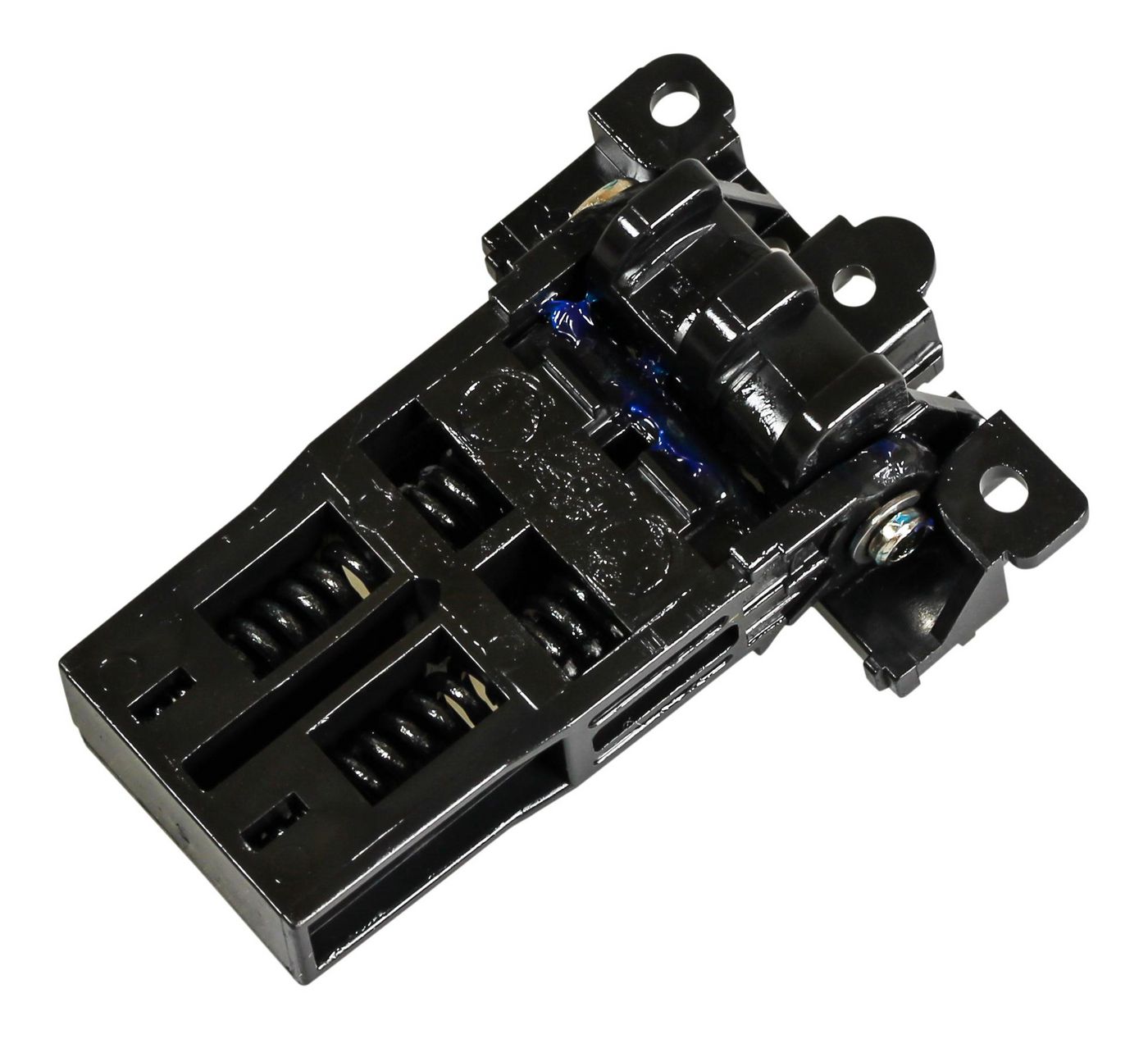
Hinges
How to choose hinges
Sub-type
Pick sub-type first: hardware accessories for boxes, hardware for doors. This drives size.
Material
Material decides longevity. Stainless steel outside, iron for look, plastic for light use.
Colour
Colour must meet existing fittings. Black or antique for rustic, gold or white for show.
Size and load
Size follows load. Jewellery hinges around 36x32mm hold a lid. Tee hinges in 12 to 24 inch lengths hold a door.
Finish
Finish care differs. Bare metal ages, painted colour can chip.
What's good
- Hardware accessories include small jewellery box hinges in gold, silver or bronze. They give a neat finish on craft or cabinet projects.
- Heavy hardware such as tee and spear hinges uses iron or steel. Those materials hold cottage doors and gates firmly.
- Stainless steel and stainless steel/silver options resist rust. Good for damp outside uses.
- Colour choice is broad: black, white, green, yellow, metallics and more. You can match period fittings or modern accents.
- Plastic or rubber hinges are light and silent. They suit thin panels where metal would add weight.
Things to watch
- Wrought iron and cast iron hinges bring period character but need oil. They rust if ignored.
- Small copper or brass hinges bend easily. They are wrong for full-size doors.
- Plastic and rubber lack load capacity. Skip them on heavy chests or gates.
- Gold or yellow finishes mark quickly. Best for display, not daily handling.
- Traditional penny end or spear shapes often need a co-ordinating latch. That adds parts to source.
Care & maintenance
Lubrication
Oil iron and steel hinges yearly with light oil.
Fixings
Check screw tension on large tee hinges each season.
Washing
Clean plastic or rubber with mild soap, then dry.
Polish
Polish silver or stainless steel/silver to keep brightness.
Frequently Asked Questions
What should I look for when buying hinges?
When shopping for hinges, consider factors such as quality, price, brand reputation, and customer reviews. Compare prices across multiple retailers to ensure you're getting the best deal. Look for products that match your specific needs and budget.
How do I choose the right hinges?
Choosing the right hinges depends on your individual needs, budget, and preferences. Research different options, read customer reviews, and compare specifications. Consider what features are most important to you and look for products that offer the best value for money.
Where can I find the best deals on hinges?
You can find the best deals on hinges by comparing prices across multiple retailers. Our price comparison tool helps you find the lowest prices from trusted UK retailers including Amazon, eBay, and other major online stores. Check regularly as prices and deals change frequently.
Are hinges products worth the investment?
The value of hinges products depends on your specific needs and how you plan to use them. Quality products from reputable brands often provide better long-term value, even if they cost more initially. Consider your budget and requirements when making your decision.
What's the difference between different types of hinges?
Different types of hinges vary in features, quality, price, and intended use. Some may offer premium features while others focus on affordability. Research the specific differences between models or brands to find the option that best suits your needs and budget.