Water Softeners
How to choose water softeners
Choose Plumbing scale control for whole-system cover, or Water Dispensing & Filtration for just the kitchen tap.
Material drives the tradeoff: iron and brass last longer, but plastic is lighter for a DIY fit.
Finish, in grey or blue/white, matters if the unit sits visible by the washing machine or sink.
Hardware like seals suits a quick fix, while electronic conditioners suit those with a spare socket.
The live grid lets you weigh the cost of each build before you commit.
What's good
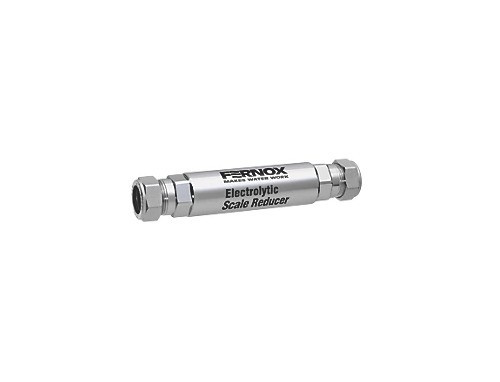
- Electronic water conditioners sit in the Plumbing sub-type and need no salt, suiting renters who cannot fit a brine tank.
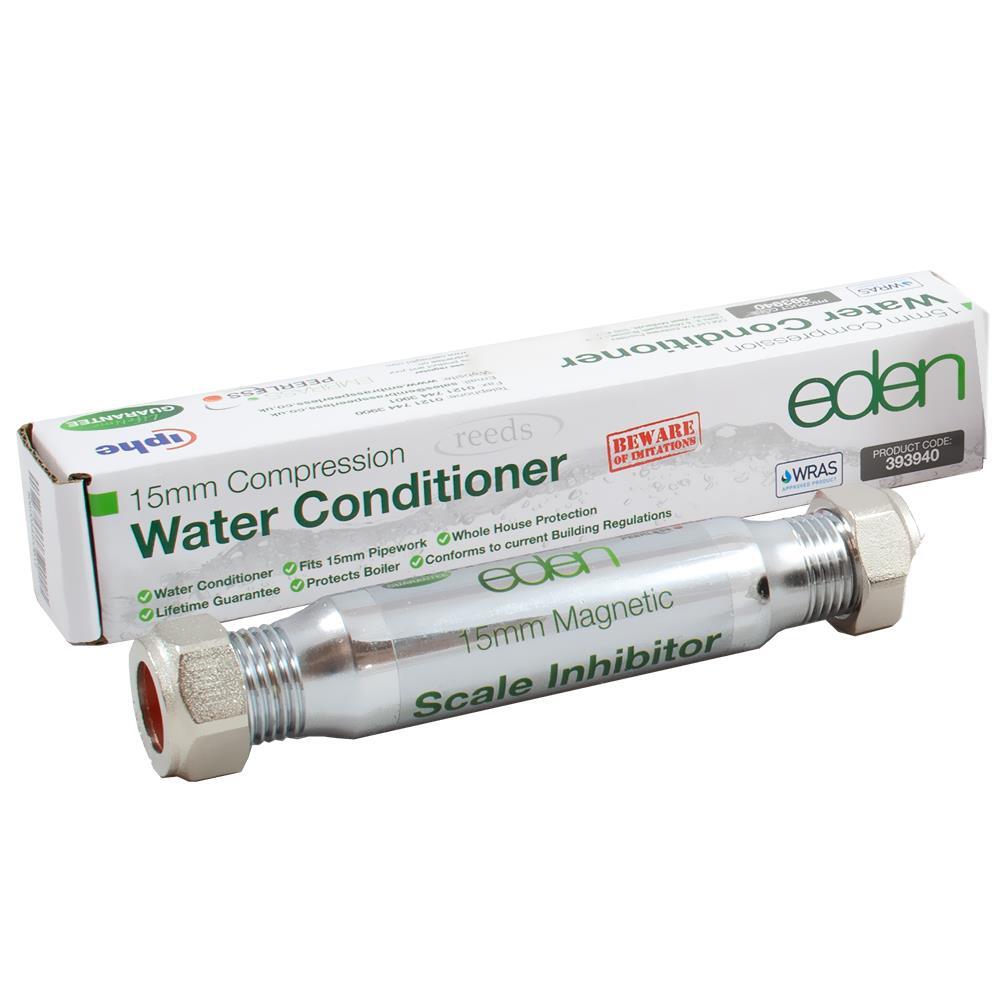
- Compression fit scale guards use brass or stainless steel and clip onto existing pipework, giving whole-home cover without power.
- Cartridge systems in Water Dispensing & Filtration catch limescale at the source, keeping taps in white, black or silver free of chalky build-up.
- Hardware fittings like seals support a tidy install, letting you fix the pipe run while sorting the water quality.
Things to watch
- Electronic units (Plumbing) draw a small current and show no soft water slip, which puts off those wanting that texture.
- Brass or cast iron guards (Hardware, Plumbing) are heavy and bulky, wrong for tight cupboards under the sink.
- Plastic-bodied items wear faster than metal under heat, so they suit cold feed only, not boiler returns.
- Cartridge tiers need swapping on a schedule, a chore the set-and-forget electronic types avoid but cannot match for physical filtration.
Care & maintenance
Wipe stainless steel and silver fittings dry to stop hard water spots.
Check compression joints on copper/plastic or brass lines every quarter for weeps.
Swap filtration cartridges on time to keep pressure steady.
Keep the coils of electronic conditioners dust free so they stay cool.
Frequently Asked Questions
What should I look for when buying water softeners?
When shopping for water softeners, consider factors such as quality, price, brand reputation, and customer reviews. Compare prices across multiple retailers to ensure you're getting the best deal. Look for products that match your specific needs and budget.
How do I choose the right water softeners?
Choosing the right water softeners depends on your individual needs, budget, and preferences. Research different options, read customer reviews, and compare specifications. Consider what features are most important to you and look for products that offer the best value for money.
Where can I find the best deals on water softeners?
You can find the best deals on water softeners by comparing prices across multiple retailers. Our price comparison tool helps you find the lowest prices from trusted UK retailers including Amazon, eBay, and other major online stores. Check regularly as prices and deals change frequently.
Are water softeners products worth the investment?
The value of water softeners products depends on your specific needs and how you plan to use them. Quality products from reputable brands often provide better long-term value, even if they cost more initially. Consider your budget and requirements when making your decision.
What's the difference between different types of water softeners?
Different types of water softeners vary in features, quality, price, and intended use. Some may offer premium features while others focus on affordability. Research the specific differences between models or brands to find the option that best suits your needs and budget.