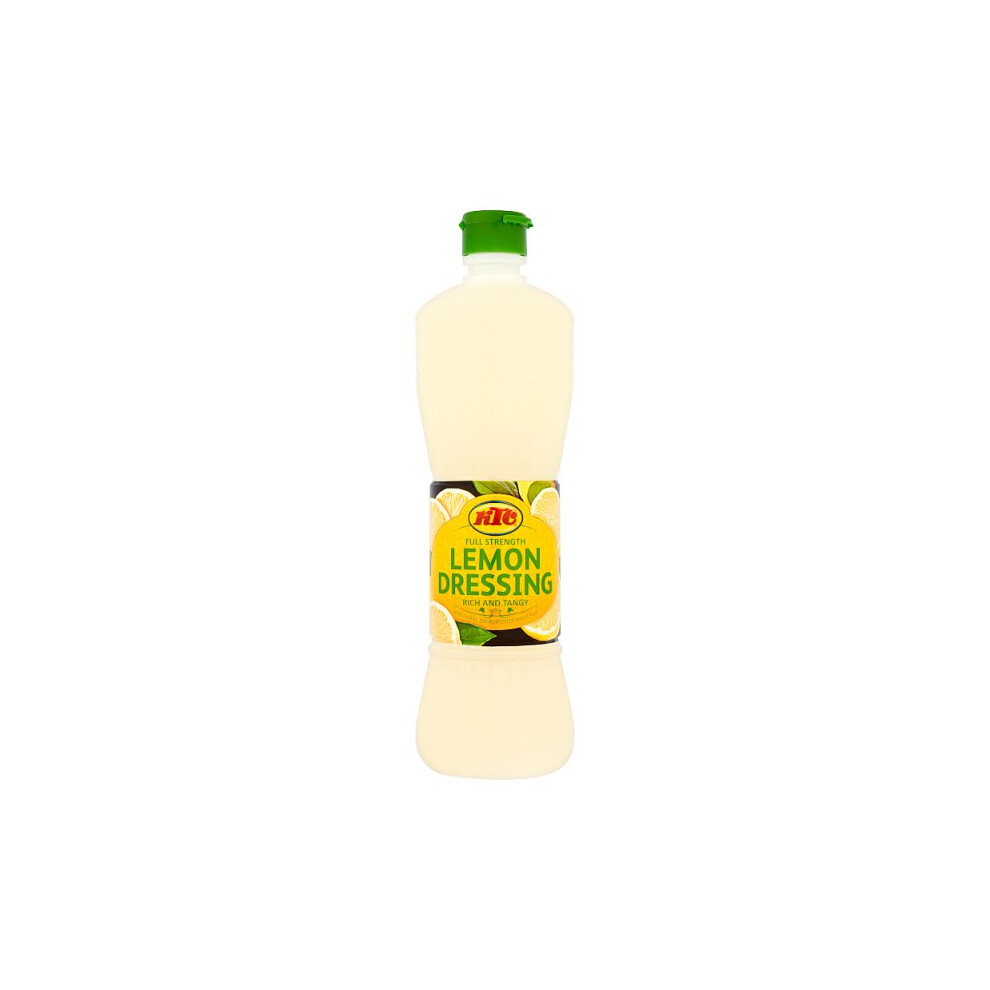
Salad Dressing
How to choose salad dressing
Colour cues
Colour cues matter. Green and yellow dressings tend to be lighter pours, while cream and orange/cream/white styles are richer and cling more.
Base and finish
Base choice: balsamic vinegar of modena gives a sharp, dark (black) finish. Salad cream gives a pale cream cling. Decide if you want tang or coating.
Meal pairing
Use case: Thousand Island and ranch styles (orange, cream, white colours) suit jacket potatoes. Yogurt and mint suits grilled meats more than cold leaves.
Tier and audience
Tier: own label Food Items cover everyday needs. Artisan marketplace sellers fit gifts. Choose based on who you feed.
Sweetness level
Sweetness: mango and maple materials add sugar. Skip them if you want a savoury peach or green note instead.
What's good
- The Salad Dressings sub-type gives you thick salad cream (cream coloured) for a clingy topping on prawns or sandwiches. It suits buyers wanting nostalgic texture over a watery pour.
- The Condiments & Sauces tier holds pourable options with a balsamic vinegar of modena base or mango notes. These offer sharp to sweet profiles for a varied home salad bar.
- The Food Items sub-type from marketplace sellers brings niche profiles such as yogurt and mint. They suit cooks wanting a dinner party piece, not just an everyday side.
Things to watch
- Salad cream is thick and sweet, while extra light tiers exist in the range for those watching intake.
- Most options here use plastic material bottles, which can split or discolour if left in warm cupboards.
- Marketplace and imported lines under the Food, Beverages & Tobacco sub-type often have slower restocks, making them wrong for last minute meal planners.
- Fruit bases like mango or maple sound versatile but clash with savoury leafy greens, suiting roasted veg more than raw salads.
Care & maintenance
Fridge storage
Keep plastic bottled dressings in the fridge after opening. This stops the cream and light colours from separating.
Stirring split dressings
Stir oil based or balsamic vinegar of modena types if the colour looks split (orange/cream/white layers).
Cap hygiene
Wipe the thread of the plastic cap to stop mould on sweet maple or mango residues.
Spoon use
Use a clean spoon for yogurt and mint sauces. Double dipping brings bacteria into the jar.
Frequently Asked Questions
What should I look for when buying salad dressing?
When shopping for salad dressing, consider factors such as quality, price, brand reputation, and customer reviews. Compare prices across multiple retailers to ensure you're getting the best deal. Look for products that match your specific needs and budget.
How do I choose the right salad dressing?
Choosing the right salad dressing depends on your individual needs, budget, and preferences. Research different options, read customer reviews, and compare specifications. Consider what features are most important to you and look for products that offer the best value for money.
Where can I find the best deals on salad dressing?
You can find the best deals on salad dressing by comparing prices across multiple retailers. Our price comparison tool helps you find the lowest prices from trusted UK retailers including Amazon, eBay, and other major online stores. Check regularly as prices and deals change frequently.
Are salad dressing products worth the investment?
The value of salad dressing products depends on your specific needs and how you plan to use them. Quality products from reputable brands often provide better long-term value, even if they cost more initially. Consider your budget and requirements when making your decision.
What's the difference between different types of salad dressing?
Different types of salad dressing vary in features, quality, price, and intended use. Some may offer premium features while others focus on affordability. Research the specific differences between models or brands to find the option that best suits your needs and budget.