Gas Detectors
How to choose gas detectors
Sub-type first
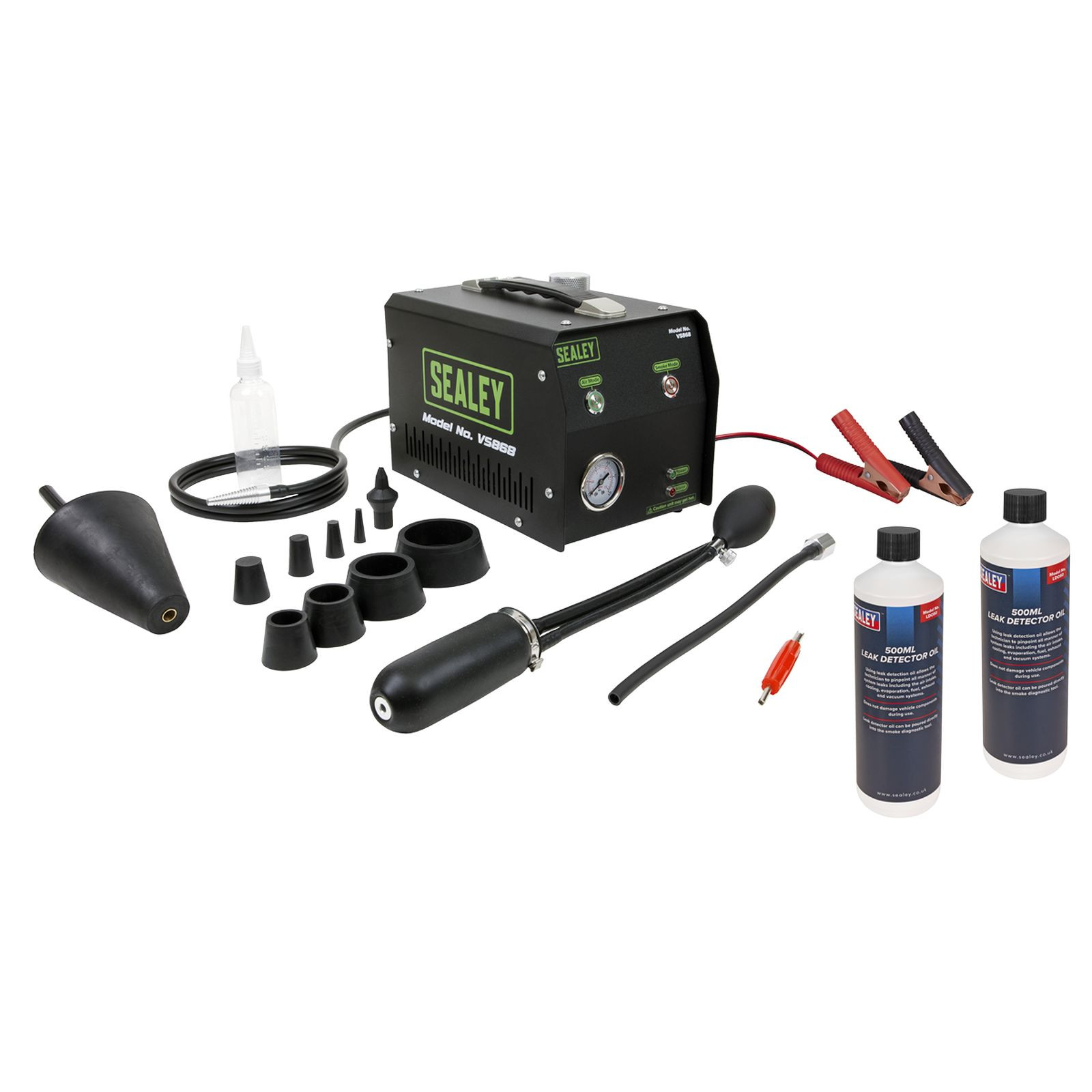
Choose sub-type: Gas Detection Tools for dedicated detectors, Measuring Tools & Sensors for readouts, Hardware for adapters.
Build material
Material tradeoff: plastic for light use, metal/plastic or copper for tough sites, gold or alpha for specific looks.
Colour and placement
Colour shapes placement: white or black for homes, red or orange for vans and sites.
Power source
Power: 12V fixed natural gas units versus cordless compact sniffers for cars and trucks.
Gas target
Target gas: natural and soporific for homes, refrigerant R22 R410a for HVAC, intake adapters for engine leaks.
What's good
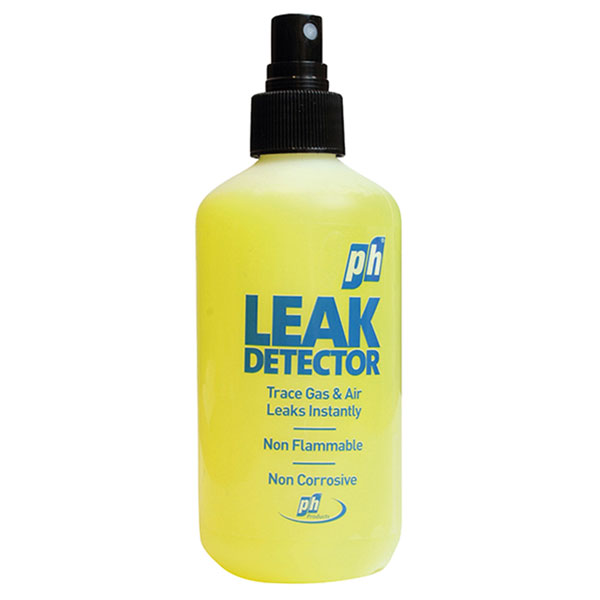
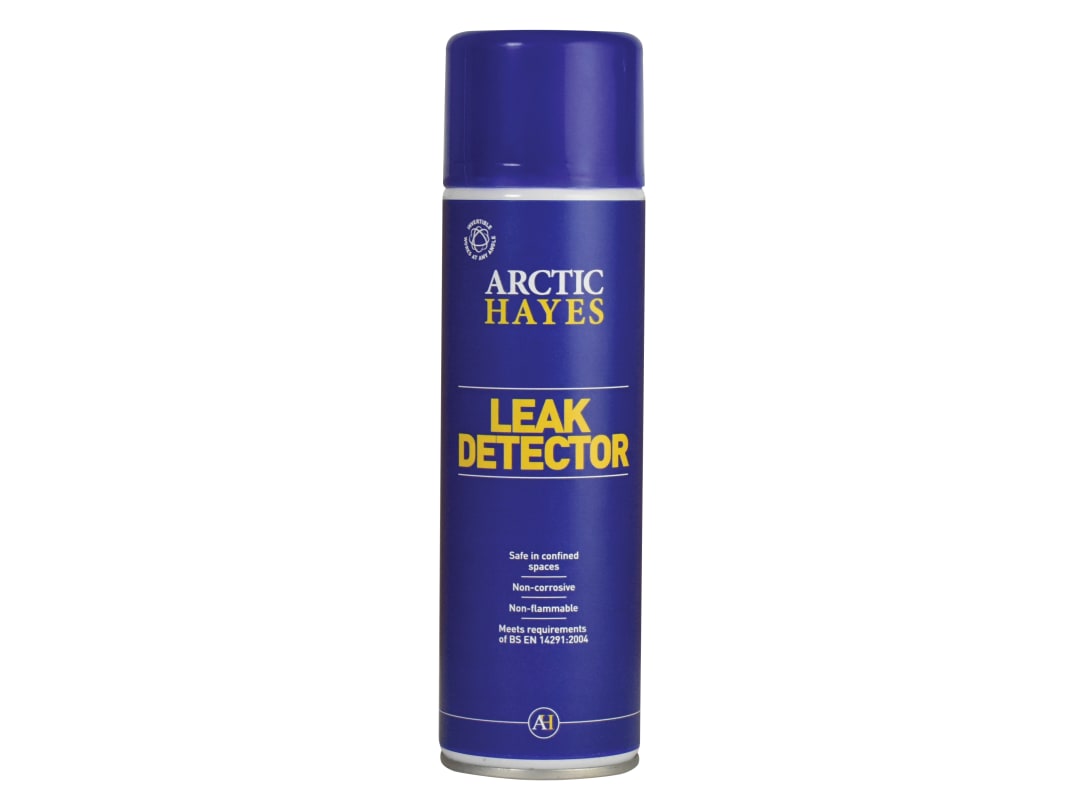
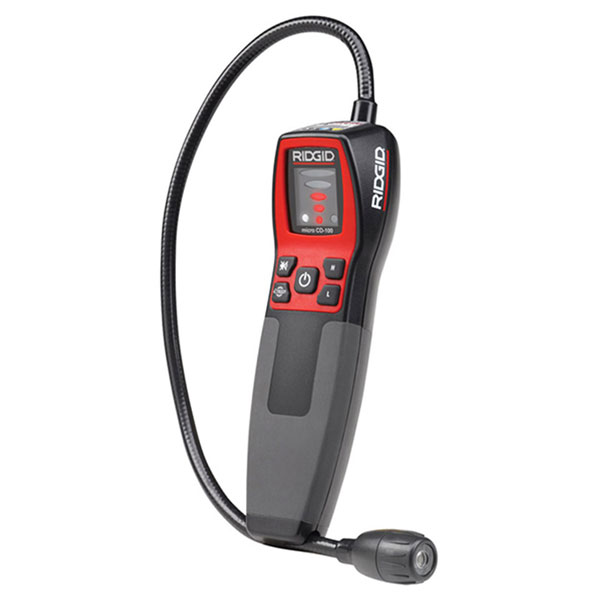
- Gas Detection Tools include compact, high-sensitivity leak detectors for quick home checks.
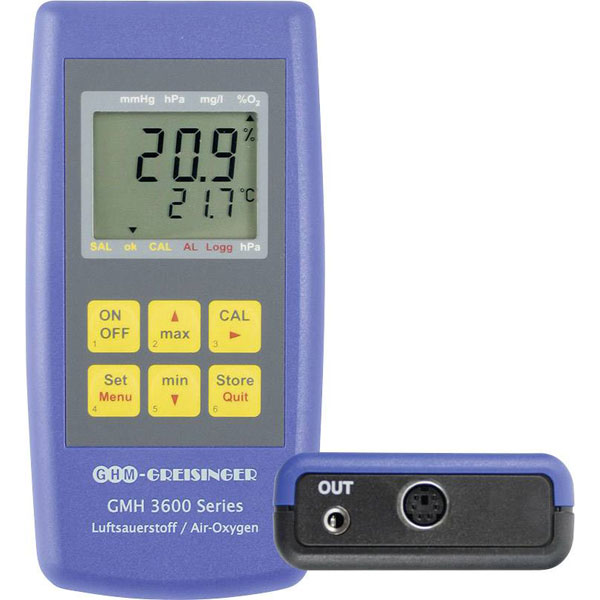
- Measuring Tools & Sensors covers LCD halogen sniffers that show levels for HVAC and auto work.
- Fixed 12V natural gas detectors give continuous monitoring in kitchens or boiler rooms.
- Plastic and polypropylene bodies keep weight low, while metal or plastic/metal builds take knocks.
- Hardware like universal silicone intake adapters fit many vehicles without custom parts.
Things to watch
- Lightweight plastic units are easy to carry but less rugged than metal/plastic trade kit.
- Wired 12V detectors need a power point, so they are wrong for roadside use.
- LCD sniffers add detail but are more complex than alarm-only units, overkill for one room.
- Zone repeaters extend fire alerts but are not standalone gas detectors, so a main sensor is still needed.
- Red or orange colours aid site visibility yet may clash with home decor.
Care & maintenance
Surface care
Wipe plastic or polypropylene cases with a dry cloth, keeping solvents off the surface.
Joint checks
Check metal/plastic joints on trade detectors for dust after refrigerant or intake jobs.
Power check
For 12V fixed units, glance at the work indicator light now and then to confirm power.
Adapter storage
Keep silicone adapters away from heat to retain their temperature resistance.
Frequently Asked Questions
What should I look for when buying gas detectors?
When shopping for gas detectors, consider factors such as quality, price, brand reputation, and customer reviews. Compare prices across multiple retailers to ensure you're getting the best deal. Look for products that match your specific needs and budget.
How do I choose the right gas detectors?
Choosing the right gas detectors depends on your individual needs, budget, and preferences. Research different options, read customer reviews, and compare specifications. Consider what features are most important to you and look for products that offer the best value for money.
Where can I find the best deals on gas detectors?
You can find the best deals on gas detectors by comparing prices across multiple retailers. Our price comparison tool helps you find the lowest prices from trusted UK retailers including Amazon, eBay, and other major online stores. Check regularly as prices and deals change frequently.
Are gas detectors products worth the investment?
The value of gas detectors products depends on your specific needs and how you plan to use them. Quality products from reputable brands often provide better long-term value, even if they cost more initially. Consider your budget and requirements when making your decision.
What's the difference between different types of gas detectors?
Different types of gas detectors vary in features, quality, price, and intended use. Some may offer premium features while others focus on affordability. Research the specific differences between models or brands to find the option that best suits your needs and budget.