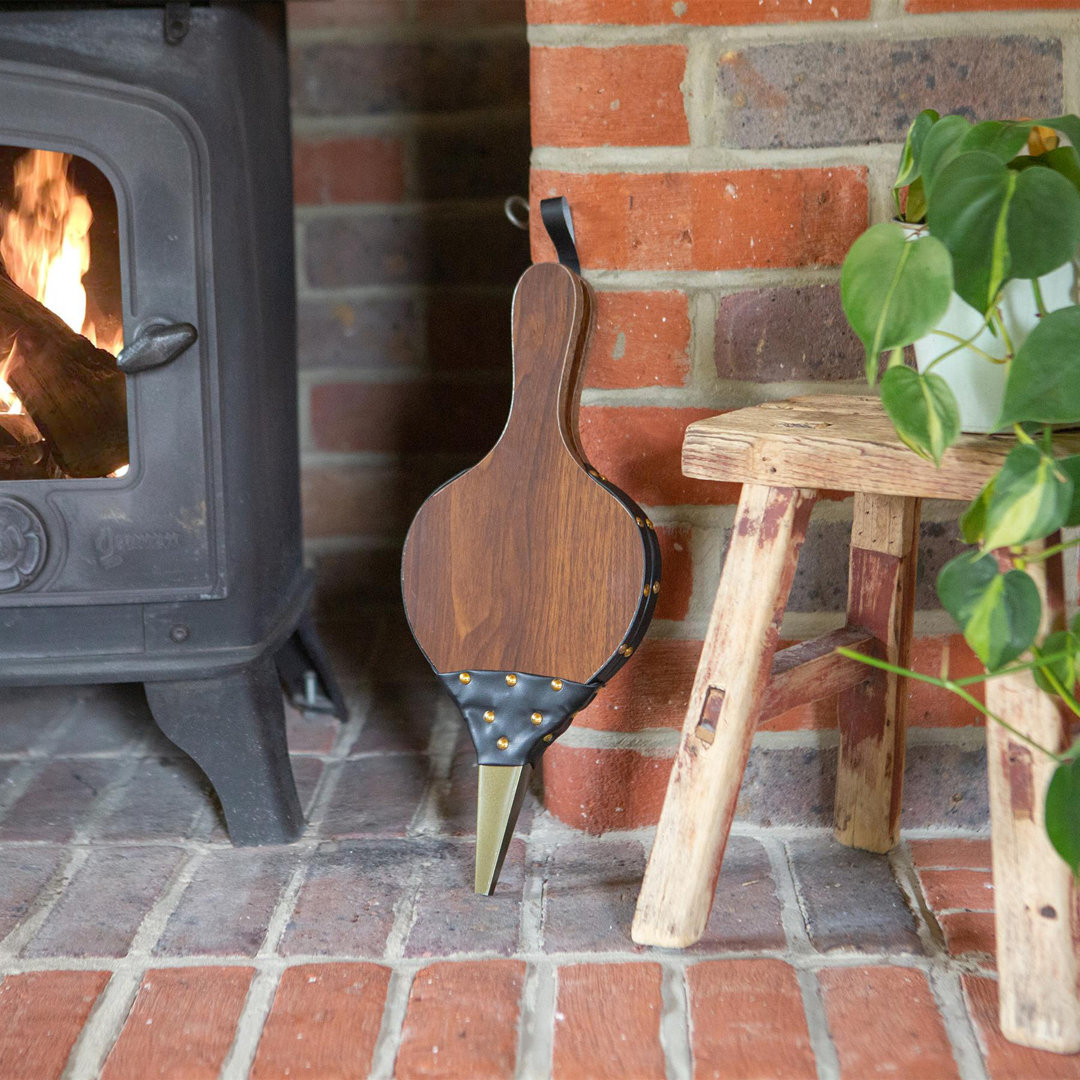
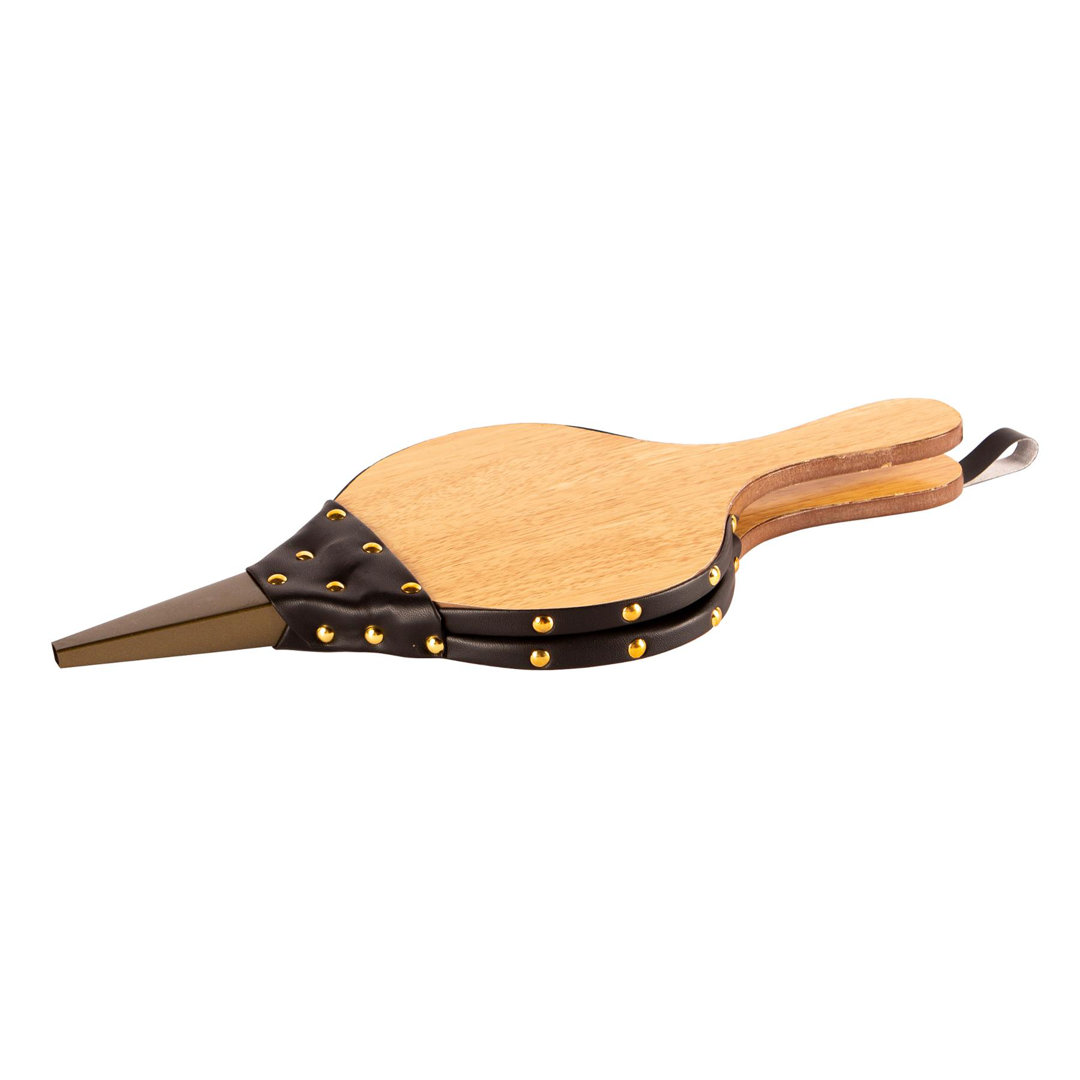
Bellows
How to choose bellows
Considerations
First, decide between fireplace and wood stove accessory use and broader home and garden display, as the sub-types differ in focus.
Considerations
Material choice splits the range: wood/leather feels traditional but needs upkeep, while wood/leather/metal adds heft for durability.
Considerations
Colour is a practical call. Tan or brown brightens a room but soils fast; dark olive or dark/brown hides grime near a fire.
Considerations
Maple builds offer a pale finish that stands out, yet they demand the same heat protection as other wood types.
Considerations
Once you weigh these, the listings below let you filter by the exact material and colour you need.
What's good
- Fireplace and wood stove accessory bellows give precise airflow to coax a stubborn fire without leaning into smoke.
- Wood and leather builds bring a classic look that suits older hearths and cabin interiors.
- Maple or wood/leather/metal constructions hold their shape better after months of use than soft leather alone.
- Dark olive and tan colour options let you match a bellows to either a modern stove corner or a traditional mantel.
- Home and garden sub-type bellows suit buyers wanting a rustic accent as well as a way to puff a fire.
Things to watch
- Wood-only models can crack if stored too close to a hot stove, so they need careful placement.
- Leather-inclusive tiers (wood/leather, wood/leather/metal) may stretch with age and lose a tight seal.
- Tan and brown finishes show ash and soot more readily than darker shades, meaning more wiping.
- Wood/leather/metal bellows weigh more in the hand, which tires the arm during long barbecue sessions.
- Fireplace and wood stove types are single-purpose; they will not double as garden or craft tools.
Care & maintenance
Maintenance
Keep wooden and maple parts away from direct heat to stop them drying out.
Maintenance
Wipe leather panels with a damp cloth after each use, then air dry.
Maintenance
Check metal components on wood/leather/metal bellows for rust if they get damp.
Maintenance
Store flat or hung in a dry place to preserve the bellows shape.
Frequently Asked Questions
What should I look for when buying bellows?
When shopping for bellows, consider factors such as quality, price, brand reputation, and customer reviews. Compare prices across multiple retailers to ensure you're getting the best deal. Look for products that match your specific needs and budget.
How do I choose the right bellows?
Choosing the right bellows depends on your individual needs, budget, and preferences. Research different options, read customer reviews, and compare specifications. Consider what features are most important to you and look for products that offer the best value for money.
Where can I find the best deals on bellows?
You can find the best deals on bellows by comparing prices across multiple retailers. Our price comparison tool helps you find the lowest prices from trusted UK retailers including Amazon, eBay, and other major online stores. Check regularly as prices and deals change frequently.
Are bellows products worth the investment?
The value of bellows products depends on your specific needs and how you plan to use them. Quality products from reputable brands often provide better long-term value, even if they cost more initially. Consider your budget and requirements when making your decision.
What's the difference between different types of bellows?
Different types of bellows vary in features, quality, price, and intended use. Some may offer premium features while others focus on affordability. Research the specific differences between models or brands to find the option that best suits your needs and budget.