Primers
How to choose primers
Pick a sub-type first: Building, Painting, or Hardware
Pick a sub-type first. Building Consumables for structural prep, Painting Consumables for decorative coats, Hardware for metal etching.
Match the material axis: wood, metal, plastic, or combos
Match the material axis next. Wood, metal, plastic, or combos like wood/metal/plastic each fit different jobs.
Choose colour: clear, white, red, grey, and more
Colour is a real decision. Clear keeps the natural look, white suits light finishes, red or grey mark anti-rust use.
Dedicated surface vs multi-surface primer
Choose dedicated versus multi-surface. A wood-only primer is limited, while wood/metal/plastic covers more.
Check undercoat requirement in Painting Consumables
See if your topcoat needs an undercoat step. Some Painting Consumables include it, others leave it separate.
What's good
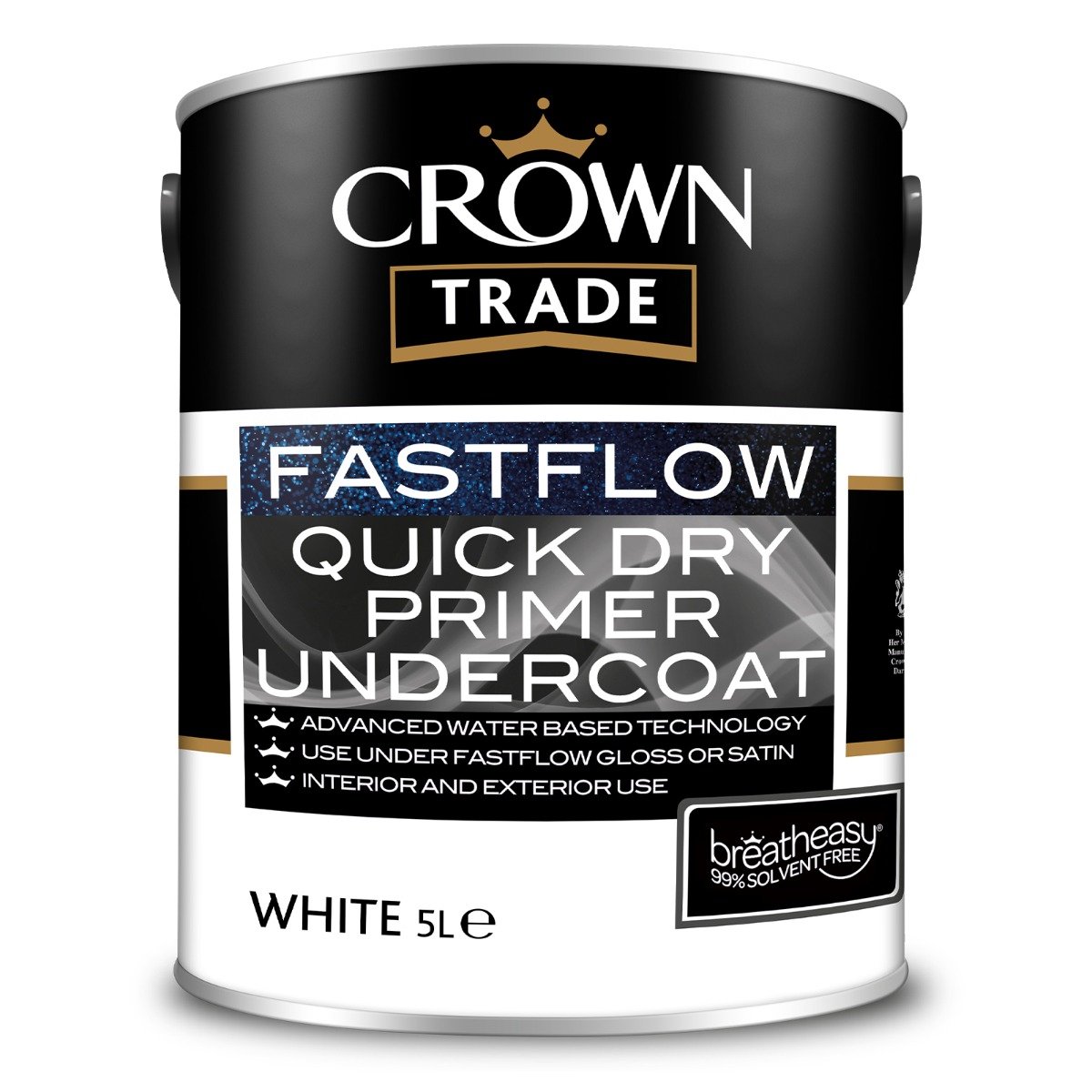
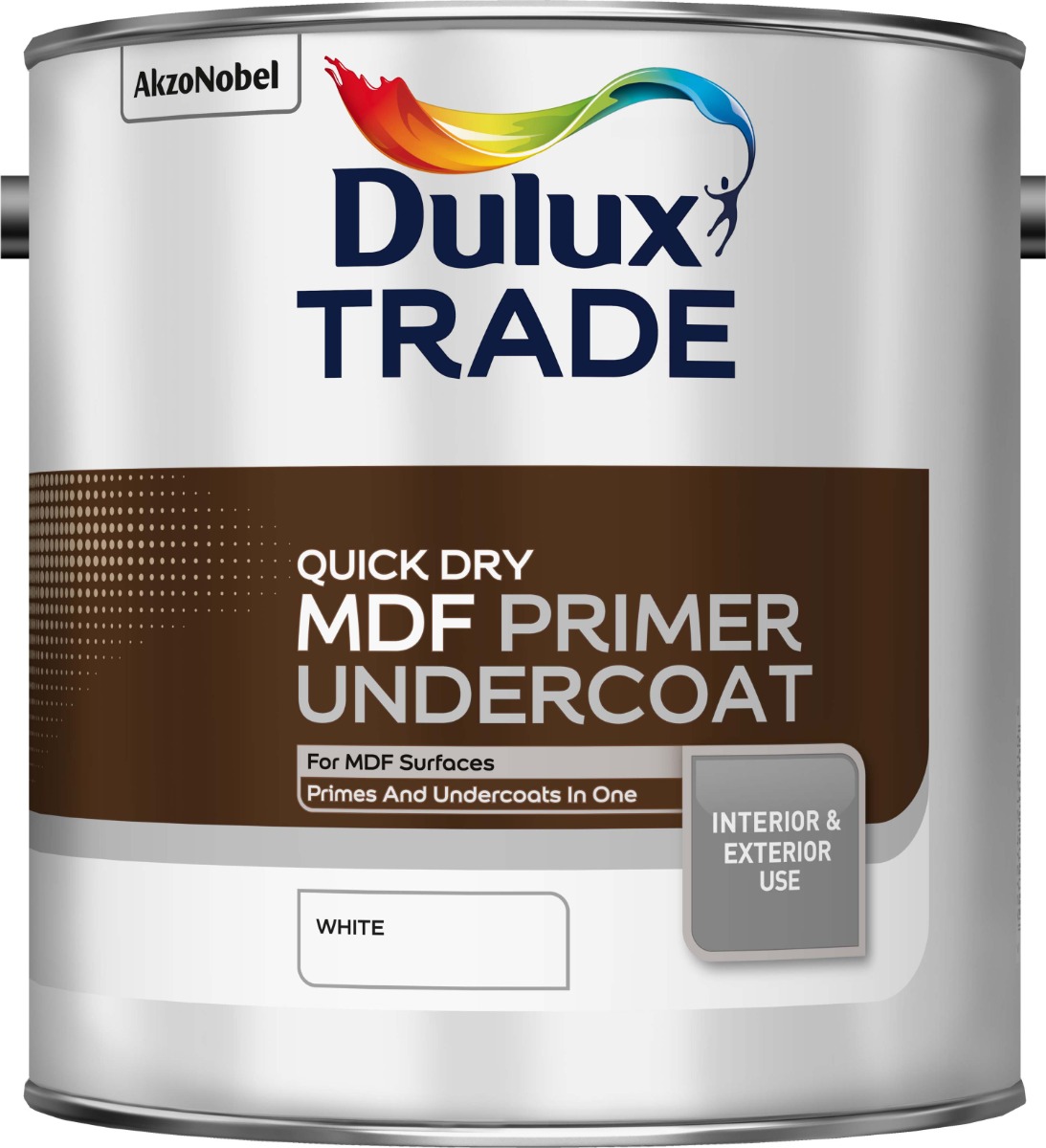
- Painting Consumables in this range often pair primer with undercoat. That cuts a step on wood or metal jobs.
- Clear colour primers shield wood grain without changing the tone. Good for natural finishes.
- Wood/metal/plastic material types handle mixed surfaces from one tin. Sheds and furniture benefit.
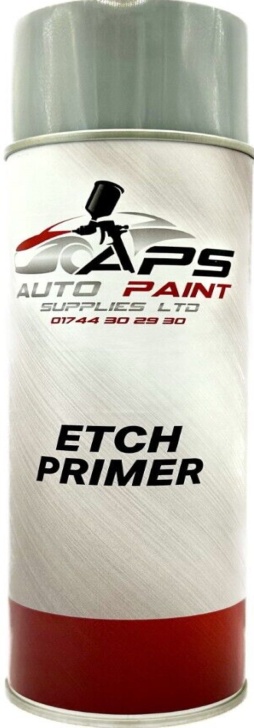
- Hardware primers cover steel and metal substrates. They etch bare surfaces for proper topcoat grip.
- Building Consumables suit broader prep tasks. Useful when many areas need sealing before paint.
Things to watch
- Wood-only primers fail on plastic or steel. You need a different material axis for those.
- Red or dark/grey tints show under pale topcoats. Extra layers may be needed to hide them.
- Clear primers offer no hiding power. They will not cover stains on old painted surfaces.
- Hardware etch primers need matching topcoat systems. Wrong pick for a simple indoor refresh.
- Multi-surface primers trade some peak adhesion for convenience. Dedicated metal types from Hardware bond harder.
Care & maintenance
Stir pigmented primers
Stir pigmented red or grey primers before use. Settlement happens in the can.
Seal lids on clear and coloured primers
Keep lids tight on clear and coloured types. Skinning wastes material.
Clean tools by base type
Clean tools with the correct solvent for acrylic or polyurethane bases. Check your sub-type label.
Dry storage for metal primers
Store tins in a dry spot. Metal primers in Hardware suffer if moisture enters.
Frequently Asked Questions
What should I look for when buying primers?
When shopping for primers, consider factors such as quality, price, brand reputation, and customer reviews. Compare prices across multiple retailers to ensure you're getting the best deal. Look for products that match your specific needs and budget.
How do I choose the right primers?
Choosing the right primers depends on your individual needs, budget, and preferences. Research different options, read customer reviews, and compare specifications. Consider what features are most important to you and look for products that offer the best value for money.
Where can I find the best deals on primers?
You can find the best deals on primers by comparing prices across multiple retailers. Our price comparison tool helps you find the lowest prices from trusted UK retailers including Amazon, eBay, and other major online stores. Check regularly as prices and deals change frequently.
Are primers products worth the investment?
The value of primers products depends on your specific needs and how you plan to use them. Quality products from reputable brands often provide better long-term value, even if they cost more initially. Consider your budget and requirements when making your decision.
What's the difference between different types of primers?
Different types of primers vary in features, quality, price, and intended use. Some may offer premium features while others focus on affordability. Research the specific differences between models or brands to find the option that best suits your needs and budget.