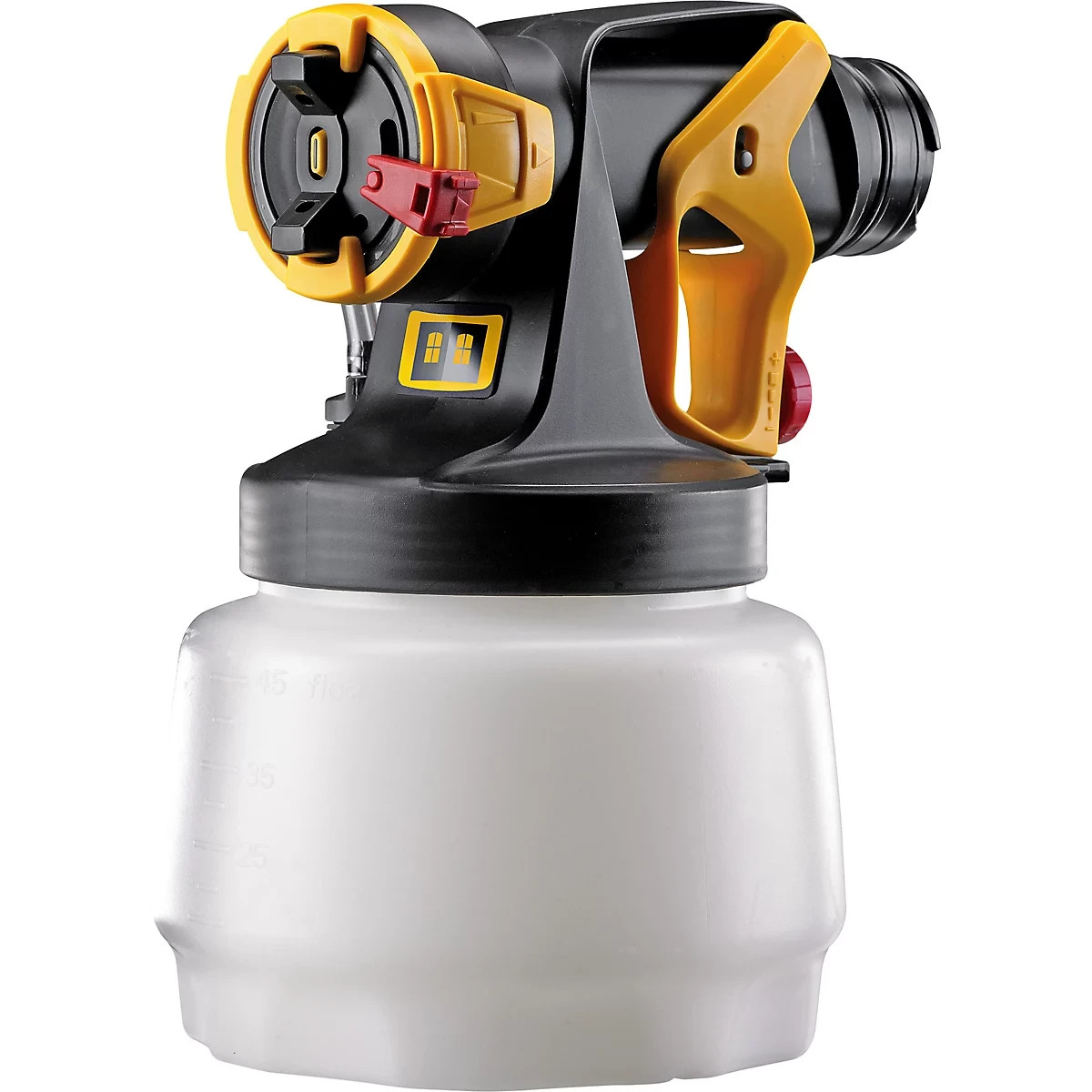
Paint Tools
How to choose paint tools
Handle material
wood for control, plastic for lightness. Pick by how long you'll hold the tool.
Applicator type
a brush for edges, a roller for area, a sprayer for speed. Each needs different prep.
Bristle or cover material
nylon and polyester appear in the range, as do acrylic and silicone for other finishes.
Colour
handles come in white, black, blue, red, and more. Choose for visibility, not function.
Hardware vs Painting Tools
Hardware versus Painting Tools: separate supports from applicators. Check they fit before you buy.
What's good
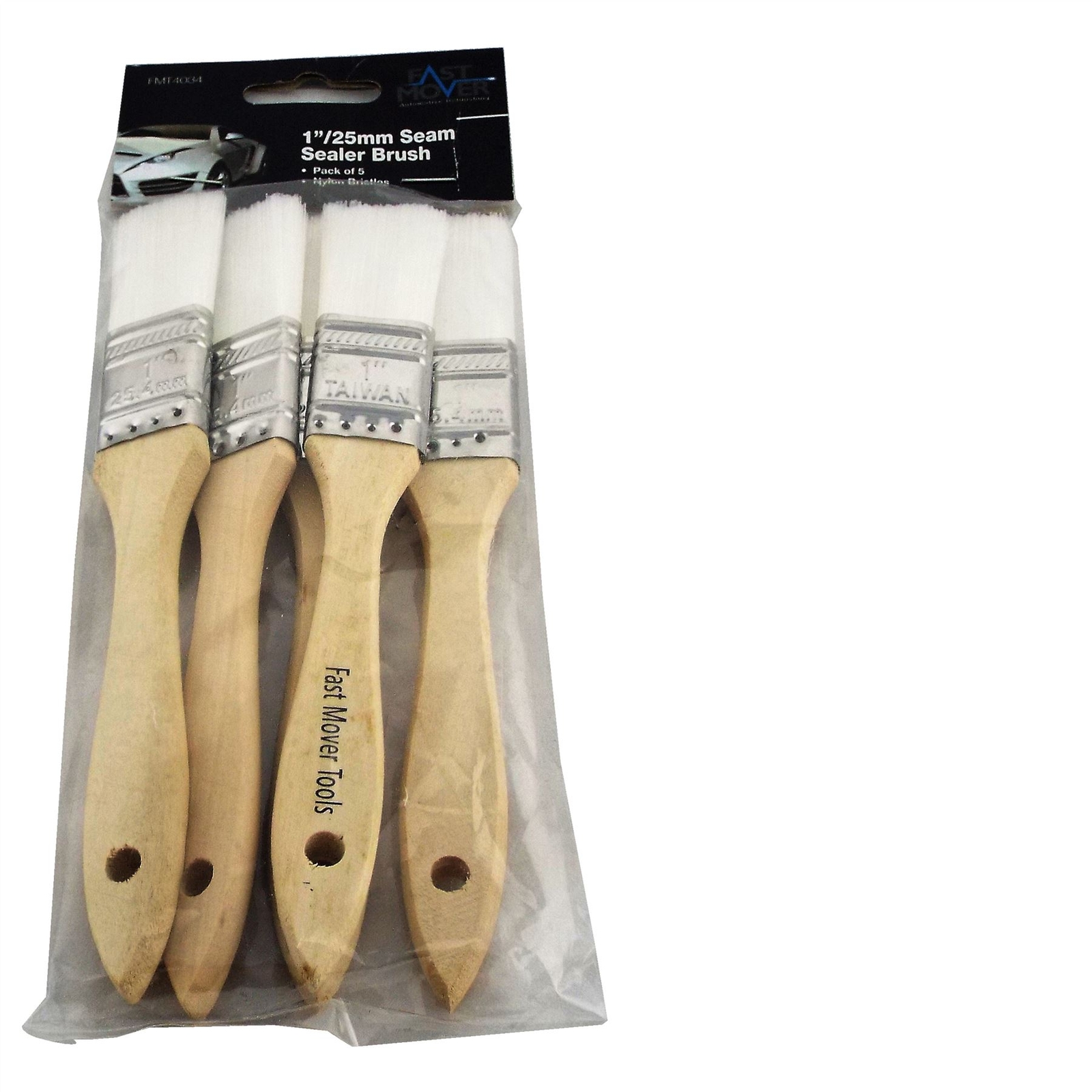
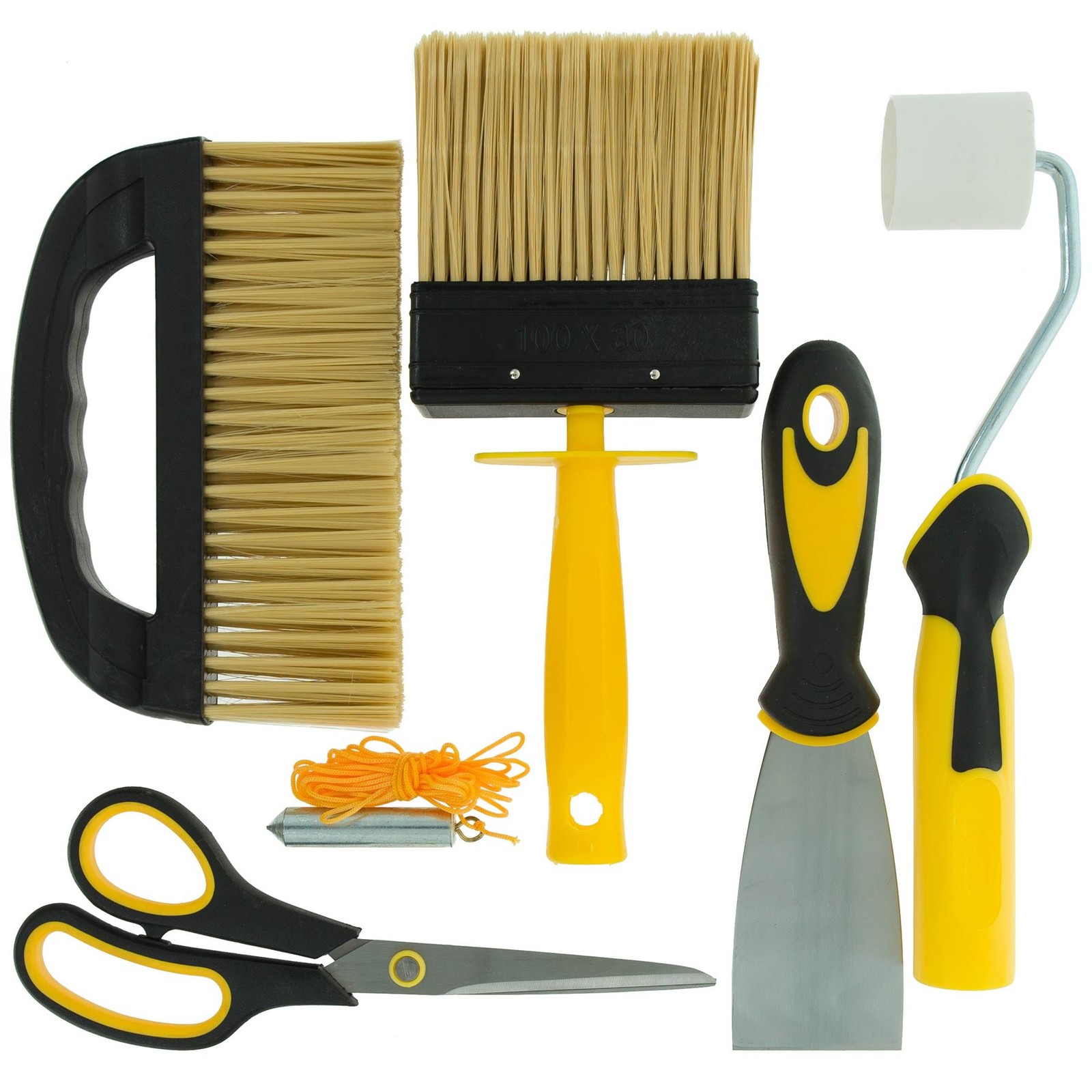
- Paint brushes with wood handles give a balanced grip for steady strokes. They suit trim and detail work.
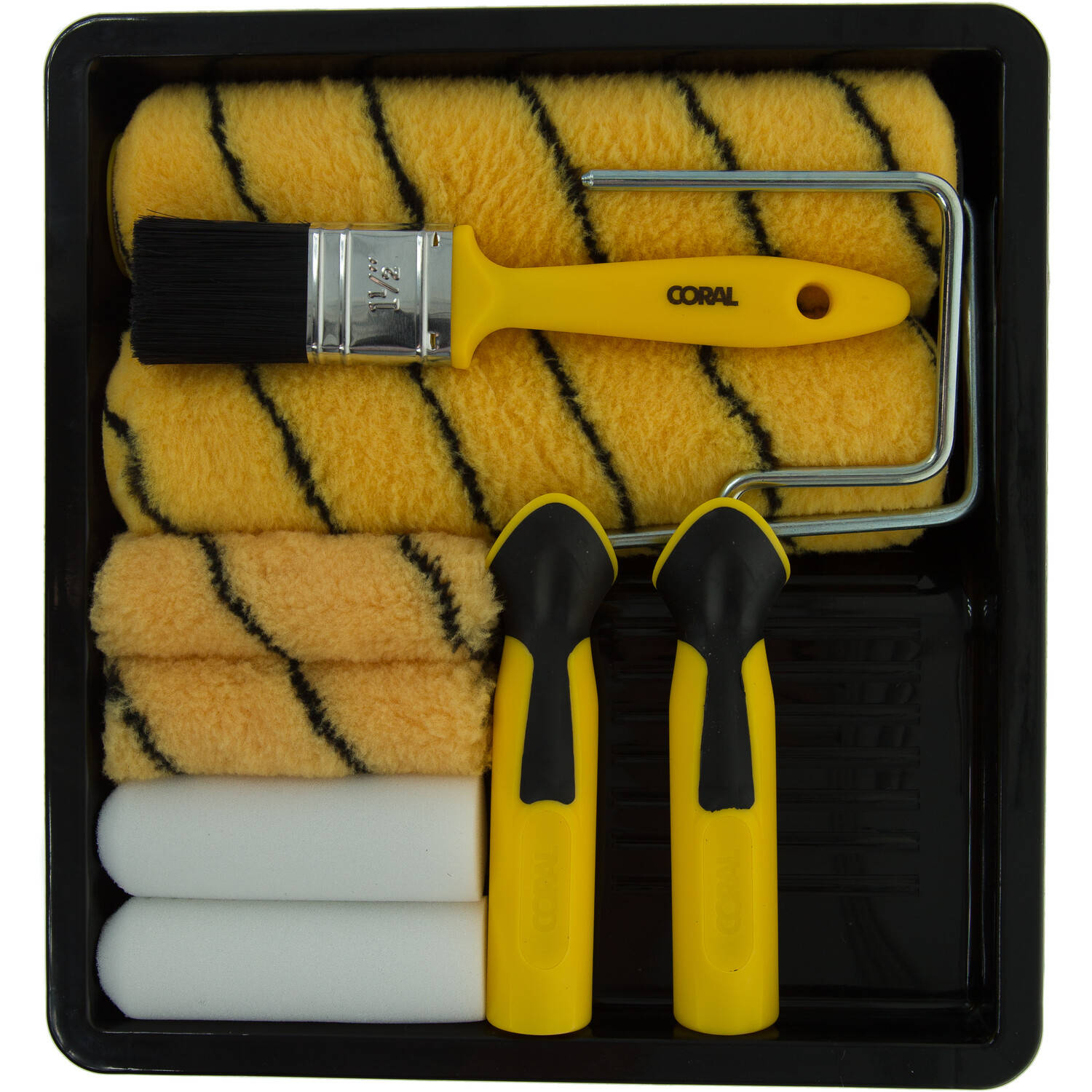
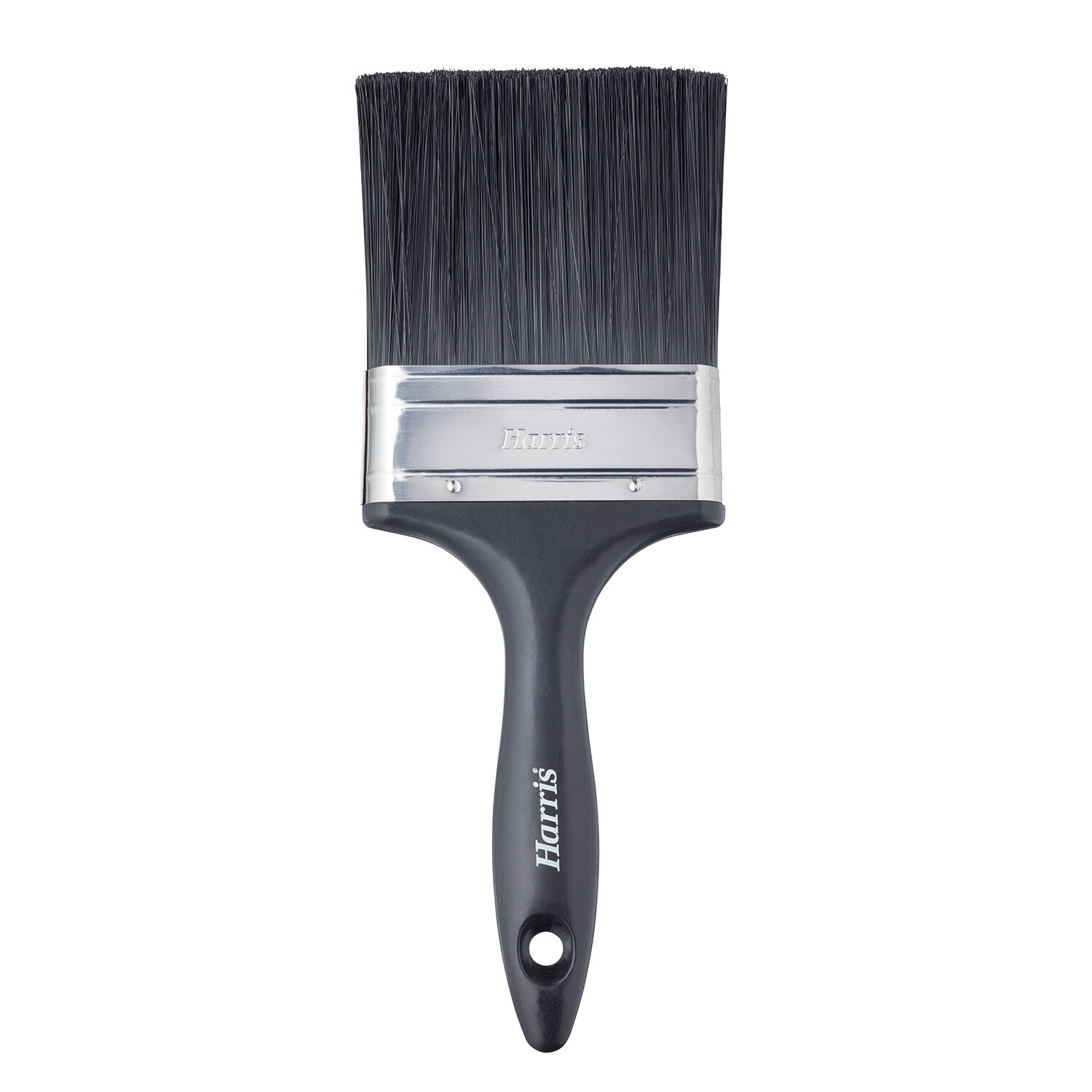
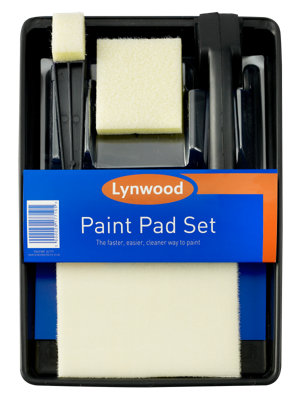
- Plastic-handled brushes and roller trays keep weight down on long jobs. They resist staining from most coatings.
- Rollers cover broad flat surfaces far quicker than a brush. They suit walls and ceilings.
- Synthetic bristles (nylon or polyester) clean easily under a tap. They are ready to reuse without harsh solvents.
Things to watch
- Wood handles need dry storage, as they warp if left damp.
- Plastic handles can flex when pushing thick paint. They are wrong for heavy scraping.
- Rollers leave a stippled finish. They are not ideal on smooth doors.
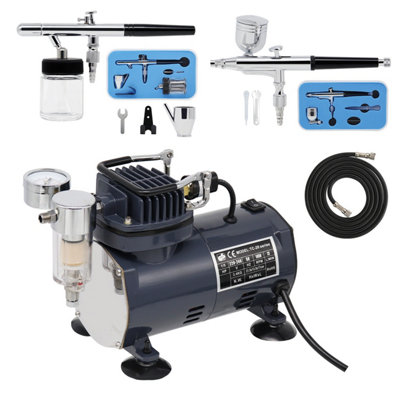
- Powered sprayers sit in the Tools sub-type. They demand masking and good airflow, and are overkill for a single small repair.
Care & maintenance
Rinse synthetic brushes
Rinse nylon and polyester brushes in water, then reshape the head.
Dry metal frames
Dry metal roller frames after washing to avoid rust. Stainless steel versions cope better.
Store wood handles dry
Store wood-handled items in a dry cupboard, away from damp floors.
Frequently Asked Questions
What should I look for when buying paint tools?
When shopping for paint tools, consider factors such as quality, price, brand reputation, and customer reviews. Compare prices across multiple retailers to ensure you're getting the best deal. Look for products that match your specific needs and budget.
How do I choose the right paint tools?
Choosing the right paint tools depends on your individual needs, budget, and preferences. Research different options, read customer reviews, and compare specifications. Consider what features are most important to you and look for products that offer the best value for money.
Where can I find the best deals on paint tools?
You can find the best deals on paint tools by comparing prices across multiple retailers. Our price comparison tool helps you find the lowest prices from trusted UK retailers including Amazon, eBay, and other major online stores. Check regularly as prices and deals change frequently.
Are paint tools products worth the investment?
The value of paint tools products depends on your specific needs and how you plan to use them. Quality products from reputable brands often provide better long-term value, even if they cost more initially. Consider your budget and requirements when making your decision.
What's the difference between different types of paint tools?
Different types of paint tools vary in features, quality, price, and intended use. Some may offer premium features while others focus on affordability. Research the specific differences between models or brands to find the option that best suits your needs and budget.