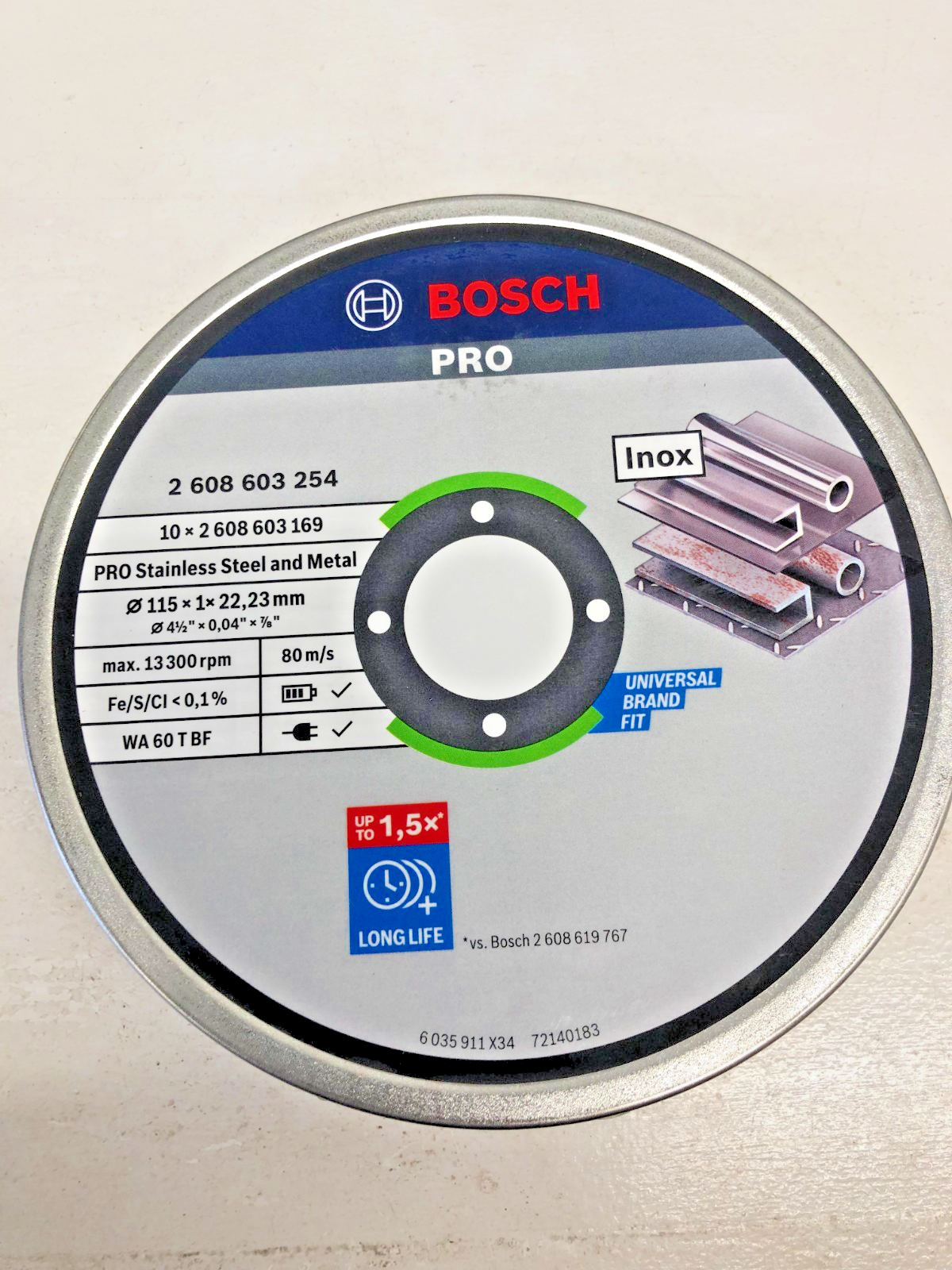
Tool Blades
How to choose tool blades
Material match
wood/metal blades handle mixed DIY, while porcelain or steel types suit single trade jobs.
Sub-type fit
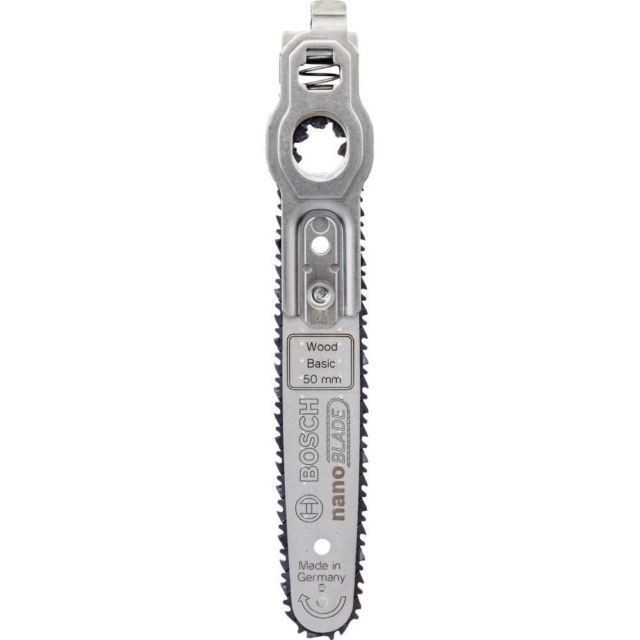
saw blades mount to power tools, hardware spares fix manual frames, cutter blades fit rotary or reciprocating hosts.
Tooth count
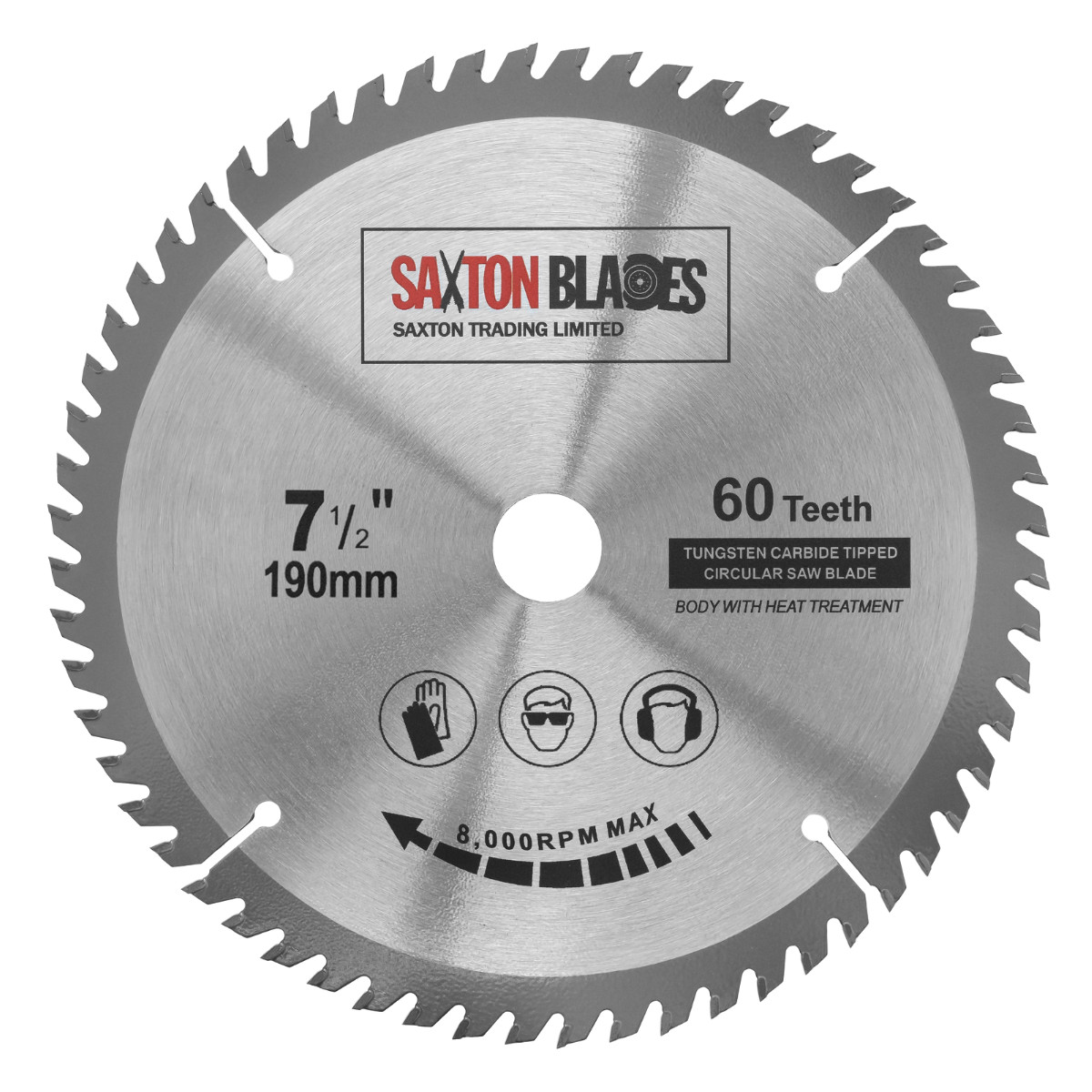
20T clears thick stock fast, 40T gives clean edges on veneer. Pick the pack for your usual timber.
Tier colour
green consumer lines suit occasional plastic and softwood, blue or cobalt pro lines take daily steel and hardwood.
Body build
stainless steel resists shed damp, plain steel needs drying after each use.
What's good
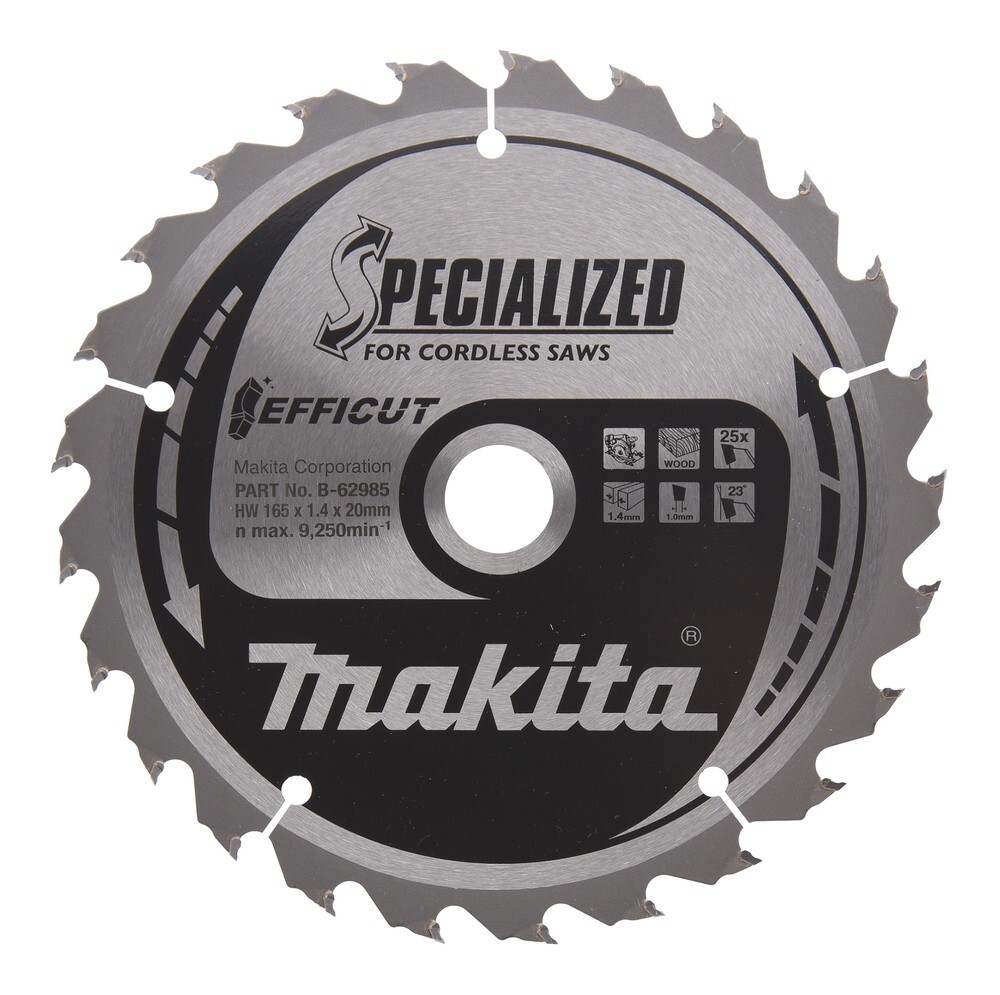
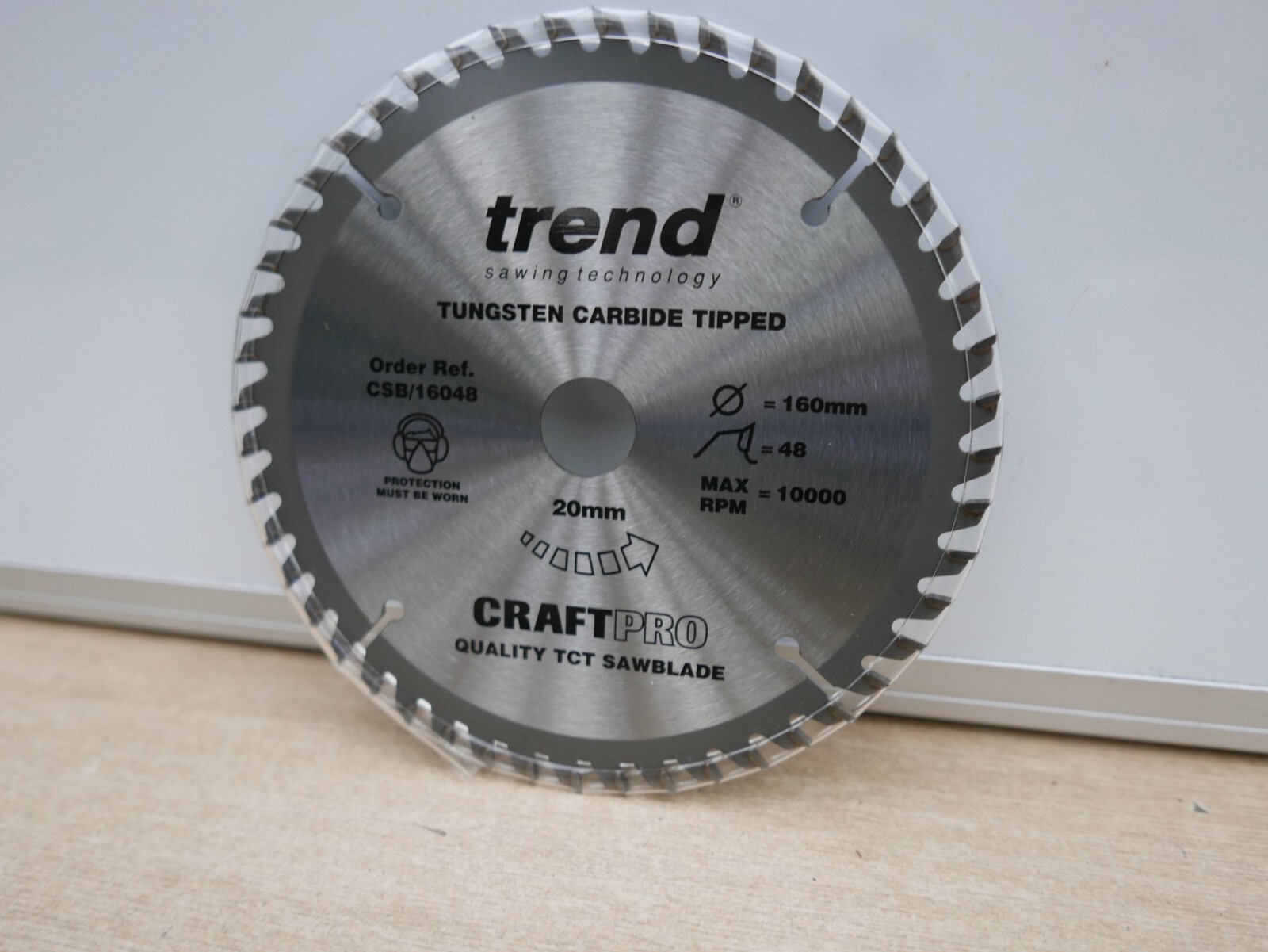
- Blade sets with mixed tooth counts (20T, 24T, 40T) let one purchase cover rough demolition and fine finish cuts.
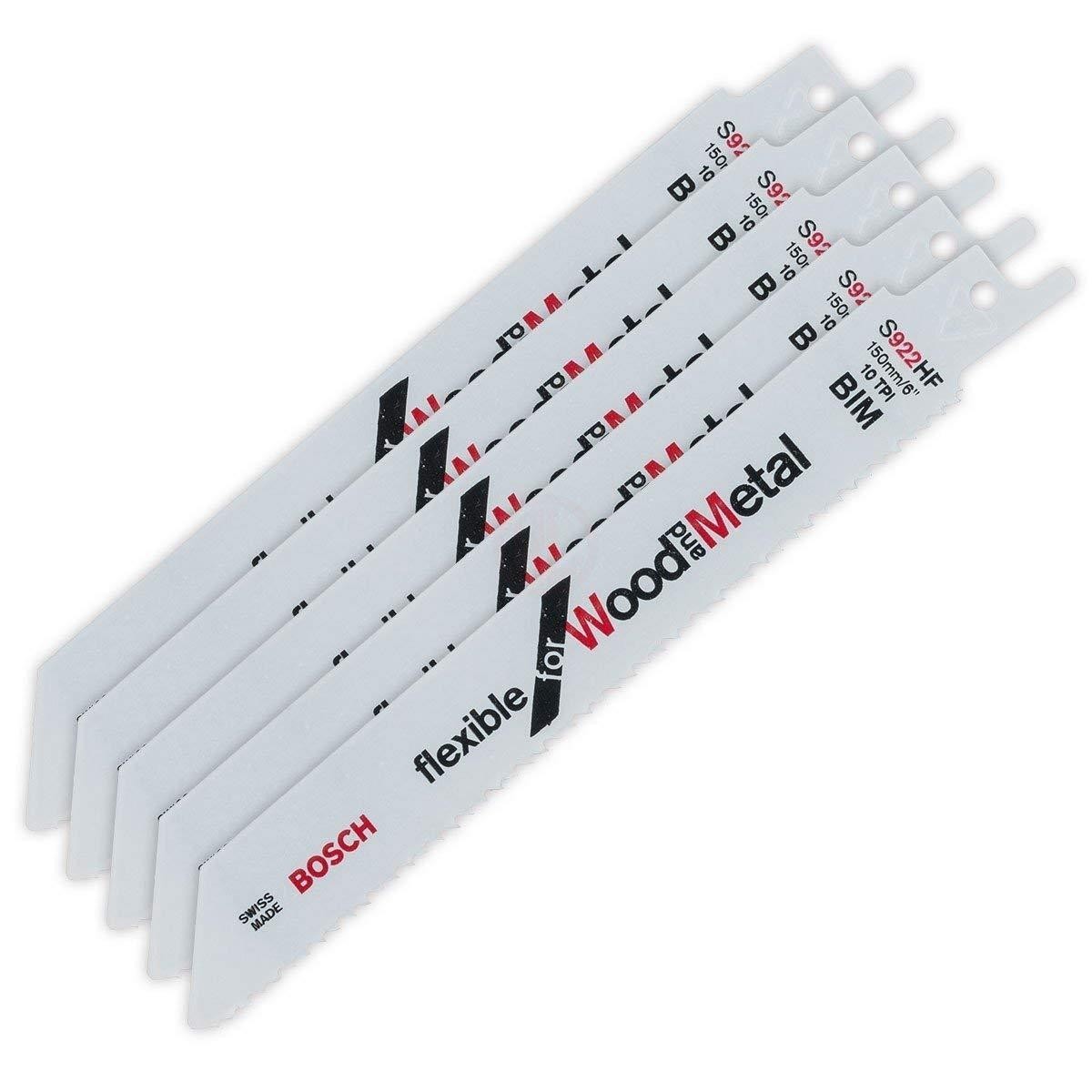
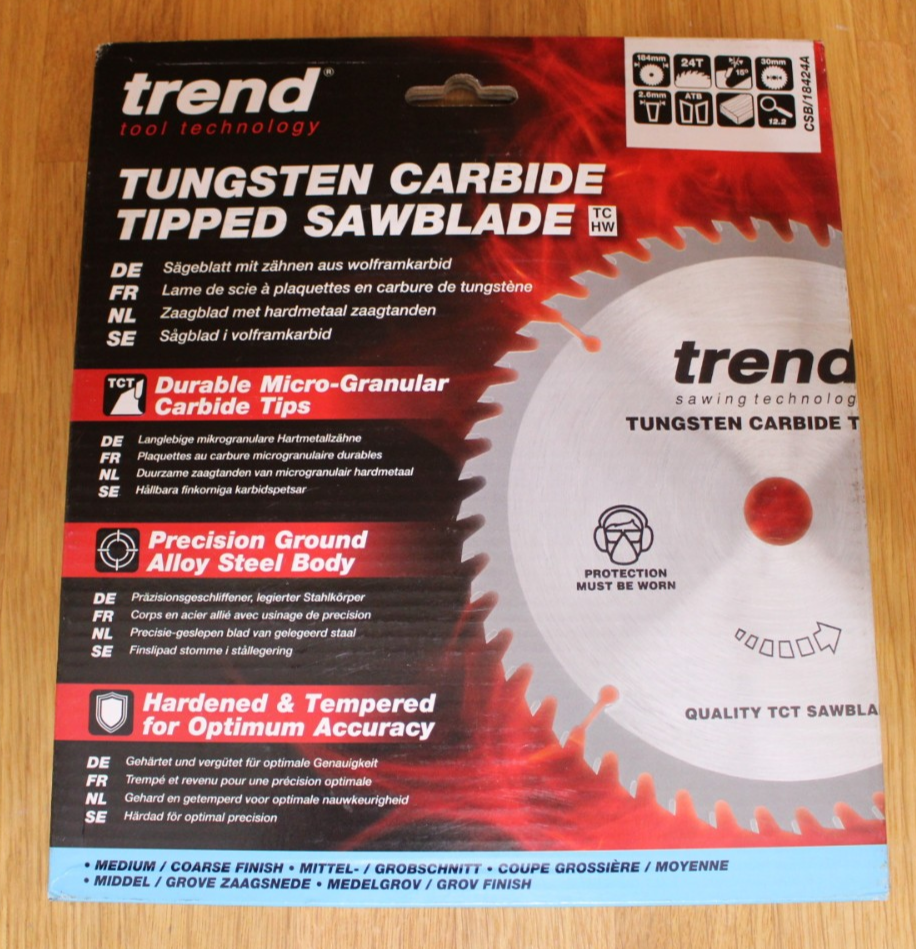
- Bi-metal and tungsten carbide saw blades bend less than plain steel, so they survive tough reciprocating and hacksaw work.
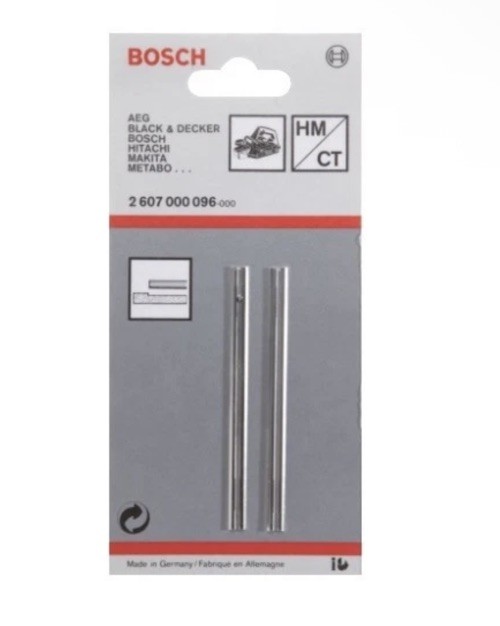
- Cutter and scraper accessories, like rotary discs and spare rubbers, revive a tool you already own instead of buying a new unit.
- Colour coded tiers (green consumer, blue professional) help you spot the right power rating for your tool at a glance.
Things to watch
- Porcelain or pure metal blades cut poorly in wood and wear fast if forced on the wrong stock.
- Hardware spares such as scraper rubbers do nothing without the matching frame, so they only suit current owners.
- High tooth count blades (40T) stall on thick timber and scorch the edge if fed too quick.
- Consumer green circular blades skip the carbide tips of pro lines, dulling sooner on treated wood.
Care & maintenance
Clean after use
Wipe steel and bi-metal blades after cutting plastic or aluminium to stop sticky resin build up.
Protect the teeth
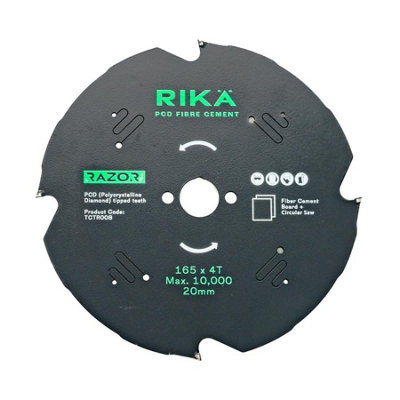
Keep circular and table saw blades in a sleeve so the teeth don't chip against other metal in the box.
Check for warp
Inspect jigsaw and reciprocating blades for bend before use, as warped steel cuts off square.
Mind the spares
Store spare scraper rubbers away from heat so the edge stays supple.
Frequently Asked Questions
What should I look for when buying tool blades?
When shopping for tool blades, consider factors such as quality, price, brand reputation, and customer reviews. Compare prices across multiple retailers to ensure you're getting the best deal. Look for products that match your specific needs and budget.
How do I choose the right tool blades?
Choosing the right tool blades depends on your individual needs, budget, and preferences. Research different options, read customer reviews, and compare specifications. Consider what features are most important to you and look for products that offer the best value for money.
Where can I find the best deals on tool blades?
You can find the best deals on tool blades by comparing prices across multiple retailers. Our price comparison tool helps you find the lowest prices from trusted UK retailers including Amazon, eBay, and other major online stores. Check regularly as prices and deals change frequently.
Are tool blades products worth the investment?
The value of tool blades products depends on your specific needs and how you plan to use them. Quality products from reputable brands often provide better long-term value, even if they cost more initially. Consider your budget and requirements when making your decision.
What's the difference between different types of tool blades?
Different types of tool blades vary in features, quality, price, and intended use. Some may offer premium features while others focus on affordability. Research the specific differences between models or brands to find the option that best suits your needs and budget.