Calipers
How to choose calipers
Sub-type
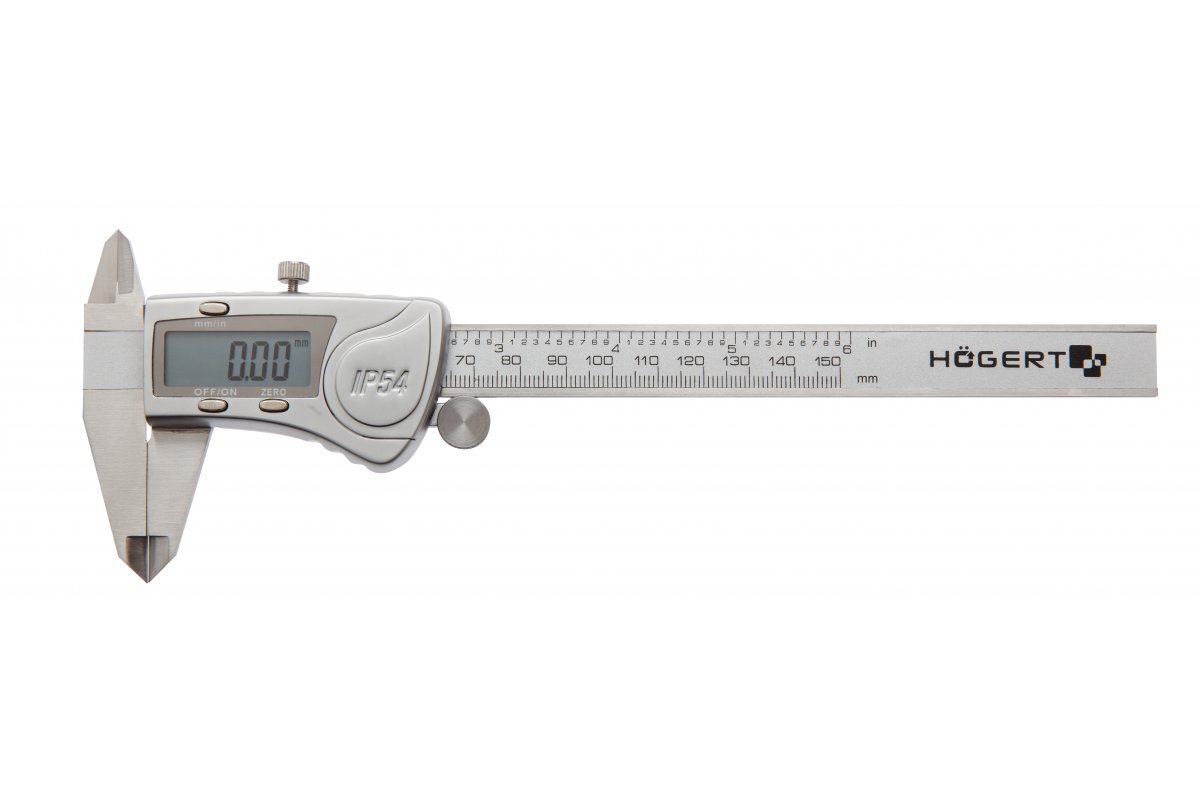
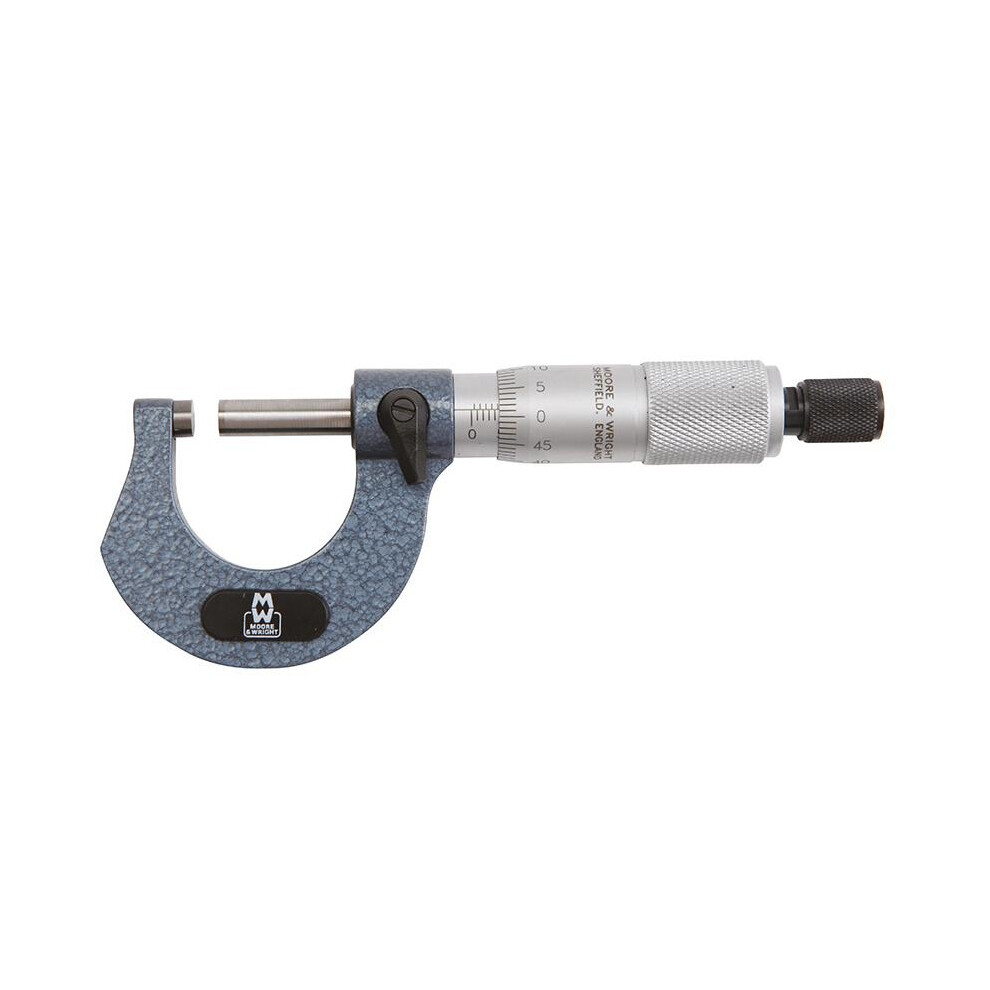
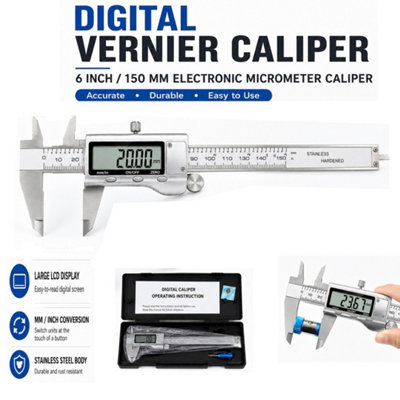
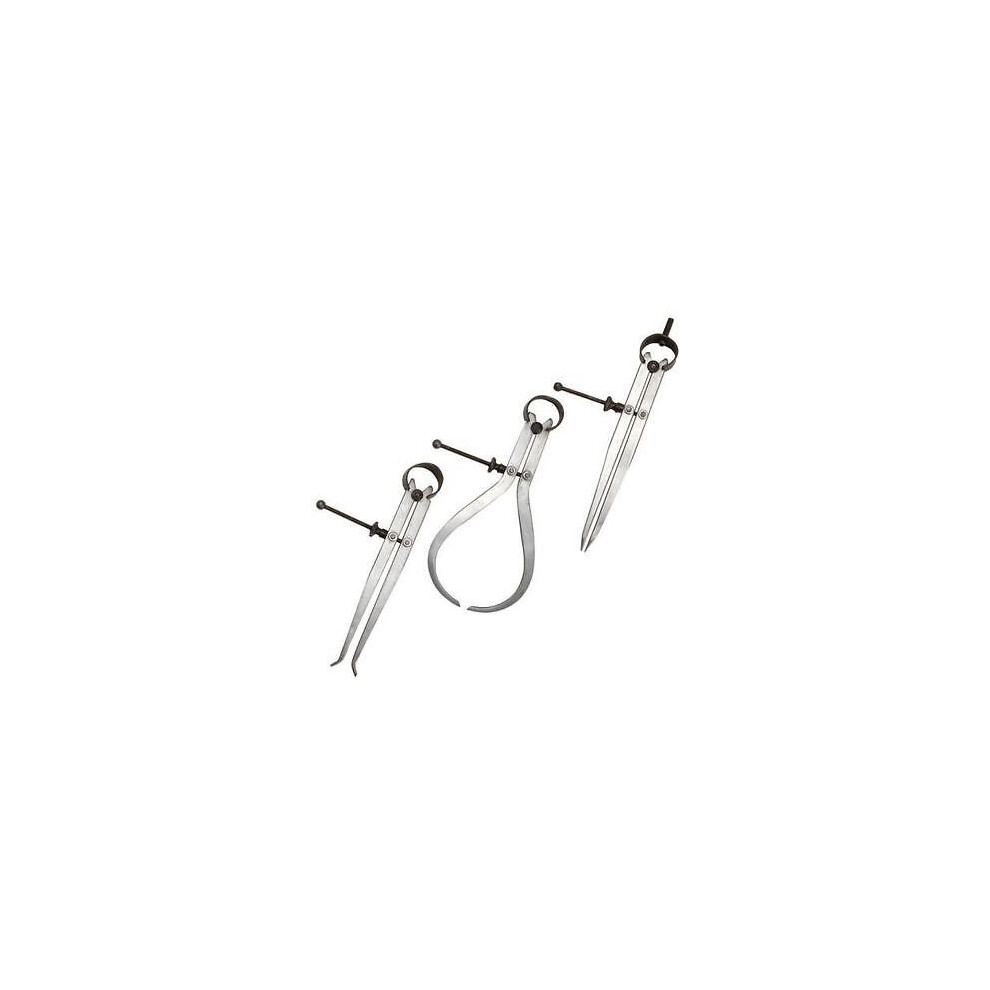
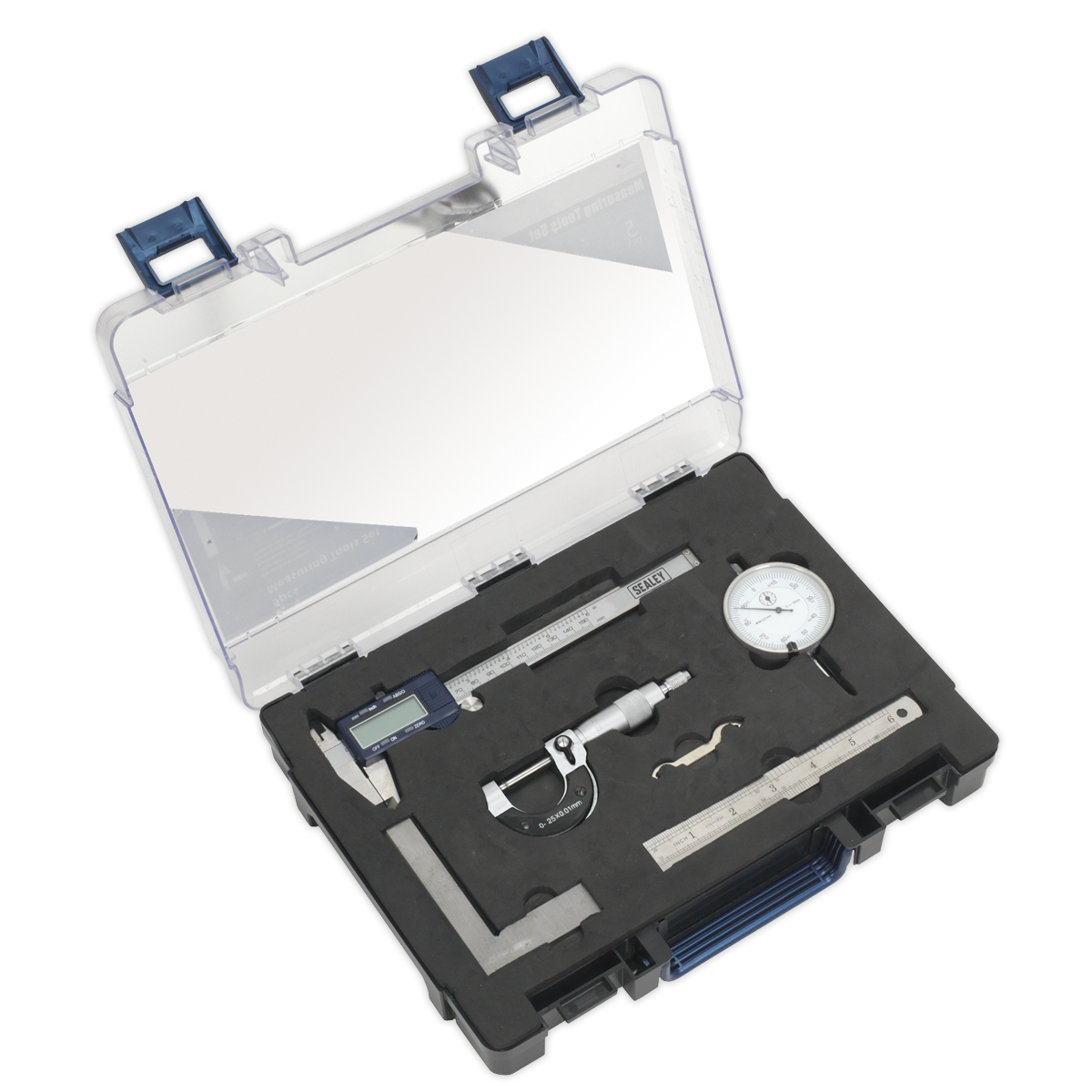
Sub-type drives use. Measuring Tools & Sensors include vernier and digital calipers for layout, Tools include brake disc measuring calipers, Hardware includes non-measuring parts. Pick by task.
Material
Material tradeoff: steel and stainless steel hold calibration but feel heavier, while plastic and aluminium save weight yet shift under load.
Readout
Readout style: digital LCD speeds reading but needs power, vernier needs no battery but slows you down.
Size
Capacity: 100mm and 150mm sizes suit jewellery and small components, 300mm versions handle bigger stock but eat bench space.
Colour
a pink or yellow caliper is easy to spot in a messy drawer. It changes nothing in performance, so treat it as personal coding only.
What's good
- Digital calipers in the Measuring Tools & Sensors sub-type show readings on an LCD screen, suiting repetitive checks where speed matters more than analogue feel.
- Brake disc calipers under Tools let you gauge disc wear without stripping the wheel, useful for home mechanics wanting a quick pass or fail.
- Stainless steel and steel bodies across the range resist rust in damp UK garages, keeping accuracy over years.
- Colour options like yellow, red and blue appear on the axis, helping mark a personal tool in a shared bench.
Things to watch
- Plastic or mixed metal/plastic calipers flex if you squeeze hard, so they are wrong for measuring hardened steel stock.
- Vernier scales need good light and steady hands, making them a poor choice for dim workshops or high-volume counting.
- Brake disc calipers in the Tools sub-type often stop near 100mm capacity, so they cannot replace a 300mm vernier on larger work.
- Digital versions need a battery, while analogue steel ones keep working if the cell dies but lose the numeric readout.
Care & maintenance
Wipe steel
Wipe steel and stainless steel faces with a lightly oiled cloth after use to stop corrosion in humidity.
Avoid heat
Keep digital calipers out of prolonged heat, as plastic and aluminium bodies warp near radiators.
Remove batteries
Pull batteries from digital units before long storage, because leakage ruins the contacts.
Clean jaws
Brush grit from the jaws before closing, using a soft paintbrush to protect the measuring faces.
Frequently Asked Questions
What should I look for when buying calipers?
When shopping for calipers, consider factors such as quality, price, brand reputation, and customer reviews. Compare prices across multiple retailers to ensure you're getting the best deal. Look for products that match your specific needs and budget.
How do I choose the right calipers?
Choosing the right calipers depends on your individual needs, budget, and preferences. Research different options, read customer reviews, and compare specifications. Consider what features are most important to you and look for products that offer the best value for money.
Where can I find the best deals on calipers?
You can find the best deals on calipers by comparing prices across multiple retailers. Our price comparison tool helps you find the lowest prices from trusted UK retailers including Amazon, eBay, and other major online stores. Check regularly as prices and deals change frequently.
Are calipers products worth the investment?
The value of calipers products depends on your specific needs and how you plan to use them. Quality products from reputable brands often provide better long-term value, even if they cost more initially. Consider your budget and requirements when making your decision.
What's the difference between different types of calipers?
Different types of calipers vary in features, quality, price, and intended use. Some may offer premium features while others focus on affordability. Research the specific differences between models or brands to find the option that best suits your needs and budget.