Manual Hammers
How to choose manual hammers
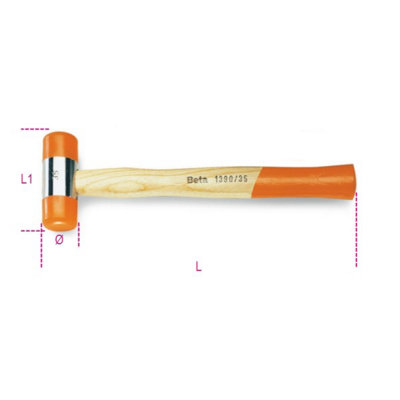
Head material decides the mark left behind. Rubber and nylon spare surfaces, steel and copper leave impressions but drive better.
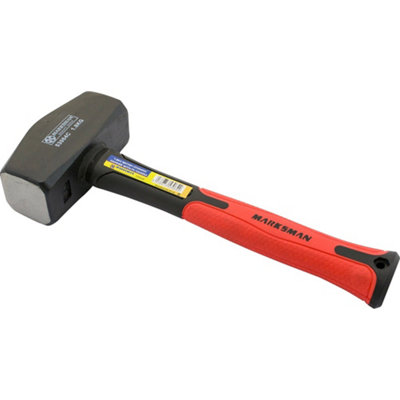
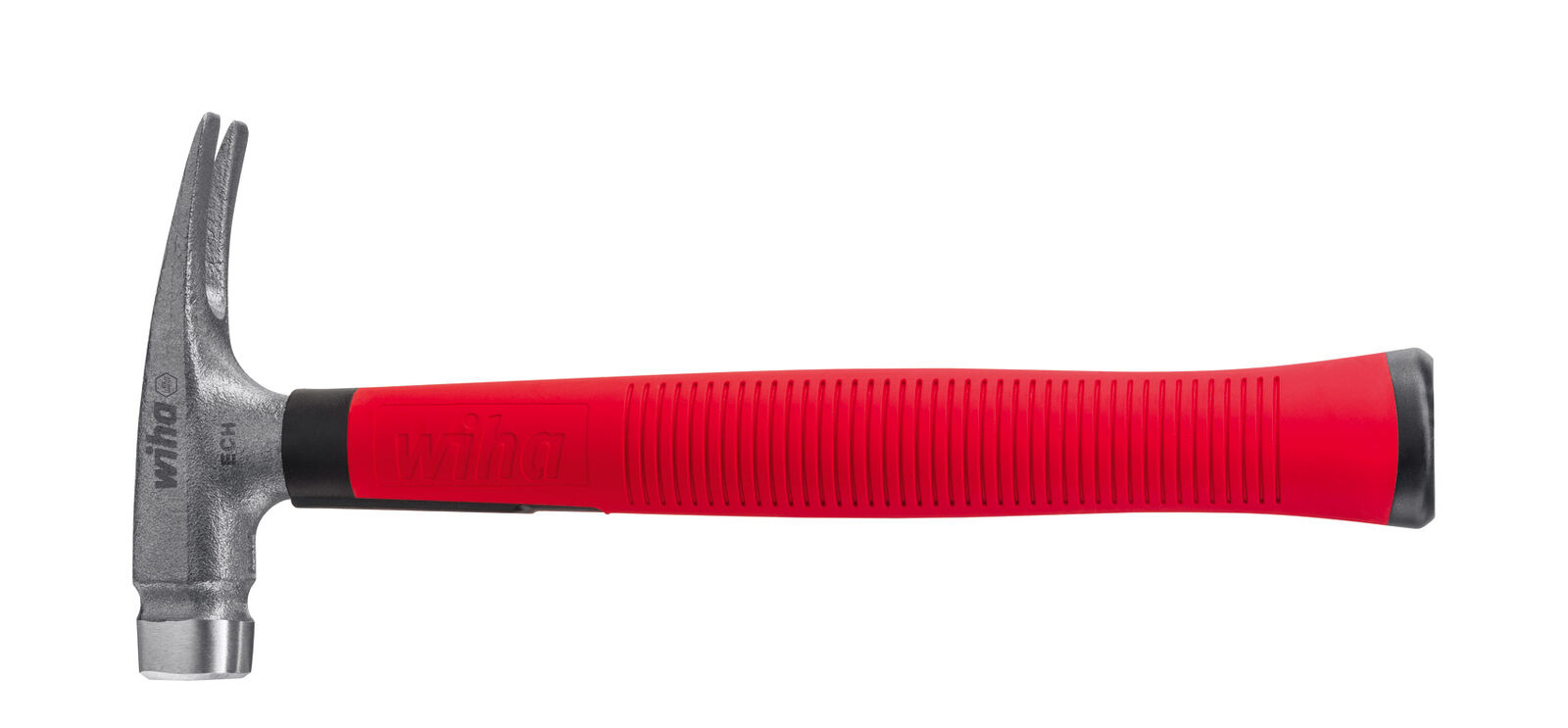
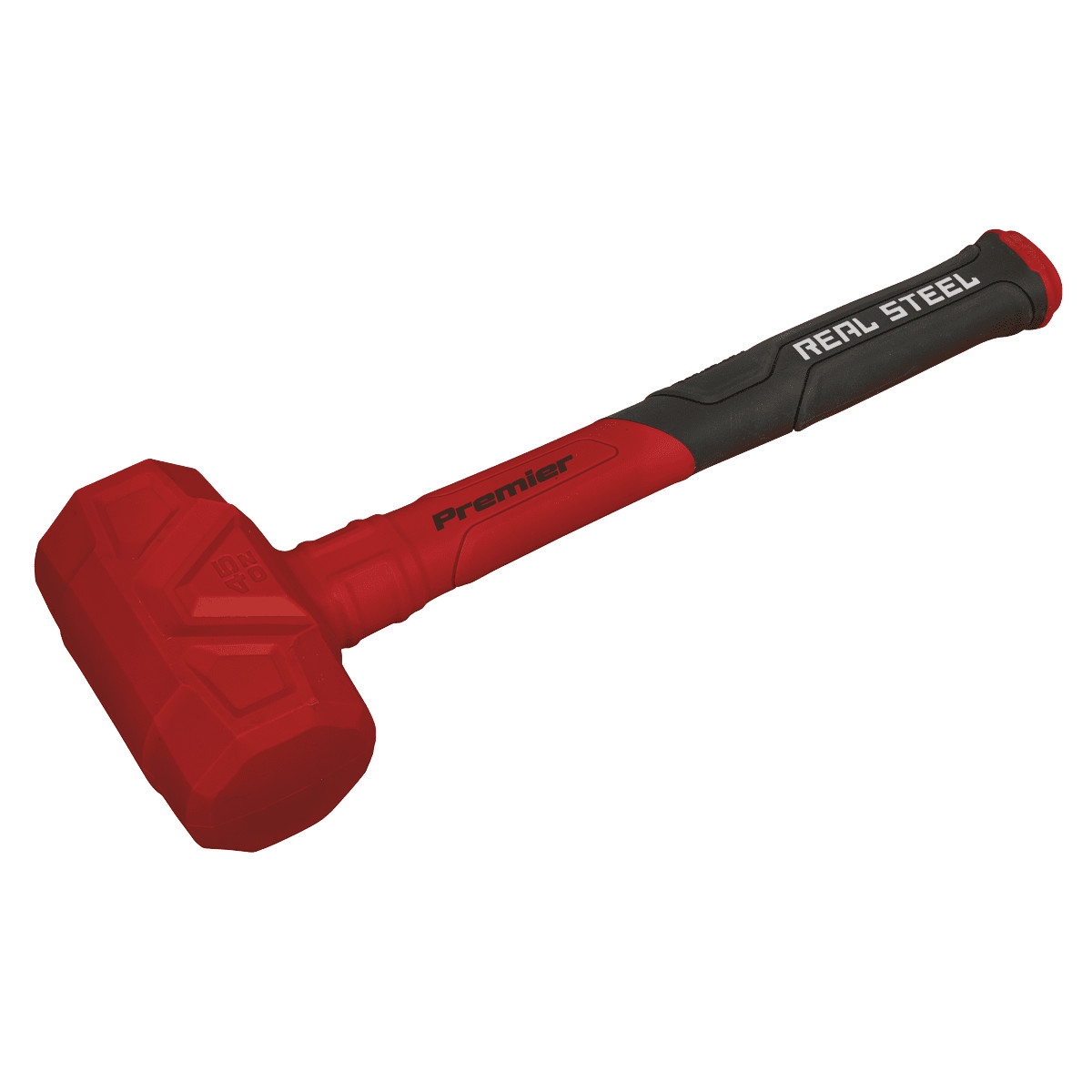
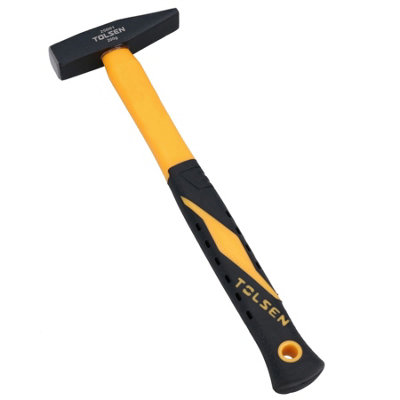
Handle build splits the difference between shock and upkeep. Wood absorbs vibration but needs care, steel/rubber lasts longer but adds weight.
Weight tier runs from 4oz jewellery forms to 38oz mallets. Pick light for precision, mid for DIY, heavy for strong taps.
Colour often tracks use. White or black mallets read as trade tools, orange or red often mark novelty gifts.
Sub-type labelling in the range shows Tools for jewellery maintenance, Hammers for striking, Hardware for associated items. Match the label to your task.
What's good
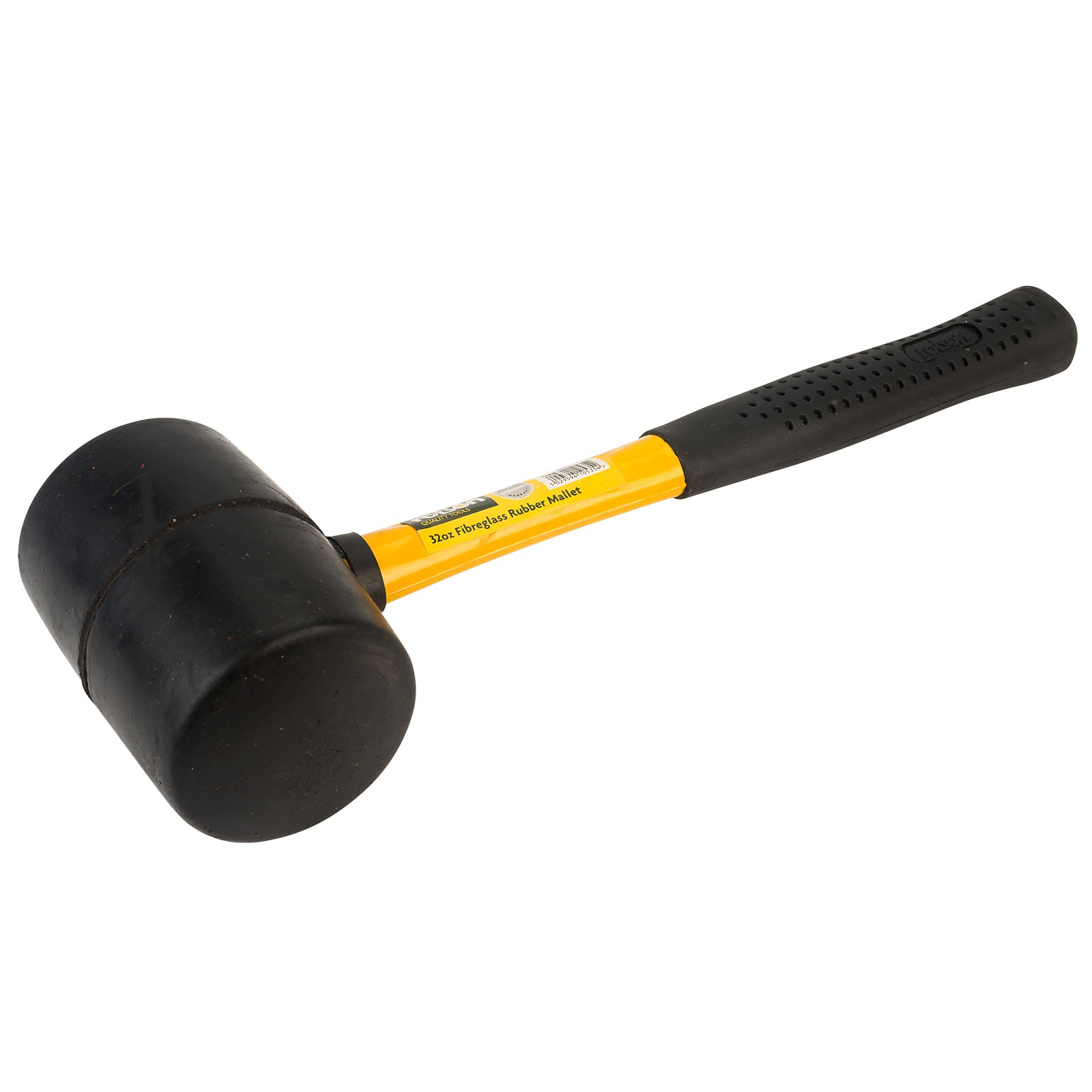
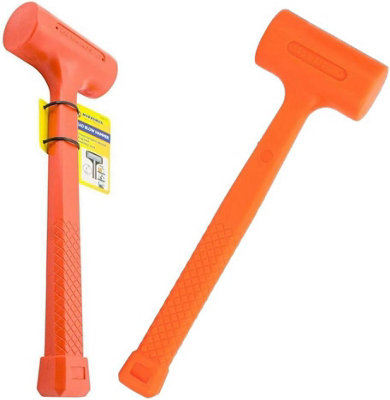
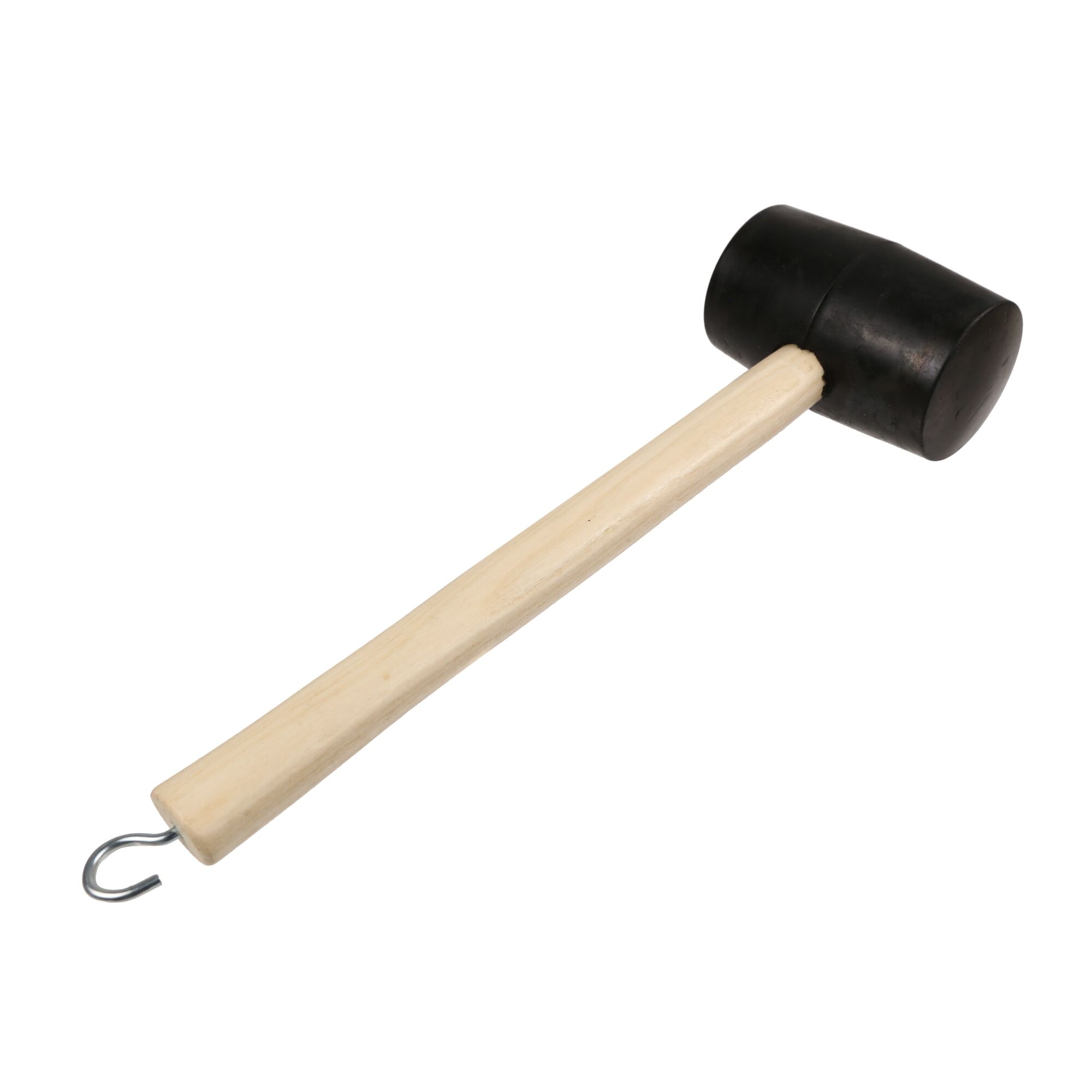
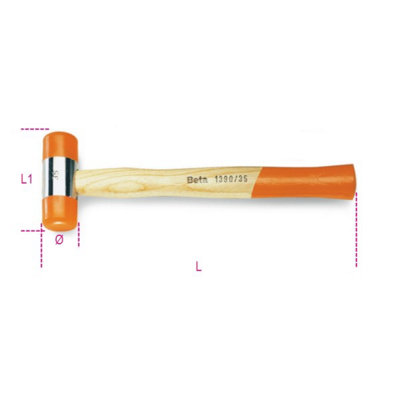
- Rubber mallets use rubber or rubber/steel heads. They give a non-marring blow suited to seating parts without surface damage.
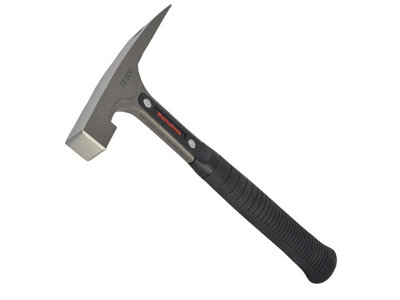
- Claw hammers with steel heads and wood or steel/rubber handles combine nail driving and extraction, covering most household tasks.
- Small jewellery hammers come with steel, copper or nylon heads. They allow detailed texturing and fret work that larger hammers cannot manage.
- Ball pein hammers with hickory handles offer a lighter precision option for metal shaping and peening.
Things to watch
- Rubber mallets have no claw and no hard steel face, so they cannot pull nails or break framing apart.
- Wood-handled hammers, such as hickory ball pein types, need drying and oiling, while steel/rubber builds shrug off damp but feel heavier in the swing.
- Jewellery hammers weigh only a few ounces, making them wrong for decking or fencing where real driving force matters.
- Novelty engraved hammers in bright orange or red may favour gift appeal over a balanced, grippy handle.
Care & maintenance
Wipe steel and stainless steel heads after use to keep rust at bay.
Keep wood handles dry and apply linseed oil if the grain looks faded.
Store rubber and nylon faced hammers away from heaters so the faces don't crack.
Frequently Asked Questions
What should I look for when buying manual hammers?
When shopping for manual hammers, consider factors such as quality, price, brand reputation, and customer reviews. Compare prices across multiple retailers to ensure you're getting the best deal. Look for products that match your specific needs and budget.
How do I choose the right manual hammers?
Choosing the right manual hammers depends on your individual needs, budget, and preferences. Research different options, read customer reviews, and compare specifications. Consider what features are most important to you and look for products that offer the best value for money.
Where can I find the best deals on manual hammers?
You can find the best deals on manual hammers by comparing prices across multiple retailers. Our price comparison tool helps you find the lowest prices from trusted UK retailers including Amazon, eBay, and other major online stores. Check regularly as prices and deals change frequently.
Are manual hammers products worth the investment?
The value of manual hammers products depends on your specific needs and how you plan to use them. Quality products from reputable brands often provide better long-term value, even if they cost more initially. Consider your budget and requirements when making your decision.
What's the difference between different types of manual hammers?
Different types of manual hammers vary in features, quality, price, and intended use. Some may offer premium features while others focus on affordability. Research the specific differences between models or brands to find the option that best suits your needs and budget.