Plumbing Pipes
How to choose plumbing pipes
Material
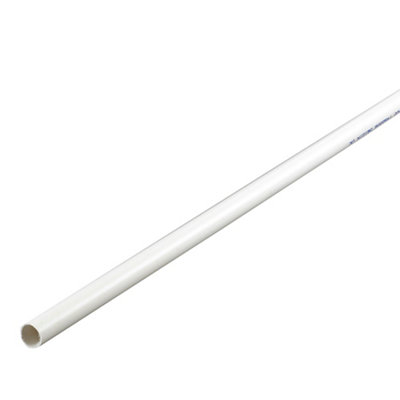
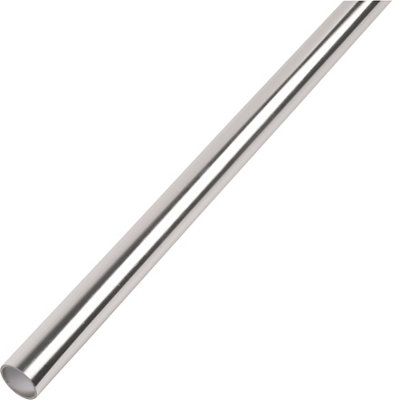
Pick copper or steel for rigid, heat-tolerant lines, or plastic for light, fast installs.
Colour
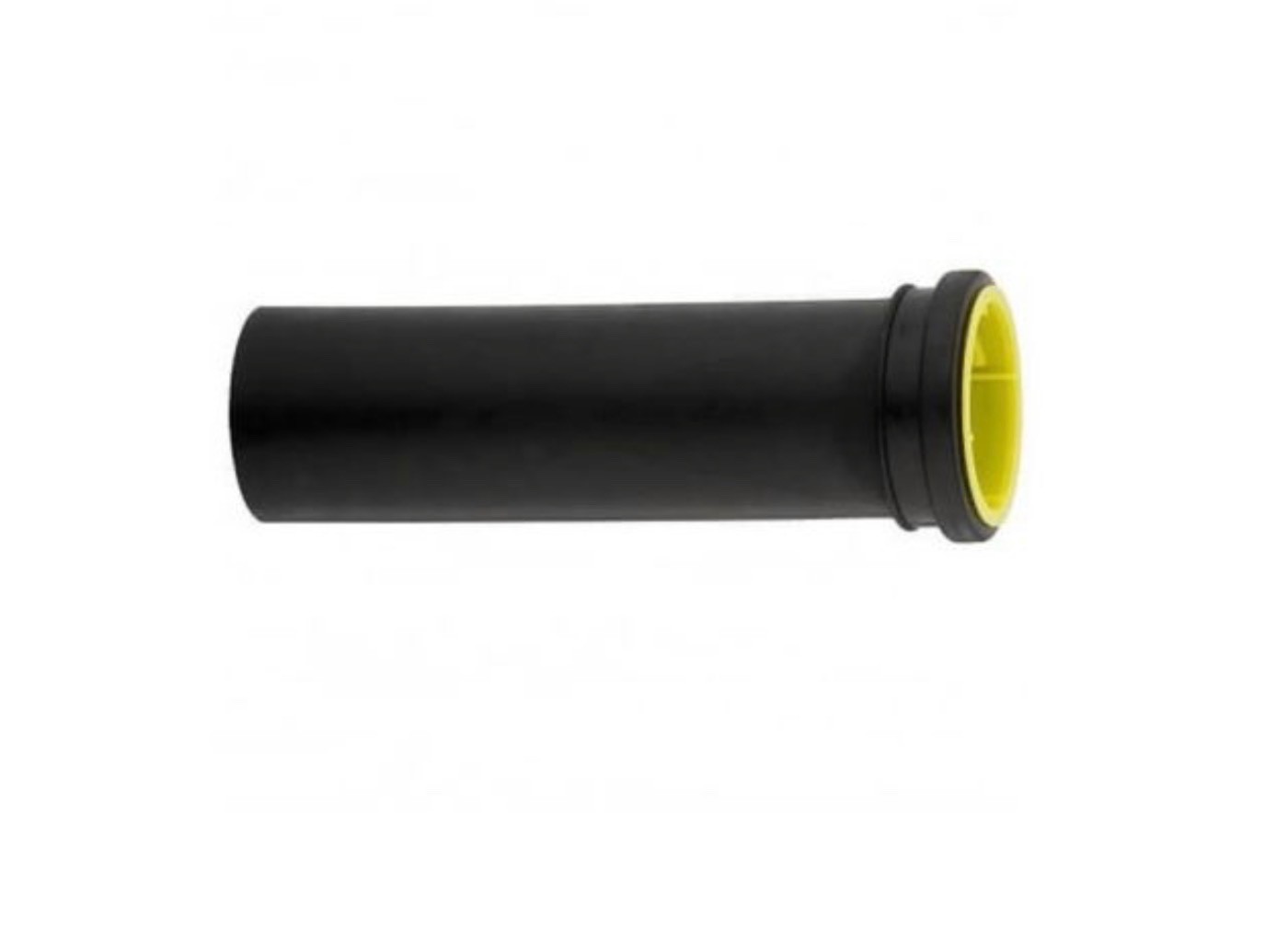
Choose white or black for hidden routes, chrome or terracotta to match fittings.
Sub-type
Select Plumbing for new pipe runs, Hardware for adapting current layouts.
Form
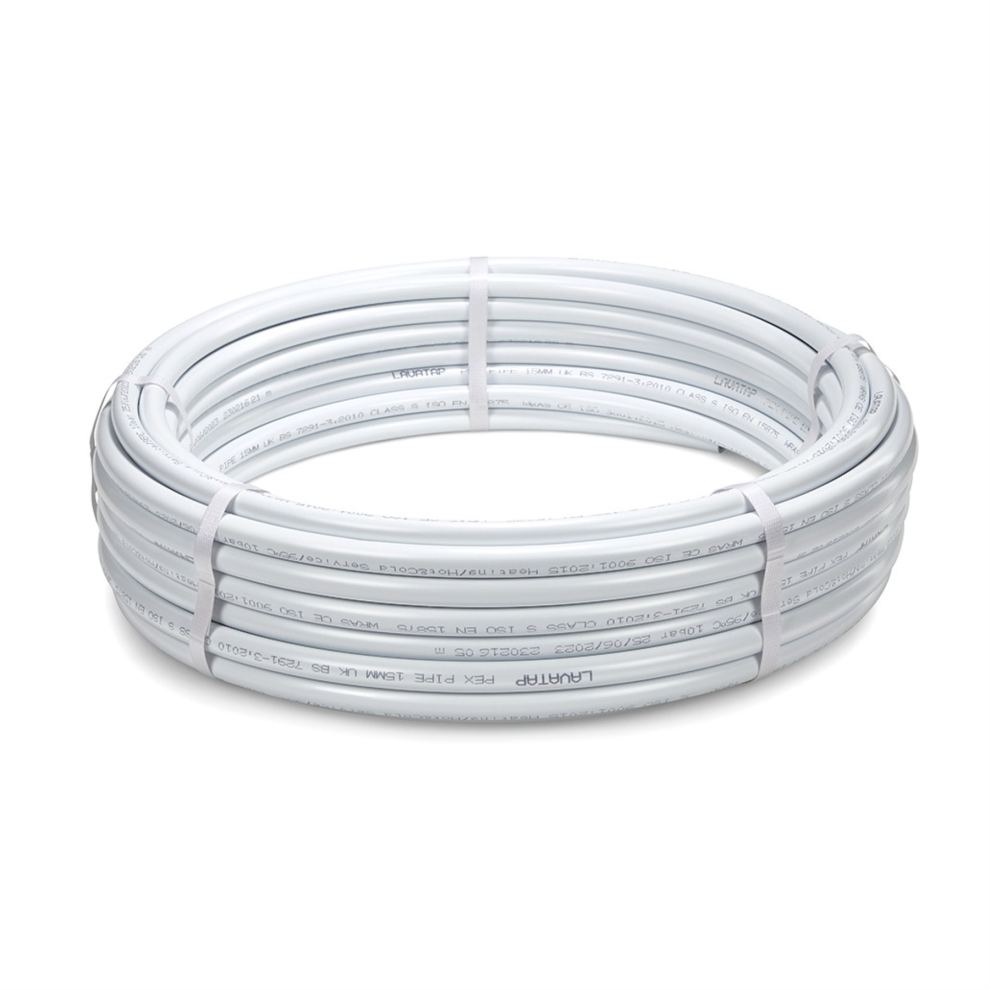
Use a coil for long continuous runs, or fixed lengths for small repairs.
Size
Match the bore to your system, as supply and soil pipes differ in diameter.
What's good
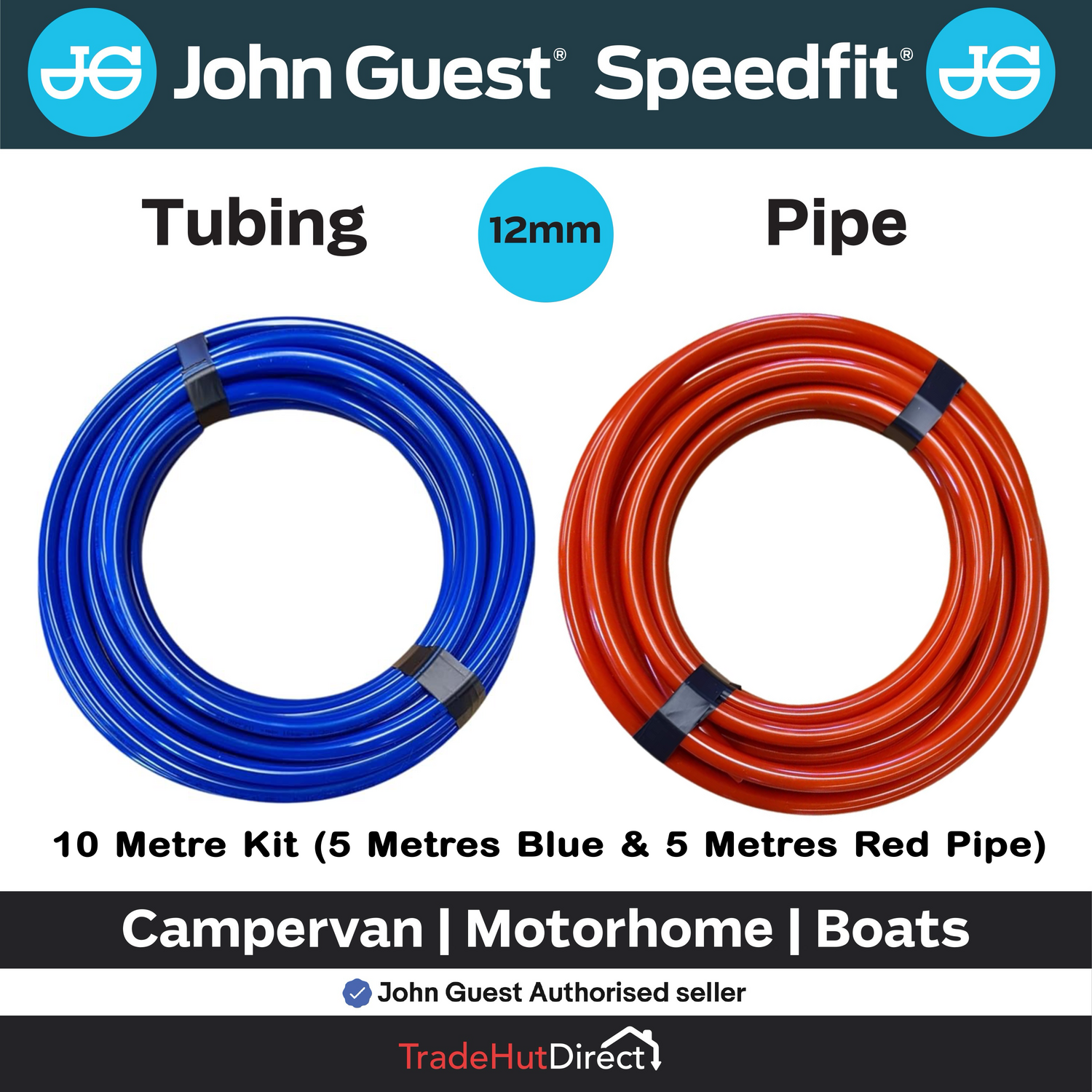
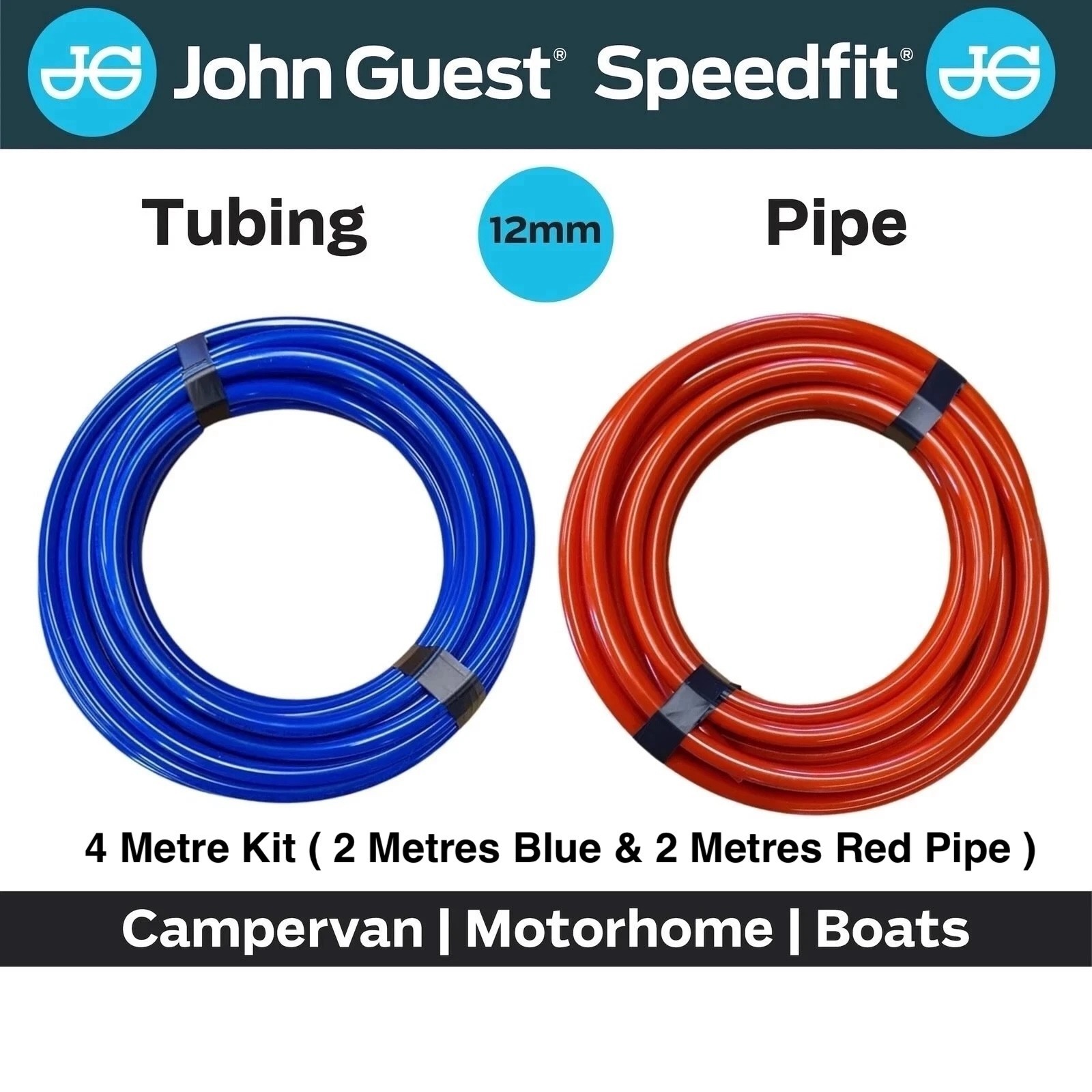
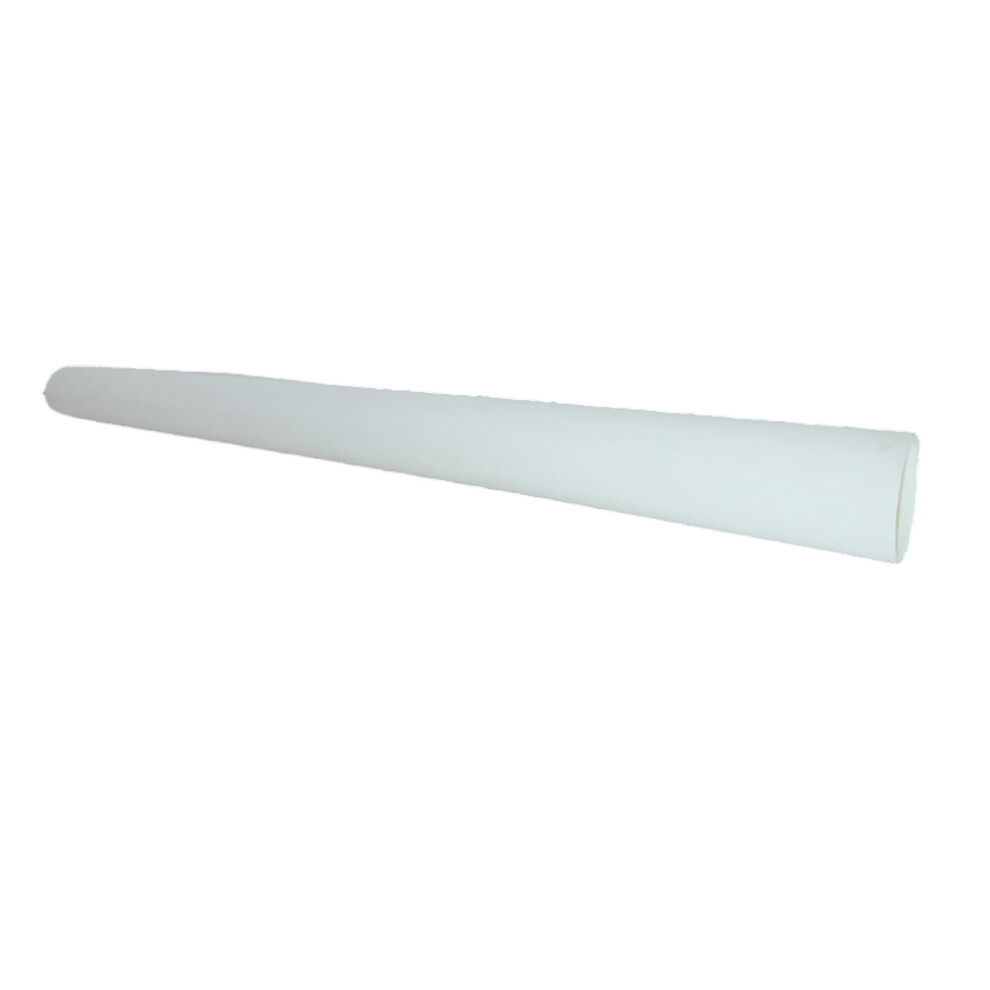
- Plastic pipes in polybutylene or polypropylene are light and cut with a simple tool, ideal for home jobs.
- Copper and steel pipes stay rigid, suited to exposed runs that must hold a straight line.
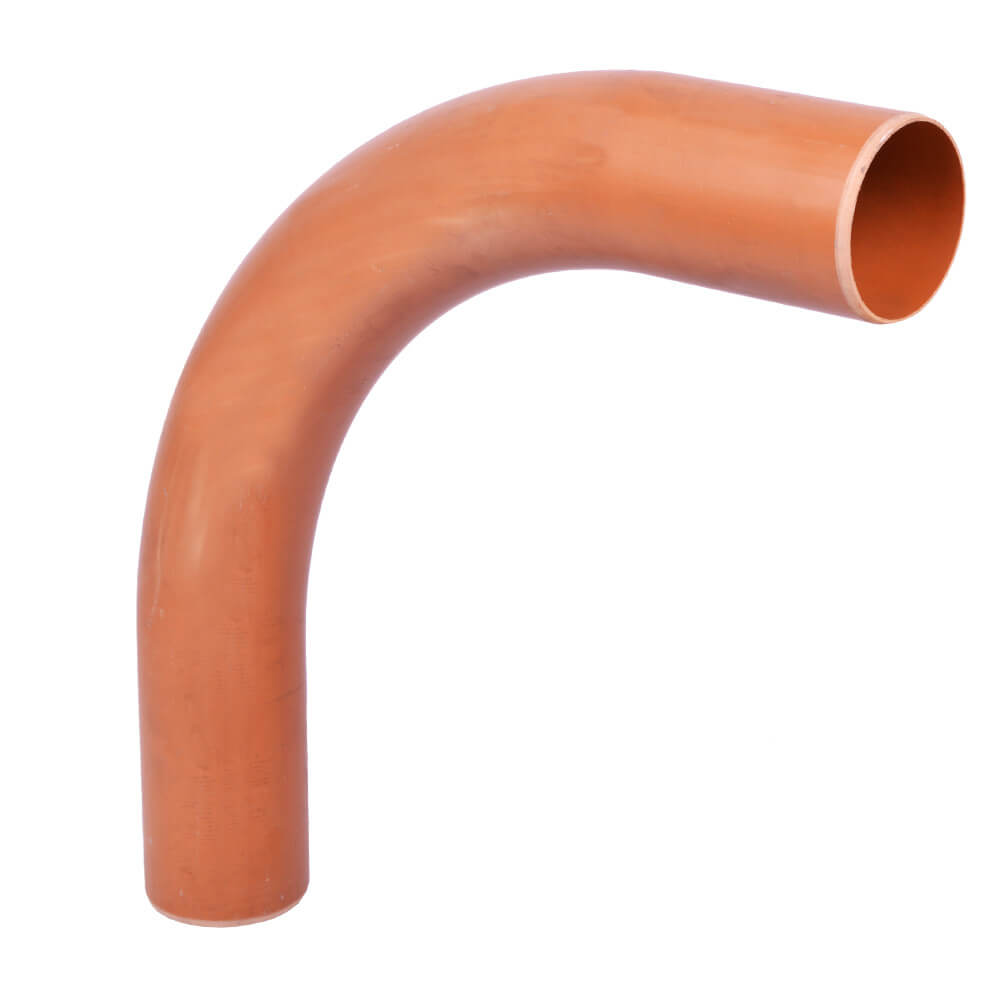
- Colours like chrome, terracotta or grey help the pipe match existing bathroom or soil ware.
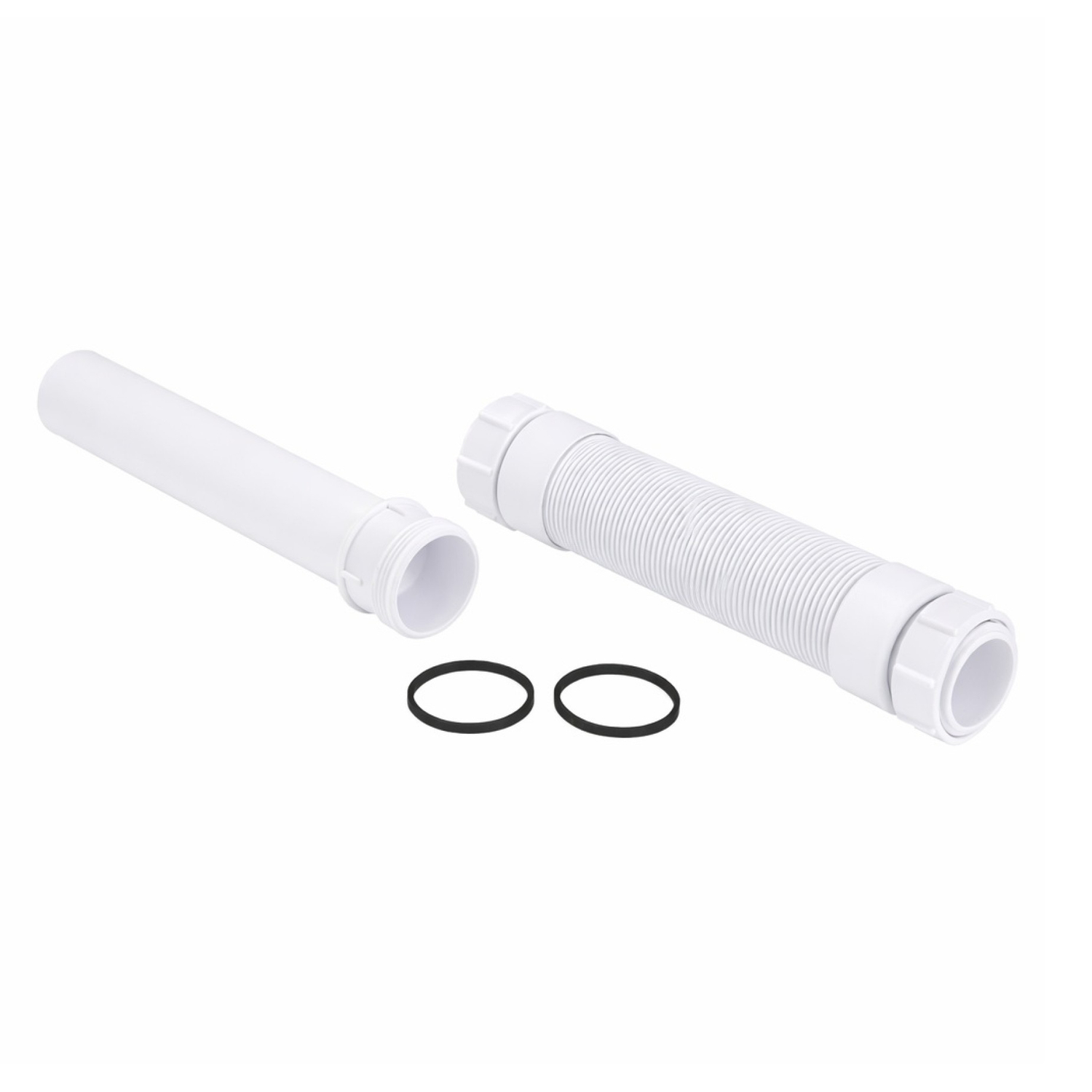
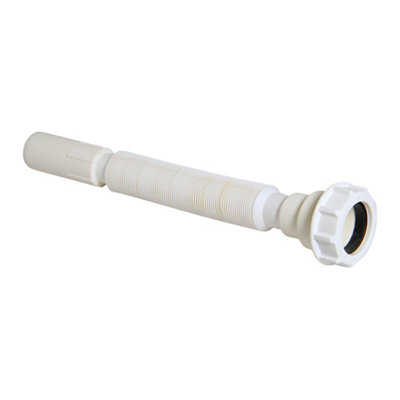
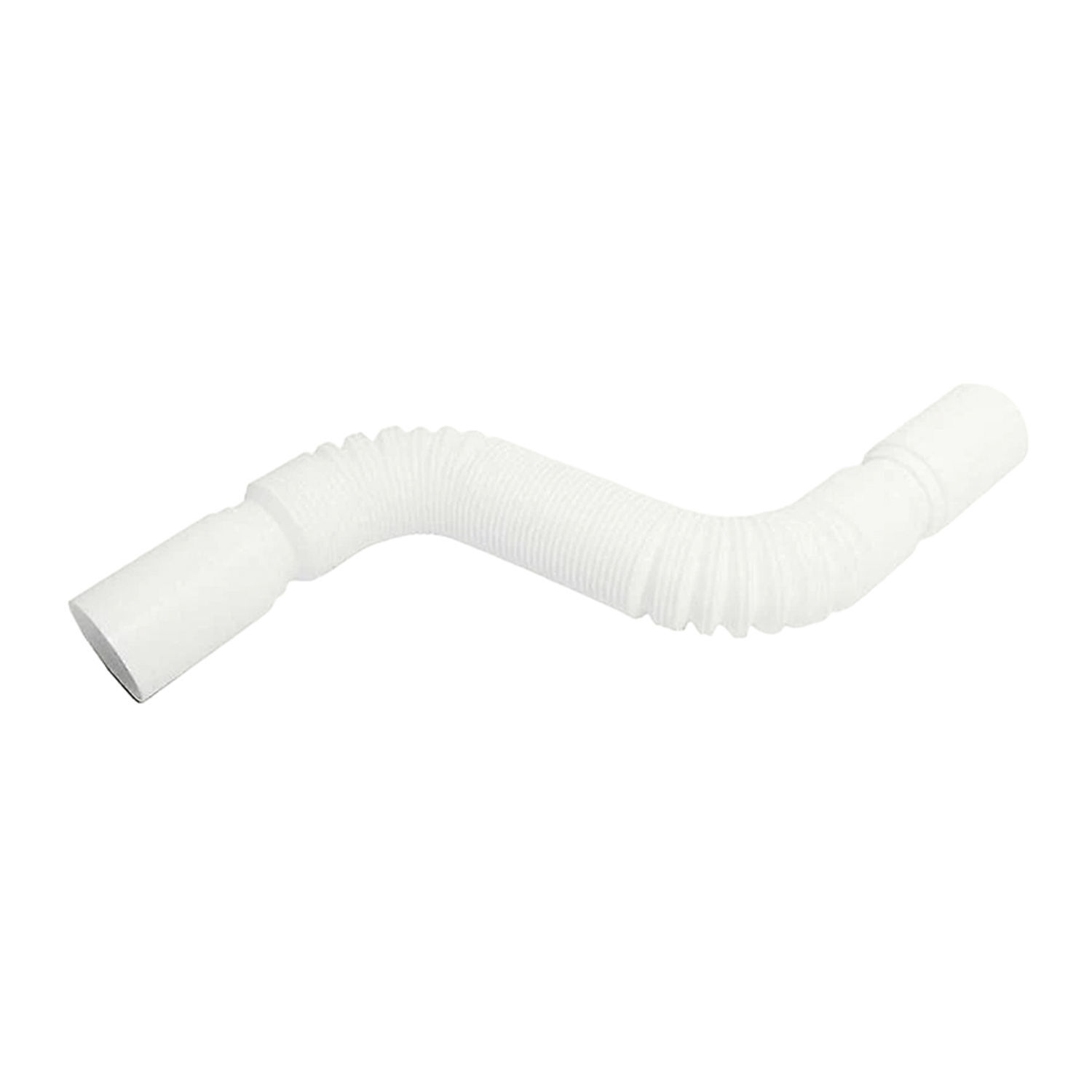
- Hardware items let you extend a cistern or join odd shapes without replacing the main run.
- Barrier pipe sold in long coils means fewer joints over a long distance.
Things to watch
- Plastic pipe loses shape near heat where copper or steel would cope.
- Chrome and bright colours show scratches faster than black or white.
- Copper and steel need solder or threaded joints, not a quick push-fit fix.
- Hardware pieces must match the exact size, or they will not fit the existing unit.
- A coiled plastic pipe kinks if bent too tight, wasting good length.
Care & maintenance
Surface care
Clean chrome and coloured fittings with a soft cloth, not abrasive pads.
Brass checks
Check brass hardware for tarnish and wipe dry after damp conditions.
Joint security
Press the collar on push-fit plastic joints to confirm they are seated.
Insulation
Keep copper and plastic runs insulated in cold spots to reduce strain.
Frequently Asked Questions
What should I look for when buying plumbing pipes?
When shopping for plumbing pipes, consider factors such as quality, price, brand reputation, and customer reviews. Compare prices across multiple retailers to ensure you're getting the best deal. Look for products that match your specific needs and budget.
How do I choose the right plumbing pipes?
Choosing the right plumbing pipes depends on your individual needs, budget, and preferences. Research different options, read customer reviews, and compare specifications. Consider what features are most important to you and look for products that offer the best value for money.
Where can I find the best deals on plumbing pipes?
You can find the best deals on plumbing pipes by comparing prices across multiple retailers. Our price comparison tool helps you find the lowest prices from trusted UK retailers including Amazon, eBay, and other major online stores. Check regularly as prices and deals change frequently.
Are plumbing pipes products worth the investment?
The value of plumbing pipes products depends on your specific needs and how you plan to use them. Quality products from reputable brands often provide better long-term value, even if they cost more initially. Consider your budget and requirements when making your decision.
What's the difference between different types of plumbing pipes?
Different types of plumbing pipes vary in features, quality, price, and intended use. Some may offer premium features while others focus on affordability. Research the specific differences between models or brands to find the option that best suits your needs and budget.