Floats
How to choose floats
Sub-type leads the choice: Tools for handheld plaster and grout floats, Masonry Tools for render and concrete, Hardware for fixed steel or cast iron parts.
Material sets the tier: plastic and rubber for light occasional work, aluminium and steel for trade daily use.
Colour is a visibility aid only. Black, white, red or green will not alter the float's job.
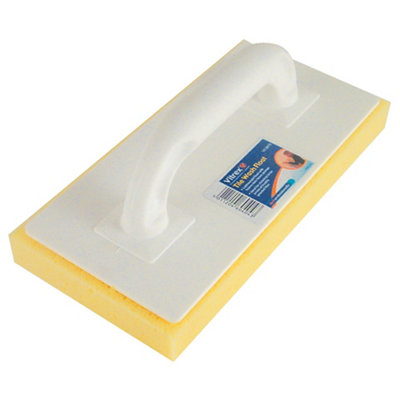
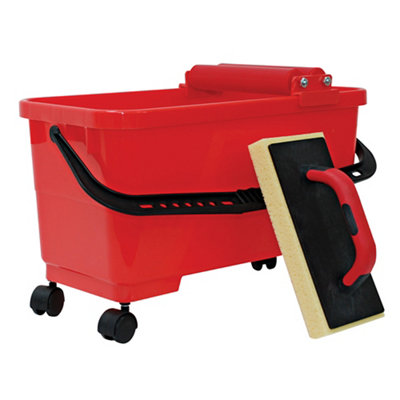
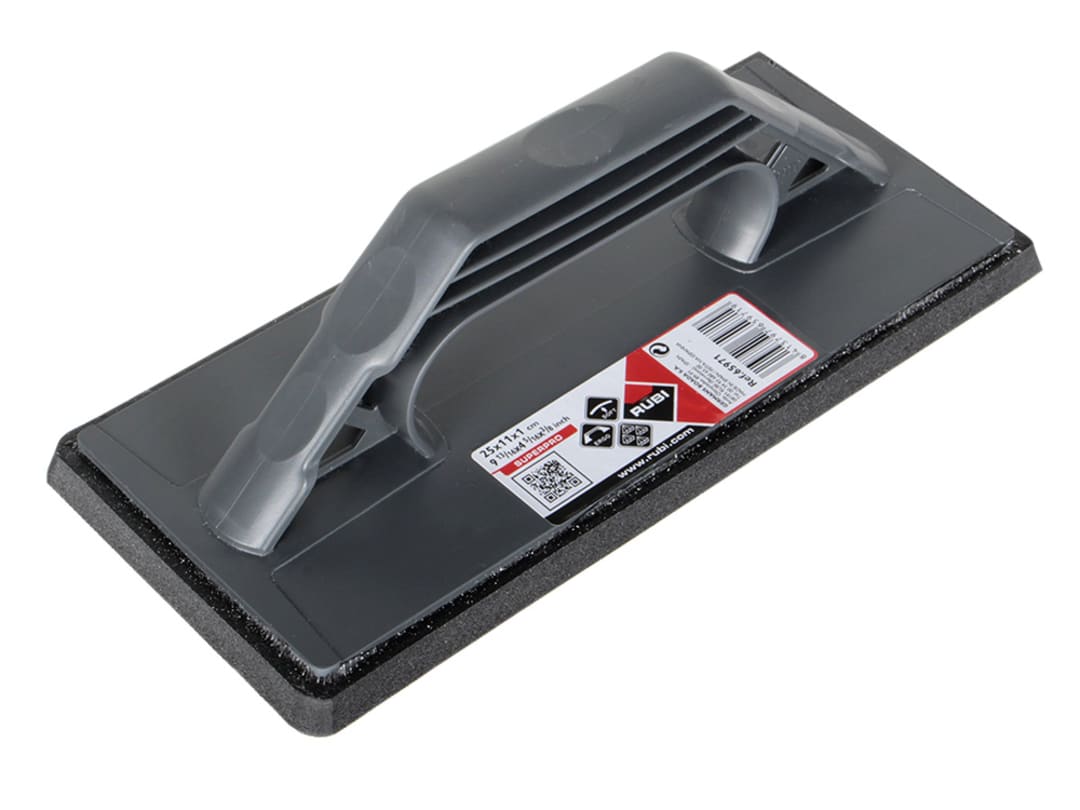
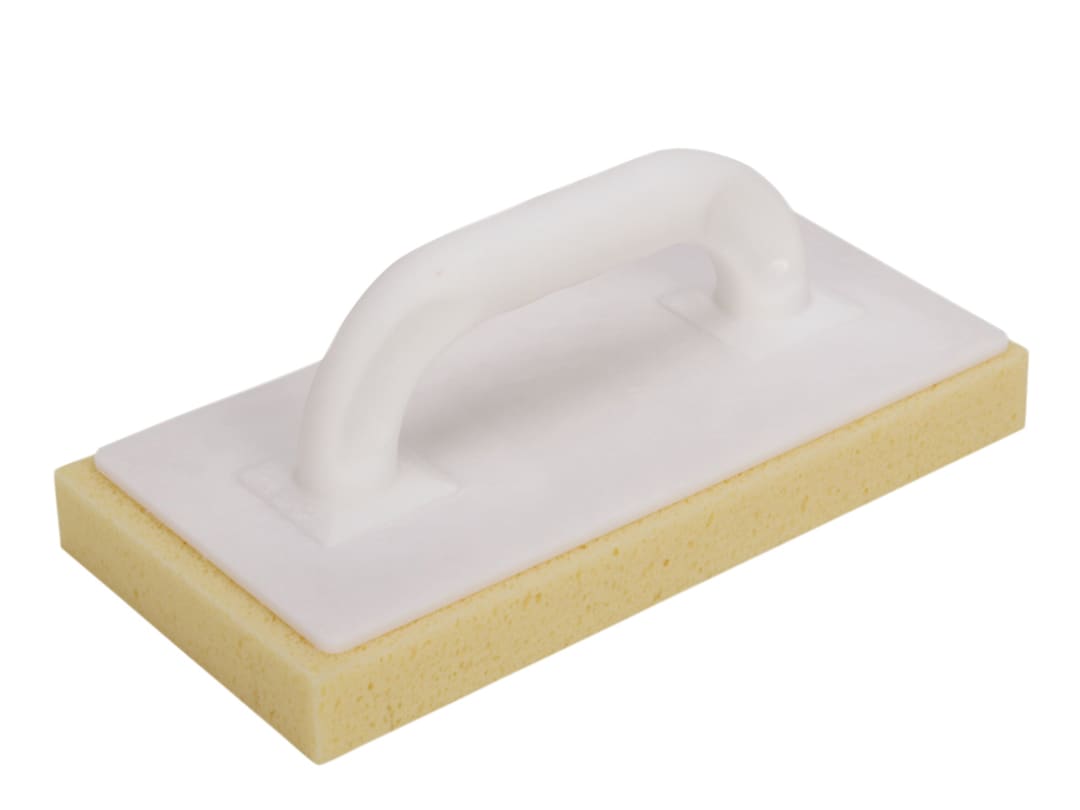
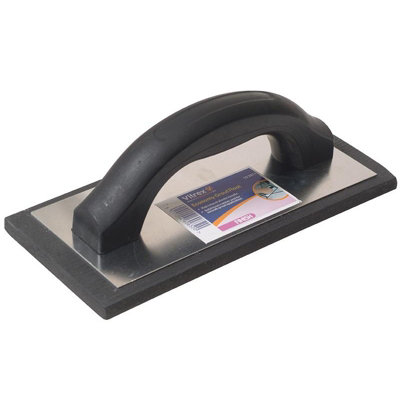
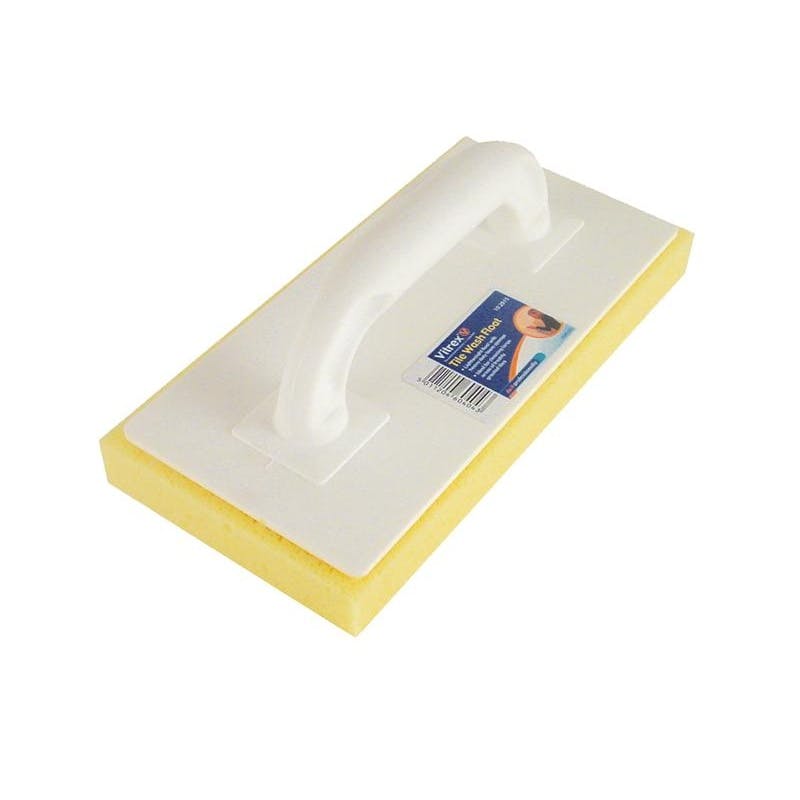
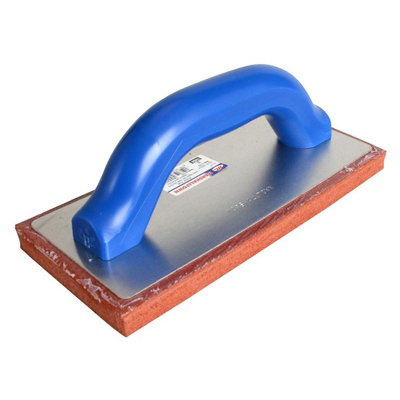
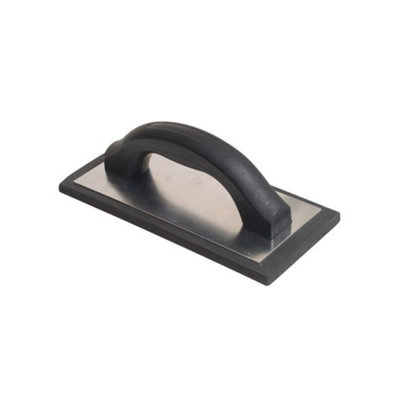
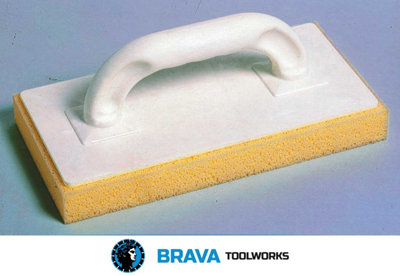
For tiling finish, a plastic/rubber sponge float (Tools) suits better than a rigid steel float.
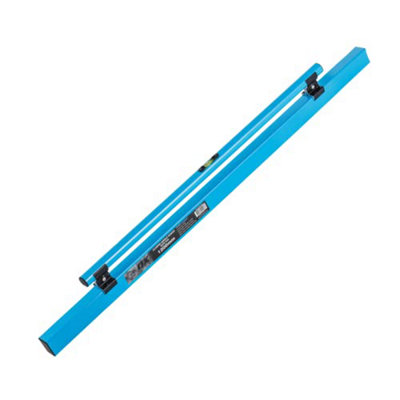
For masonry screed, pick wood or aluminium (Masonry Tools) over a soft latex type.
What's good
- Tools sub-type sponge floats in plastic or latex keep grout finishing light for DIY users.
- Masonry Tools with rubber or polyurethane faces bed render into a tight, even surface that soft plastic cannot.
- Aluminium and wood floats (Masonry Tools) hold a rigid plane for screeding without bowing.
- Hardware entries in steel or cast iron give a fixed structural solution where a hand float is the wrong tool.
- Optional orange, yellow or blue colourways help identify your float among mixed site kit.
Things to watch
- Plastic and latex floats (Tools) scuff and deform on sharp sand renders.
- Rubber and polyurethane masonry floats weigh more and need thorough washing after use.
- Wood floats drink water and can twist if left damp.
- Steel and cast iron Hardware parts are dependable but heavy, and bare steel will rust without care.
- A cream or beige colour looks smart yet offers no gain in finish quality.
Care & maintenance
Rinse plastic and sponge floats before mortar cures to save the face.
Dry steel and aluminium after use, and wipe steel with oil to slow corrosion.
Stand wood floats on edge to dry, away from wet floors.
Keep rubber and polyurethane floats out of direct sun to stop hardening.
Frequently Asked Questions
What should I look for when buying floats?
When shopping for floats, consider factors such as quality, price, brand reputation, and customer reviews. Compare prices across multiple retailers to ensure you're getting the best deal. Look for products that match your specific needs and budget.
How do I choose the right floats?
Choosing the right floats depends on your individual needs, budget, and preferences. Research different options, read customer reviews, and compare specifications. Consider what features are most important to you and look for products that offer the best value for money.
Where can I find the best deals on floats?
You can find the best deals on floats by comparing prices across multiple retailers. Our price comparison tool helps you find the lowest prices from trusted UK retailers including Amazon, eBay, and other major online stores. Check regularly as prices and deals change frequently.
Are floats products worth the investment?
The value of floats products depends on your specific needs and how you plan to use them. Quality products from reputable brands often provide better long-term value, even if they cost more initially. Consider your budget and requirements when making your decision.
What's the difference between different types of floats?
Different types of floats vary in features, quality, price, and intended use. Some may offer premium features while others focus on affordability. Research the specific differences between models or brands to find the option that best suits your needs and budget.