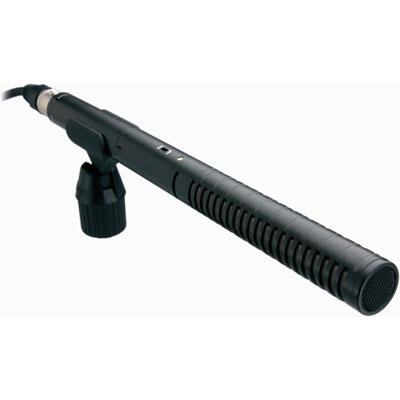
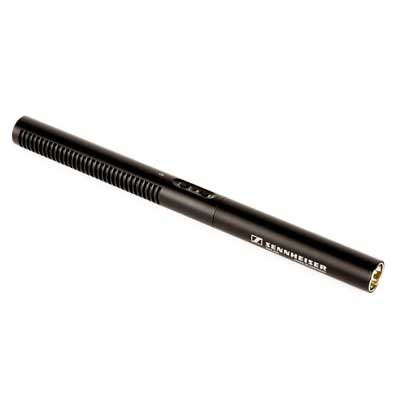
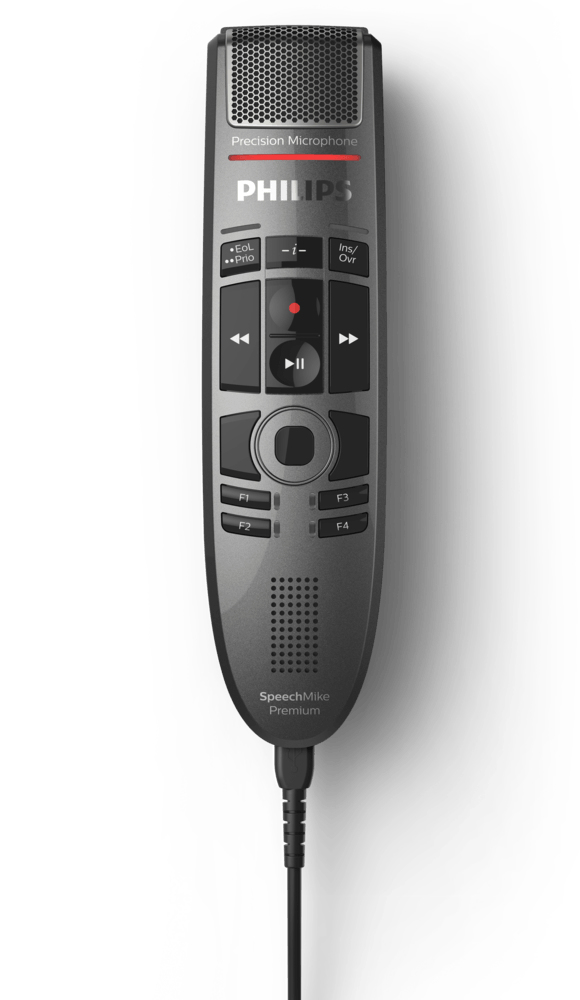
Microphones
How to choose microphones
Sub-type
Audio Components hold bare mics, Electronics covers wireless systems, Audio is the general pool.
Material
metal resists damage yet adds weight, plastic stays light but scuffs, plastic/metal blends split the difference.
Colour
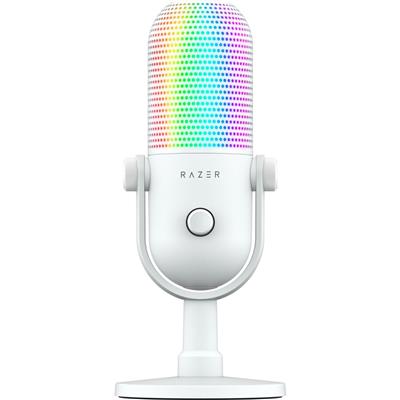
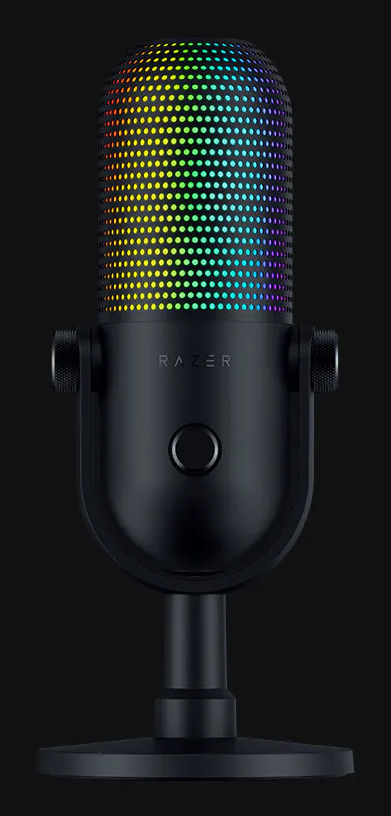
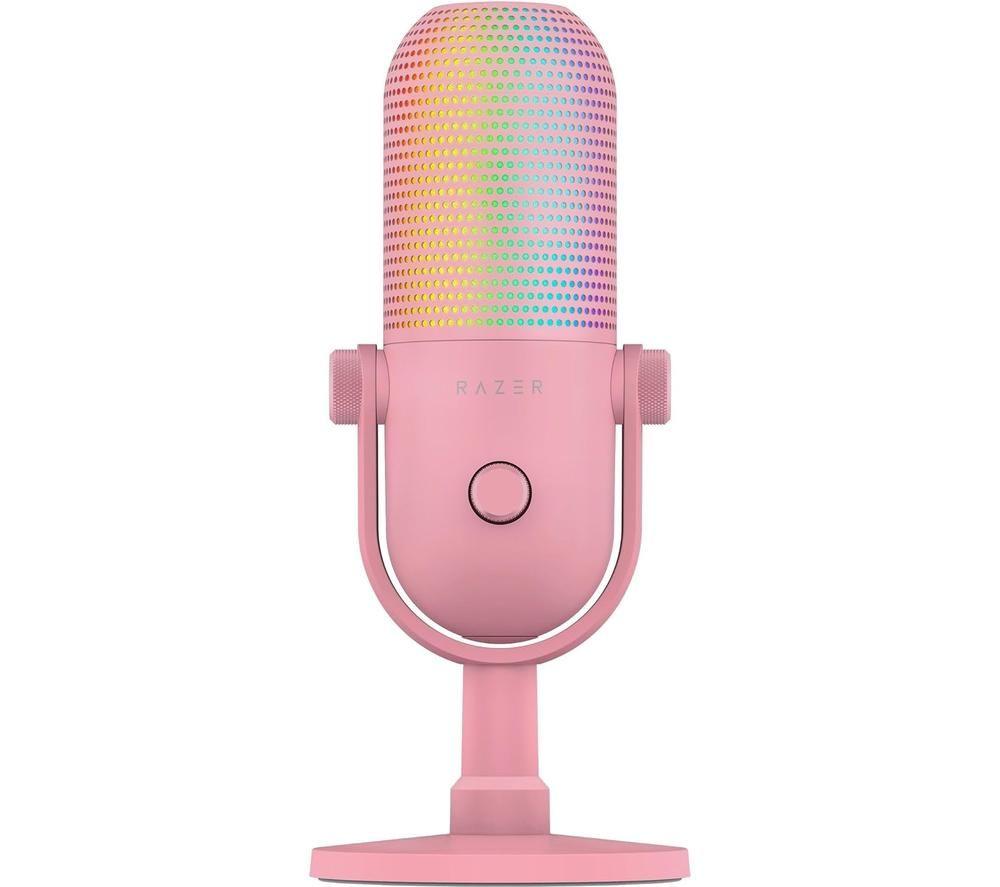
black or grey blend into stages, pink or gold suit a bold look.
Cord
a fixed lead limits movement, wireless frees you but needs charging.
Tier
entry karaoke mics fit casual fun, pro studio condensers fit trained ears.
What's good
- Cordless handheld systems in the Electronics sub-type let performers move without cable trips.
- Studio condenser microphones under Audio Components capture vocal detail for recording work.
- Plastic-bodied karaoke mics stay light in the hand during long home sessions.
- Lavalier condenser types clip on for presentations without a stand.
- Metal-shell dynamic mics take stage knocks that would break plastic.
Things to watch
- Cordless systems need battery power and weigh more than corded mics.
- Condenser mics hear room noise, a poor choice for loud live venues.
- Karaoke mic and speaker combos trade audio accuracy for easy portability.
- Gooseneck condensers mount in place, useless for walk-around acts.
- Metal builds last but tire the arm over a long gig.
Care & maintenance
Cleaning
Wipe metal and plastic bodies with a dry cloth after use.
Battery care
Take batteries out of cordless units before storing to avoid leaks.
Cable care
Support the plug when uncoiling corded mics, never pull the lead.
Grille care
Brush the grille of lavalier and vocal mics to keep sound clear.
Frequently Asked Questions
What should I look for when buying microphones?
When shopping for microphones, consider factors such as quality, price, brand reputation, and customer reviews. Compare prices across multiple retailers to ensure you're getting the best deal. Look for products that match your specific needs and budget.
How do I choose the right microphones?
Choosing the right microphones depends on your individual needs, budget, and preferences. Research different options, read customer reviews, and compare specifications. Consider what features are most important to you and look for products that offer the best value for money.
Where can I find the best deals on microphones?
You can find the best deals on microphones by comparing prices across multiple retailers. Our price comparison tool helps you find the lowest prices from trusted UK retailers including Amazon, eBay, and other major online stores. Check regularly as prices and deals change frequently.
Are microphones products worth the investment?
The value of microphones products depends on your specific needs and how you plan to use them. Quality products from reputable brands often provide better long-term value, even if they cost more initially. Consider your budget and requirements when making your decision.
What's the difference between different types of microphones?
Different types of microphones vary in features, quality, price, and intended use. Some may offer premium features while others focus on affordability. Research the specific differences between models or brands to find the option that best suits your needs and budget.