Washing Machines
How to choose washing machines
Sub-type folder
Listings sit under Laundry Appliances, Household Appliances, or Home & Garden. The sub-type label does not change the machine, so focus on the spec.
Freestanding vs integrated
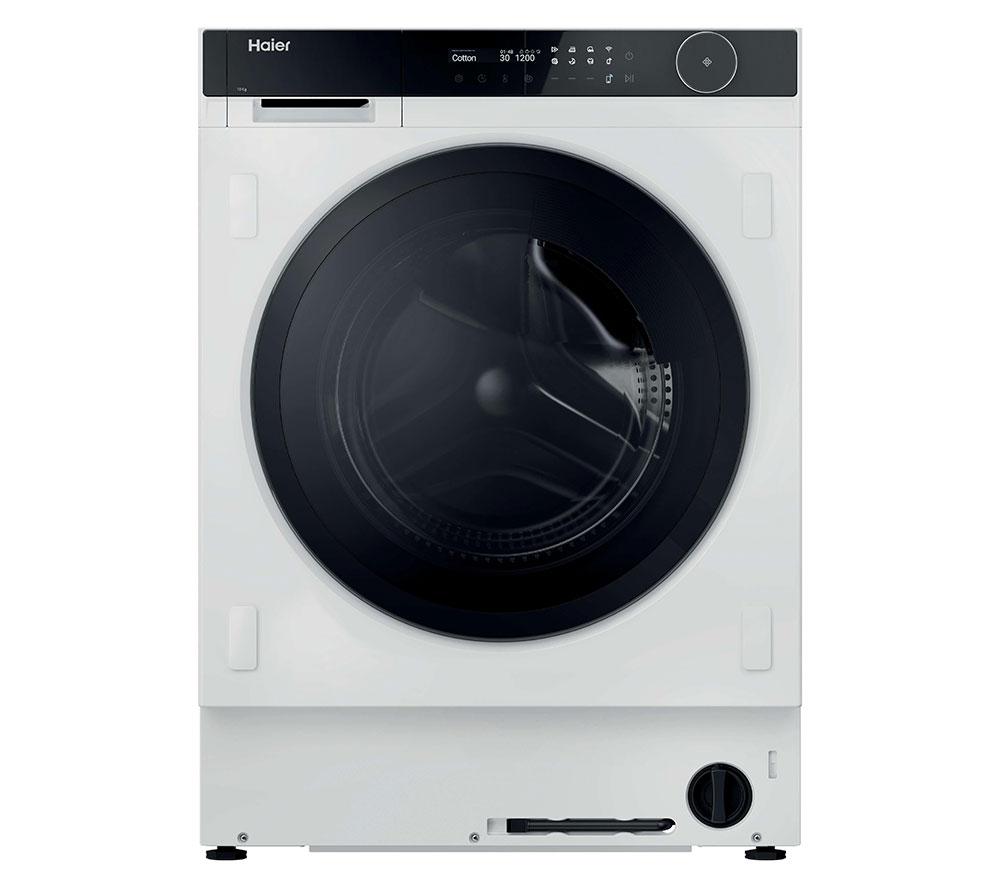
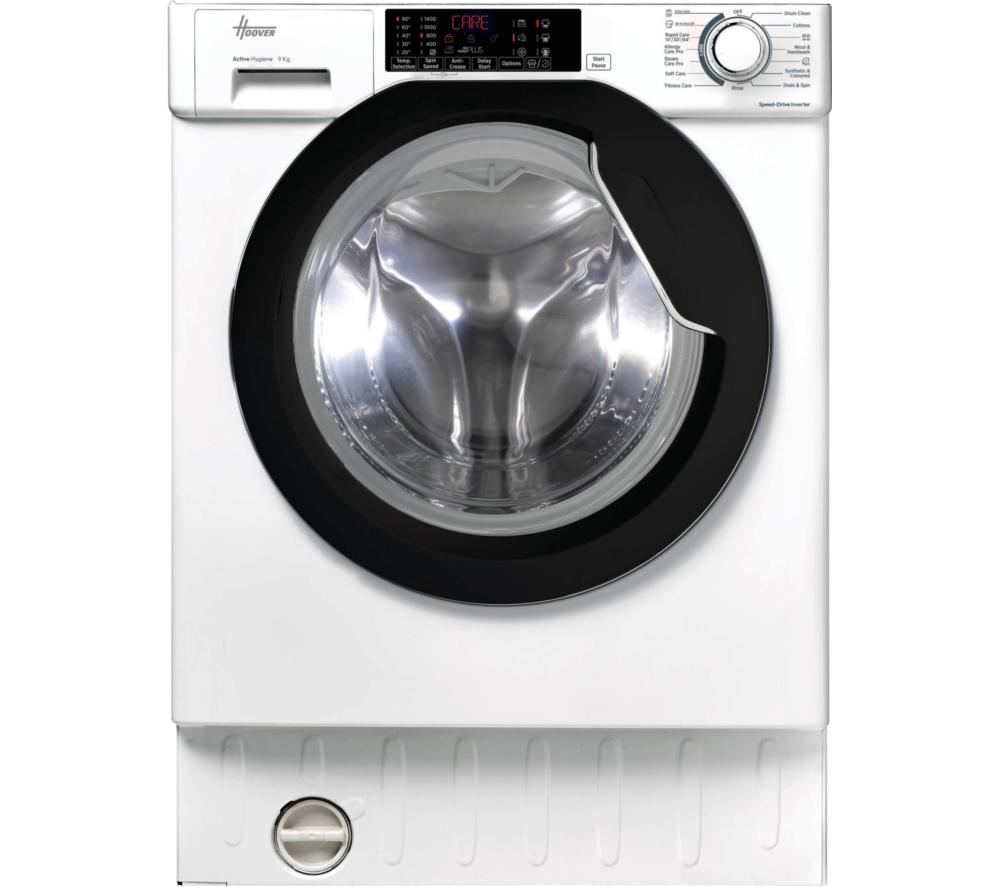
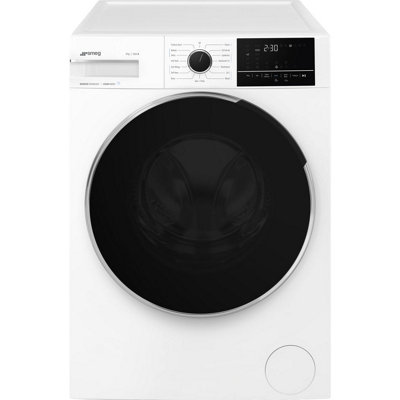
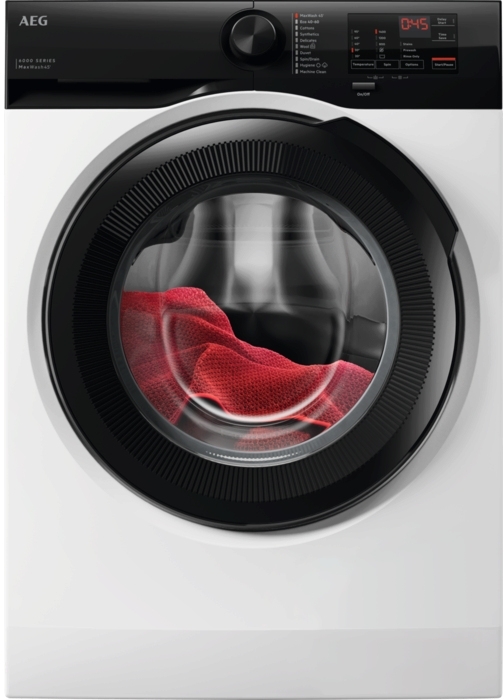
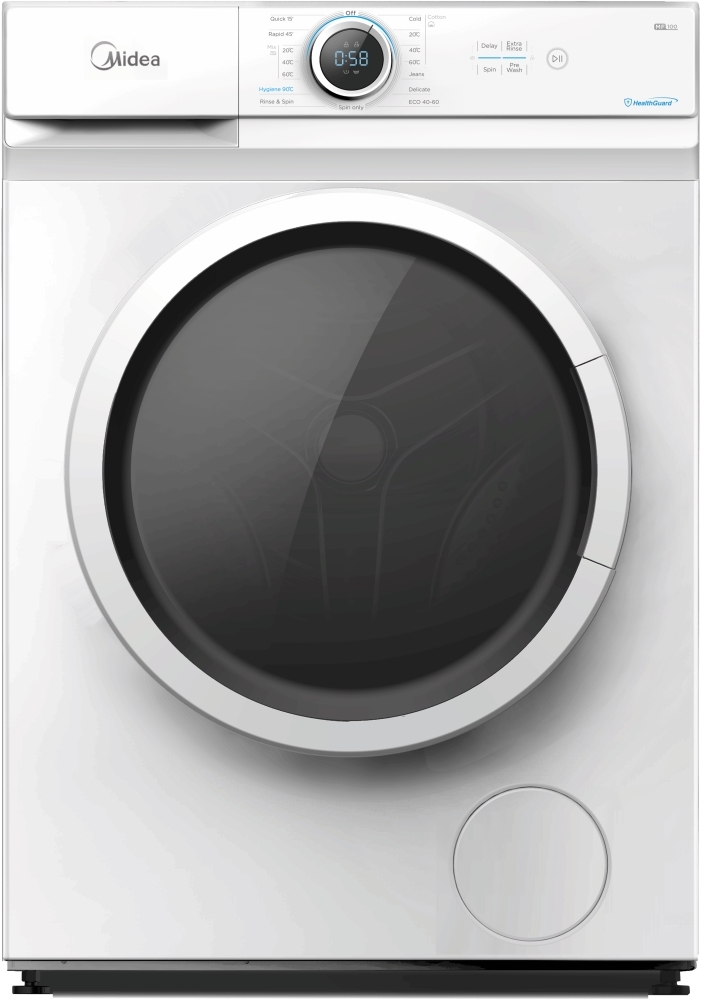
Freestanding is simpler to replace, integrated gives a hidden look but needs carpentry.
Capacity tier
6kg or 7kg for singles, 8kg for average homes, 10kg to 12kg for duvets and big washes.
Spin speed
1200 rpm is calmer, 1400 rpm leaves laundry drier at the cost of sound.
Colour and fabric care
Choose from white, black, grey, graphite, silver, green, blue, blue/light, purple, or anthracite, and check the material axis for wool, cotton/silk, or stainless steel if those matter.
What's good
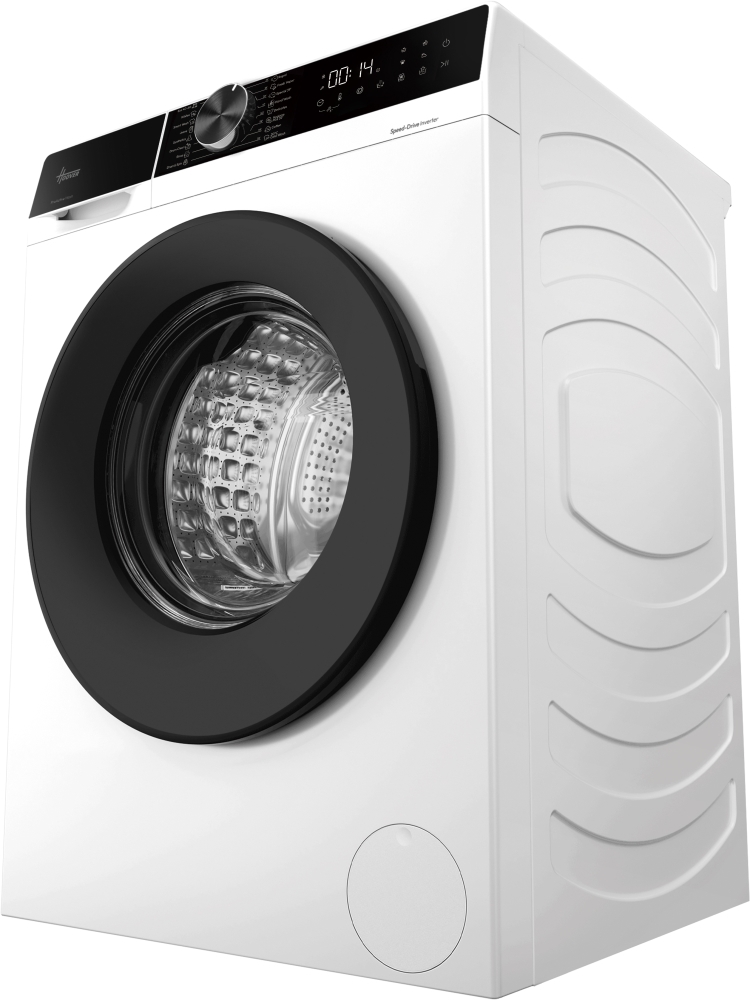
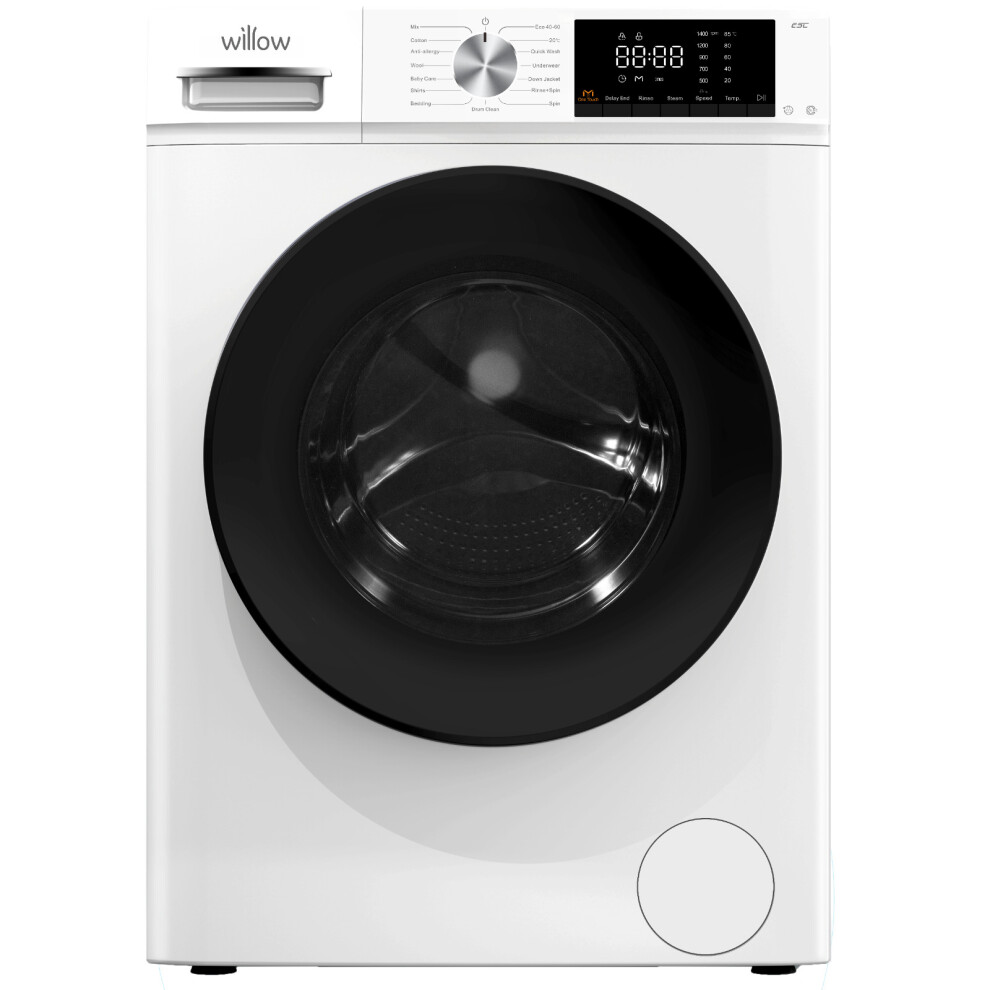
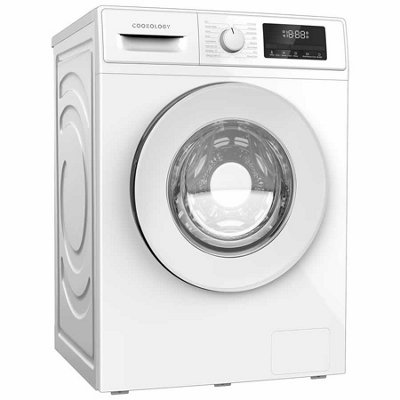
- Freestanding models, common under Laundry Appliances and Household Appliances, fit a standard kitchen gap with no joinery.
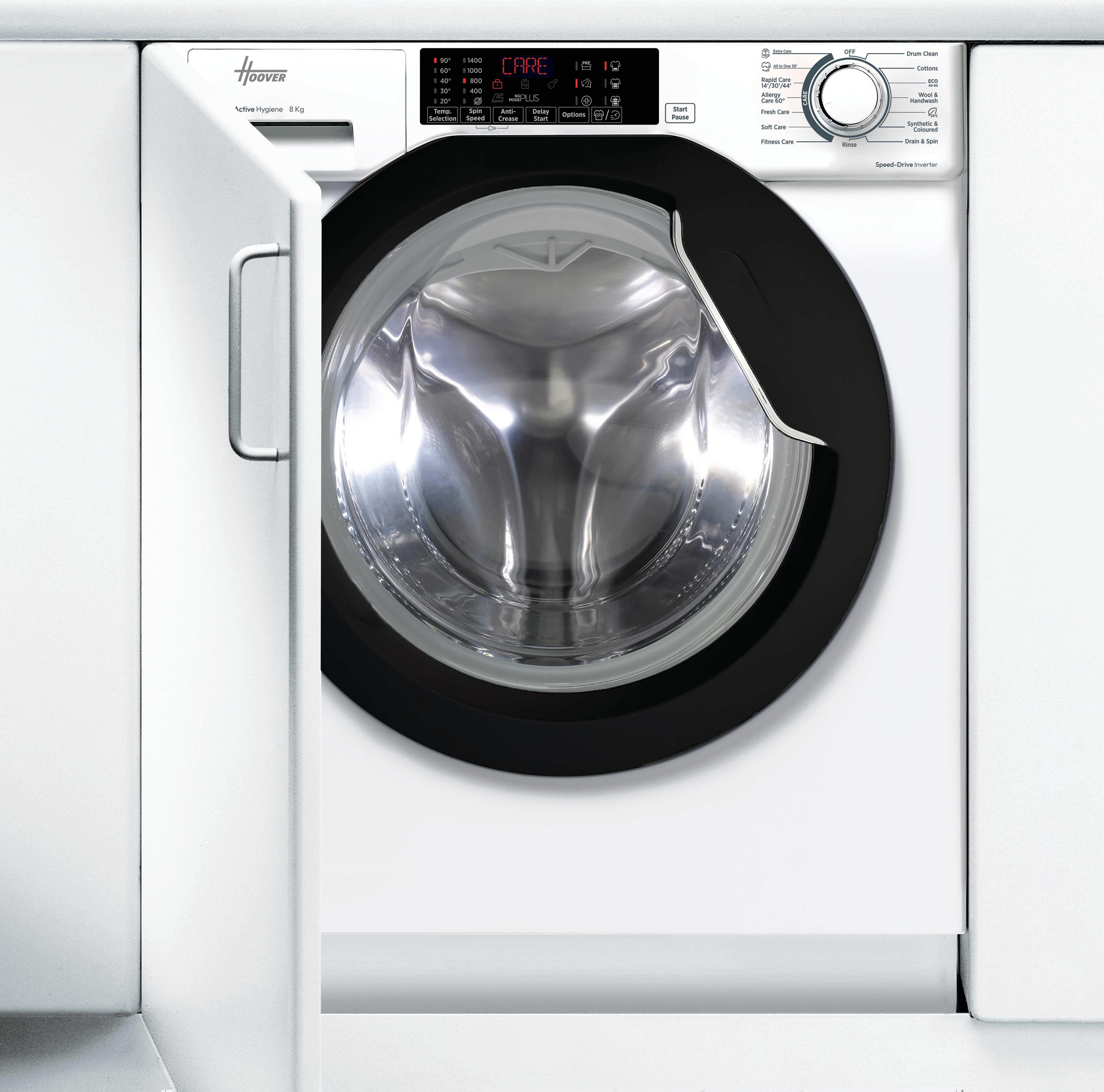
- Integrated washers sit behind a cabinet front for a clean line of cupboards.
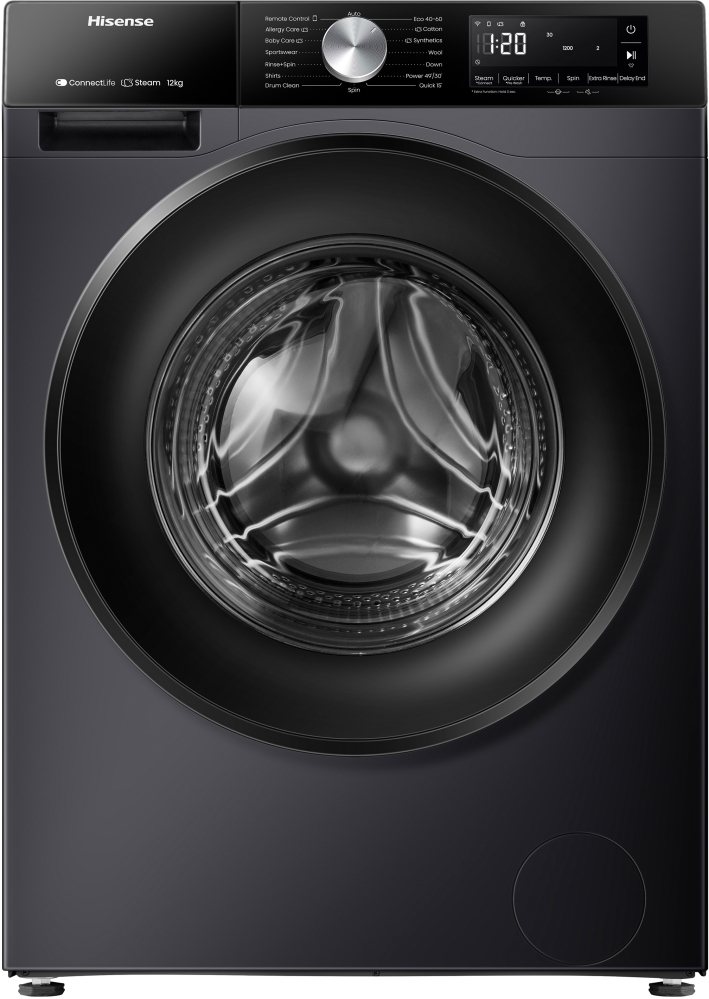
- Capacity tiers run from 6kg to 12kg. A 6kg or 7kg unit saves space for one person, while 10kg or 12kg clears family laundry in one go.
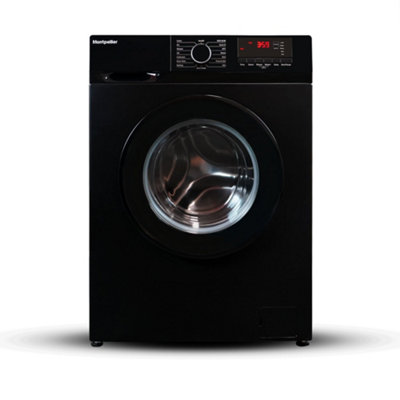
- Colour options include white, black, grey, graphite, silver, green, blue, blue/light, purple, and anthracite. You can match the machine to a coloured kitchen.
- The material axis shows cycles for wool, cotton, silk, and blends. Delicate items get a gentler wash than a basic cotton programme.
Things to watch
- Integrated types need a built cabinet and are harder to pull out for a repair than freestanding ones.
- The 12kg freestanding machines take up more floor area and may not suit a small flat.
- Non-white colours like green, purple, or anthracite appear less often than white, so choice is slimmer.
- A 1400 rpm spin removes more water than 1200 rpm but makes more noise and can shake on uneven floors.
- Some units list plastic or glass in the material axis. These show scuffs faster than a stainless steel build.
Care & maintenance
Seal and drawer
Wipe the door rubber and detergent drawer every few weeks to stop mould in damp rooms.
Empty hot wash
Run an empty hot wash once a month to lift residue from the drum.
Integrated vents
Keep vents clear around integrated installs so air moves behind the carcass.
Pre-check pockets
Empty pockets before a cotton or wool cycle to avoid coins marking the drum.
Frequently Asked Questions
What should I look for when buying washing machines?
When shopping for washing machines, consider factors such as quality, price, brand reputation, and customer reviews. Compare prices across multiple retailers to ensure you're getting the best deal. Look for products that match your specific needs and budget.
How do I choose the right washing machines?
Choosing the right washing machines depends on your individual needs, budget, and preferences. Research different options, read customer reviews, and compare specifications. Consider what features are most important to you and look for products that offer the best value for money.
Where can I find the best deals on washing machines?
You can find the best deals on washing machines by comparing prices across multiple retailers. Our price comparison tool helps you find the lowest prices from trusted UK retailers including Amazon, eBay, and other major online stores. Check regularly as prices and deals change frequently.
Are washing machines products worth the investment?
The value of washing machines products depends on your specific needs and how you plan to use them. Quality products from reputable brands often provide better long-term value, even if they cost more initially. Consider your budget and requirements when making your decision.
What's the difference between different types of washing machines?
Different types of washing machines vary in features, quality, price, and intended use. Some may offer premium features while others focus on affordability. Research the specific differences between models or brands to find the option that best suits your needs and budget.