Food Storage
How to choose food storage
Type
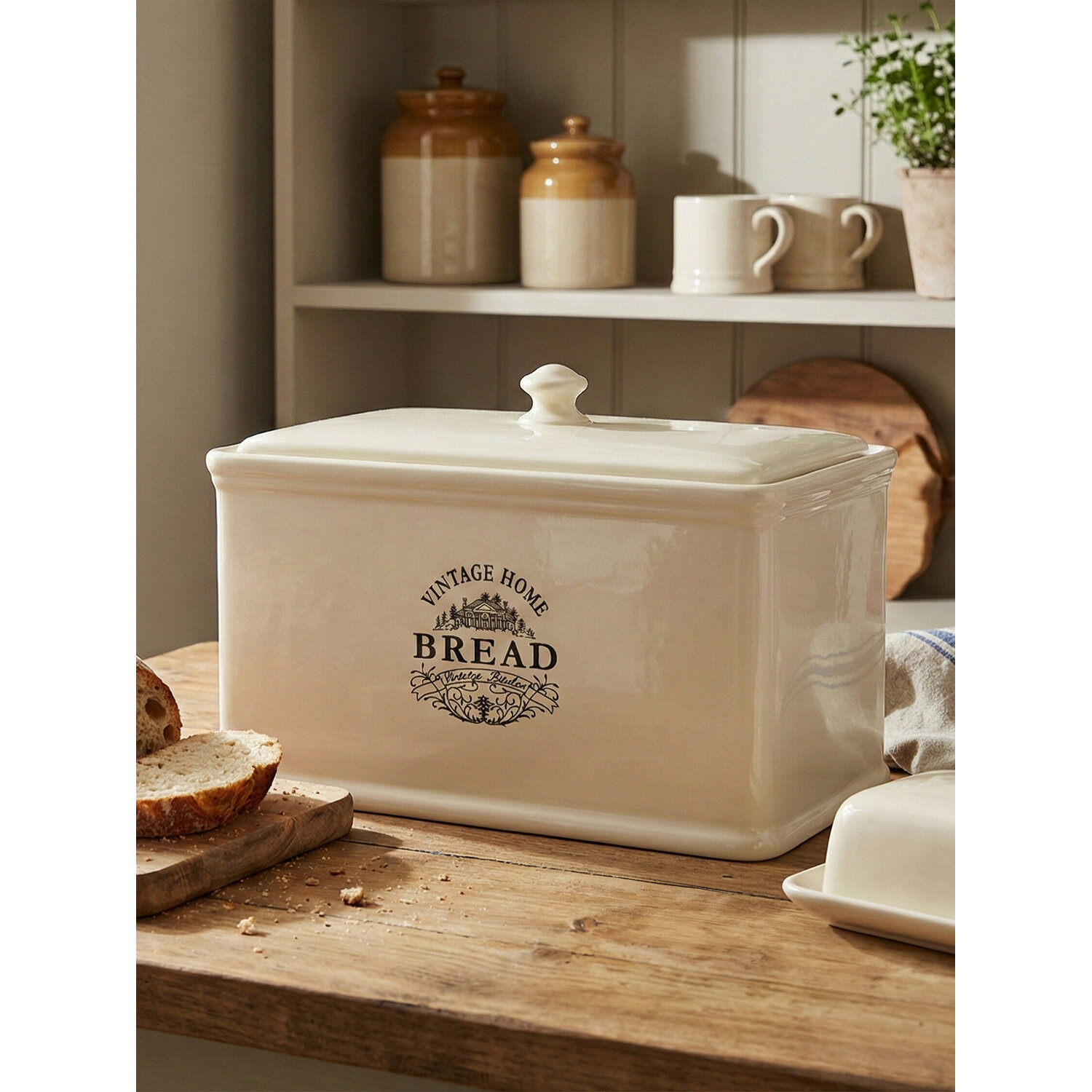
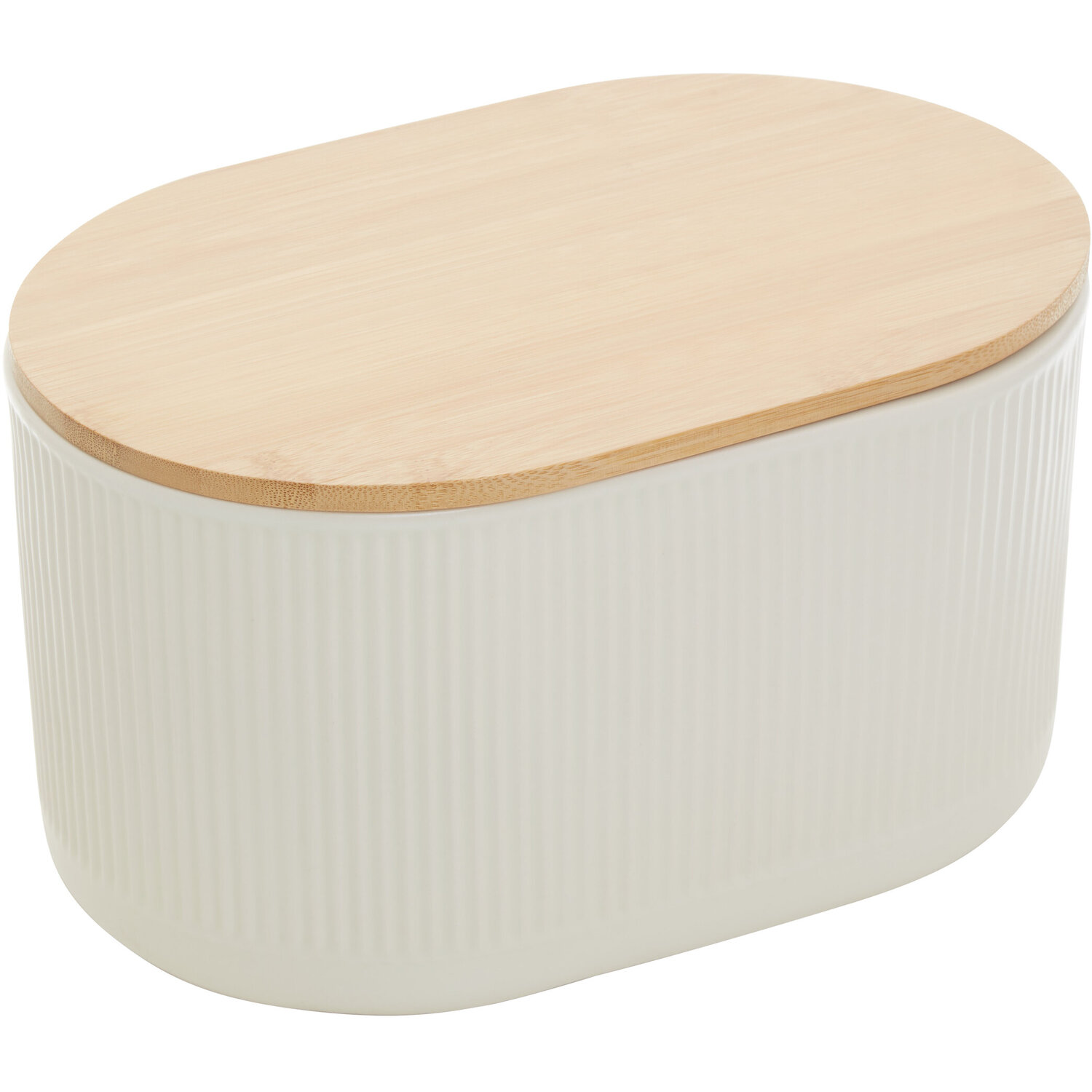
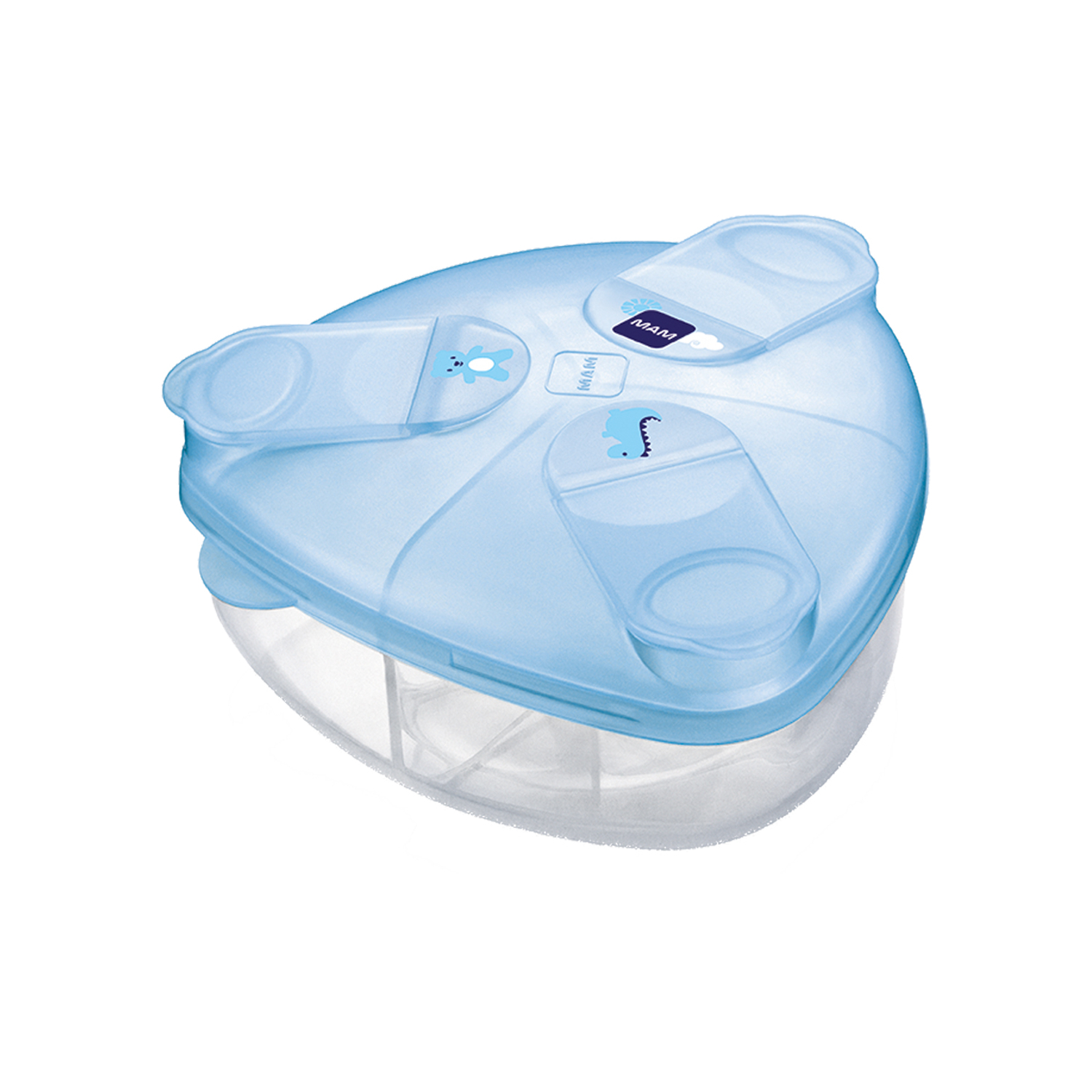
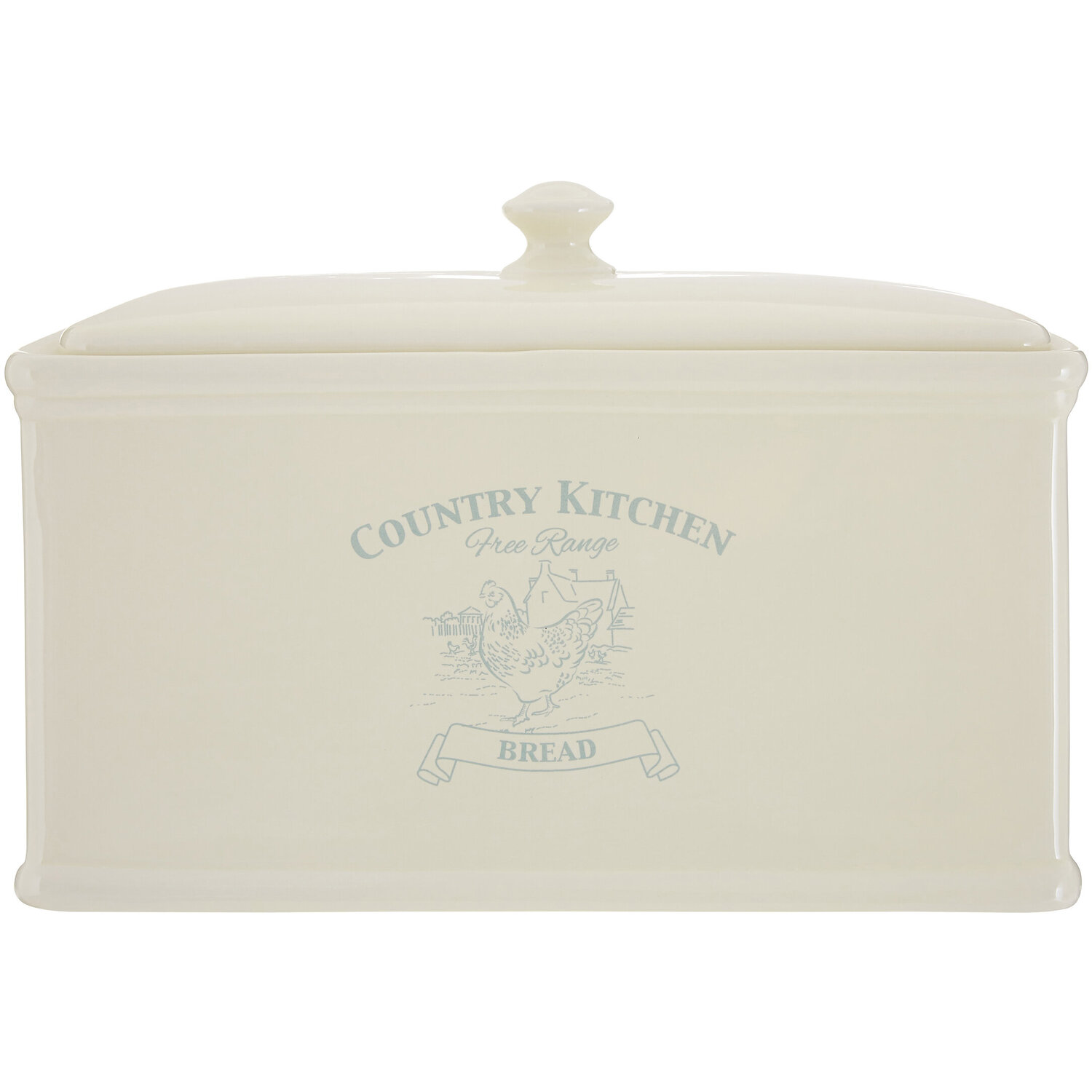
First, pick between Food Storage Containers and Bread Boxes & Bags based on portions versus whole loaves.
Material
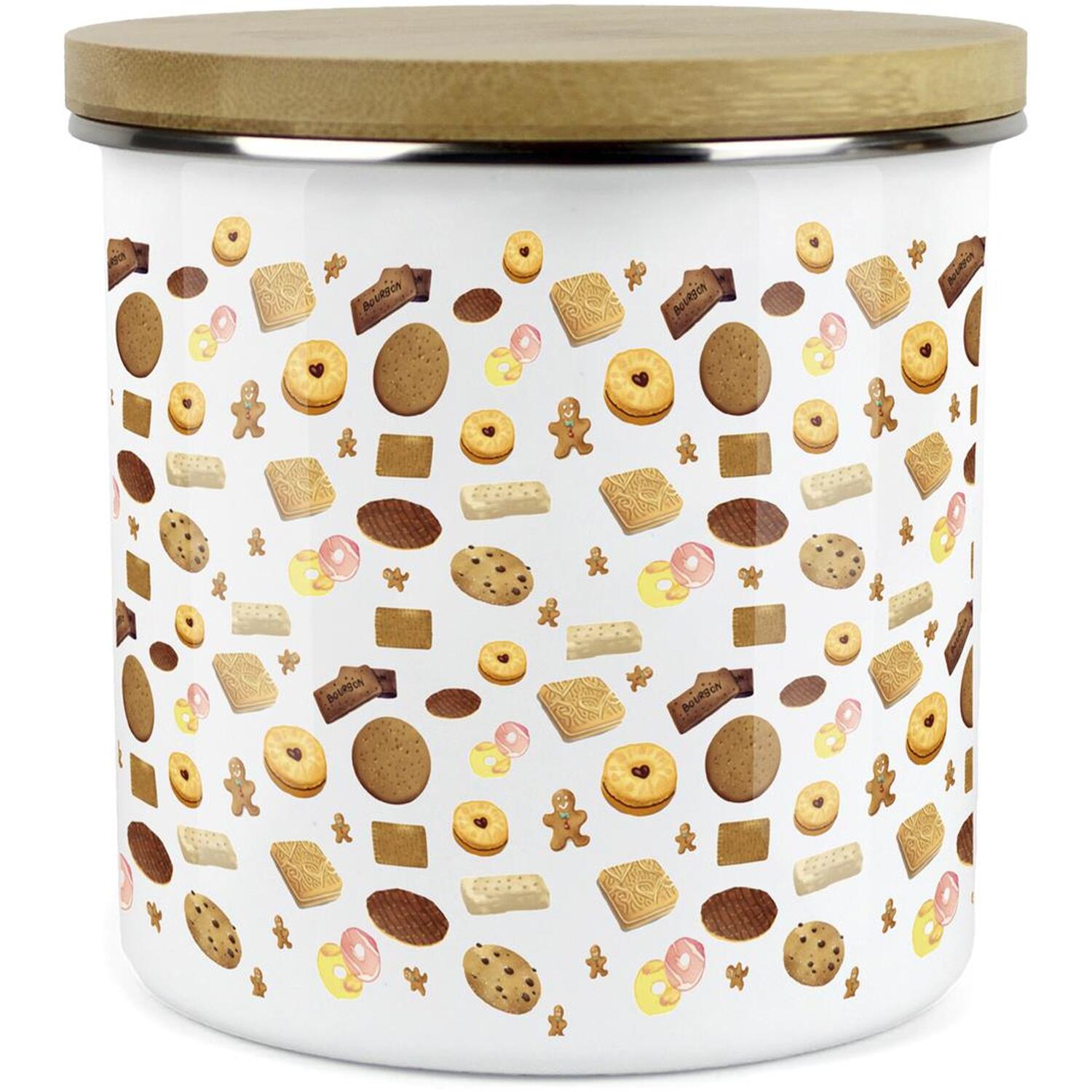
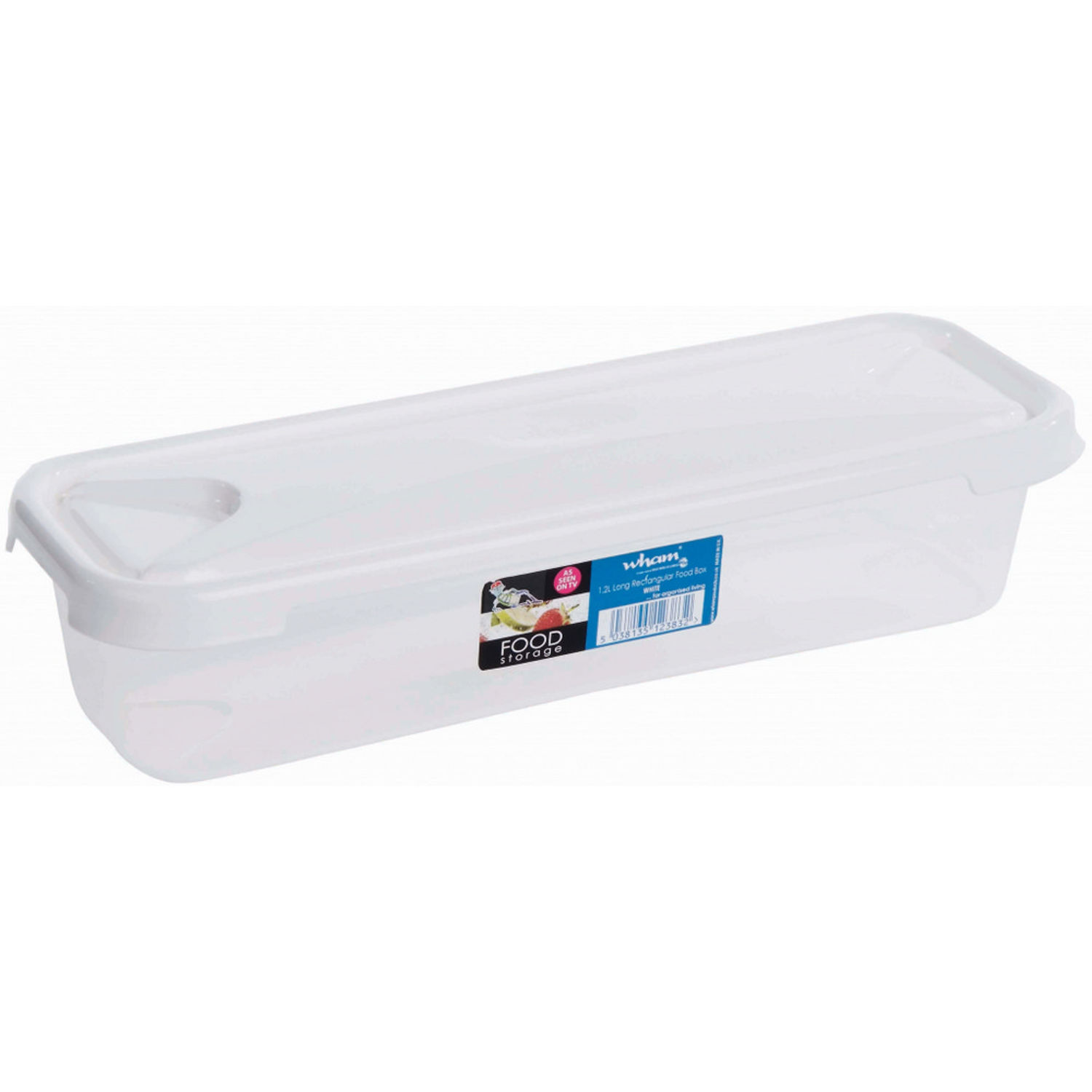
Material drives microwave use: plastic and glass suit reheating, while metal, tin, and stainless steel do not.
Colour
Colour is a tradeoff: clear shows contents but displays clutter, whereas white or grey boxes look tidier.
Usage
If you bake weekly, a metal or wood bread box pays off, but paper or cotton bags fit occasional picnics.
Range
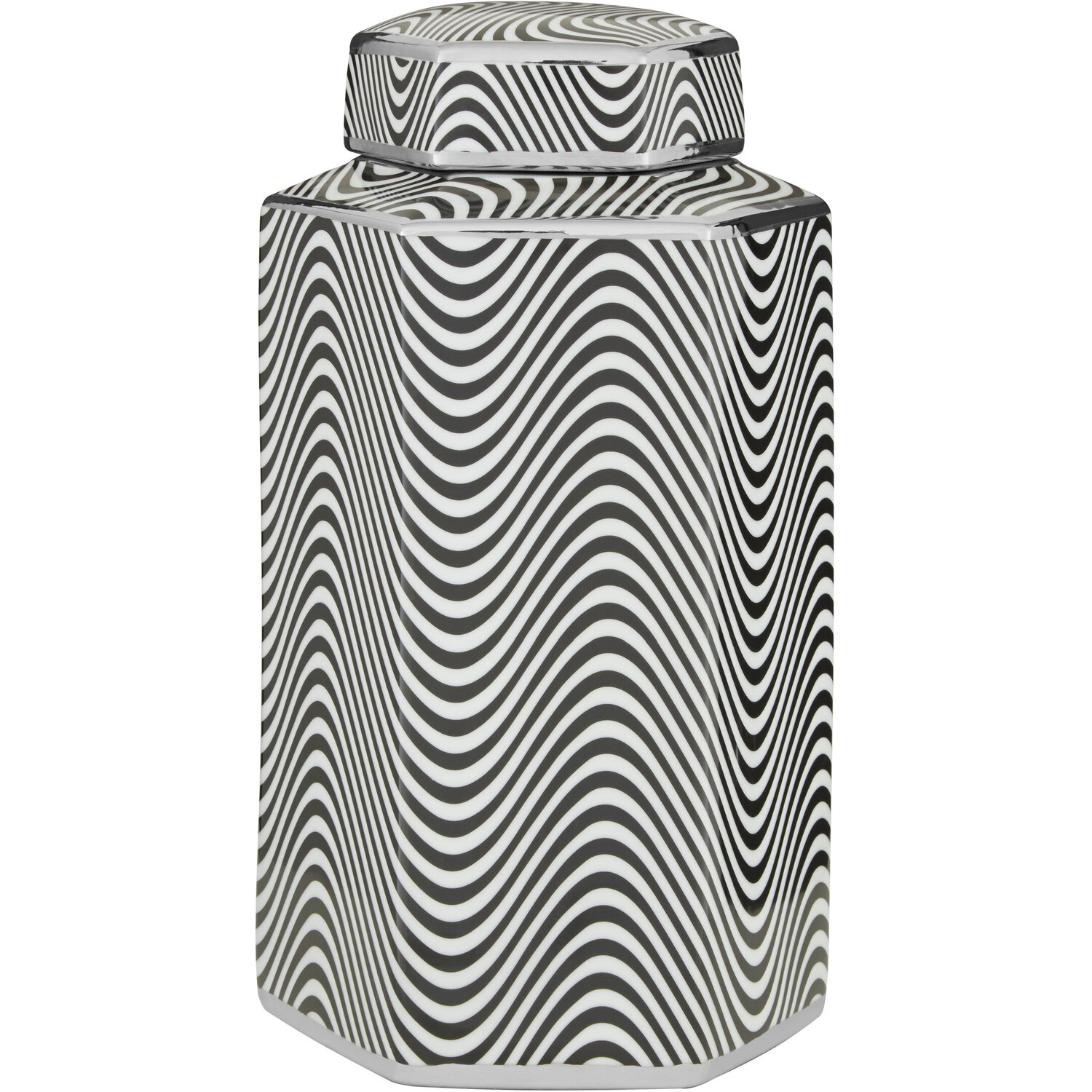
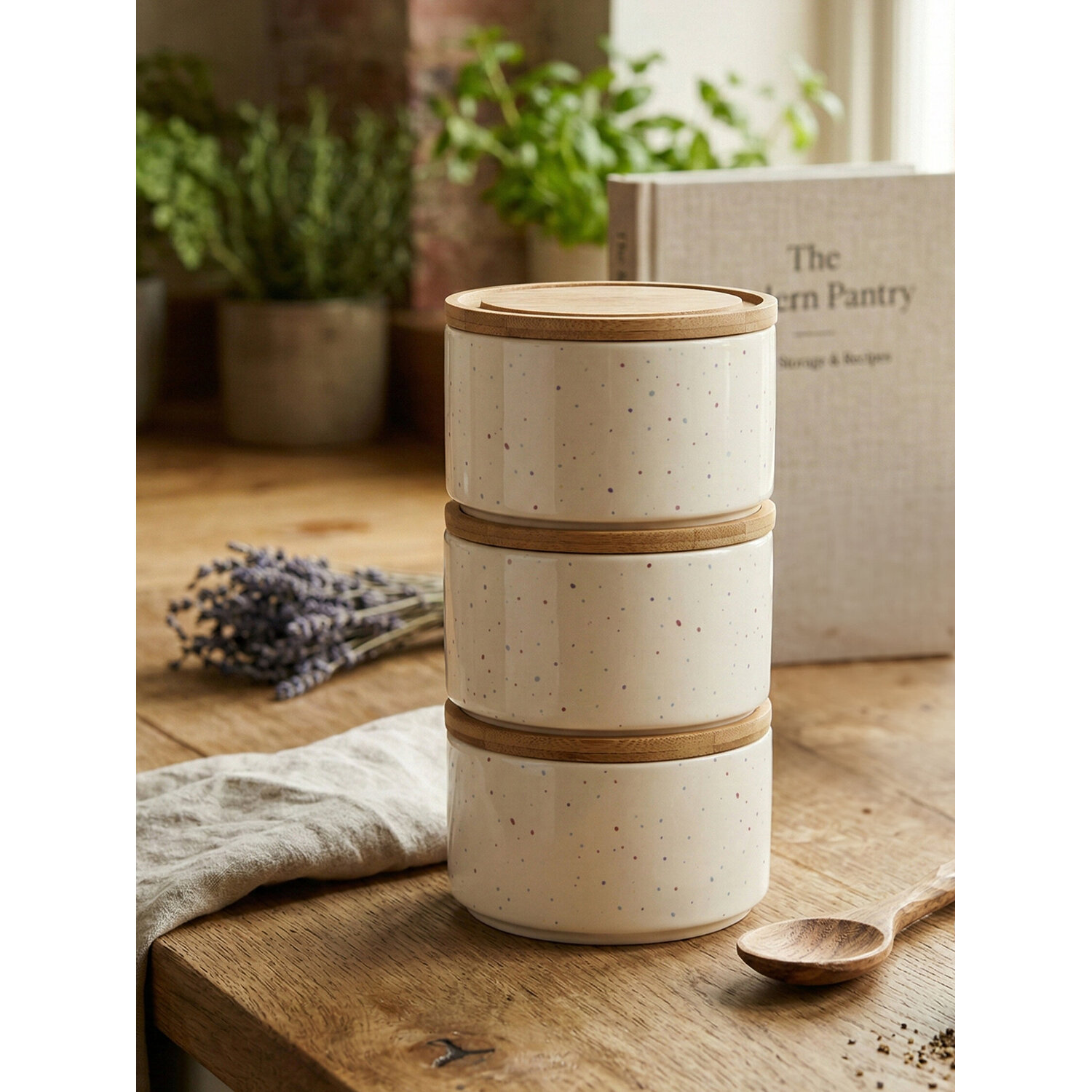
Home & Garden and Kitchen & Dining pieces may look smart on display, yet they often seal less tightly than dedicated containers.
What's good
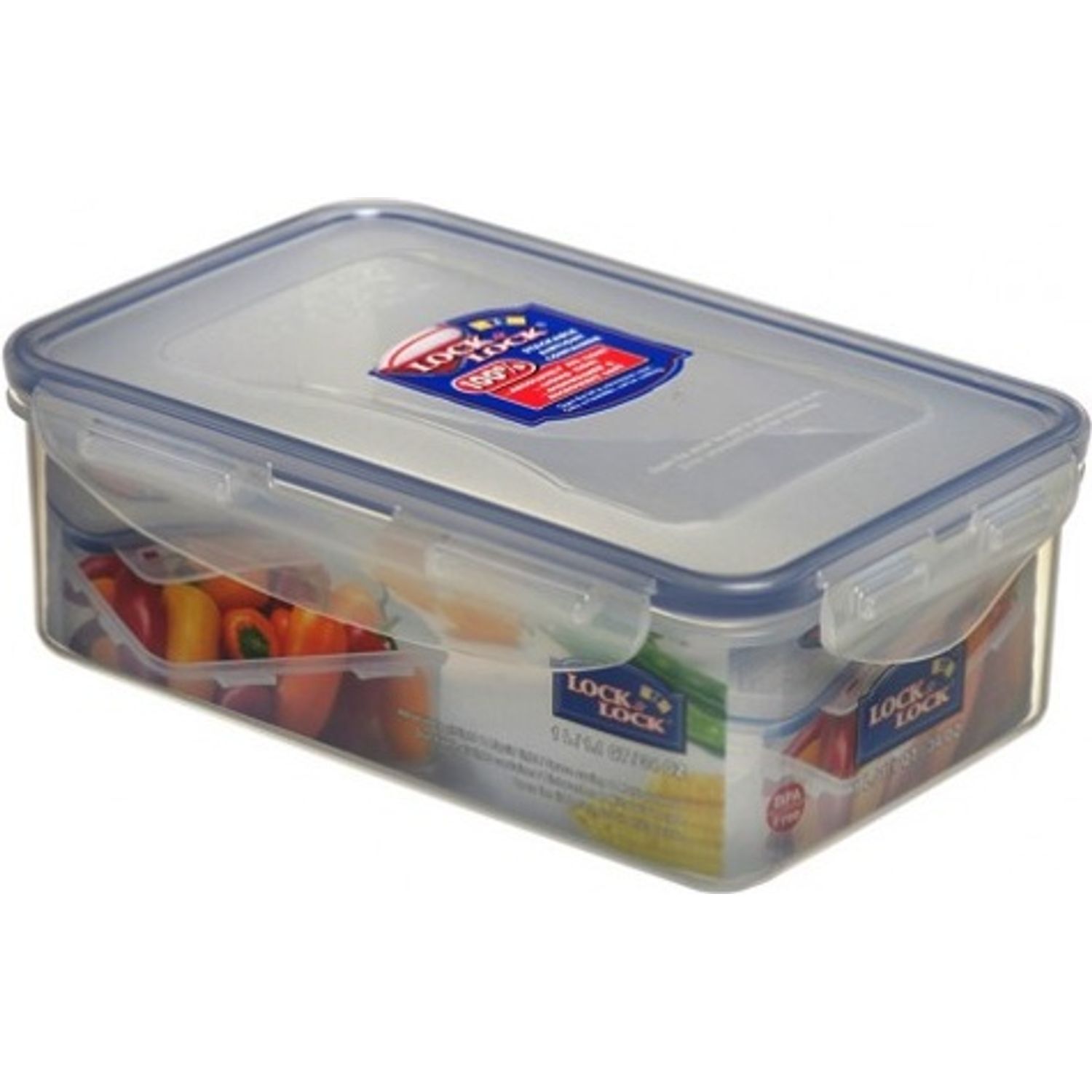
- Plastic food storage containers are light and stack flat, ideal for students and small kitchens.
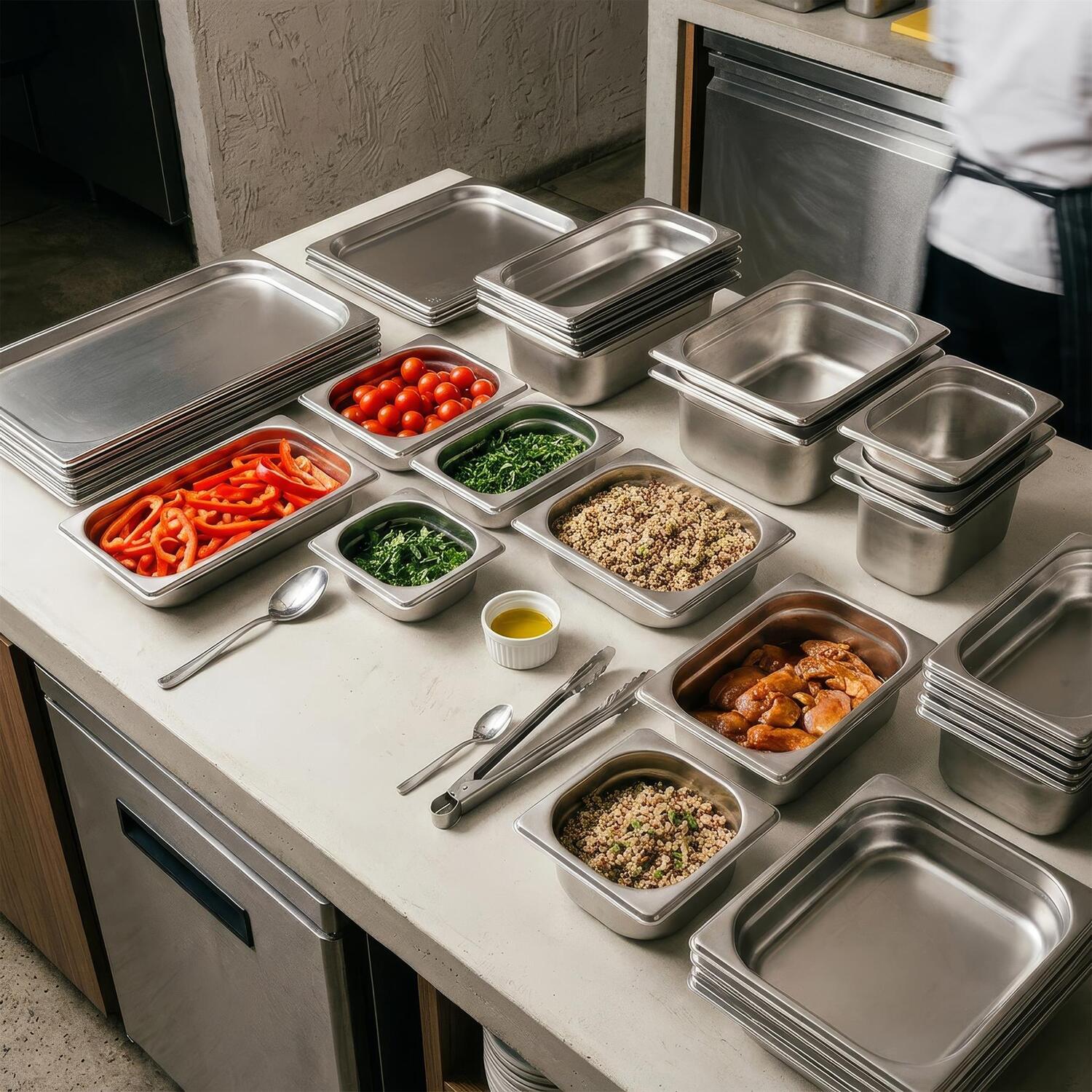
- Glass and stainless steel containers resist stains and smells, suiting anyone prepping meals for the week.
- Bread boxes in metal or wood keep a loaf fresh longer than an open worktop, helping frequent bakers.
- Reusable cotton or silicone bags filed under Bread Boxes & Bags replace cling film for packed lunches.
- Clear containers let you see leftovers at a glance, saving time on busy evenings.
Things to watch
- Glass containers weigh more and can smash if dropped, so they are wrong for nursery lunchboxes.
- Metal, tin, and stainless steel boxes cannot go in the microwave, limiting reheating at the office.
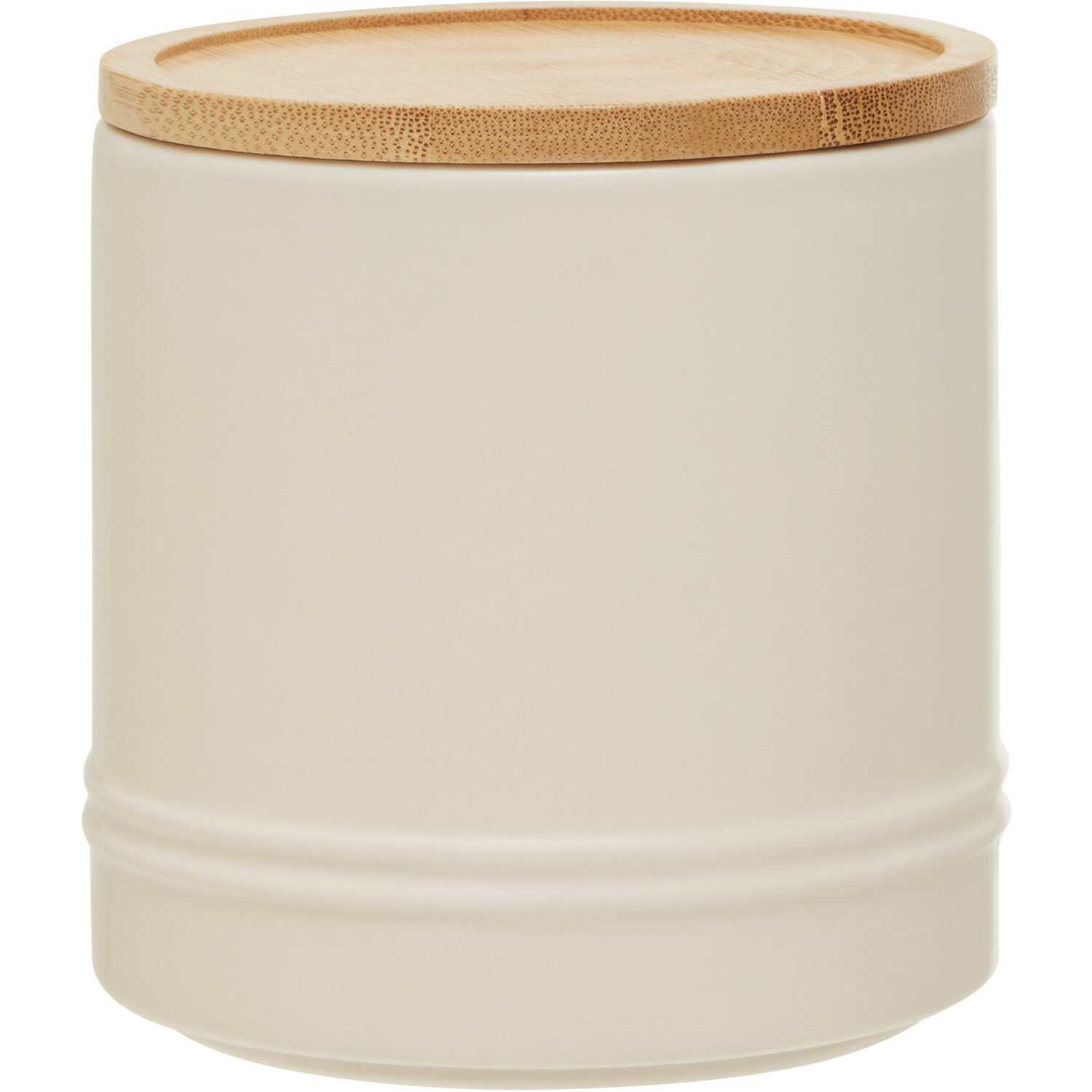
- Wooden or bamboo bread boxes need counter space and regular wiping, unlike paper bags that fold away.
- Cotton bags must be washed after oily fills, less handy than wipe-clean plastic for some users.
- Coloured containers hide contents, which can leave food forgotten if you value visibility.
Care & maintenance
Wash
Wash plastic and silicone items on the top rack or by hand to avoid warping.
Wipe
Wipe wood or bamboo bread boxes with a dry cloth, never soak the material.
Bags
Turn cotton bags inside out and machine wash cold to lift crumbs and light stains.
Glass
Glass jars with tight lids benefit from a warm soak if the seal starts to stick.
Frequently Asked Questions
What should I look for when buying food storage?
When shopping for food storage, consider factors such as quality, price, brand reputation, and customer reviews. Compare prices across multiple retailers to ensure you're getting the best deal. Look for products that match your specific needs and budget.
How do I choose the right food storage?
Choosing the right food storage depends on your individual needs, budget, and preferences. Research different options, read customer reviews, and compare specifications. Consider what features are most important to you and look for products that offer the best value for money.
Where can I find the best deals on food storage?
You can find the best deals on food storage by comparing prices across multiple retailers. Our price comparison tool helps you find the lowest prices from trusted UK retailers including Amazon, eBay, and other major online stores. Check regularly as prices and deals change frequently.
Are food storage products worth the investment?
The value of food storage products depends on your specific needs and how you plan to use them. Quality products from reputable brands often provide better long-term value, even if they cost more initially. Consider your budget and requirements when making your decision.
What's the difference between different types of food storage?
Different types of food storage vary in features, quality, price, and intended use. Some may offer premium features while others focus on affordability. Research the specific differences between models or brands to find the option that best suits your needs and budget.