Motherboards
How to choose motherboards
Sub-type and completeness
First, decide between a full Computer Circuit Board and a Printed Circuit Board. The former runs a PC, the latter suits repairs or custom projects. Listings tagged Electronics or Circuit Boards & Components may be loose parts rather than finished boards.
Form factor
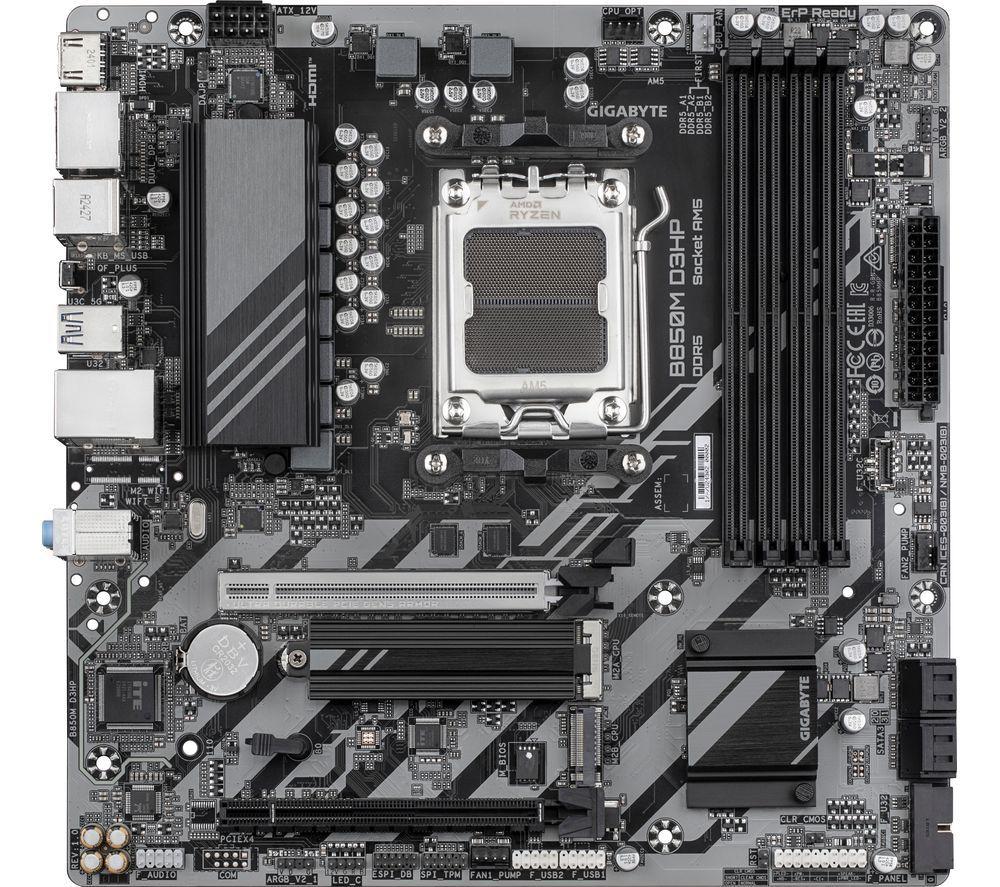
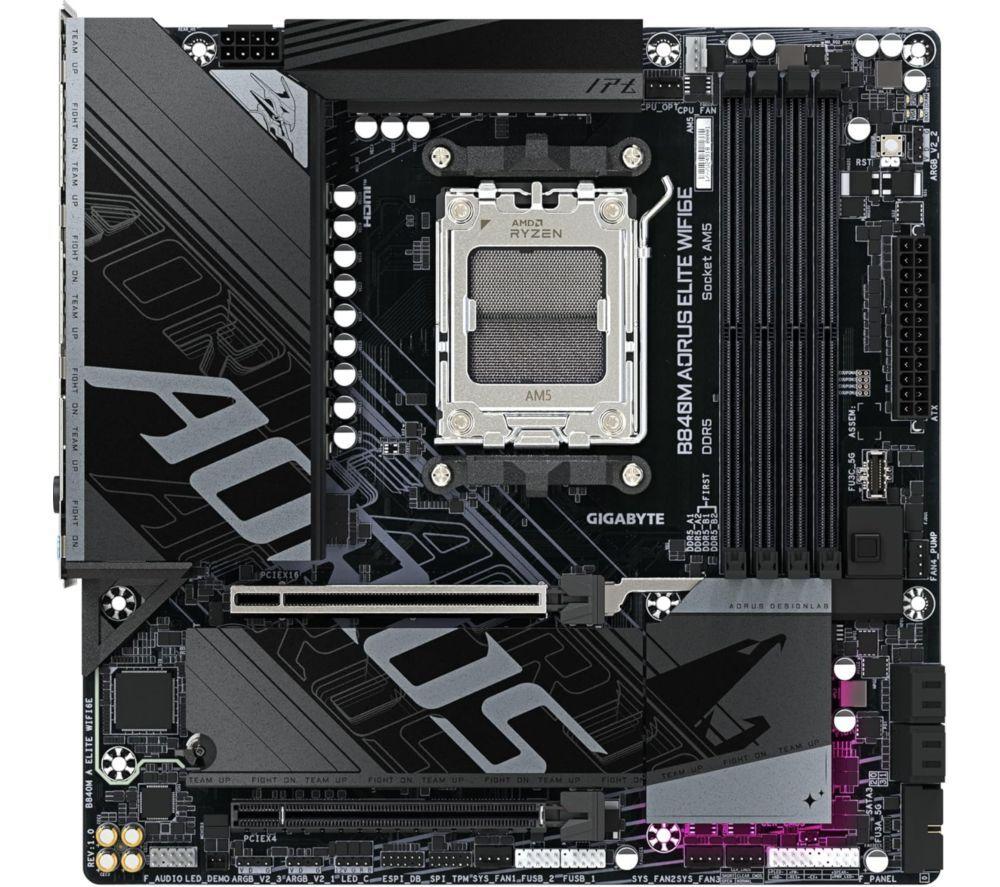
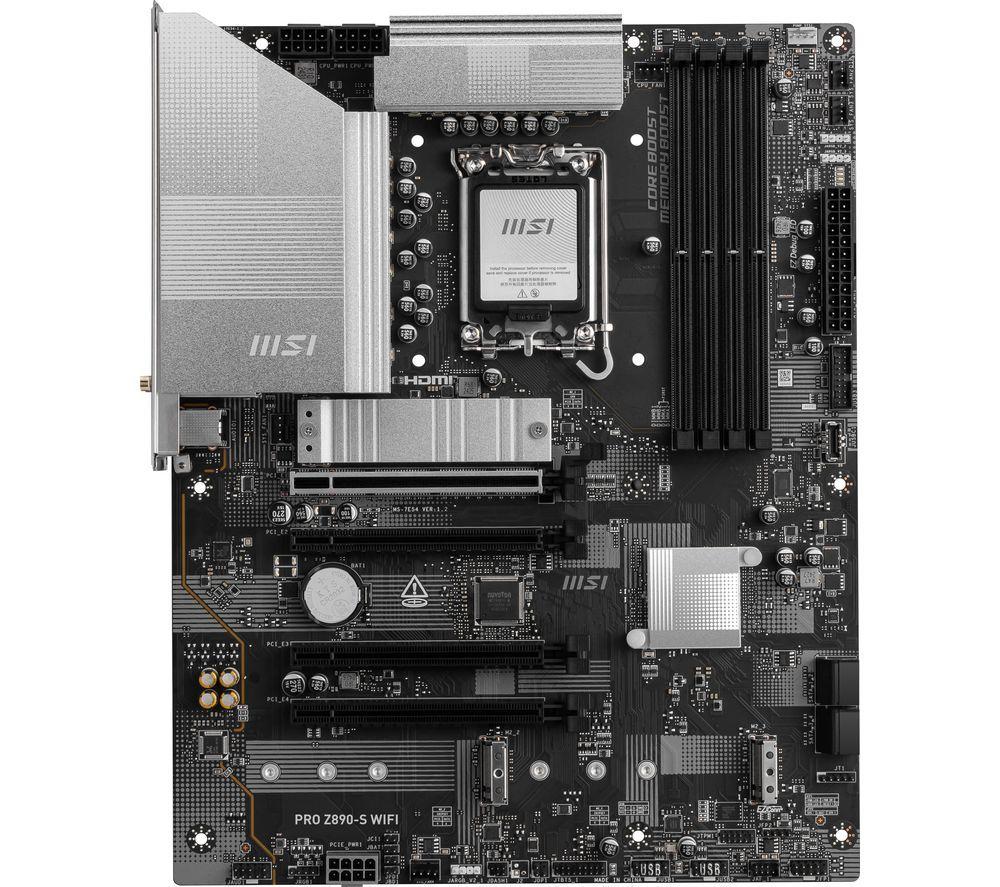
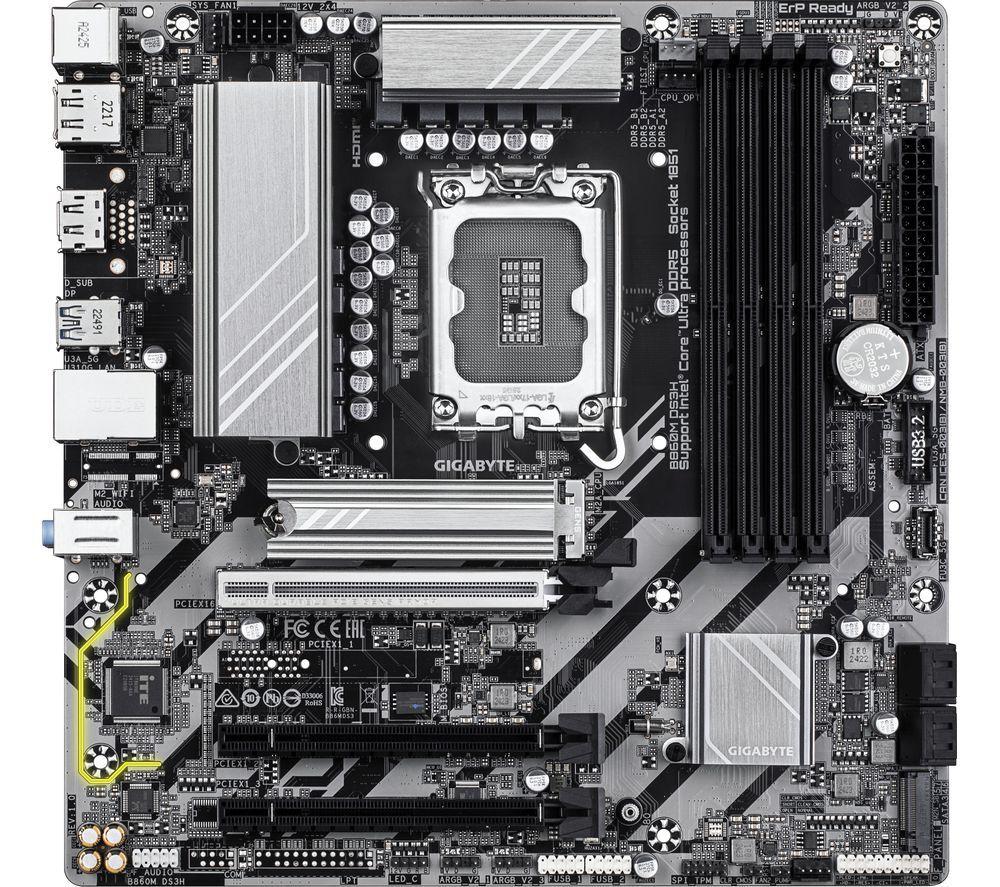
Next, weigh form factor. ATX gives room for expansion, micro-ATX fits compact cases but limits slots. Back-connect micro-ATX variants hide cables but need a compatible case.
Colour and material
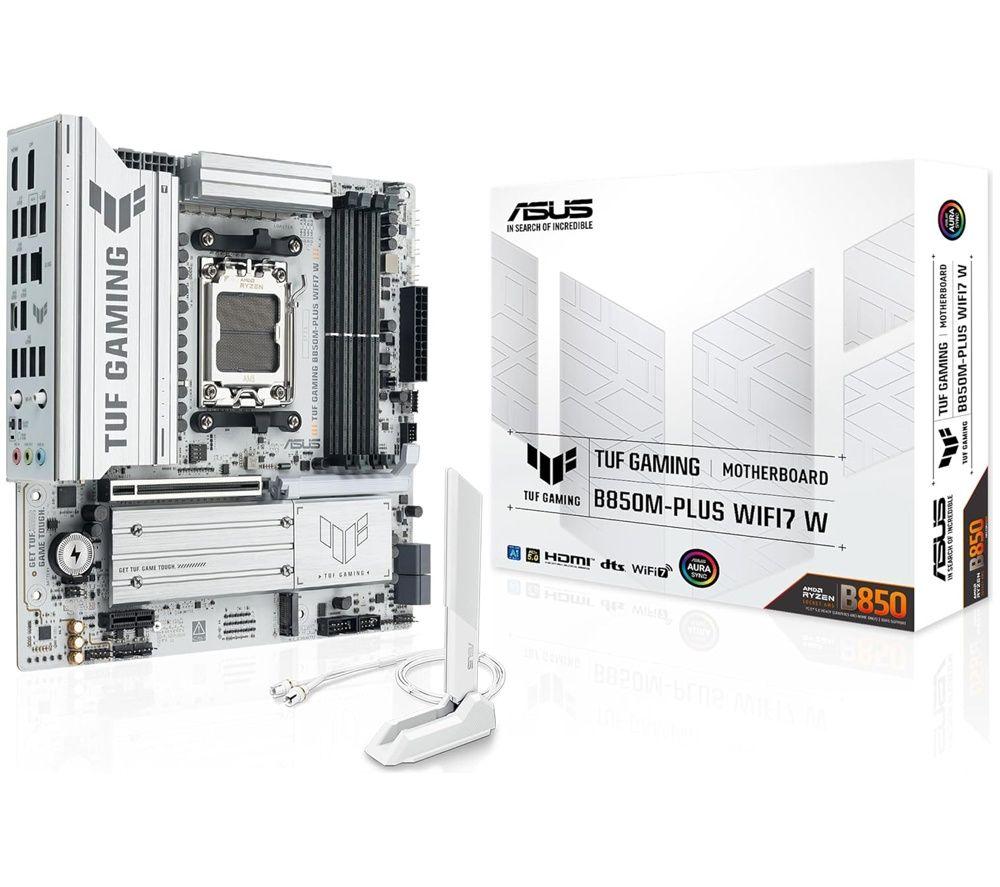
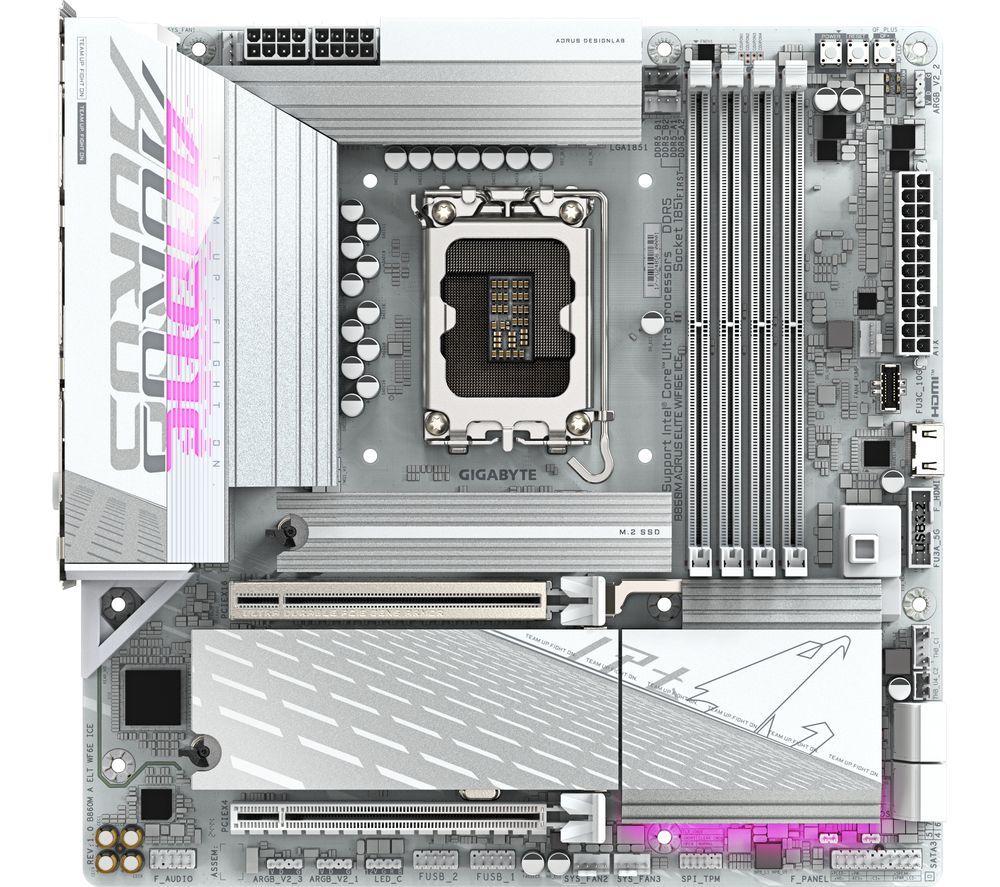
Colour and material matter for look and build. Black or dark steel reads as subtle and tough, while white or silver/white suits showcase cases but may pair with lighter materials. Gold, blue or green finishes are available if you want accent.
Brand tier
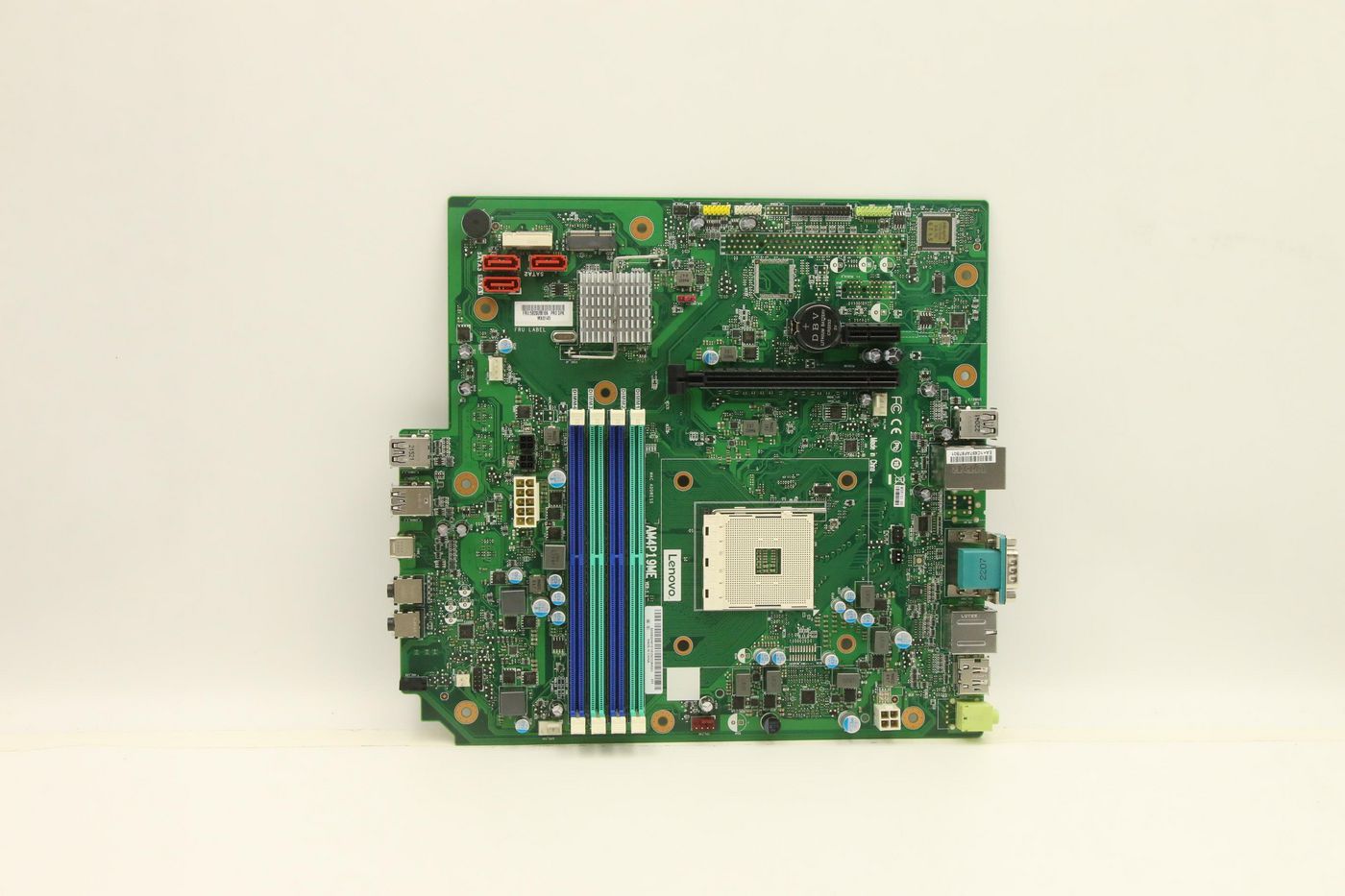
Brand tier is a real choice. Mainstream Asus, Gigabyte, MSI, ASRock and Lenovo offer known support, whereas Saudism, Jojomino, Exogio, Tauoh, Spactz, Kepptory and Tlily appear as alternative labels. HP and Dell boards often target prebuilt replacements.
Bundle versus solo
Finally, choose bundle or solo. AWD-IT style CPU bundles pair board and chip to avoid mismatch, but a standalone board lets you keep an existing processor.
What's good
- The category spans finished Computer Circuit Boards and raw Printed Circuit Boards. You can buy exactly the tier you need, from a ready board to a base for custom work.
- Choosing a CPU bundle pairs the motherboard with a matching processor. This removes the risk of socket mismatch on AMD or Intel builds.
- Full-size ATX boards in this range offer more PCIe and RAM slots than micro-ATX variants. That suits users wanting expansion room.
- Opting for a board with metal or steel material gives a rigid platform for heavy coolers. The attribute list shows steel and copper/steel builds alongside lighter ones.
- A wide brand range spans established names like Asus, Gigabyte and MSI to smaller labels such as Tlily and Kepptory. That lets you match the support level to your skill.
Things to watch
- Bare Printed Circuit Boards and listings under Circuit Boards & Components or Electronics often lack I/O ports and BIOS. They need extra parts before they function.
- Micro-ATX boards trade expansion for a smaller footprint. They are wrong for builds needing many add-in cards or multiple GPUs.
- Some materials in the range, such as plastic/paper or fur, suggest lighter construction. These may not survive rough handling like steel or metal boards.
- CPU bundles lock you to one chip generation and socket. You lose the freedom to swap a solo board later.
- Boards in bright colours like gold/red or green may clash with a muted case theme. The colour axis offers many options, but not all fit every build.
Care & maintenance
Storage
Store bare Printed Circuit Boards flat in anti-static bags to avoid flex damage.
Cleaning
Dust metal or steel reinforced boards with a dry brush every few months. Focus on heatsinks and back-connect points.
Fixture checks
Check screw tension on micro-ATX and back-connect boards after transport. Loose fittings can cause shorts.
Liquid safety
Keep liquids away from boards with copper or gold traces. Corrosion can ruin conductivity.
Frequently Asked Questions
What should I look for when buying motherboards?
When shopping for motherboards, consider factors such as quality, price, brand reputation, and customer reviews. Compare prices across multiple retailers to ensure you're getting the best deal. Look for products that match your specific needs and budget.
How do I choose the right motherboards?
Choosing the right motherboards depends on your individual needs, budget, and preferences. Research different options, read customer reviews, and compare specifications. Consider what features are most important to you and look for products that offer the best value for money.
Where can I find the best deals on motherboards?
You can find the best deals on motherboards by comparing prices across multiple retailers. Our price comparison tool helps you find the lowest prices from trusted UK retailers including Amazon, eBay, and other major online stores. Check regularly as prices and deals change frequently.
Are motherboards products worth the investment?
The value of motherboards products depends on your specific needs and how you plan to use them. Quality products from reputable brands often provide better long-term value, even if they cost more initially. Consider your budget and requirements when making your decision.
What's the difference between different types of motherboards?
Different types of motherboards vary in features, quality, price, and intended use. Some may offer premium features while others focus on affordability. Research the specific differences between models or brands to find the option that best suits your needs and budget.