Tennis Balls
How to choose tennis balls
Sub-type first. Pick Tennis for real play, or Athletics and Sporting Goods for alternative materials like tin, paper or cardboard.
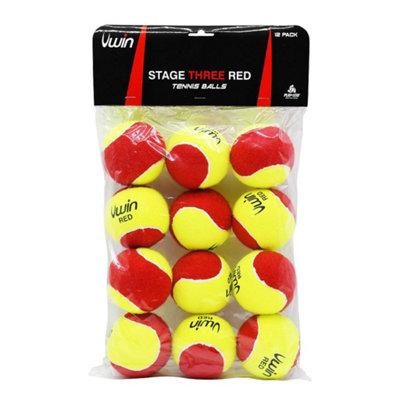
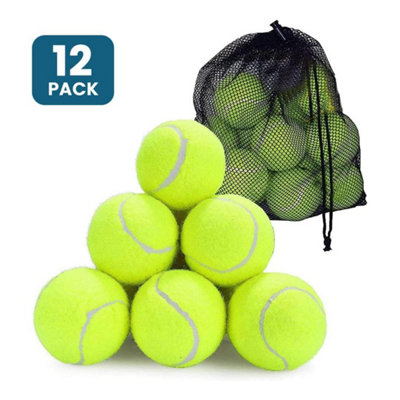
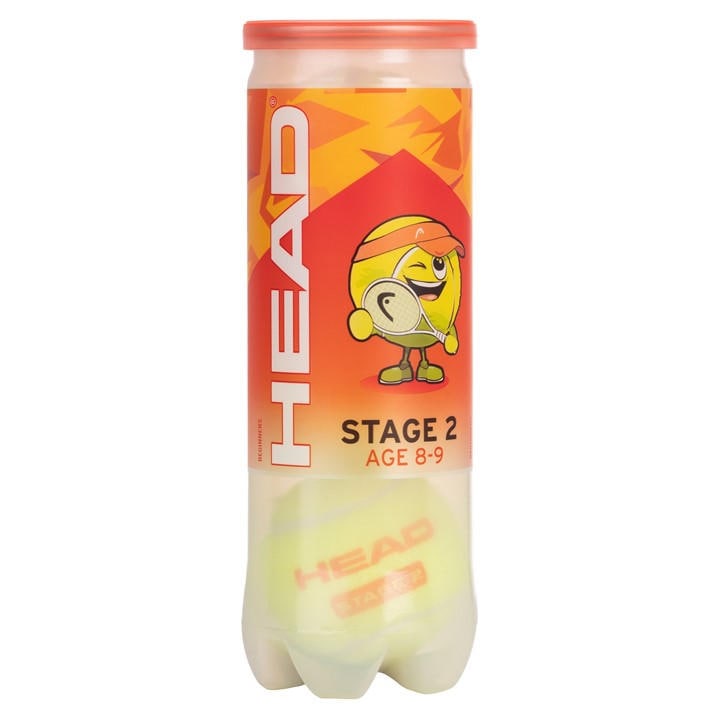
Colour and stage. Yellow for adults, green (stage 1) or orange (stage 2) for learners, red for mini tennis.
Material. Felt/rubber or polyester/rubber for matches, clay/plastic/cardboard for decoration or training aids.
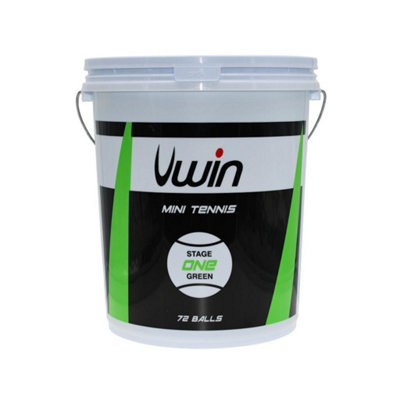
Quantity tier. Singles or 4-ball sleeves for personal use, 72-ball buckets for club and team drills.
Surface link. Clay court balls for loose ground, all-court felt/rubber for general sessions.
What's good
- Tennis subtype balls span yellow, green, orange and red, and that colour range maps to skill stages. Stage 1 green and stage 2 orange slow the rally for juniors.
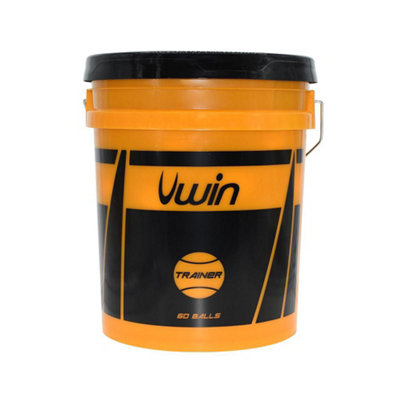
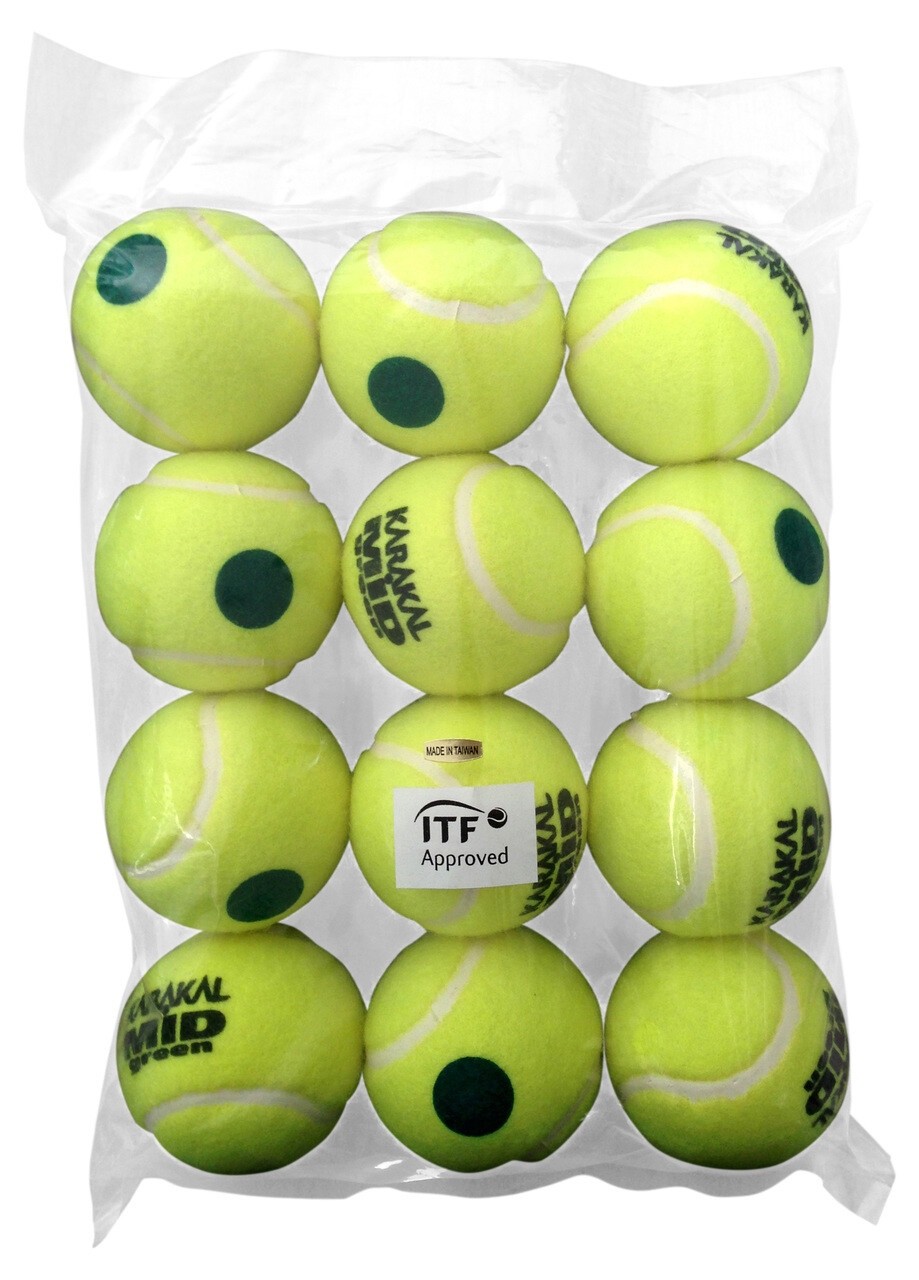
- Bulk buckets hold 72 training balls, giving coaches volume for drills without constant restocking.
- Clay court variants use felt/rubber built for loose ground, which gives steady bounce on clay.
- Sporting Goods and Athletics subtypes include plastic, paper, cardboard and tin, useful for novelty or display where play is not the goal.
- Multiple choices (pink, grey, multi) let you match team shades or visibility needs without leaving the category.
Things to watch
- Stage 1 and stage 2 balls are low compression, so adult players find them dead next to standard yellow.
- Bulk training buckets prioritise quantity, which means they skip the can or sleeve packaging handy for a gift or pocket.
- Tin, clay, gold, paper or cardboard builds in the non-tennis subtypes will not survive a rally, and they are wrong for match use.
- Athletics subtype items may be sized for other sports, so check the sub-type if you need true tennis ball dimensions.
- Clay court specific balls are tuned for that surface, and using them on hard courts misses their design.
Care & maintenance
Keep felt/rubber tennis balls in the sealed can or sleeve until you reach the court, so pressure stays longer.
Store bulk bucket balls in a dry place, because damp felt mats and kills bounce.
Wipe plastic or tin novelty balls with a cloth, but do not soak paper or cardboard versions.
Rotate the set in a coaching basket so wear spreads evenly across the balls.
Frequently Asked Questions
What should I look for when buying tennis balls?
When shopping for tennis balls, consider factors such as quality, price, brand reputation, and customer reviews. Compare prices across multiple retailers to ensure you're getting the best deal. Look for products that match your specific needs and budget.
How do I choose the right tennis balls?
Choosing the right tennis balls depends on your individual needs, budget, and preferences. Research different options, read customer reviews, and compare specifications. Consider what features are most important to you and look for products that offer the best value for money.
Where can I find the best deals on tennis balls?
You can find the best deals on tennis balls by comparing prices across multiple retailers. Our price comparison tool helps you find the lowest prices from trusted UK retailers including Amazon, eBay, and other major online stores. Check regularly as prices and deals change frequently.
Are tennis balls products worth the investment?
The value of tennis balls products depends on your specific needs and how you plan to use them. Quality products from reputable brands often provide better long-term value, even if they cost more initially. Consider your budget and requirements when making your decision.
What's the difference between different types of tennis balls?
Different types of tennis balls vary in features, quality, price, and intended use. Some may offer premium features while others focus on affordability. Research the specific differences between models or brands to find the option that best suits your needs and budget.