Bicycle Cleats
How to choose bicycle cleats
Float and release
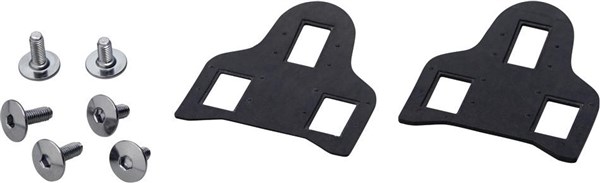
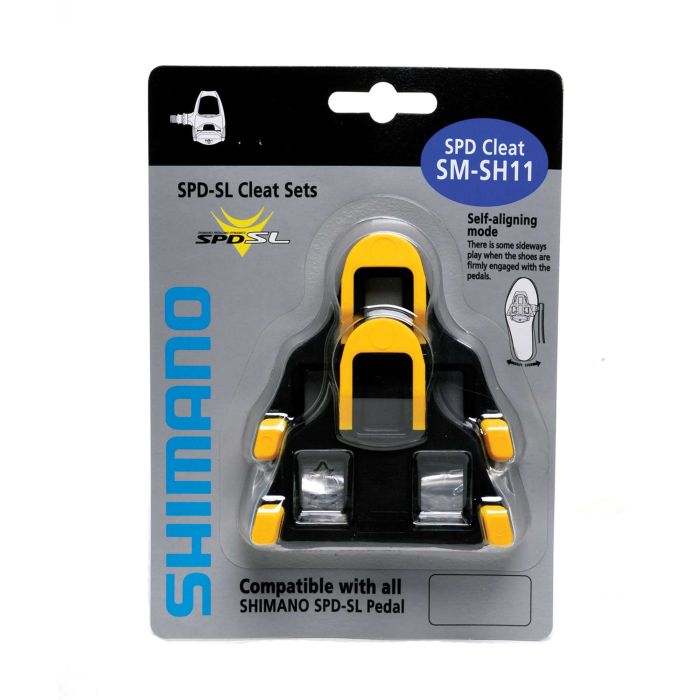
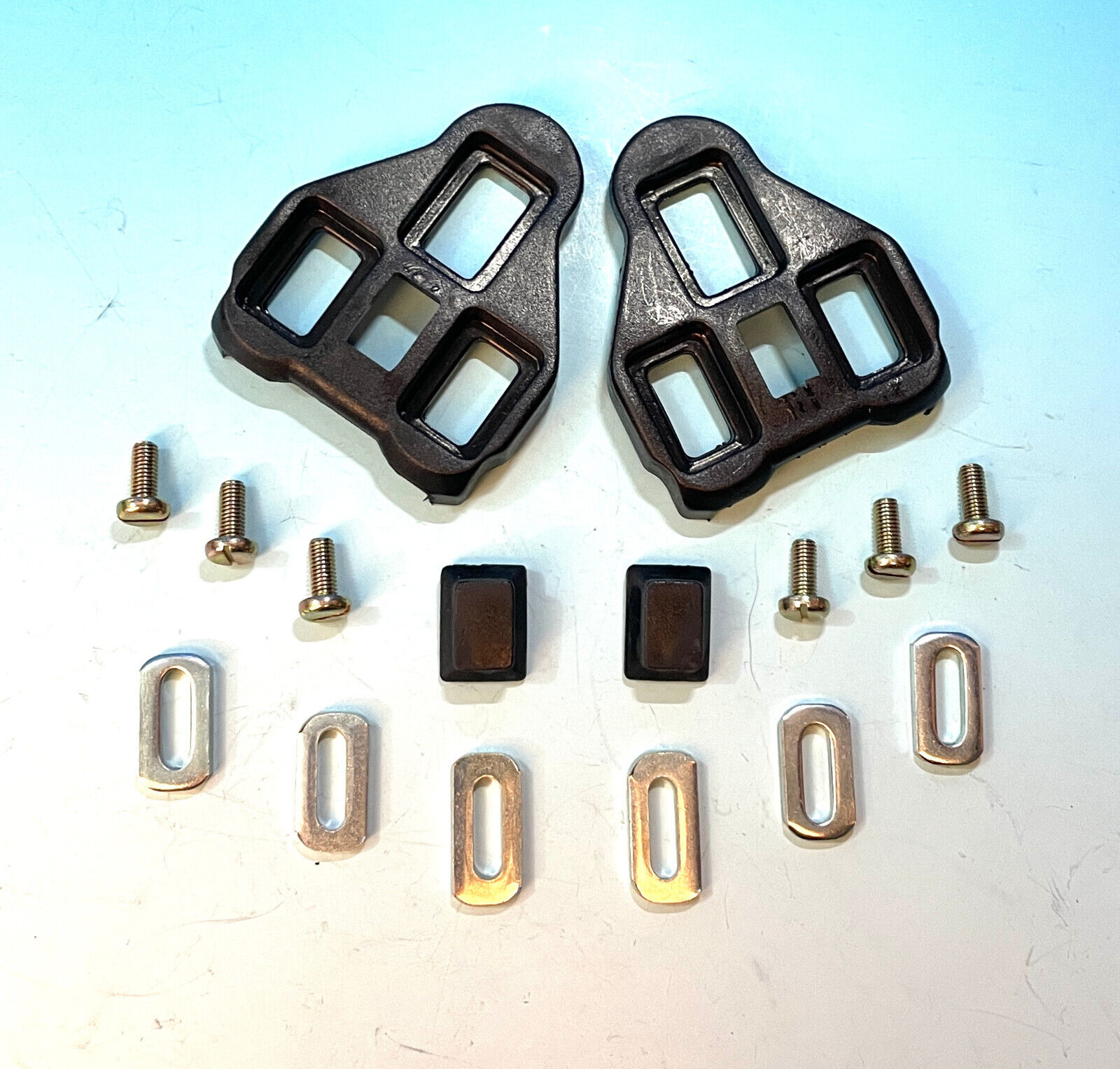
Float angle: choose 0 degree cleats for a fixed, efficient platform, or 6 and 9 degree versions for freer heel rotation and less knee load.
Build material
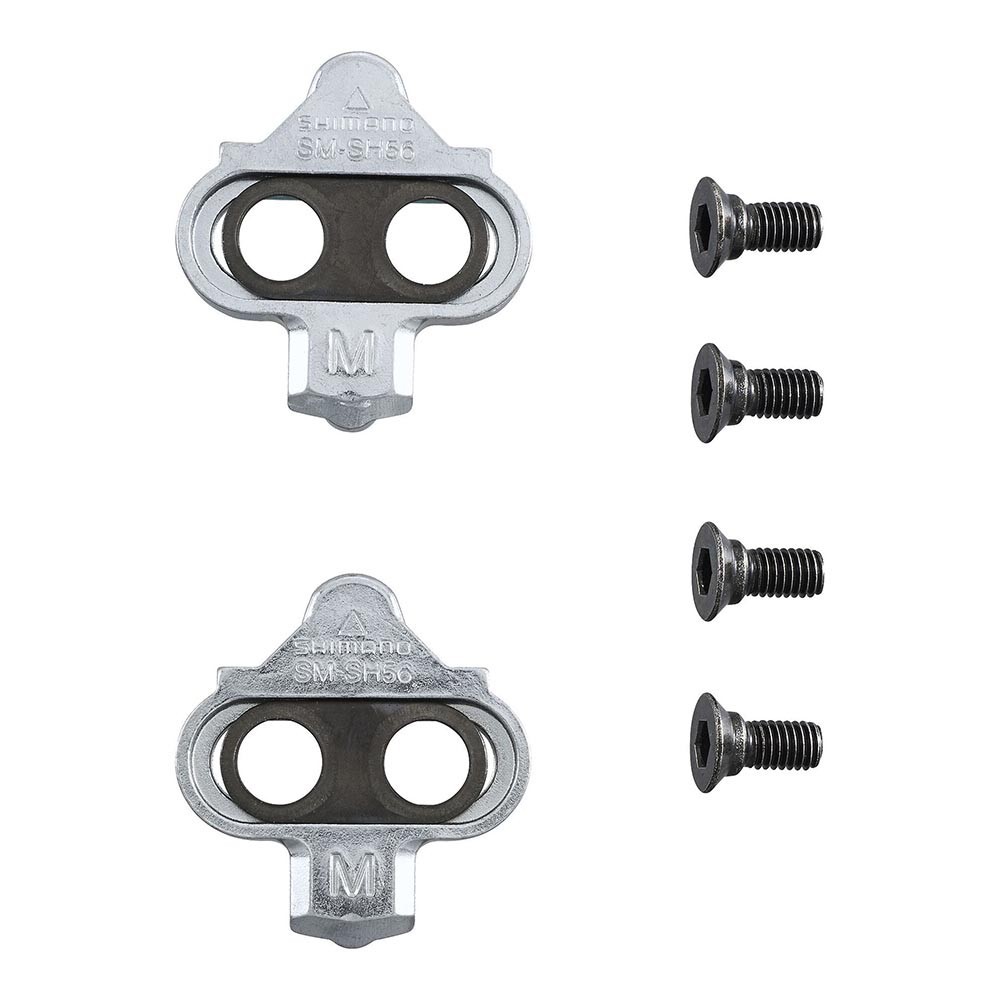
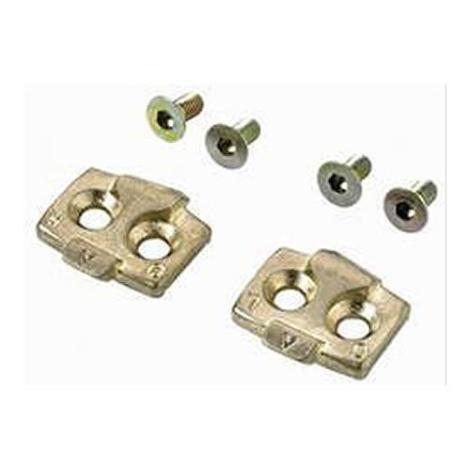
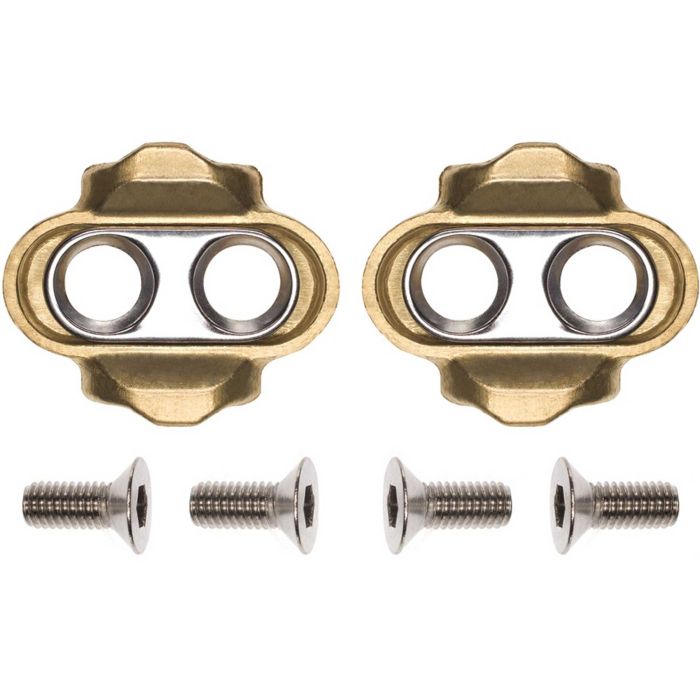
Material: plastic and polyamide keep things light, while metal, stainless steel or gold builds last longer under repeated engagement.
Where it sits
Listing sub-type matters. Cycling and Cycling Clothing & Accessories hold the main shoe cleats, while Outdoor Recreation and Sporting Goods cover adapter spacers and broader kits.
Colour choice
Colour: black hides grime, whereas yellow, red, blue, purple or gold stand out but mark more easily.
Add-on spacers
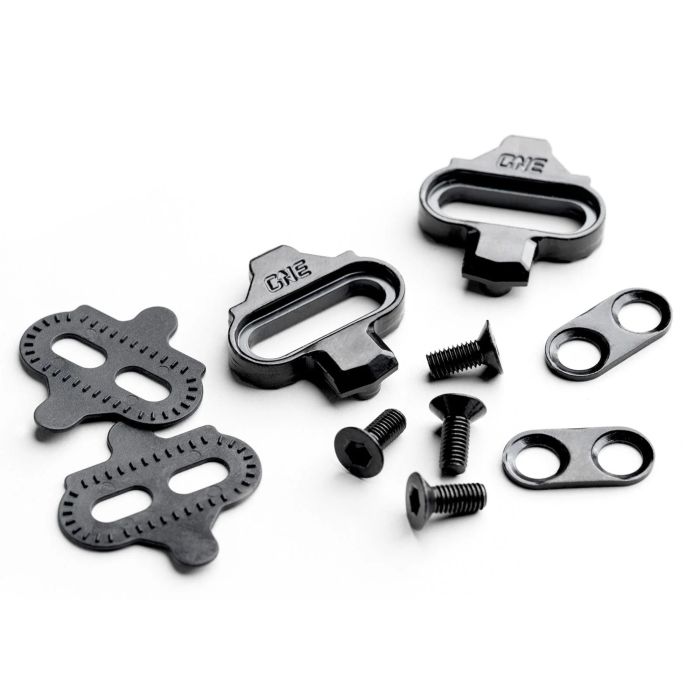
Spacer need: if your shoe creaks at the bolt points, a spacer from the accessory sub-types fixes it, though it raises the foot a few millimetres.
What's good
- Fixed 0 degree float cleats hold the foot with no lateral play, suiting riders who want direct power transfer.
- Cleats with 6 or 9 degree float let the heel rotate, which can ease knee strain on longer rides.
- Metal and stainless steel builds resist abrasion far better than plastic under daily use.
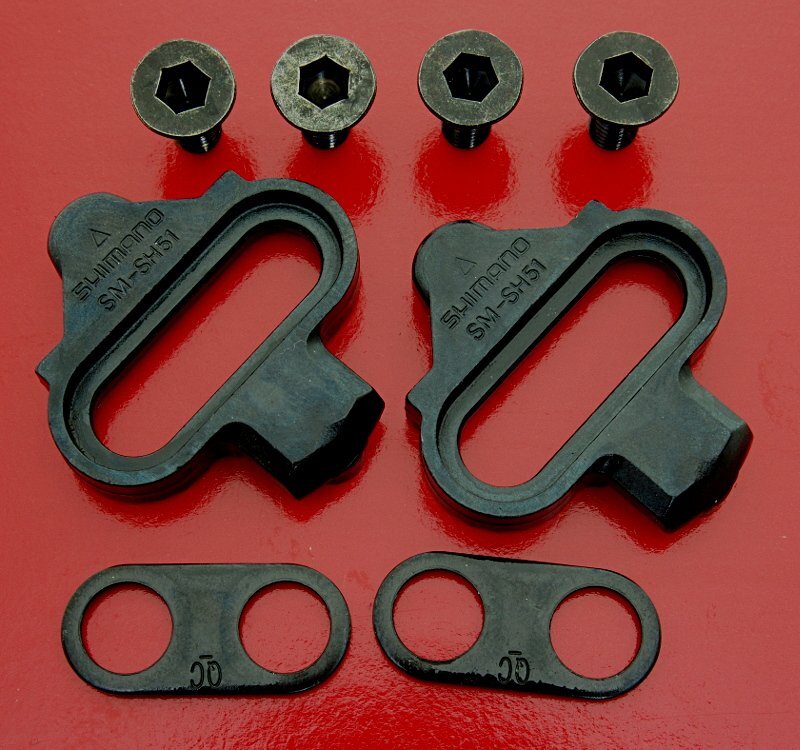
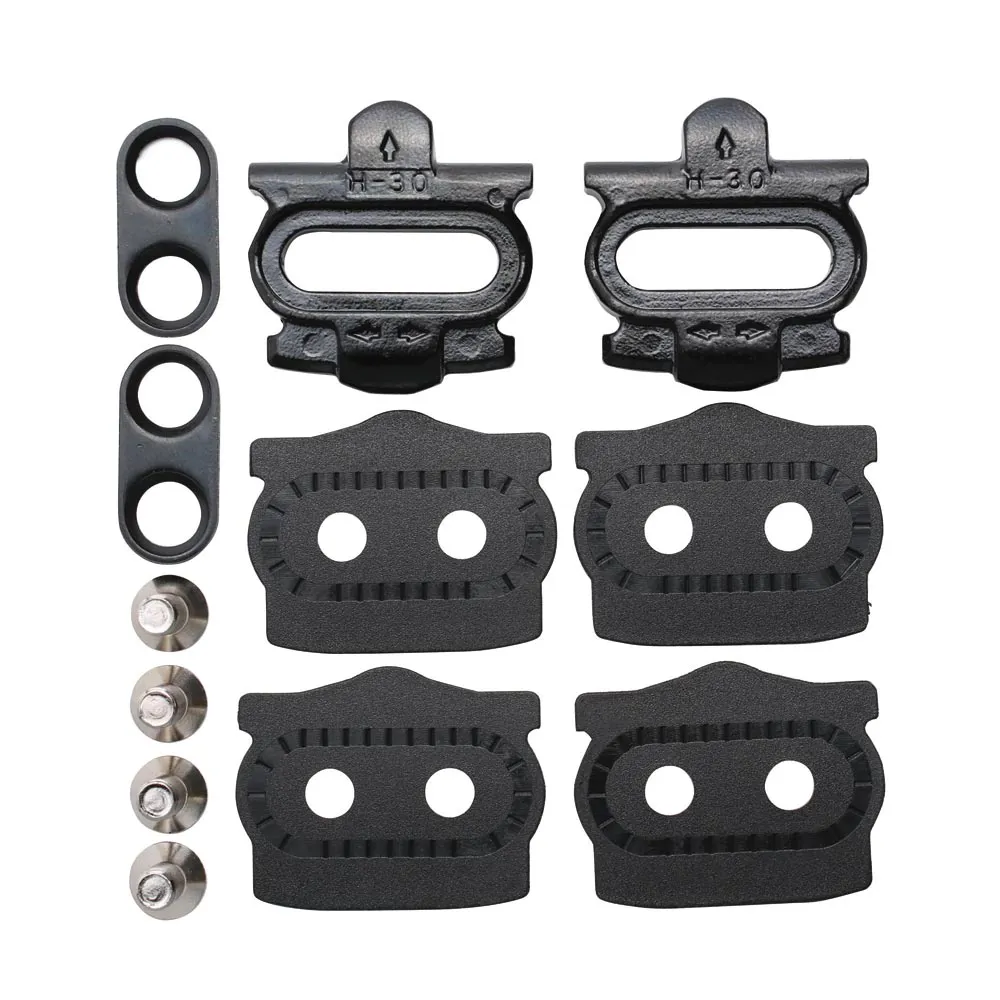
- Spacer adapters found in the Sporting Goods listings sit between shoe and cleat to prevent creaking.
- A broad colour axis (yellow, black, red, blue, purple, rose and more) helps match your shoes and kit.
Things to watch
- Plastic and polyamide cleats save weight but wear down fast if you walk on them off the bike.
- Zero degree float types give no heel wiggle, so a stiff pedal stroke can jar the knees.
- Bright colours like yellow, rose or gold show scuffs quicker than black or black/grey/red mixes.
- Spacers listed under Sporting Goods add stack height, which slightly changes pedal feel.
- Easy entry MTB cleats make clipping in simpler, but trade a little locked-in security for that ease.
Care & maintenance
Dry after rain
Wipe metal and stainless steel tabs dry after wet rides to stop corrosion.
Inspect wear
Check plastic or polyamide cleats for rounded engagement lips every few weeks, and swap them before they slip.
Check screws
Retighten the screws on cleats and any spacer adapters with the correct driver on a monthly basis.
Limit walking
Avoid walking on hard ground in rubber tipped or plastic cleats to keep the mating faces intact.
Frequently Asked Questions
What should I look for when buying bicycle cleats?
When shopping for bicycle cleats, consider factors such as quality, price, brand reputation, and customer reviews. Compare prices across multiple retailers to ensure you're getting the best deal. Look for products that match your specific needs and budget.
How do I choose the right bicycle cleats?
Choosing the right bicycle cleats depends on your individual needs, budget, and preferences. Research different options, read customer reviews, and compare specifications. Consider what features are most important to you and look for products that offer the best value for money.
Where can I find the best deals on bicycle cleats?
You can find the best deals on bicycle cleats by comparing prices across multiple retailers. Our price comparison tool helps you find the lowest prices from trusted UK retailers including Amazon, eBay, and other major online stores. Check regularly as prices and deals change frequently.
Are bicycle cleats products worth the investment?
The value of bicycle cleats products depends on your specific needs and how you plan to use them. Quality products from reputable brands often provide better long-term value, even if they cost more initially. Consider your budget and requirements when making your decision.
What's the difference between different types of bicycle cleats?
Different types of bicycle cleats vary in features, quality, price, and intended use. Some may offer premium features while others focus on affordability. Research the specific differences between models or brands to find the option that best suits your needs and budget.