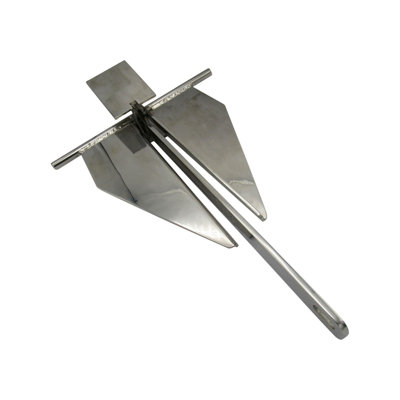
Anchors
How to choose anchors
Sub-type
Decide between Docking & Anchoring and Vehicle Parts & Accessories first, since water and land need different gear.
Weight
Match anchor weight to craft: 1.5kg folding types suit kayaks, 16kg palm types suit yacht tenders but are heavier to lift.
Material
Pick material by environment: stainless steel for salt water, steel or cast iron for heavy fixed anchors in fresher water.
Colour
Colour aids visibility: a red or yellow float is easier to spot than grey or black on a dim bank.
Prong style
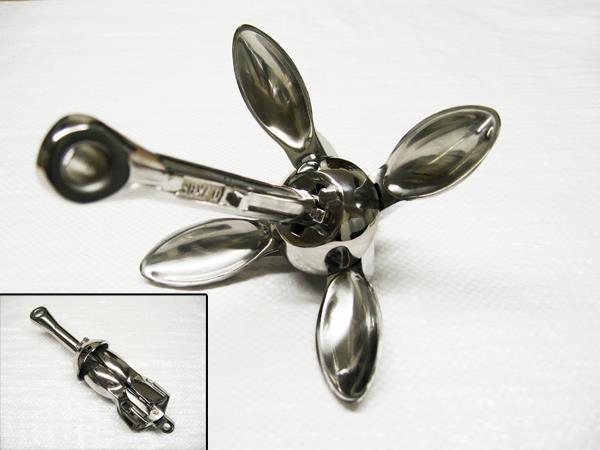
Choose prong style by bed: four prong grapnels fold flat yet may miss on rock, two prong palm digs into soft silt.
What's good
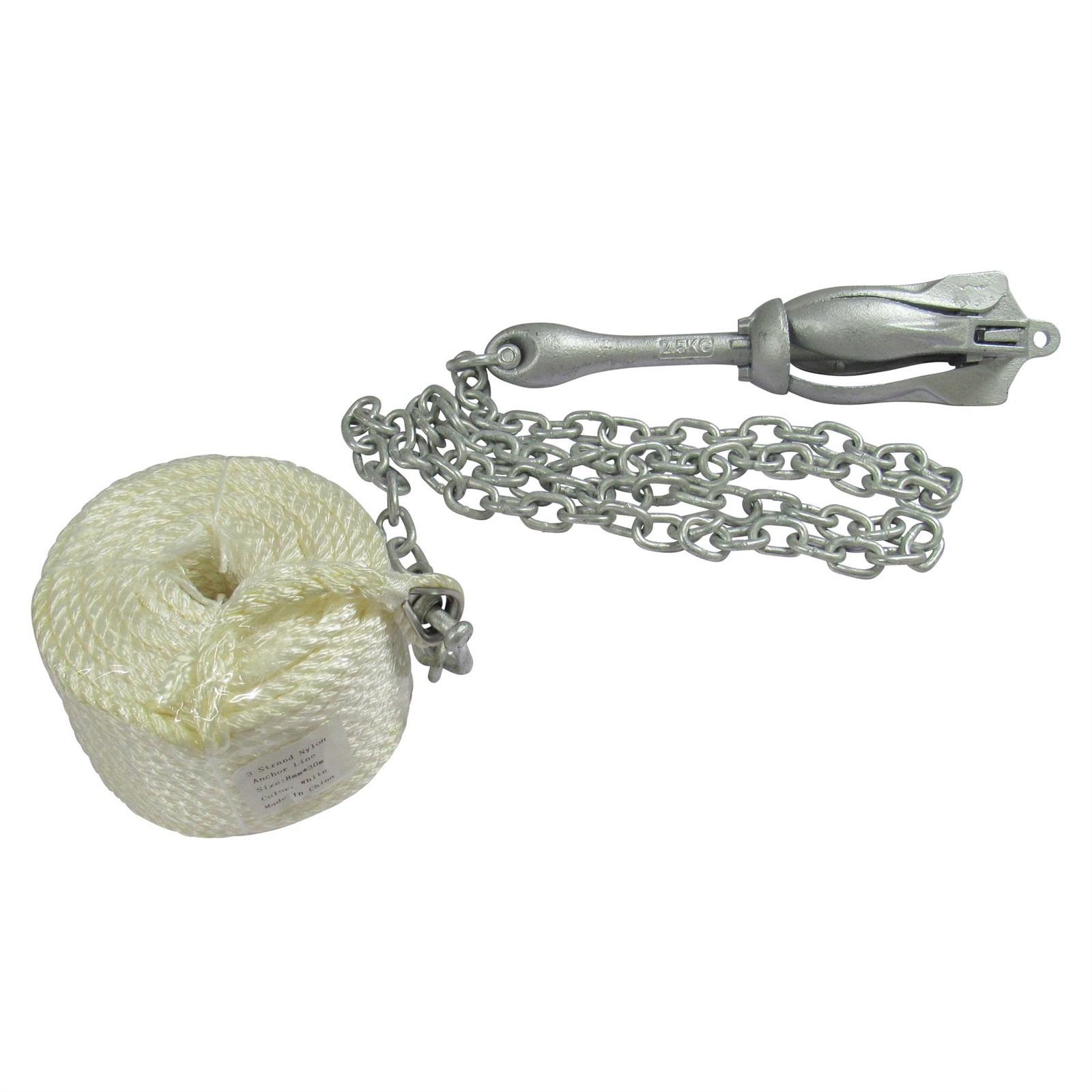
- Folding grapnel anchors in the Docking & Anchoring sub-type pack down small, so they suit kayaks and small tenders.
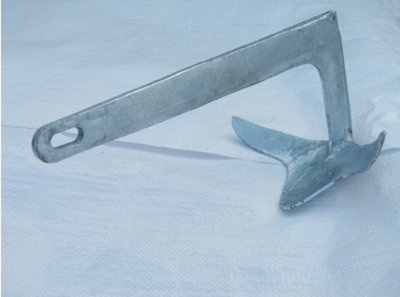
- Heavy galvanised palm anchors hold larger boats in river currents, giving secure rest when you go ashore.
- Sea drogue anchors with a float and rope slow your drift while fishing, a task static anchors cannot manage.
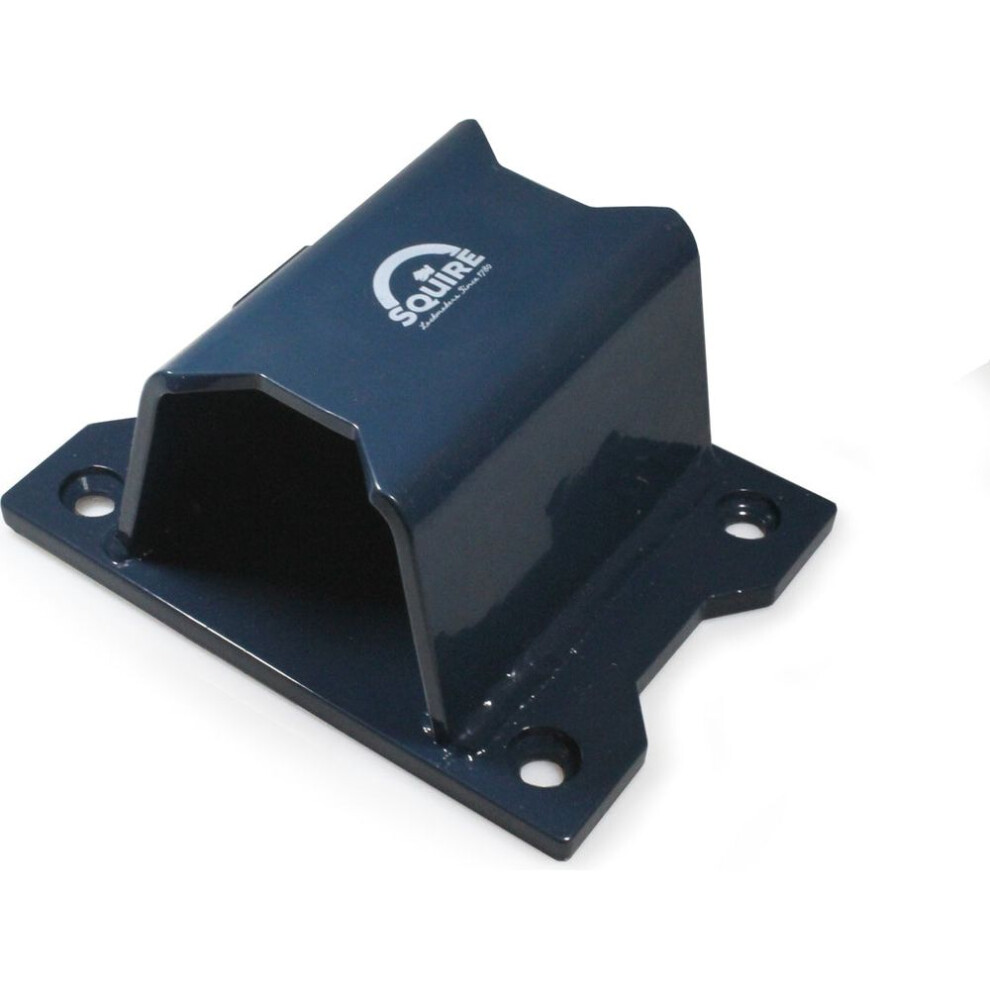
- E track D ring tie downs in Vehicle Parts & Accessories lock loads in place on vans or trailers, a separate need from mooring.
- Stainless steel snap hooks resist rust, lowering upkeep for sailors who use them on ropes and sails.
Things to watch
- Lightweight folding grapnels of 1.5kg or 2.5kg slip in fast water, so they are wrong for yachts or tidal mouths.
- Cast iron or plain steel anchors are strong but need drying after use, unlike stainless steel that shrugs off corrosion.
- Drogue anchors only control drift, they will not keep a boat fixed at a single swim spot.
- Plastic and nylon parts on floats and ropes fade under sun, while all metal builds last longer but add weight.
- Vehicle tie-down anchors are useless on the water, so choosing them for a boat mooring wastes effort.
Care & maintenance
Rinse
Rinse metal anchors with fresh water after salt trips to limit corrosion.
Check coating
Inspect galvanised coatings on steel anchors for chips and store them dry.
Inspect soft parts
Check nylon ropes and plastic buoys on drogue anchors for cracks before each launch.
Lubricate
Oil the joints on folding grapnel anchors so they deploy without sticking.
Frequently Asked Questions
What should I look for when buying anchors?
When shopping for anchors, consider factors such as quality, price, brand reputation, and customer reviews. Compare prices across multiple retailers to ensure you're getting the best deal. Look for products that match your specific needs and budget.
How do I choose the right anchors?
Choosing the right anchors depends on your individual needs, budget, and preferences. Research different options, read customer reviews, and compare specifications. Consider what features are most important to you and look for products that offer the best value for money.
Where can I find the best deals on anchors?
You can find the best deals on anchors by comparing prices across multiple retailers. Our price comparison tool helps you find the lowest prices from trusted UK retailers including Amazon, eBay, and other major online stores. Check regularly as prices and deals change frequently.
Are anchors products worth the investment?
The value of anchors products depends on your specific needs and how you plan to use them. Quality products from reputable brands often provide better long-term value, even if they cost more initially. Consider your budget and requirements when making your decision.
What's the difference between different types of anchors?
Different types of anchors vary in features, quality, price, and intended use. Some may offer premium features while others focus on affordability. Research the specific differences between models or brands to find the option that best suits your needs and budget.