Mashers
How to choose mashers
Category placement
Sub-type sets the context: Kitchen Tools & Utensils covers everyday potato and meat mashers, Kitchen & Dining includes honey dippers, and Home & Garden spans broader household items.
Material choice
Material is the first call: stainless steel for strength, nylon/silicone for non-stick safety, wood for light gentle use.
Blended builds
Some models use blends like wood/plastic or mode/plastic, trading pure wood feel for easier upkeep.
Colour match
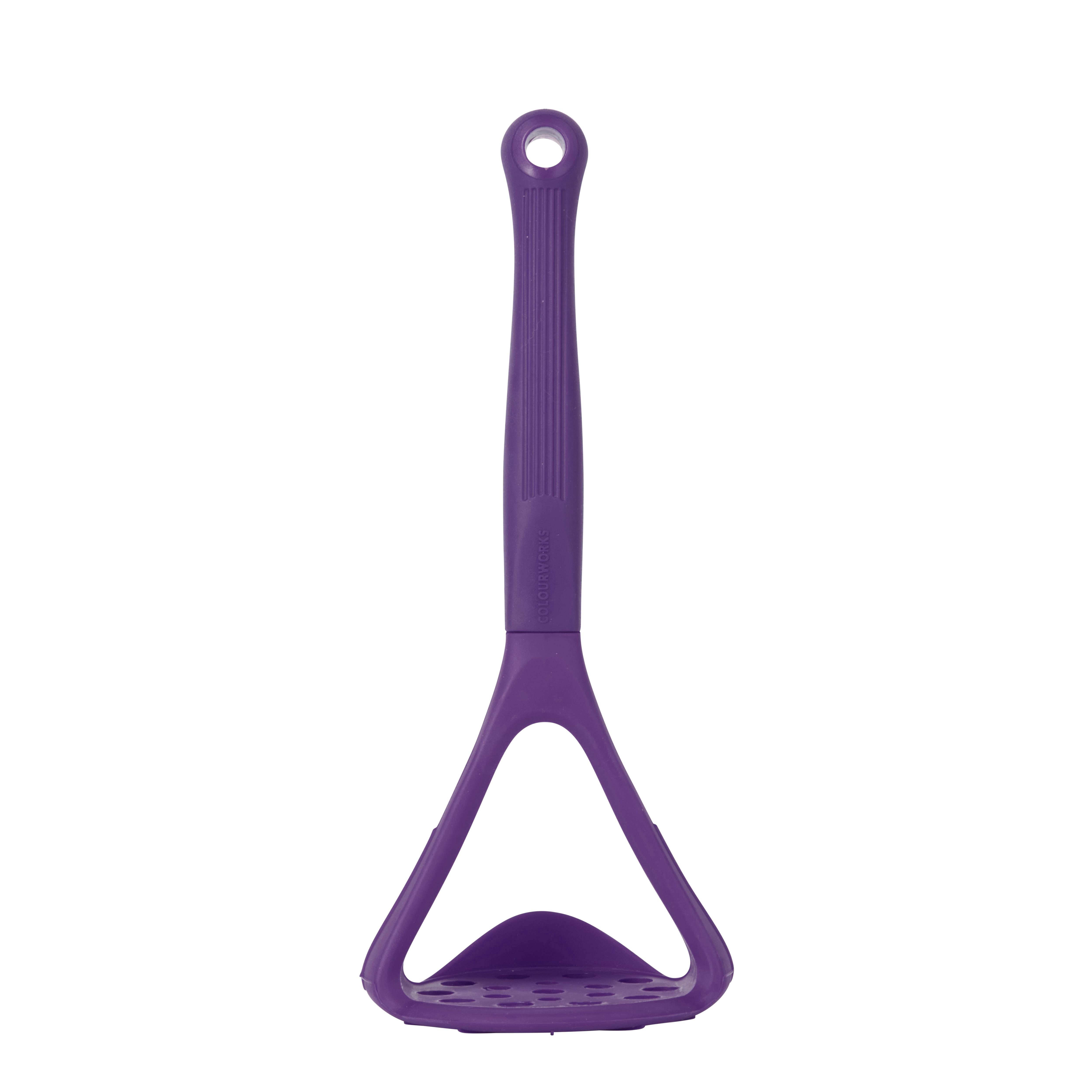
Colour is practical, not just style: neutral silver or black fits any kitchen, purple or red adds character but may clash.
Use case
Match the tool to the job, a meat masher suits mince, a potato masher suits veg, a honey dipper will not do either.
What's good
- The spread across Home & Garden, Kitchen & Dining and Kitchen Tools & Utensils means you can pick a masher for gifting or for daily prep.
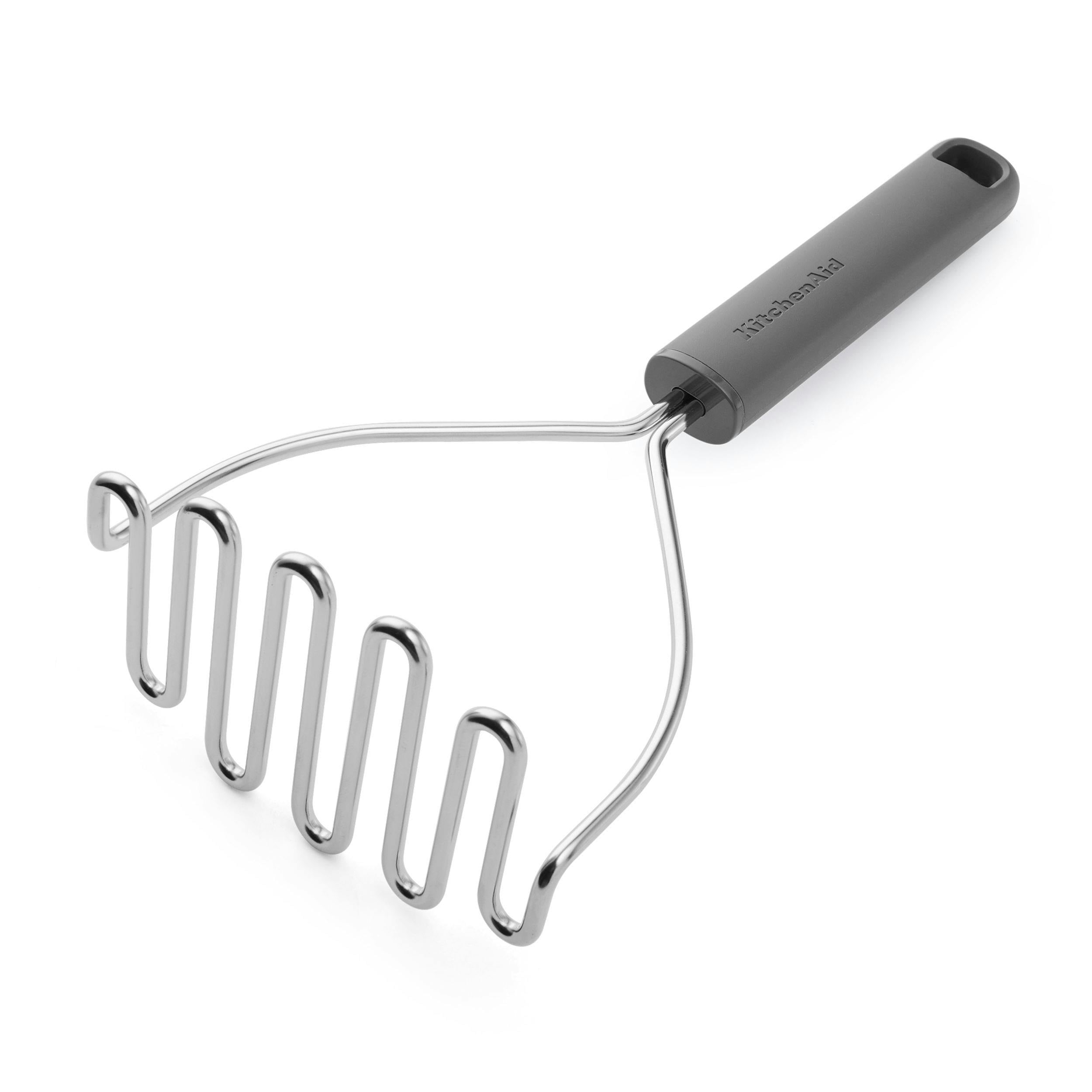
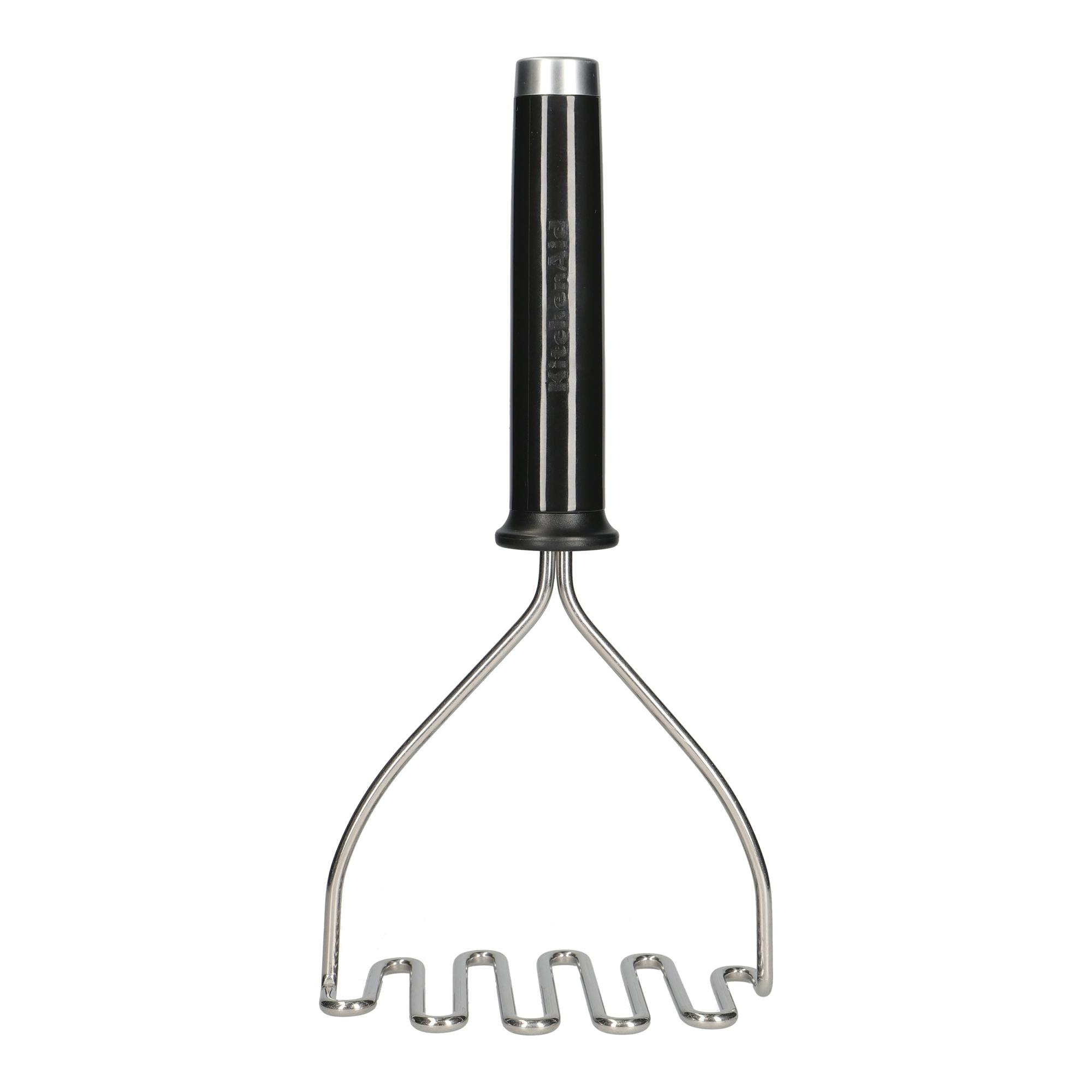
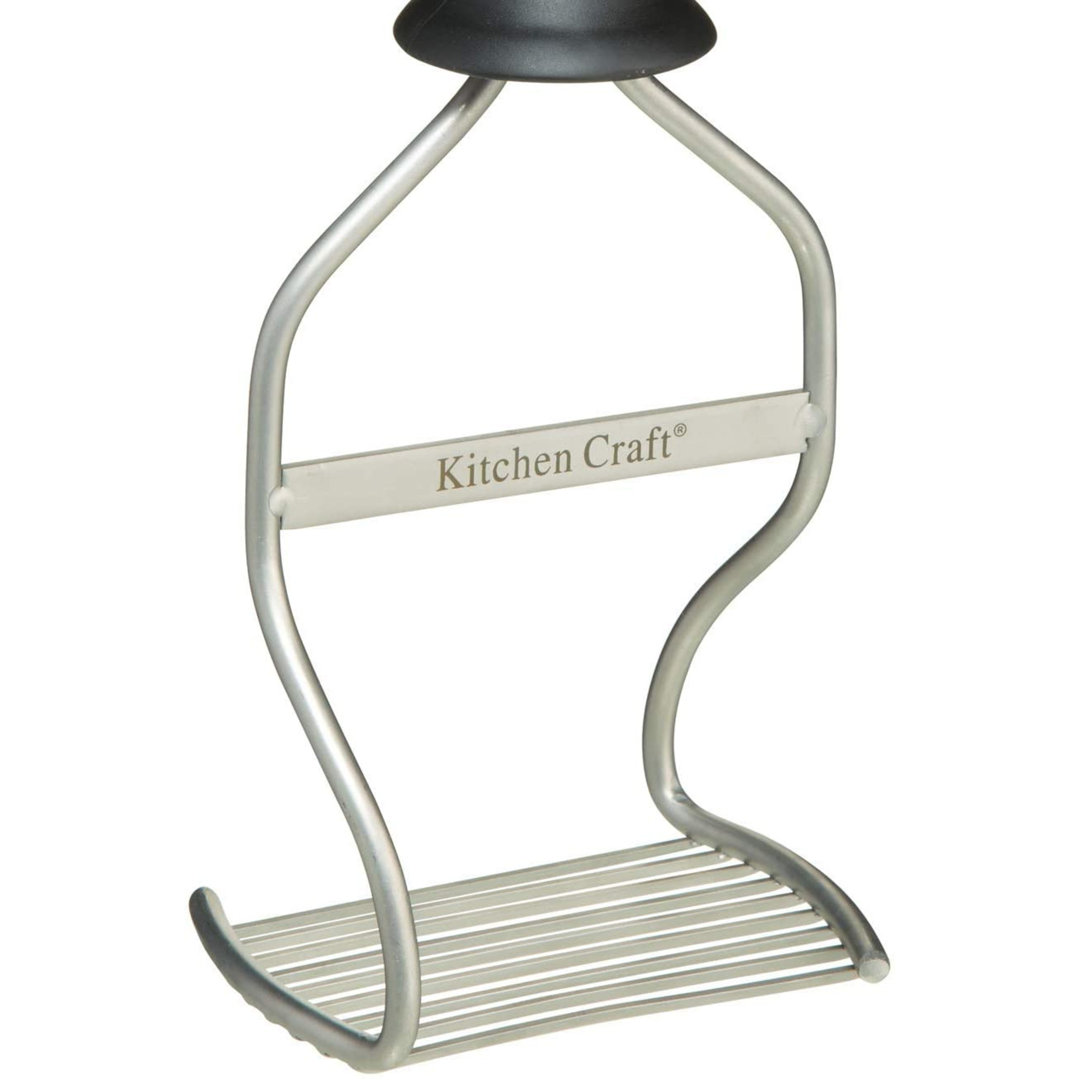
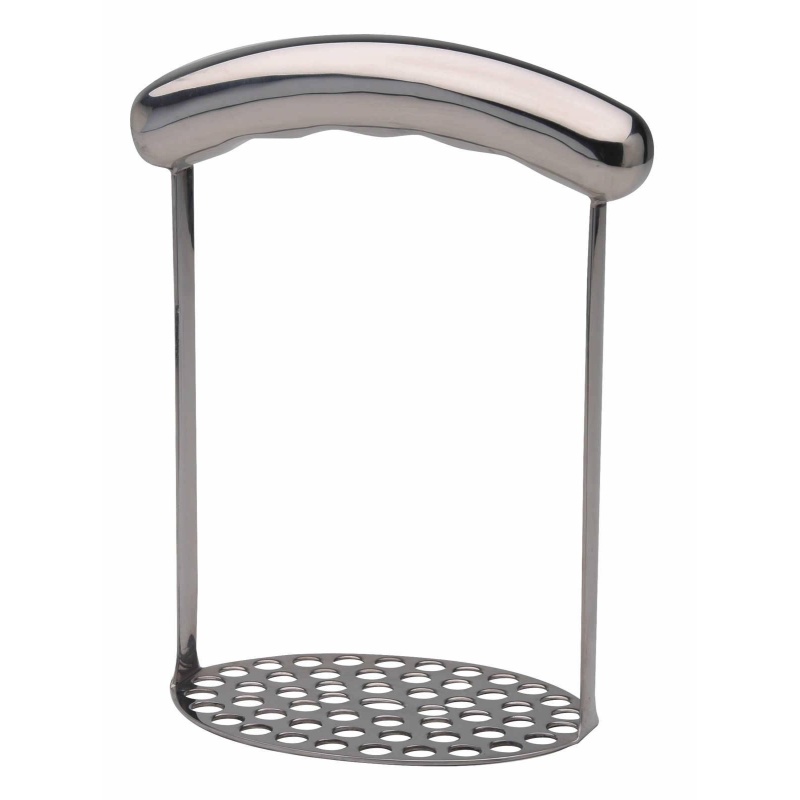
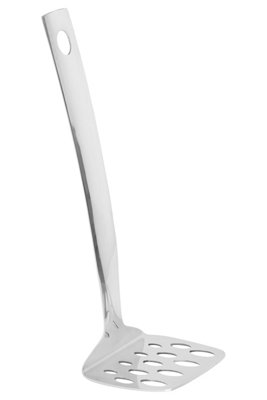
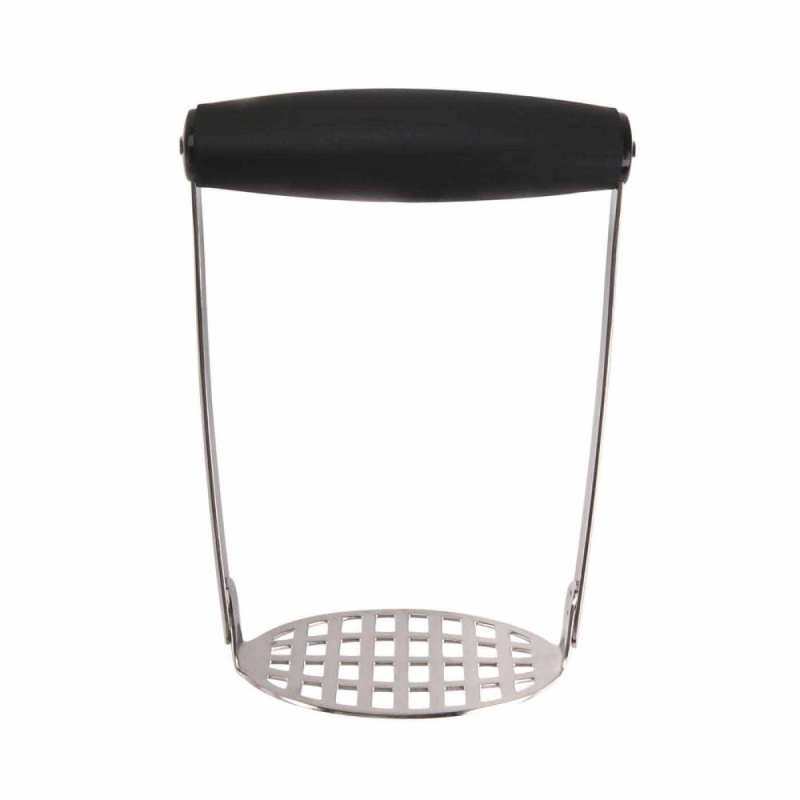
- Stainless steel potato mashers (Kitchen Tools & Utensils) press firmly without flexing, even on firm roots.
- Silicone and nylon headed variants protect non-stick coatings, a real plus for coated pans.
- Wood and wood/plastic mashers feel light in the hand and suit gentle tasks like honey drizzling.
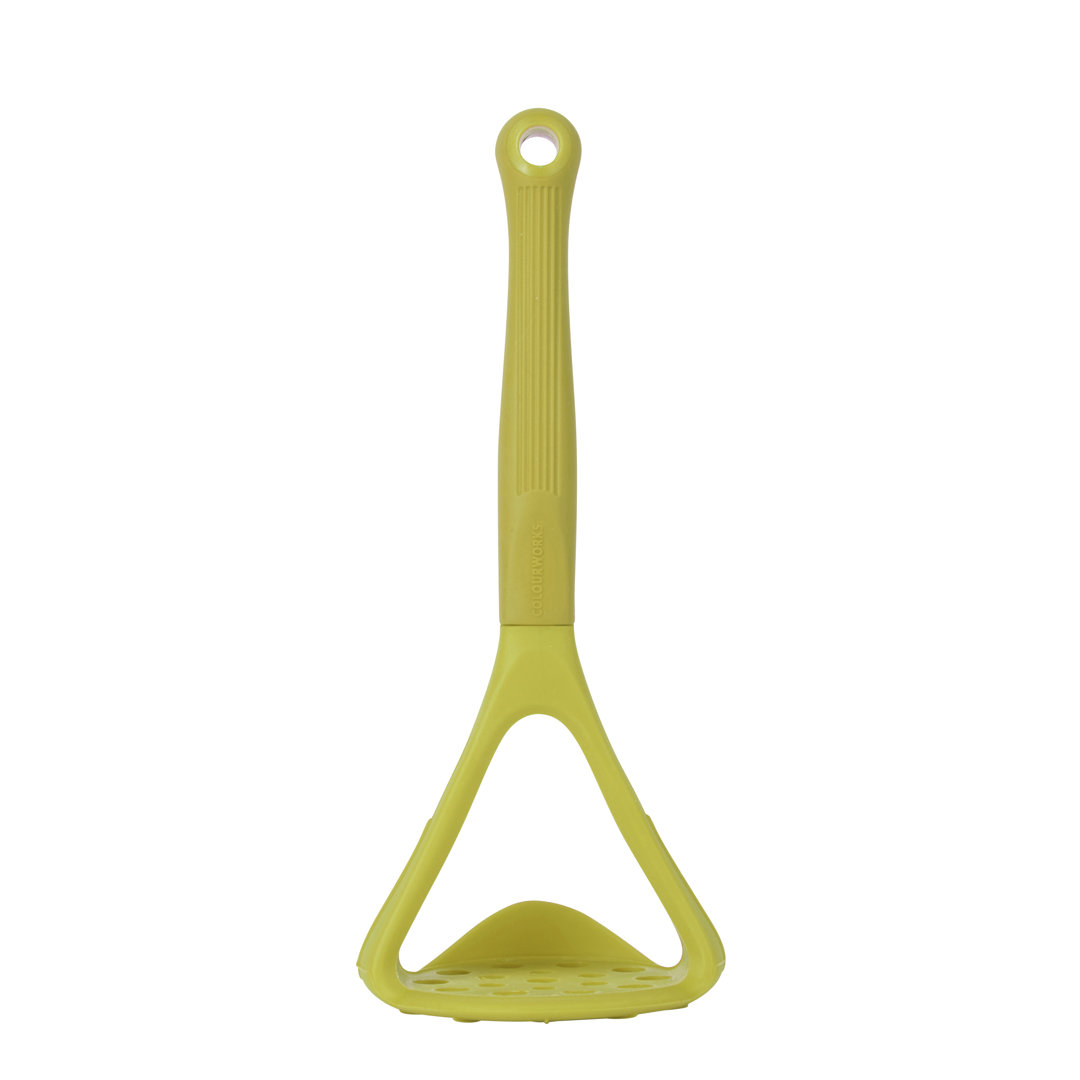
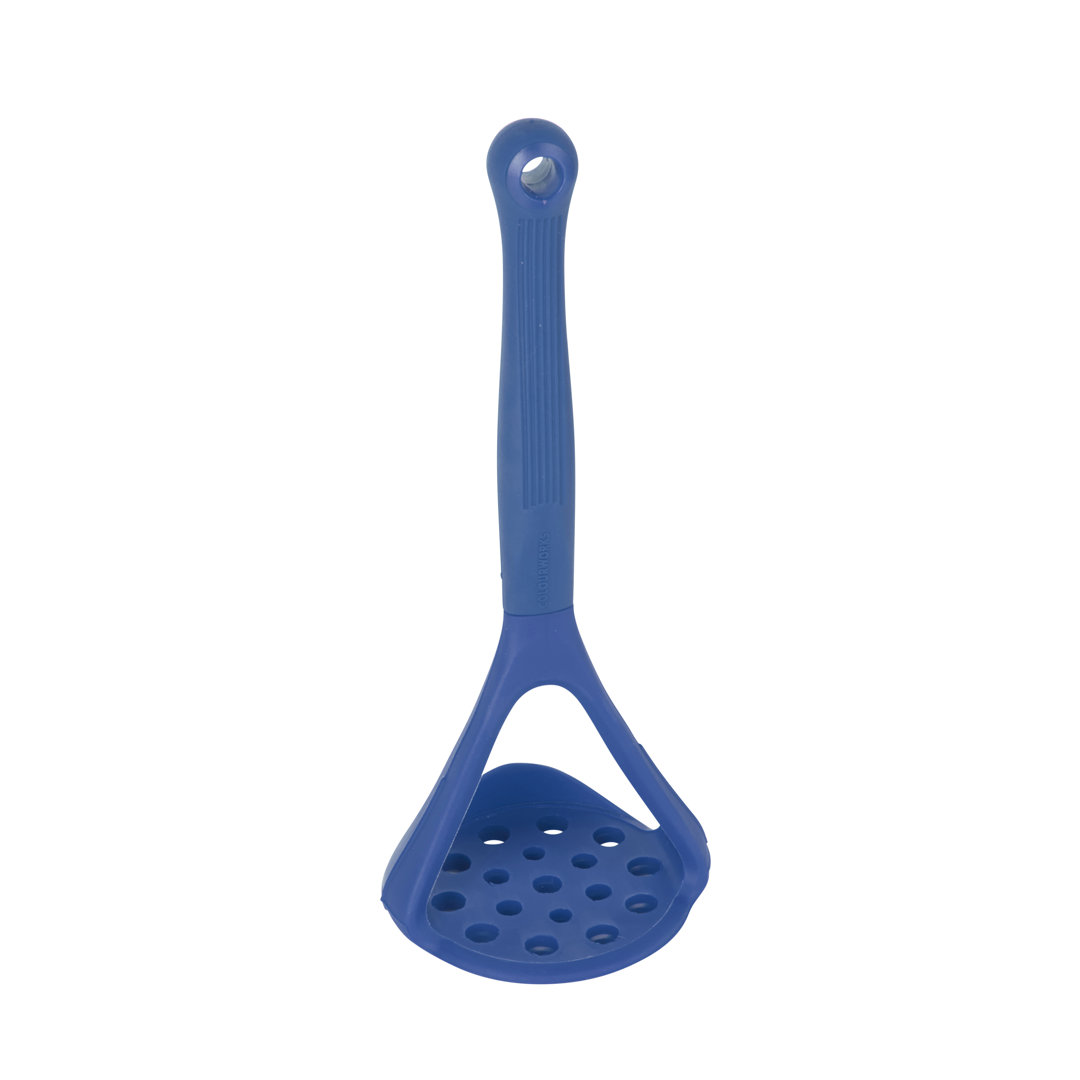
- The broad colour choice, from black to pink, lets a Kitchen & Dining piece match your tableware.
Things to watch
- Stainless steel mashers weigh more than plastic or nylon ones, tiring the wrist during big batches.
- Wood and wood/plastic mashers need hand washing, unlike dishwasher safe steel options.
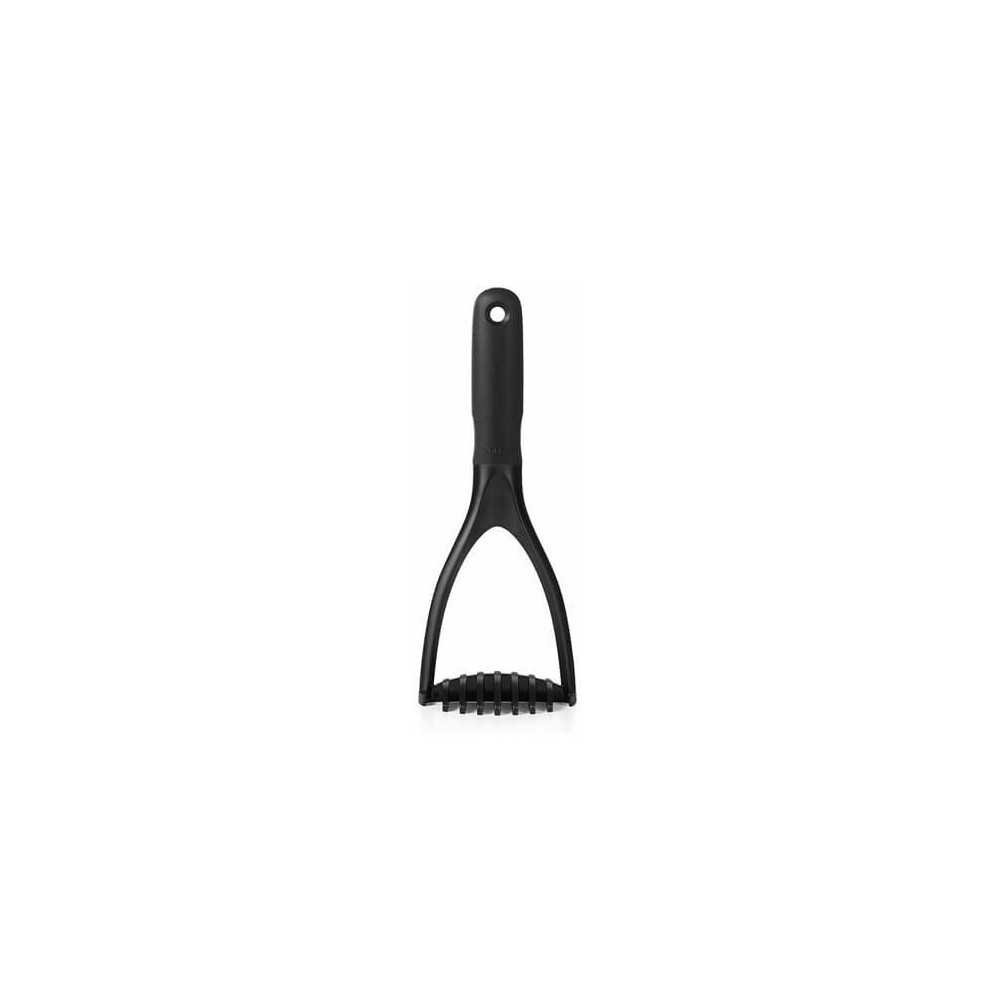
- Plastic and nylon heads can flex under firm roots, a tradeoff for their light feel.
- Bright coloured plastic may stain from beetroot or turmeric over time.
- Honey dippers are single purpose, wrong for anyone needing to crush potatoes or mince meat.
Care & maintenance
Wood care
Wash wood and wood/plastic by hand, then dry straight away to stop warping.
Steel care
Stainless steel copes with dishwashers, but dry it to avoid water spots.
Crevice cleaning
Clear food from the loops of wire steel mashers before storing.
Copper upkeep
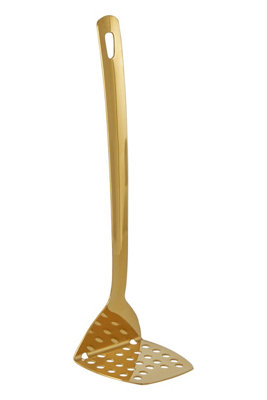
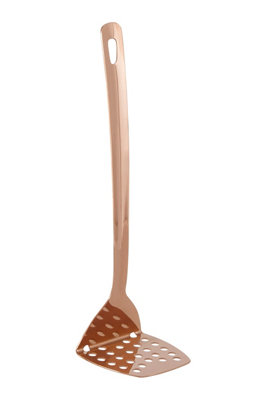
Polish copper occasionally if you want to keep its shine.
Frequently Asked Questions
What should I look for when buying mashers?
When shopping for mashers, consider factors such as quality, price, brand reputation, and customer reviews. Compare prices across multiple retailers to ensure you're getting the best deal. Look for products that match your specific needs and budget.
How do I choose the right mashers?
Choosing the right mashers depends on your individual needs, budget, and preferences. Research different options, read customer reviews, and compare specifications. Consider what features are most important to you and look for products that offer the best value for money.
Where can I find the best deals on mashers?
You can find the best deals on mashers by comparing prices across multiple retailers. Our price comparison tool helps you find the lowest prices from trusted UK retailers including Amazon, eBay, and other major online stores. Check regularly as prices and deals change frequently.
Are mashers products worth the investment?
The value of mashers products depends on your specific needs and how you plan to use them. Quality products from reputable brands often provide better long-term value, even if they cost more initially. Consider your budget and requirements when making your decision.
What's the difference between different types of mashers?
Different types of mashers vary in features, quality, price, and intended use. Some may offer premium features while others focus on affordability. Research the specific differences between models or brands to find the option that best suits your needs and budget.